Dog Eye Discharge: Causes, Treatment, and When to See a Vet
Understanding dog eye discharge is crucial for every responsible pet owner, as it can be a primary indicator of various conditions, ranging from minor irritations to severe underlying health challenges. At Petscarelab, we believe that recognizing the different types of ocular secretions, understanding what they might signify, and knowing precisely when to consult a veterinary professional is fundamental to safeguarding your beloved canine’s vision and overall well-being.
Normal Dog Eye Discharge
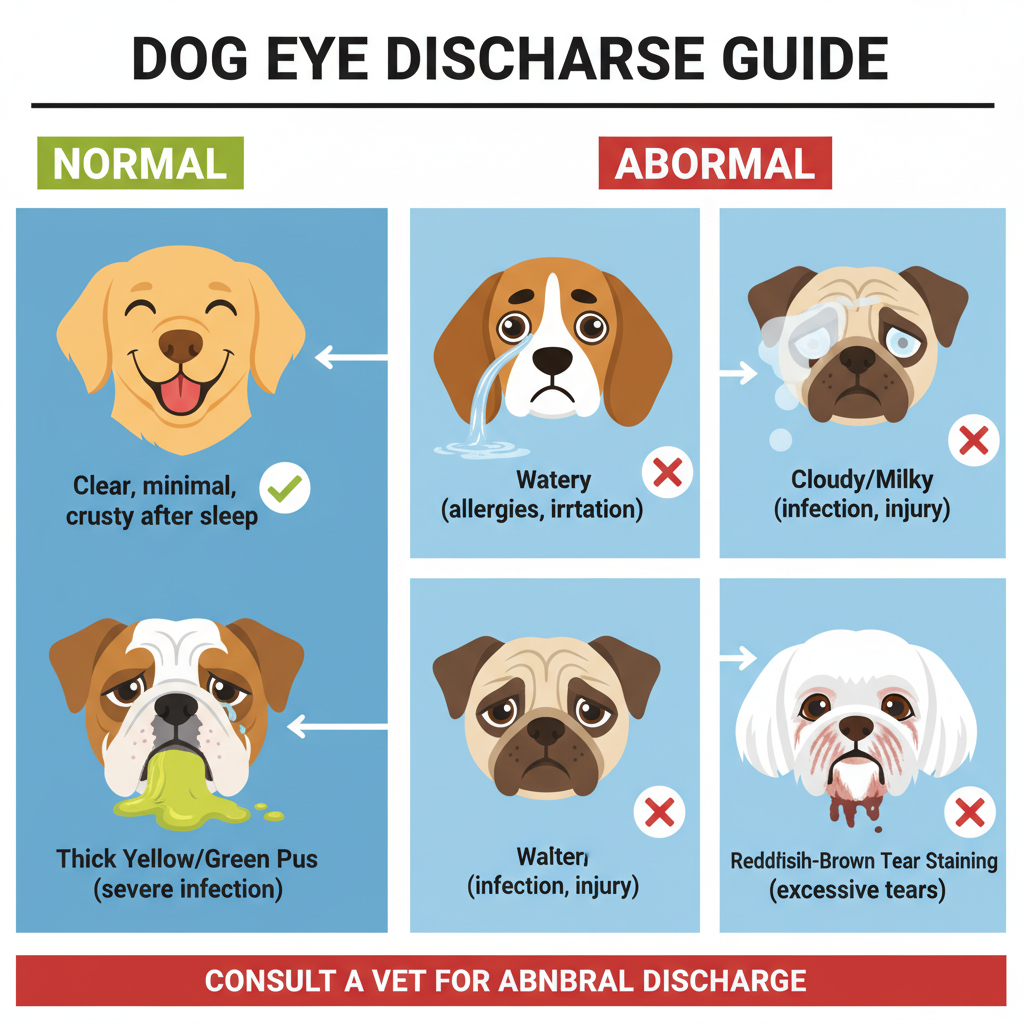
Just like humans, dogs naturally produce a small amount of discharge from their eyes as part of their essential self-cleaning and protective mechanisms. This healthy, normal discharge is typically scant in quantity, clear or watery, and may appear crusty or “sleepy” after rest. It’s common to observe a tiny bit of clear or reddish-brown, crusty material near the inner corner of your dog’s eyes, especially upon waking. This is generally nothing to be concerned about and can be gently removed with a soft, damp cloth. Our experts at Petscarelab recommend using a clean, warm compress for easy and comfortable removal.
Types of Abnormal Dog Eye Discharge
Any notable departure from the usual clear, minimal discharge often signals a brewing problem. Here at Petscarelab, we’ve compiled common types of abnormal dog eye discharge and their potential underlying meanings:
Watery Eye Discharge (Excessive Tearing or Epiphora)
Appearance: Characterized by clear, often excessive, watery tears that may spill over onto your dog’s face.
Possible Causes: These include allergies to environmental triggers, physical irritants like dust or smoke, blocked tear ducts, various eyelash issues (distichiasis, ectopic cilia, trichiasis), a condition called entropion, corneal ulcers, the serious disease glaucoma, and conformational issues common in brachycephalic breeds.
Cloudy or Milky Dog Eye Discharge
Appearance: This type of dog eye discharge typically presents as white or grayish, opaque secretions.
Possible Causes: The primary cause is often Keratoconjunctivitis Sicca (KCS) or “Dry Eye,” a chronic condition of inadequate tear production. Other potential causes include corneal dystrophy or degeneration, and advanced stages of glaucoma which can cause corneal swelling.
Yellow or Green Eye Discharge
Appearance: This is often a thick, pus-like, mucoid discharge, unmistakably yellow or green in color, signifying an infection.
Possible Causes: This typically indicates a bacterial infection, such as bacterial conjunctivitis, an infected corneal ulcer, or a case of dry eye (KCS) that has become secondarily infected. A foreign body in the eye can also lead to this purulent discharge.
Reddish-Brown or Rust-Colored Tear Stains
Appearance: While not a “discharge” in the traditional sense, this refers to the noticeable staining of the fur around the eyes, which is particularly evident in light-colored dog breeds.
Possible Causes: Stains are caused by porphyrin pigments in tears that oxidize. Excessive tearing from any cause can lead to stains. The moist environment can also promote a yeast infection, worsening discoloration. Breeds with prominent eyes or short muzzles are genetically predisposed to tear staining.
Blood or Bloody Discharge
Appearance: This is a gravely concerning symptom, presenting as red streaks or a distinctly bloody appearance within the eye discharge.
Possible Causes: This requires immediate veterinary attention as it can indicate severe trauma, a deep corneal ulcer, a tumor in or around the eye, or severe inflammation/infection that has damaged blood vessels.
When to See a Vet for Dog Eye Discharge
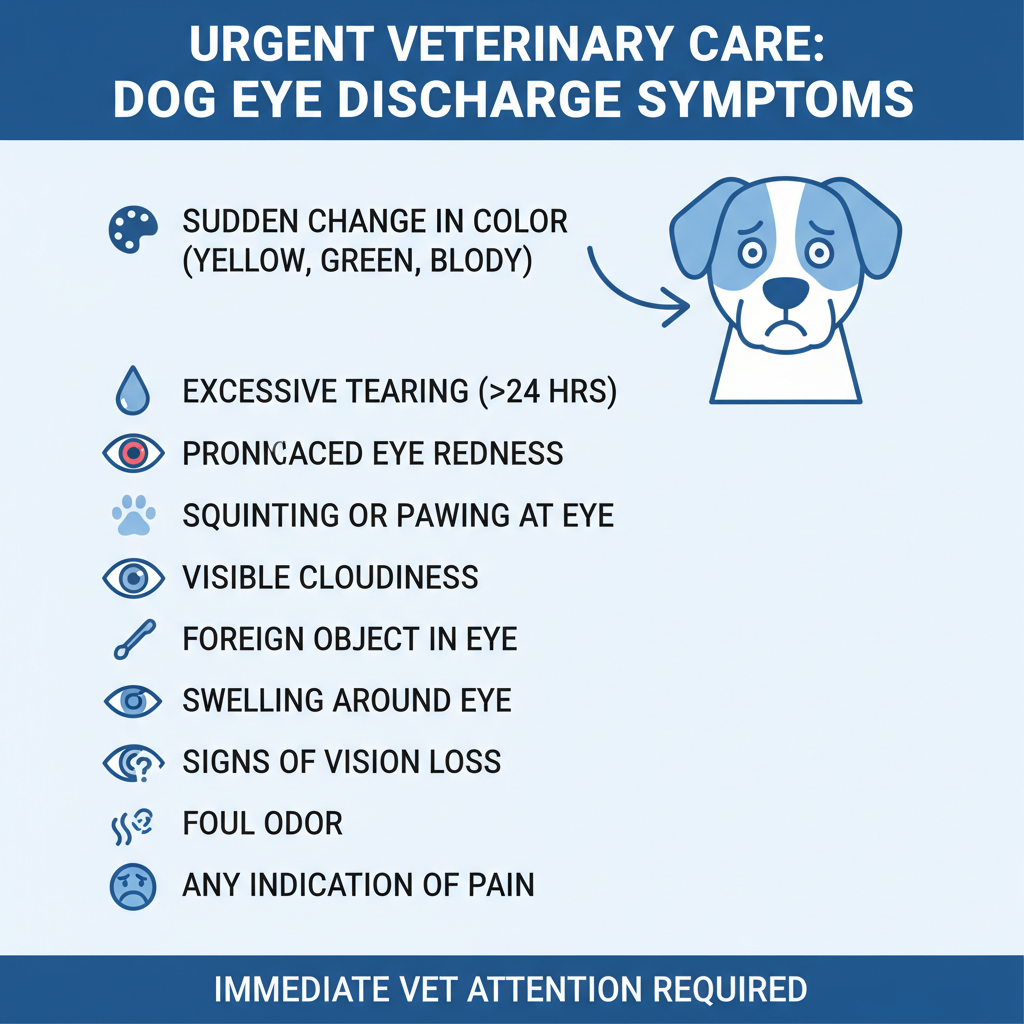
It is paramount to seek immediate veterinary consultation if you observe any unusual or concerning changes in your dog’s eye discharge, especially if it is accompanied by other worrying symptoms. Our team at Petscarelab urges you to seek prompt veterinary attention if you notice a sudden change in color or consistency (particularly yellow, green, or bloody), excessive tearing lasting over 24 hours, pronounced redness, squinting, pawing at the eye, visible cloudiness, a foreign object, swelling, signs of vision loss, a foul odor, or any indication your dog is in pain. Many canine eye conditions can progress rapidly, potentially leading to irreversible damage or blindness if not treated promptly.
Diagnosis of Dog Eye Discharge
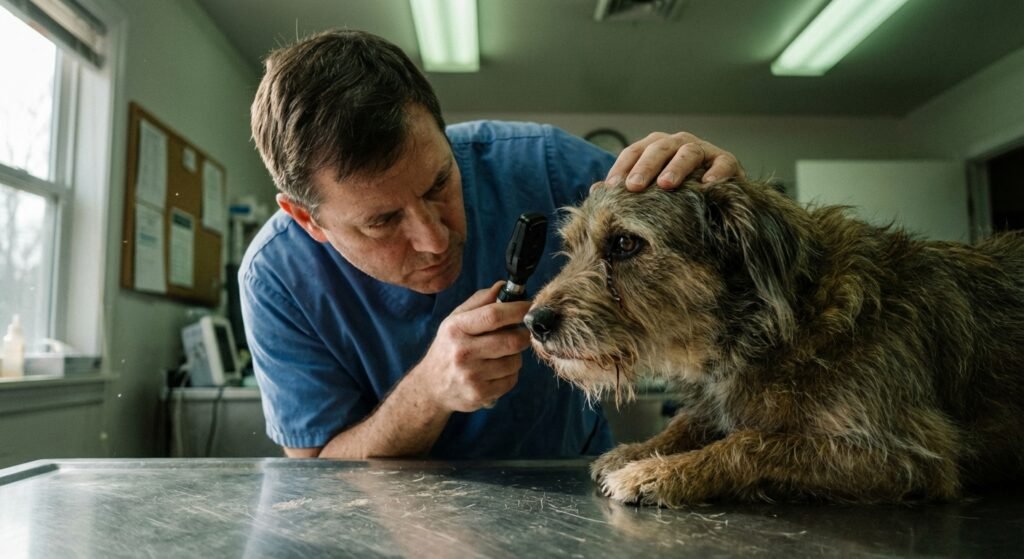
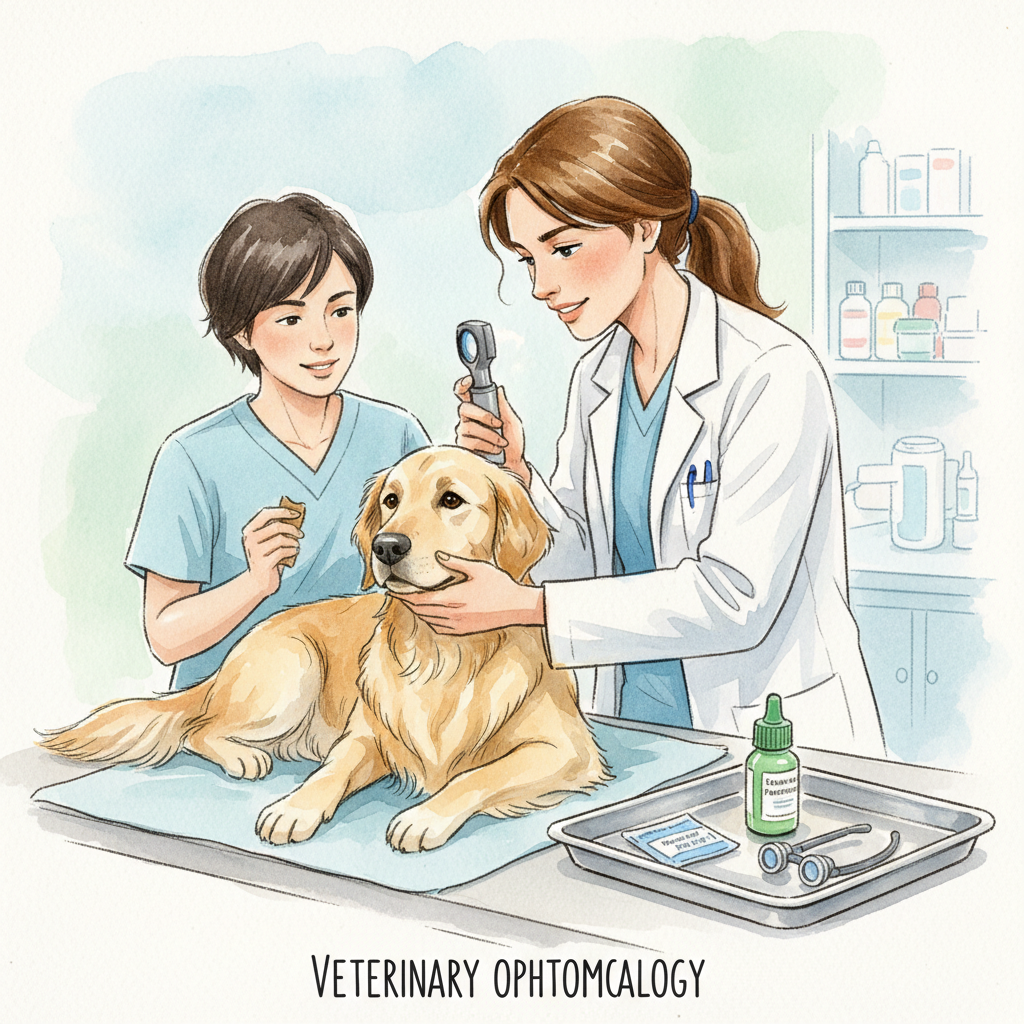
To accurately pinpoint the root cause of your dog’s eye discharge, your veterinarian will likely perform a series of comprehensive diagnostic tests. Our approach at Petscarelab mirrors industry best practices, ensuring thorough evaluation. This typically includes a complete ophthalmic exam, a Schirmer Tear Test for dry eye, a Fluorescein Stain to check for ulcers, Tonometry to measure eye pressure, conjunctival swabs for culture, and possibly allergy testing or advanced imaging in select cases.
Treatment for Dog Eye Discharge
The appropriate treatment for dog eye discharge is entirely dependent on the precise underlying cause. Treatments are highly specific and may include medications for allergies or infections, lifelong management with eye drops for dry eye (KCS), antibiotics and pain relief for corneal ulcers, flushing for blocked tear ducts, surgical correction for eyelash abnormalities or entropion, careful removal of foreign bodies, and aggressive medication or surgery for glaucoma. For tear staining, the focus is on treating the underlying cause of excessive tearing.
Preventing Dog Eye Discharge
While it’s impossible to prevent all potential causes of eye discharge, proactive measures can significantly contribute to maintaining your dog’s optimal eye health. Our experts at Petscarelab recommend regular grooming to trim hair around the eyes, daily gentle cleaning with a soft cloth, avoiding environmental irritants, providing a nutrient-rich diet, scheduling routine vet check-ups for early detection, and being vigilant in monitoring for any subtle changes in your dog’s eyes or behavior.
By thoroughly understanding the various types of dog eye discharge and knowing precisely when to seek expert veterinary assistance, you empower yourself to actively protect your cherished canine companion’s precious vision and ensure their enduring comfort and well-being.