Why Dogs Pant: A Comprehensive Guide for Conscientious Pet Owners
Understanding why dogs pant is a fundamental aspect of responsible pet ownership, revealing crucial insights into their well-being. While most instances of dog panting are entirely normal and healthy, serving as a vital cooling mechanism, it can also be a subtle indicator of stress, pain, or even a serious underlying medical condition. At Petscarelab, our expert team believes that equipping pet owners with the knowledge to discern between normal and problematic panting behaviors is paramount for ensuring our beloved canine companions receive the care they deserve.
The Essentials of Normal Dog Panting
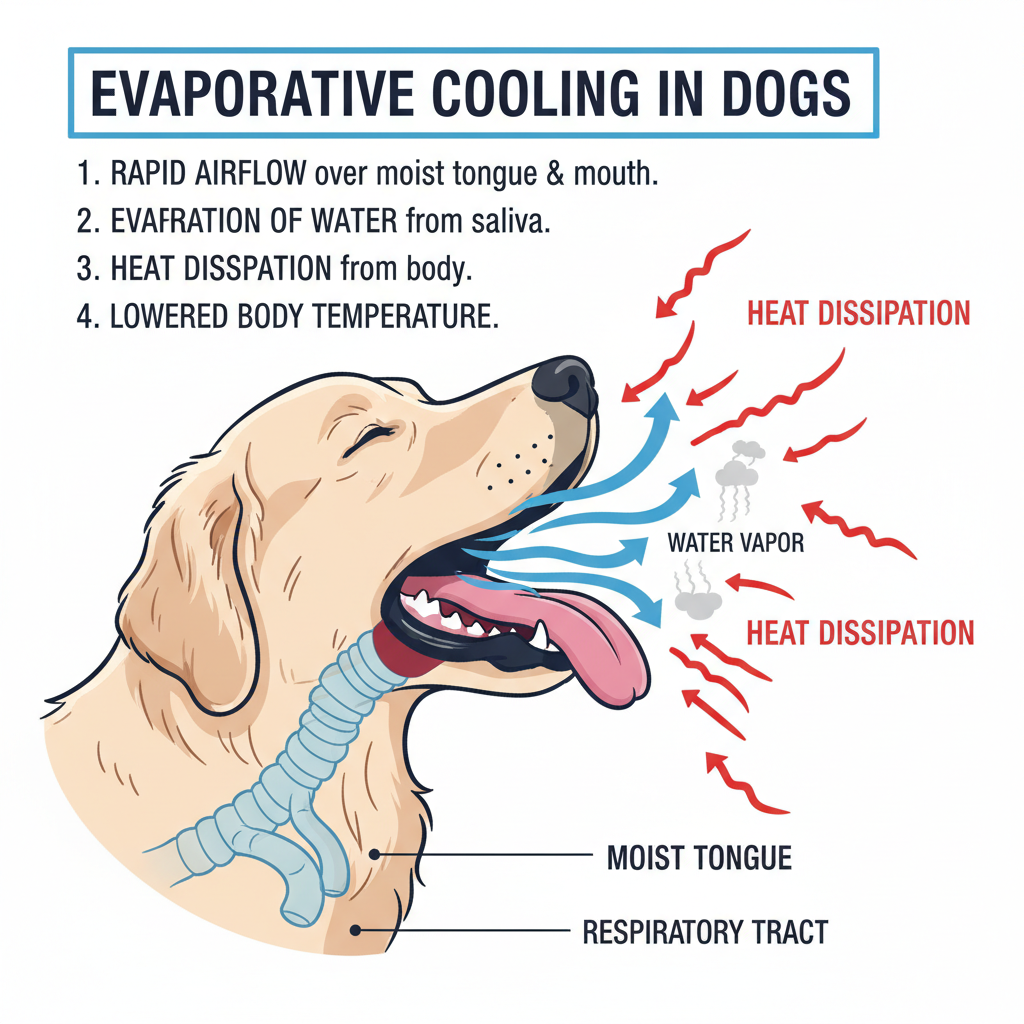
Panting stands as a dog’s primary and most effective method for regulating body temperature and cooling down. Unlike humans, whose skin is replete with sweat glands to release heat, dogs primarily rely on a process called evaporative cooling. This involves rapidly evaporating moisture from their tongue, mouth, and upper respiratory tract, which efficiently dissipates excess body heat.
How Does Normal Panting Work?
When a dog engages in normal panting, they take rapid, shallow breaths. This increased airflow across the moist surfaces of their tongue and oral cavity facilitates the evaporation of water. The resulting evaporative cooling effect helps lower their core body temperature. The specific speed and depth of a dog’s panting can naturally fluctuate, depending on their recent physical activity and the surrounding environmental temperature.
When Is Normal Panting Expected?
You can anticipate your dog to exhibit normal panting behavior in several common scenarios:
- Following Physical Exertion: Much like humans perspire after a strenuous workout, dogs naturally pant after engaging in vigorous activities such as running, playing fetch, or any form of intense physical exercise. This is their body’s efficient way of releasing accumulated heat and returning to a comfortable temperature.
- During Warm Weather Conditions: As ambient temperatures rise, dogs will instinctively pant more frequently to actively counteract the risk of overheating. This physiological response is particularly pronounced in breeds with dense coats or those with brachycephalic (short-nosed) anatomies, like Pugs and Bulldogs, who are inherently more vulnerable to heat stress.
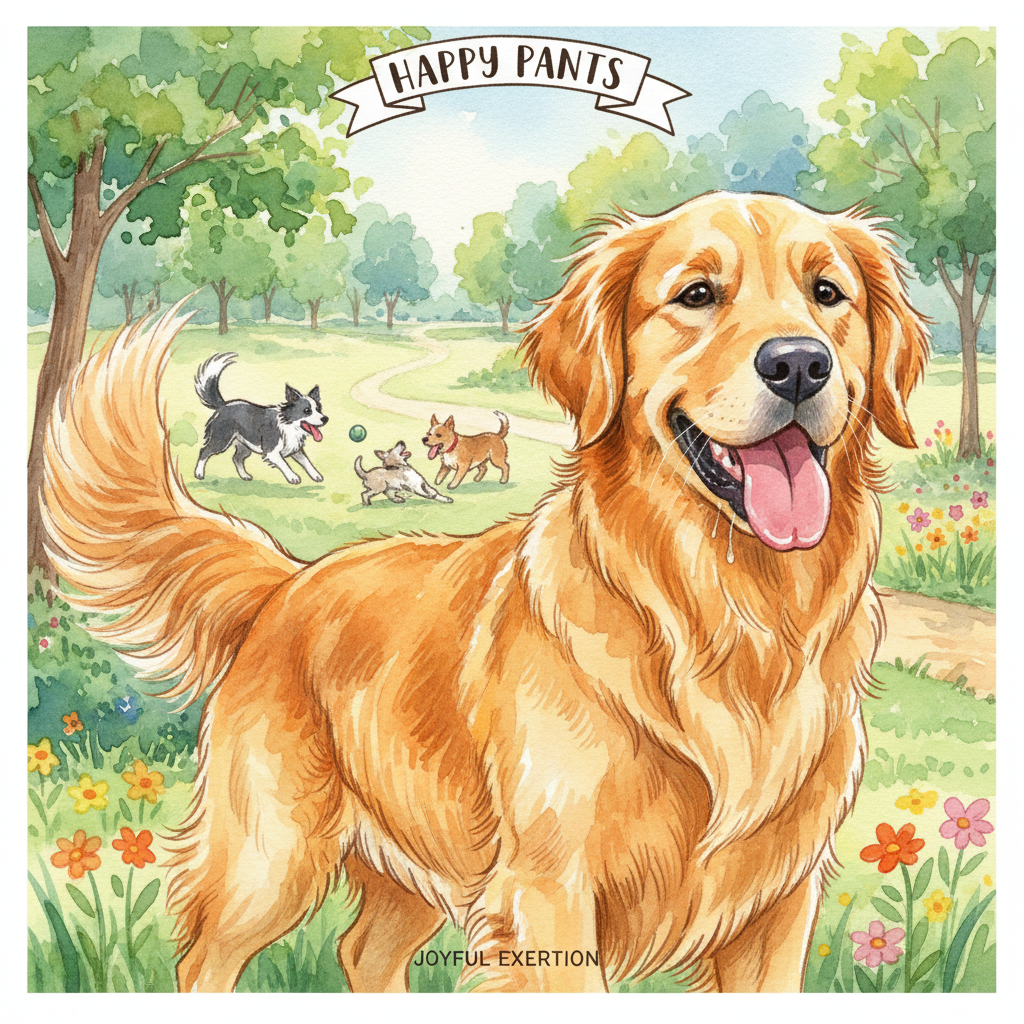
- Expressions of Excitement or Joy: For many dogs, panting can be a delightful manifestation of excitement or sheer happiness. This is often observed when you return home, during anticipated playtime, or just before an invigorating walk. This joyful panting is typically accompanied by other unmistakable signs of contentment, such as a rapidly wagging tail and an alert, engaged demeanor.
- In Moments of Mild Stress or Anxiety: A dog might exhibit light, transient panting in situations that induce minor stress, such as a visit to the veterinary clinic or during the commotion of fireworks. This form of panting is usually paired with other subtle indicators of canine stress, including repetitive yawning, lip-licking, or a flattening of the ears against the head.
Recognizing When Panting Signals a Problem in Your Dog
While the majority of dog panting is perfectly normal, specific types of panting, especially when accompanied by other concerning symptoms, can be a critical indicator of an underlying health issue. It is absolutely vital for pet parents to recognize these concerning signs, as prompt identification ensures your dog receives timely and appropriate veterinary attention.
Critical Signs of Problematic Panting
- Excessive or Unrelenting Panting: If your dog is panting heavily and continuously without any clear environmental trigger (such as recent exercise or unusually warm conditions), or if the panting simply doesn’t subside, it should be considered a significant red flag.
- Panting Accompanied by Other Symptoms:
- Loud, Strained, or Labored Breathing: Any panting that sounds unusually loud, appears strained, or suggests your dog is genuinely struggling to breathe requires immediate attention.
- Restlessness and Pacing: Dogs experiencing significant pain or severe distress might pant persistently while also pacing restlessly, unable to find a comfortable position.
- Excessive Drooling: When heavy drooling is combined with intense panting, it can point to nausea, significant pain, or even an obstruction lodged in their mouth or throat.
- Collapse or Pronounced Weakness: Should your dog collapse or appear severely weak while panting, this constitutes a critical emergency demanding immediate veterinary intervention.
- Pale or Bluish Gums: This is an alarming and urgent sign of oxygen deprivation (cyanosis), necessitating emergency care without delay.
- Vomiting and Diarrhea: These gastrointestinal symptoms, particularly when paired with excessive panting, can strongly suggest serious conditions such as heatstroke, severe pain, or toxic ingestion.
- Shaking or Trembling: Panting accompanied by shaking or trembling can indicate pain, intense fear, or heightened anxiety.
- Loss of Appetite: If your dog is panting more than usual and concurrently refusing to eat, it could signal an illness that requires professional evaluation.
Deeper Understanding: Causes of Abnormal Panting
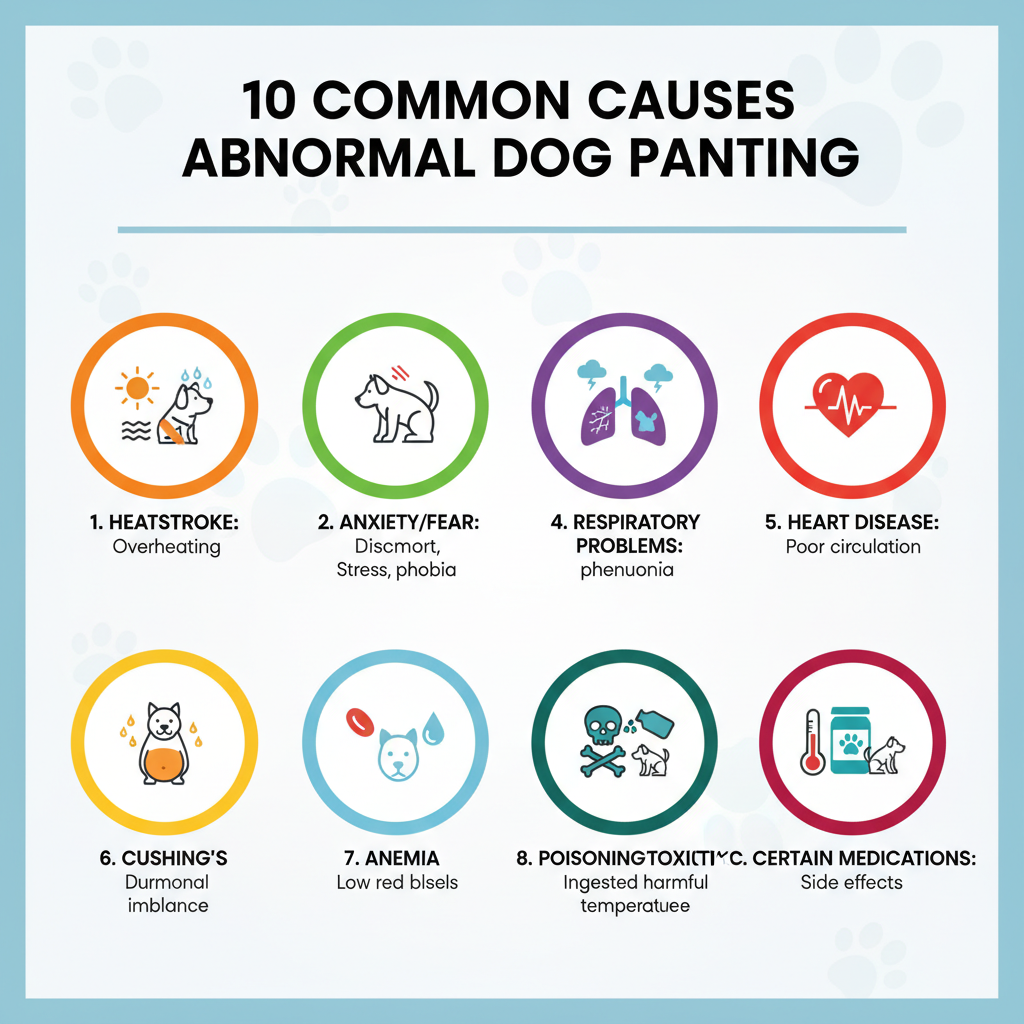
Abnormal panting can be a symptom stemming from a diverse range of health concerns, each requiring careful attention:
- Heatstroke: This is a life-threatening medical emergency. When a dog’s core body temperature escalates too high, their natural panting mechanism becomes ineffective. They can rapidly overheat, presenting with symptoms like extreme panting, vivid red gums, profuse drooling, vomiting, diarrhea, profound weakness, and eventual collapse.
- Pain: Dogs are remarkably stoic animals, often adept at concealing discomfort. However, an increase in panting can be a subtle yet significant indicator of pain. If your dog is panting more than usual and appears uncomfortable, restless, or reluctant to move, they may be experiencing pain from an injury, arthritis, or an internal medical issue.
- Anxiety or Fear: Severe anxiety or phobias (such as intense fear of thunderstorms, fireworks, or separation anxiety) can provoke intense panting. This is frequently accompanied by trembling, attempts to hide, whining, or destructive behaviors.
- Respiratory Problems: Various conditions affecting the lungs, trachea, or airways can impede normal breathing, leading to increased panting. Examples include canine asthma, bronchitis, pneumonia, laryngeal paralysis, or brachycephalic airway syndrome in short-nosed breeds.
- Heart Disease: A compromised heart may struggle to efficiently pump sufficient oxygenated blood throughout the body. To compensate, the lungs work harder to increase oxygen intake, often resulting in excessive panting, particularly after minimal exertion or even at rest.
- Cushing’s Disease (Hyperadrenocorticism): This endocrine disorder involves the adrenal glands producing excessive cortisol. Common symptoms include increased thirst and urination, hair loss, a distended (pot-bellied) appearance, and persistent, excessive panting.
- Anemia: A reduced red blood cell count diminishes the blood’s capacity to transport oxygen effectively. In response, dogs may pant more to compensate and increase oxygen absorption.
- Poisoning or Toxicity: The ingestion of certain harmful substances can trigger a spectrum of symptoms, including excessive panting, often coupled with vomiting, tremors, or disorientation.
- Fever: Although less common than other causes, an elevated body temperature (fever) can cause dogs to pant as they instinctively attempt to regulate their internal temperature.
- Certain Medications: Some pharmaceutical agents, particularly corticosteroids like prednisone, can induce side effects such as increased thirst, more frequent urination, and noticeable panting.
When Should I Seek Veterinary Care for My Dog’s Panting?
If you observe any of the “problematic panting” signs detailed above, or if your dog’s panting appears excessive, unrelenting, or is coupled with other concerning symptoms, it is imperative to contact your veterinarian immediately. Do not delay in seeking professional medical advice, especially if you suspect conditions like heatstroke or severe pain. Timely intervention can dramatically alter the outcome and prove critical for your dog’s health and recovery.
Preparing to Speak with Your Vet
When you reach out to or visit your veterinary professional, being prepared with comprehensive information can significantly aid in diagnosis and treatment. Be ready to discuss the following details:
- When did the abnormal panting first begin?
- Is the panting constant, or does it occur intermittently?
- What was your dog doing immediately before the onset of the panting?
- Are there any other concurrent symptoms (e.g., vomiting, lethargy, limping, coughing)?
- Has your dog been exposed to unusually high temperatures recently?
- Is there any possibility your dog might have ingested something unusual or toxic?
- Is your dog currently on any prescribed medications or supplements?
- How would you describe your dog’s typical or normal panting behavior?
By keenly understanding your dog’s usual panting patterns and remaining vigilant for any significant changes, you empower yourself to identify potential health issues at their earliest stages. This proactive approach ensures your cherished canine companion receives prompt, appropriate care, fostering their continued health and happiness.