Why Do Dogs Stare at You While Pooping?
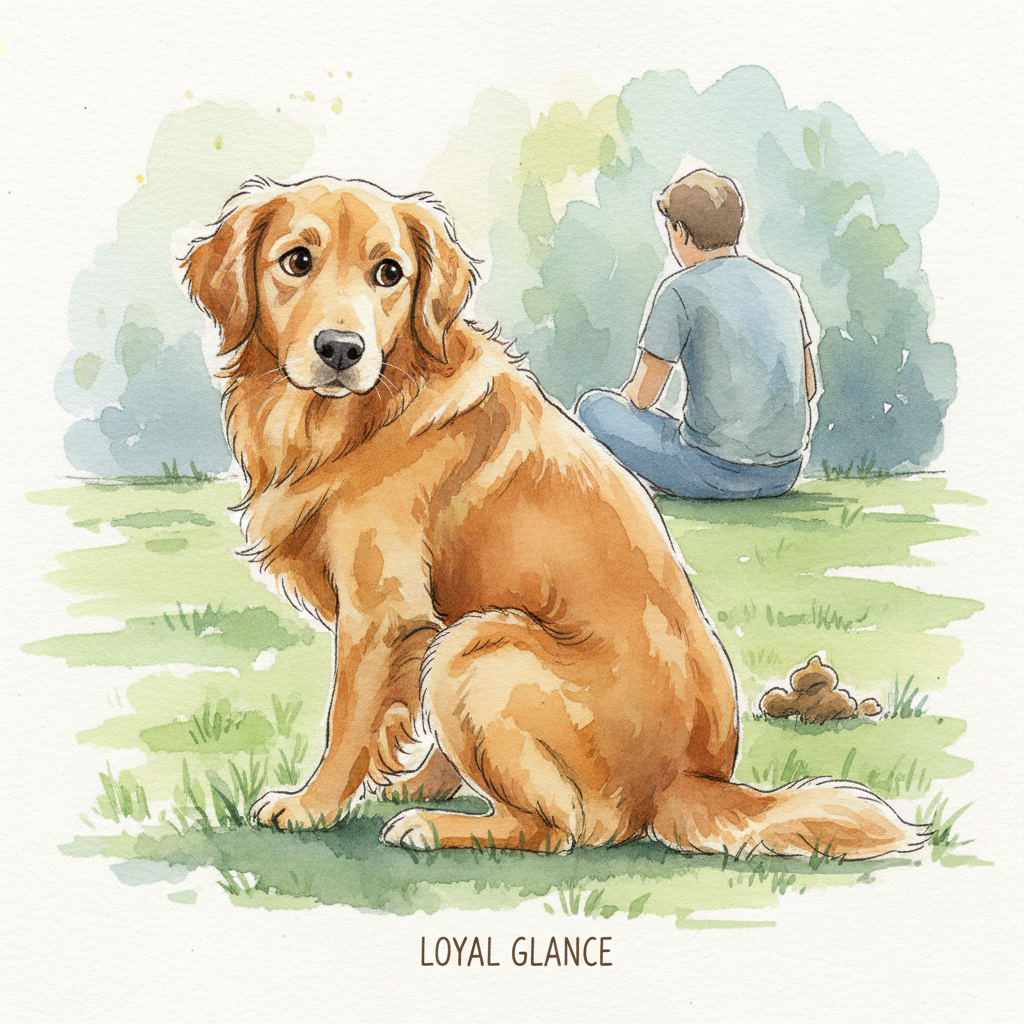
It’s a familiar scene for many pet parents: your dog is attending to their natural business, then suddenly lifts their head, meeting your eyes with an expression that seems full of meaning. Are they seeking privacy, or perhaps just confirming your comforting presence nearby?
For many, including experienced **veterinary professionals**, this particular canine quirk remains a fascinating mystery. As one veterinary expert observed, “Dogs are truly unique creatures—endlessly amazing, yet wonderfully enigmatic in their ways.”
While a definitive, singular answer eludes us, our expert team at Petscarelab, alongside leading industry research, has explored several compelling theories regarding why **dogs look at you when pooping**.
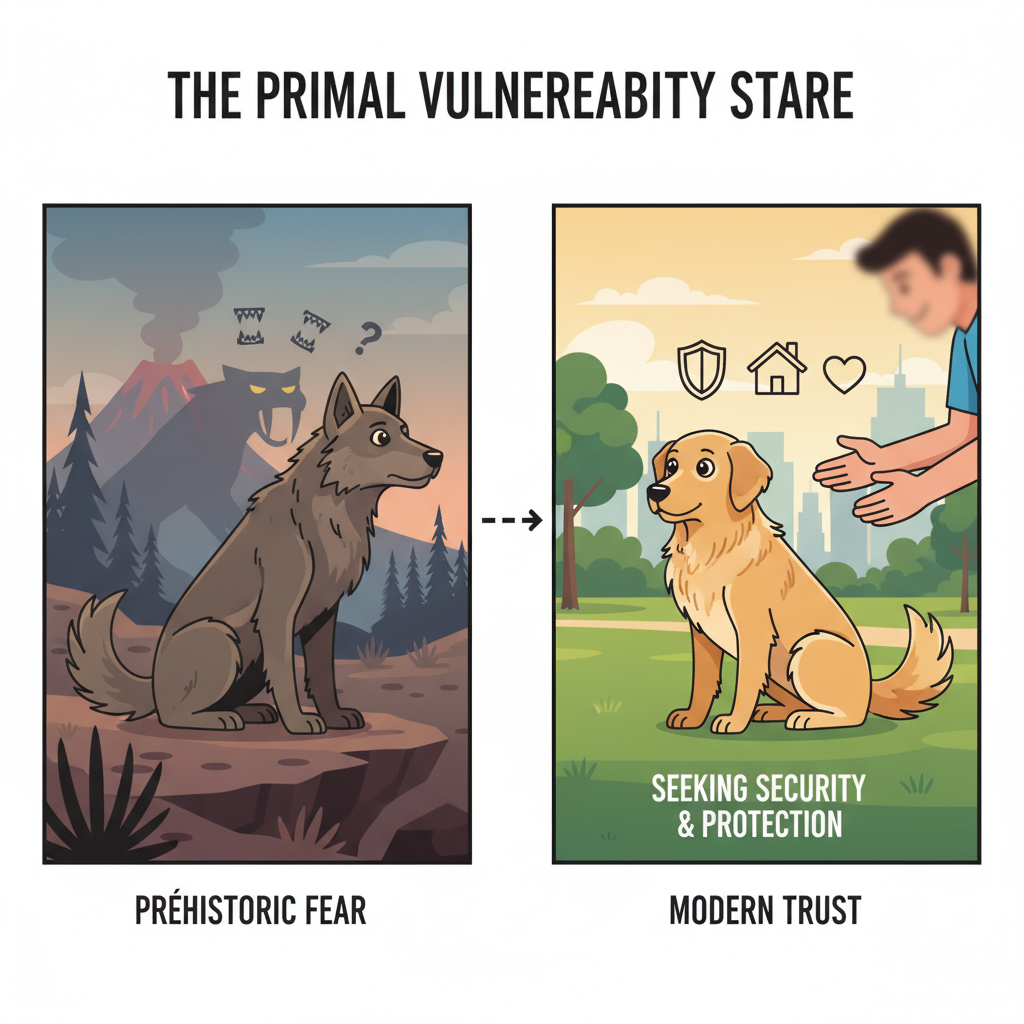
Theory 1: They Feel Vulnerable
The act of elimination, for both humans and dogs, is inherently a moment of vulnerability. In their ancestral wild environments, this was precisely when canids were most exposed and susceptible to potential predators.
“A highly plausible theory suggests that your dog’s gaze is a subtle request for a sense of **safety and security**,” explains a veterinary professional specializing in animal behavior.
This expert highlights that when your dog fixes their eyes on you, they may be seeking reassurance, silently asking you to “have their back” during this defenseless moment. It’s a primal instinct, repurposed for the security of their human pack.
Theory 2: They’re Looking for Approval
Another compelling theory suggests that when **dogs look at you when pooping**, they might be subtly seeking praise or a reward. Even if years have passed since their puppy potty training days, when positive reinforcement like treats or verbal affirmations cemented the desired behavior (eliminating in the correct spot), that ingrained association runs deep.
As one animal behavior specialist aptly puts it, “The foundation of **positive reinforcement** during potty training establishes a powerful reward center that can resonate throughout a dog’s life.” Your dog might, unconsciously, be seeking that familiar acknowledgement.
Theory 3: It’s Just Business
A different perspective, often shared by certified dog behaviorists and canine communication specialists, reminds us that while canine bathroom habits might appear peculiar to human observers, they are fundamentally physiological processes, not personal statements.
“Elimination is not a moral choice; it’s a natural bodily function,” advises one experienced behaviorist. Therefore, while the possibility of your dog looking to you for a reward exists, their “stare” might be far less intentional than we imagine.
“Often, you’re simply within their line of sight,” the behaviorist clarifies. “Dogs do not experience **shame or embarrassment** in the way humans do—that’s a distinctly human projection.”
We have a natural tendency to attribute human emotions and intentions to our pets, a phenomenon known as anthropomorphism. So, while it might feel like your dog is intensely “staring” at you, akin to human eye contact, your furry friend is more likely just surveying their surroundings as part of their natural behavior, and you happen to be in their field of vision. No profound message is typically intended.
Should You Return the Gaze When Your Dog Poops?
Regardless of whether your canine companion is seeking attention, backup, or simply observing their environment during their private time, there will inevitably be moments when you and your dog lock eyes during these outdoor necessities. The question then arises: what’s the appropriate “poop protocol”? Should you avert your gaze, blink, or perhaps offer an encouraging word?
Jokes aside, the best approach often depends on the individual circumstances and your comfort level.
If you find it comfortable, maintaining **eye contact** with your dog during their bathroom break typically poses no harm. In fact, it might even provide the sense of reassurance your dog could be subtly seeking (if, indeed, they are seeking it at all).
However, if you feel a sense of awkwardness, it’s perfectly acceptable to look away. According to experts in canine behavior, repositioning yourself during these breaks can sometimes reduce the likelihood of a direct stare-down. “If you position yourself behind them, they might be less inclined to look back,” a behavior specialist notes, “whereas standing directly beside them could invite a glance.”
Ultimately, remember that your dog might simply be looking for a subtle signal from you that all is well. If you prefer to give them a greater sense of privacy, you can always offer gentle words of praise and encouragement once they’ve successfully completed their business.
Monitoring Your Dog’s Bathroom Habits
While understanding why **dogs look at you when pooping** and deciding whether to meet their gaze is interesting, veterinary experts at Petscarelab emphasize the crucial importance of closely observing your pup’s bathroom habits. Proactive monitoring significantly increases the chances of noticing any signs of discomfort—such as straining, scooting, or other unusual behaviors—which could signal it’s time for a professional veterinary consultation.
Regularly observing your dog’s elimination breaks also provides an invaluable opportunity to check the consistency and color of their stool. These visual cues are powerful, early indicators of your pet’s general health and overall well-being.
“Your dog’s feces offer profound insights into their **health status**,” states a veterinary professional. “Familiarizing yourself with what is normal for your individual pet is absolutely critical for recognizing when something might be amiss.”

For instance, if your pet typically defecates once or twice a day but suddenly starts going much more frequently, it could indicate an upset stomach. Our experts advise looking for “healthy” dog stools that are “well-formed but not excessively hard or dry.” If your pet’s stools are consistently dry or hard, and they are visibly straining or taking an unusually long time to pass them, this could point to constipation or even dehydration.
Conversely, soft stools or diarrhea also warrant attention and could indicate a range of issues, including intestinal parasites, infections, dietary changes, or underlying illness. While temporary solutions like adding canned pumpkin or starting probiotics might offer some relief, it’s imperative to contact your veterinarian if soft stools persist for more than a couple of days.
The next time you find your dog engaging you with their gaze during their outdoor duties, you can feel reassured that a reciprocal glance is perfectly natural.
It might simply be your furry friend surveying their surroundings, but it also serves as a valuable reminder for you, the conscientious pet owner, to keep a vigilant eye on your companion’s health and ensure everything is progressing smoothly.