Dog Vaccinations: A Cornerstone of Responsible Pet Ownership
Dog vaccinations are a cornerstone of responsible pet ownership, absolutely critical to ensuring your cherished four-legged friend enjoys a lifetime of robust health, from their playful puppy days into their wise senior years. Crafting an effective dog vaccine schedule is the safest and most cost-effective strategy to shield your canine companion from a multitude of infectious, yet entirely preventable, diseases.
The scientific understanding underpinning canine vaccinations has advanced remarkably over the last decade. These developments have significantly enhanced both the safety and the efficacy of vaccines against a spectrum of existing and emerging pathogens. At Petscarelab, we understand the profound importance of vaccinating your dog, a decision that safeguards not only their well-being but also contributes to the health of the wider pet community.
What Are the Common Dog Vaccinations?
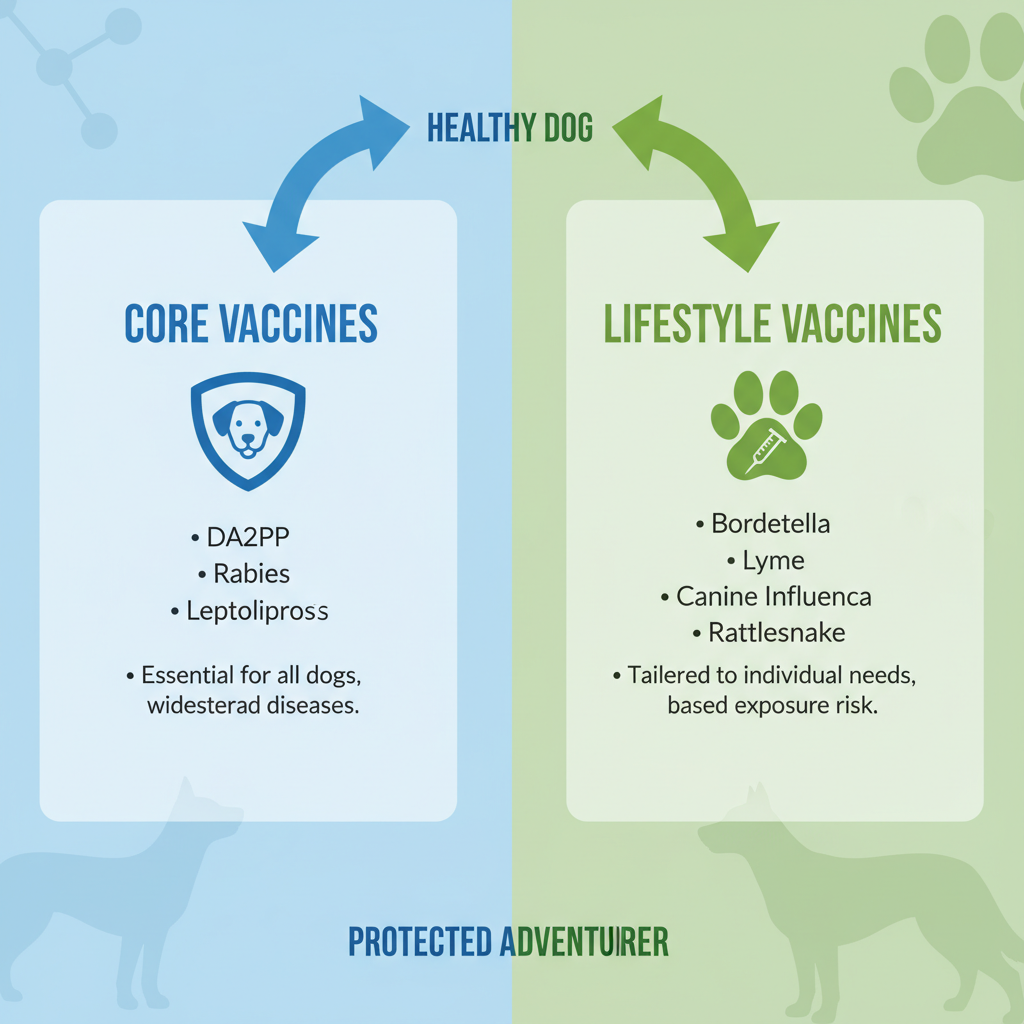
Dog vaccinations are generally categorized into two essential groups: core vaccines, which are fundamental for all dogs, and lifestyle vaccines, which are tailored to individual needs.
Core Vaccines
Core vaccines are deemed essential for all dogs and puppies, irrespective of their lifestyle or geographic location. These foundational dog vaccines provide protection against widespread and potentially severe diseases:
- Canine Distemper/Adenovirus-2 (Hepatitis)/Parvovirus/Parainfluenza (DA2PP, DHPP, or DAPP): Often administered as a single, comprehensive injection, this vaccine offers vital protection against several serious viral threats.
- Rabies Virus Vaccine: A legally mandated vaccine in many regions due to its fatal nature and zoonotic potential (transmissible to humans).
- Leptospira (Leptospirosis) Vaccine: This can be given separately or in combination with the DA2PP/DAPP vaccine (known as DHLPP), safeguarding against a severe bacterial infection.
Lifestyle Vaccines
Lifestyle vaccines are considered optional and are recommended based on a thorough assessment of your pet’s specific environment, activities, and where you reside. While not universally required, several lifestyle vaccines protect against highly contagious or potentially life-threatening diseases that are prevalent in certain circumstances.
To determine the most appropriate lifestyle vaccines for your beloved dog, your trusted veterinarian at Petscarelab will carefully consider a variety of factors, including:
- Geographic location: Assessing the risk of specific diseases prevalent in your area.
- Socialization habits: Whether your pet frequently attends doggy daycare, visits dog parks, or utilizes boarding or grooming facilities where exposure to other dogs is high.
- Activity level and environment: Including regular travel, hiking adventures, or exposure to wilderness areas.
- Overall health status: A comprehensive evaluation of your pet’s general well-being.
Common lifestyle vaccines include:
- Bordetella bronchiseptica (Kennel Cough) Vaccine: Essential for social dogs.
- Borrelia burgdorferi (Lyme) Vaccine: Recommended for dogs in tick-prone regions.
- H3N2/H3N8 (Canine Influenza) Vaccines: Important for dogs with frequent exposure to other canines.
- Crotalux atrox (Rattlesnake) Vaccine: A specialized vaccine for dogs living in or traveling to areas with rattlesnakes.
Your Dog Vaccine Schedule: Puppyhood Essentials
A critical component of raising a healthy puppy is adhering to a comprehensive dog vaccine schedule. So, when exactly do puppies need their crucial shots?
For puppy vaccines to establish robust and lasting protection, they are typically administered in a series every two to four weeks until your puppy reaches at least 16 weeks of age. In some specific cases, such as certain breeds or puppies residing in high-risk areas, your veterinarian may recommend the final vaccines be given around 18–20 weeks old to ensure maximum immunity.
Here’s an illustrative example of what a typical puppy shot schedule might entail:
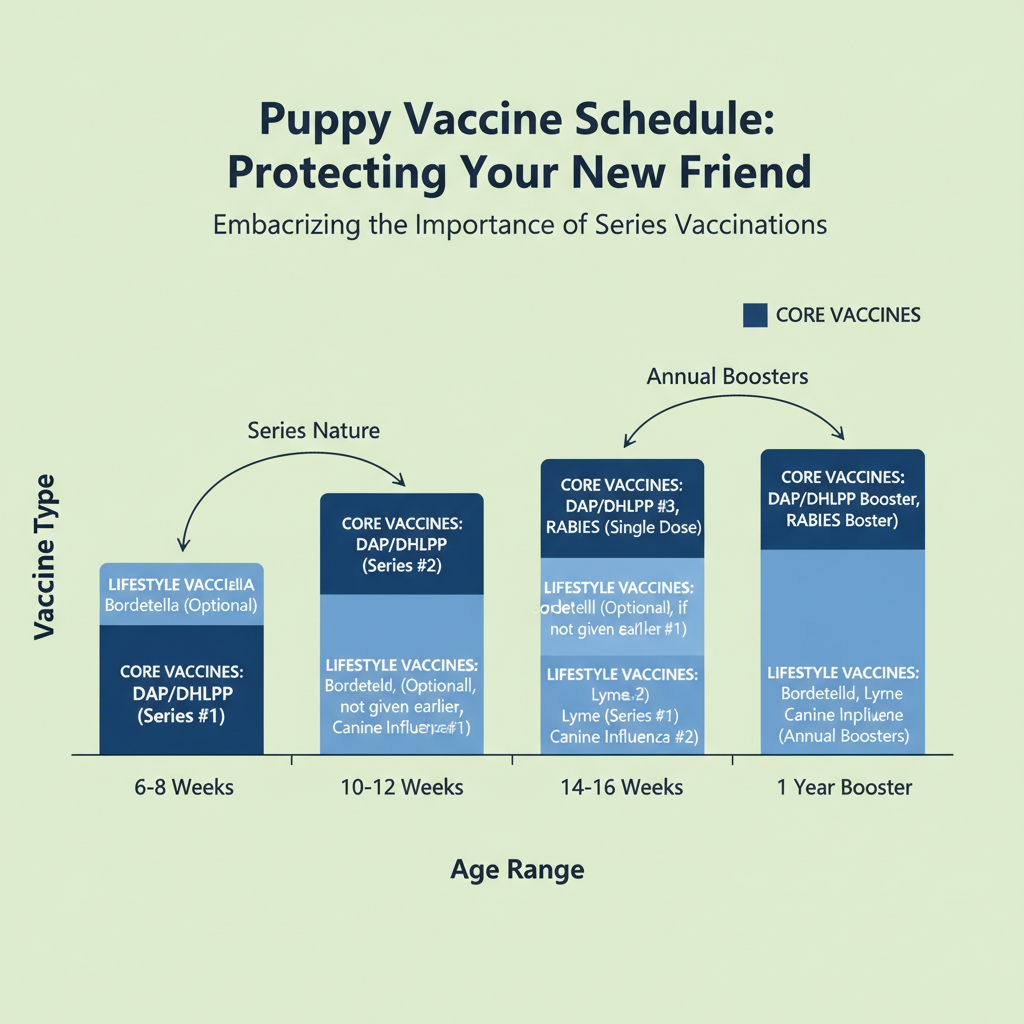
| Age | Core Vaccines | Lifestyle Vaccines |
|---|---|---|
| 6–8 weeks | DAP* | Bordetella Parainfluenza (often included in DA2PP combo vaccine) |
| 10–12 weeks | DHLPP | Lyme Canine influenza |
| 14–16 weeks | DHLPP (veterinarians often prefer giving the final DHLPP vaccine at 16 weeks or later) Rabies vaccine (may be given earlier if legally mandated) |
Lyme Canine influenza |
*DAP refers to Distemper, Adenovirus/Hepatitis, Parvovirus. It is sometimes also known as DHP or DHPP if parainfluenza is included, or DHLPP when Leptospirosis is incorporated.
Ultimately, open communication with your veterinarian is paramount. They will help you identify and tailor the most appropriate dog vaccine schedule for your specific puppy, considering their unique needs and local risks.
If you are eager to safely socialize your puppy while their vaccine schedule is underway, consider innovative solutions like a dog stroller or a dog backpack carrier. These tools allow your puppy to experience the world without direct ground contact, minimizing exposure risks.
Understanding Your Adult Dog Vaccine Schedule
As your beloved companion matures, their dog vaccine schedule evolves. Adult dogs require ongoing core vaccines, alongside any lifestyle vaccines that you and your veterinarian deem necessary based on their evolving lifestyle and exposure risks. A typical adult dog vaccination schedule might look like this:
| Frequency | Core Vaccines | Lifestyle Vaccines |
|---|---|---|
| Annual vaccines for dogs | Rabies (initial vaccine) Leptospirosis |
Lyme Canine influenza Bordetella (sometimes given every six months) |
| Dog vaccinations given every three years | DAP Rabies (after initial vaccine, typically given every three years) |
No three-year lifestyle vaccines are currently available |
It’s important to remember that the duration of a vaccine’s efficacy can vary. Your veterinarian, drawing on their expertise, will determine the precise frequency for your pet’s vaccinations.
Should your dog be overdue for their vaccinations, or if they are receiving vaccines for the very first time, your veterinarian at Petscarelab may recommend a booster vaccine series or a specific annual schedule to ensure your cherished companion achieves full and robust protection.
What Diseases Do Dog Vaccines Prevent?
Diligently maintaining your dog vaccine schedule is the single most effective way to protect your cherished pup from a myriad of debilitating and potentially fatal illnesses, including:
Rabies
Rabies is a terrifying viral disease that leads to severe neurological dysfunction and is invariably fatal for domestic pets, wildlife, and tragically, people. It is most commonly transmitted through the bite of an infected animal.
Should your dog contract rabies, it poses a direct and grave threat of transmission to you or other humans through bite wounds.
The rabies vaccine for dogs is legally mandated across the U.S., a testament to its critical public health importance. Despite robust vaccination programs, cases of rabies are still reported annually, underscoring the ongoing threat.
Given the absolute fatality and zoonotic nature (its ability to spread from animals to people) of rabies, neglecting your pet’s rabies vaccination status carries significant legal consequences. Therefore, keeping your pet consistently up to date is not merely a recommendation but a vital imperative.
Consulting with your veterinarian is essential to establish the most appropriate and protective dog vaccine schedule for your specific pet’s needs.
If an unvaccinated dog, or one significantly overdue for their rabies vaccine, is exposed to a potentially rabid animal or accidentally bites someone, the ramifications can be severe.
These may include serious health concerns, a mandatory quarantine period for your pet, or in tragic circumstances, humane euthanasia.
Distemper/Adenovirus (Hepatitis)/Parvovirus (DAP)
The DAP vaccine is a cornerstone of protection, shielding against a formidable combination of diseases that can spread with alarming speed among dogs, leading to severe illness and potentially death.
- Canine distemper is a devastating and highly contagious disease, particularly lethal in unvaccinated dogs. It can manifest with severe neurological signs, pneumonia, high fever, encephalitis (brain inflammation), and ultimately, death.
- Adenovirus 1, also known as infectious canine hepatitis, is a viral disease that causes upper respiratory tract infections, alongside fever, liver failure, kidney failure, and ocular (eye) disease.
- Parvovirus in dogs is notoriously contagious and can induce severe vomiting, relentless diarrhea, profound lethargy, life-threatening dehydration, and is often fatal in advanced cases.
Often, the lifestyle parainfluenza virus is also included in this combination vaccine, changing its name to DAPP or DHPP, further enhancing its protective scope.
Bordetella and Canine Parainfluenza
Bordetella bronchiseptica and canine parainfluenza virus are two primary culprits behind a highly contagious respiratory illness commonly known as “kennel cough,” or more formally, Canine Infectious Respiratory Disease Complex (CIRDC).
Diseases caused by these agents typically resolve on their own with supportive care, but they can occasionally escalate to more severe respiratory complications like pneumonia. Due to its extreme contagiousness, many boarding facilities and doggy daycare centers across the U.S. require your pet to be vaccinated against kennel cough.
The parainfluenza component may or may not be integrated into a combination vaccine with Bordetella or the DAP vaccine, depending on the specific vaccine formulation.
Canine Influenza
Canine influenza in the U.S. is primarily caused by two identified strains of the virus: H3N2 and H3N8. This highly contagious illness typically presents with a persistent cough, nasal discharge, and a low-grade fever in affected dogs.
Outbreaks of canine influenza in the U.S. garner significant attention, as influenza viruses possess the potential to mutate, giving rise to new strains that could potentially affect other species and even lead to fatalities.
Generally, canine influenza vaccines are strongly recommended for dogs that frequently interact with other canines, such as those attending daycare, boarding facilities, or grooming salons. Our expert team at Petscarelab encourages you to discuss with your veterinarian whether this canine vaccine is advisable for your pet.
Leptospirosis Disease
Leptospirosis is a serious bacterial disease capable of causing severe kidney or liver failure in both dogs and humans. It is primarily transmitted through the urine of infected animals and is found in diverse environments, from rural landscapes to bustling urban centers.
Once considered a lifestyle vaccine, the leptospirosis vaccine has now been elevated to a core dog vaccine due to its increasing prevalence and serious implications. Dogs can be exposed to this illness by simply licking or coming into contact with contaminated puddles or natural bodies of water where an infected animal has urinated.
Historically, the leptospirosis vaccine was mainly recommended for dogs in rural areas with active, outdoor lifestyles. However, alarming trends have shown leptospirosis occurring with increasing frequency in suburban and urban settings. For instance, the city of Boston experienced a notable outbreak in 2018, likely linked to the urine of infected city rats.
Crucially, leptospirosis can be transmitted to people, posing a significant public health risk. We urge you to discuss with your veterinarian whether they recommend this vital vaccine for your pet.
The vaccine provides protection against four of the most common serovars (types) of leptospirosis, and the initial dose requires a booster two to four weeks later, followed by annual vaccinations thereafter.
Lyme Disease
Lyme disease is a serious tick-borne illness caused by the Borrelia burgdorferi bacteria. In affected dogs, it can manifest with symptoms such as fever, lethargy, decreased appetite, a characteristic shifting leg lameness, and in severe, unaddressed cases, kidney failure.
Lyme disease is endemic in specific regions across the country, particularly the Northeast, northern Midwest, and Pacific coast. Consequently, the vaccine is highly recommended for dogs residing in these high-risk areas or for those who travel to places with high rates of the disease. We encourage you to consult with your veterinarian to determine if this vaccine is recommended for your dog’s lifestyle and location.
Similar to the leptospirosis vaccine, the Lyme vaccine is initially administered as two injections spaced three to four weeks apart, with subsequent annual booster vaccinations.
Which Dog Vaccines Does My Pet Need?
Engaging in an open and detailed discussion about your dog’s lifestyle, habits, and typical environments with your veterinarian is paramount. This collaborative approach allows them to provide the most appropriate and tailored recommendations regarding vaccines for your cherished dog, ensuring optimal protection.
How Much Do Dog and Puppy Vaccines Cost?
The cost of puppy and dog vaccines can vary depending on your geographic location and the veterinary clinic. Generally, the foundational DHLPP vaccine might range from $20–$60 per shot, while the legally required rabies vaccine typically falls within $20–$30. Other non-core or lifestyle vaccine prices can fluctuate but are usually less than $100 per injection.
Vaccines represent an absolutely essential component of comprehensive dog and puppy care, and it is crucial to budget thoughtfully for these vital preventive measures, especially when welcoming a new puppy into your home.
Puppies typically undergo a series of several different vaccines, often requiring boosters to build strong immunity. However, once they have completed their initial vaccination series, puppies transition to an adult vaccine schedule, which usually involves annual or even triennial vaccinations, depending on the specific vaccine.
Therefore, while the initial investment in getting a puppy fully vaccinated can be substantial, this financial obligation typically decreases as they reach adulthood, making long-term pet care more manageable.
To help mitigate the cost of essential vaccinations, many local animal shelters and humane societies proudly offer low-cost or even free vaccine clinics. Your veterinarian or the Petscarelab team may be able to help identify these valuable local options in your community.
Furthermore, exploring pet insurance can be an excellent strategy to help offset these costs. Many reputable insurance carriers offer comprehensive wellness or preventative care plans that are designed to cover some, or even all, of the expenses associated with core and non-core vaccines.
While initiating a puppy’s vaccine schedule represents a significant initial investment, this financial commitment typically lessens considerably as they transition into adulthood.
Can Pets Have Adverse Reactions to Vaccines?
Just like humans, dogs can, on rare occasions, experience adverse reactions to canine vaccinations, various medications, and even certain natural vitamins and supplements. While these incidents are uncommon, their possibility underscores a crucial point: it is vital to closely monitor your pet following their vaccine appointment.
It is fairly common for dog vaccines to elicit mild, temporary reactions. These may include minor discomfort or localized swelling at the injection site. Your dog might also develop a slight fever or exhibit decreased energy and appetite for approximately 24 hours. However, if any of these signs persist for longer than 24 hours, it is imperative to contact your veterinarian for guidance.
More serious side effects, such as a severe allergic reaction known as anaphylaxis, can occur within minutes to several hours post-vaccination. Should your pet display any of the following symptoms, seek immediate veterinary care without delay:
- Vomiting
- Diarrhea
- Noticeable swelling of the muzzle, around the face, or neck
- Persistent coughing
- Difficulty breathing or labored respiration
- Intense, generalized itchy skin
- Hives (red, raised welts on the skin)
These severe reactions are considerably less common but are potentially life-threatening emergencies. Prior to your veterinarian administering any animal vaccines, always alert them if your pet has experienced any adverse reactions in the past.
How many vaccines does a dog need?
The specific number of vaccines a dog needs is highly individualized. It depends on factors such as the dog’s age, their unique lifestyle, prevailing risk factors in their environment, and their geographic location. Conscientious pet parents should engage in a detailed discussion with their veterinarian to collaboratively create an individualized dog vaccine schedule that precisely meets their dog’s specific needs.
What happens if your dog is not vaccinated?
Unvaccinated dogs are highly susceptible to preventable diseases that can not only incur significant treatment costs but, in many cases, prove to be fatal. Furthermore, it’s crucial