If you’re a devoted pup parent, you’ve undoubtedly observed the fascinating array of dog sleeping positions your canine companion adopts—some of which might appear less than comfortable to our human eyes.
While a dog’s choice of slumber posture often reflects their momentary preference, as shared by veterinary experts, there are subtle yet significant “tidbits of information that can be gleaned from a sleeping position.” These unique poses offer a window into your furry friend’s inner world, revealing insights into their emotional state, comfort levels, and even their health.
So, what do your dog’s various sleeping positions truly signify?
Key Takeaways
- A dog’s sleeping position serves as a fascinating indicator of their comfort, overall health, and current emotional state.
- Pups who choose belly-up or side-sleeping postures generally convey deep relaxation, security, and trust in their surroundings.
- The donut and lion poses can signal a heightened state of alertness, underlying anxiety, or simply a natural instinct to conserve body warmth.
- Providing an appropriately designed bed that caters to your dog’s favored sleep position is crucial for supporting their comfort, joint health, and overall well-being.
The Side Sleeper
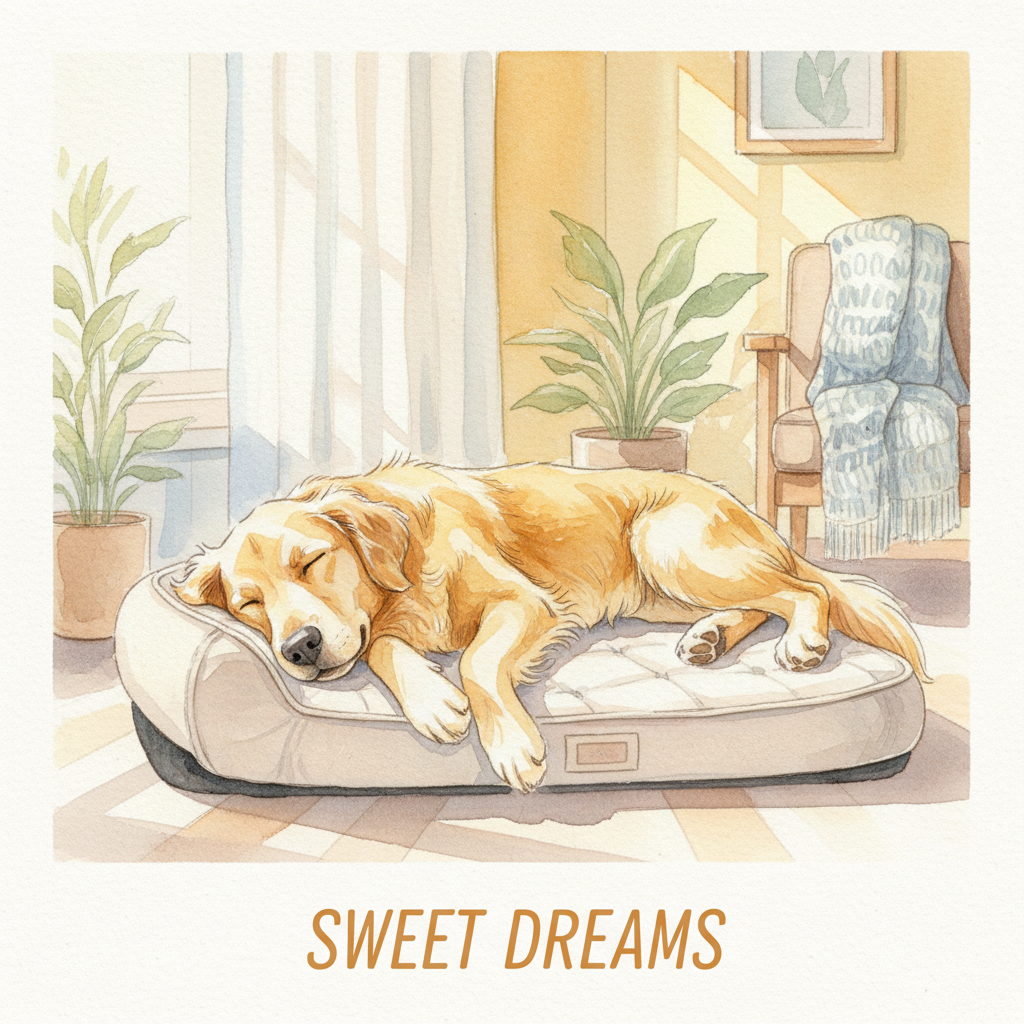
Much like humans, dogs frequently embrace the side-sleeper position, characterized by limbs extended and the belly partially exposed. This posture, where a dog’s vulnerable abdominal area is revealed, typically signifies a profound sense of calm and contentment, according to insights from veterinary professionals. Pups in this position are likely enjoying a deep, restorative sleep, often accompanied by the endearing sight of their paws twitching as they dream.
Canines who gravitate towards this relaxed slumber posture are often described as easygoing and adaptable, capable of settling down almost anywhere. However, they particularly appreciate a generously sized bed—such as a luxurious lounger with orthopedic support—that allows them to fully stretch out in comfort.
Environmental factors, such as temperature, can also influence a dog’s preference for this particular dog sleeping position. On warmer days, if you observe your pup sprawling on cool surfaces like tile, it’s a clear attempt to regulate their body temperature. In such instances, consider offering a specialized cooling mat to help them stay comfortable.
The Lion Pose
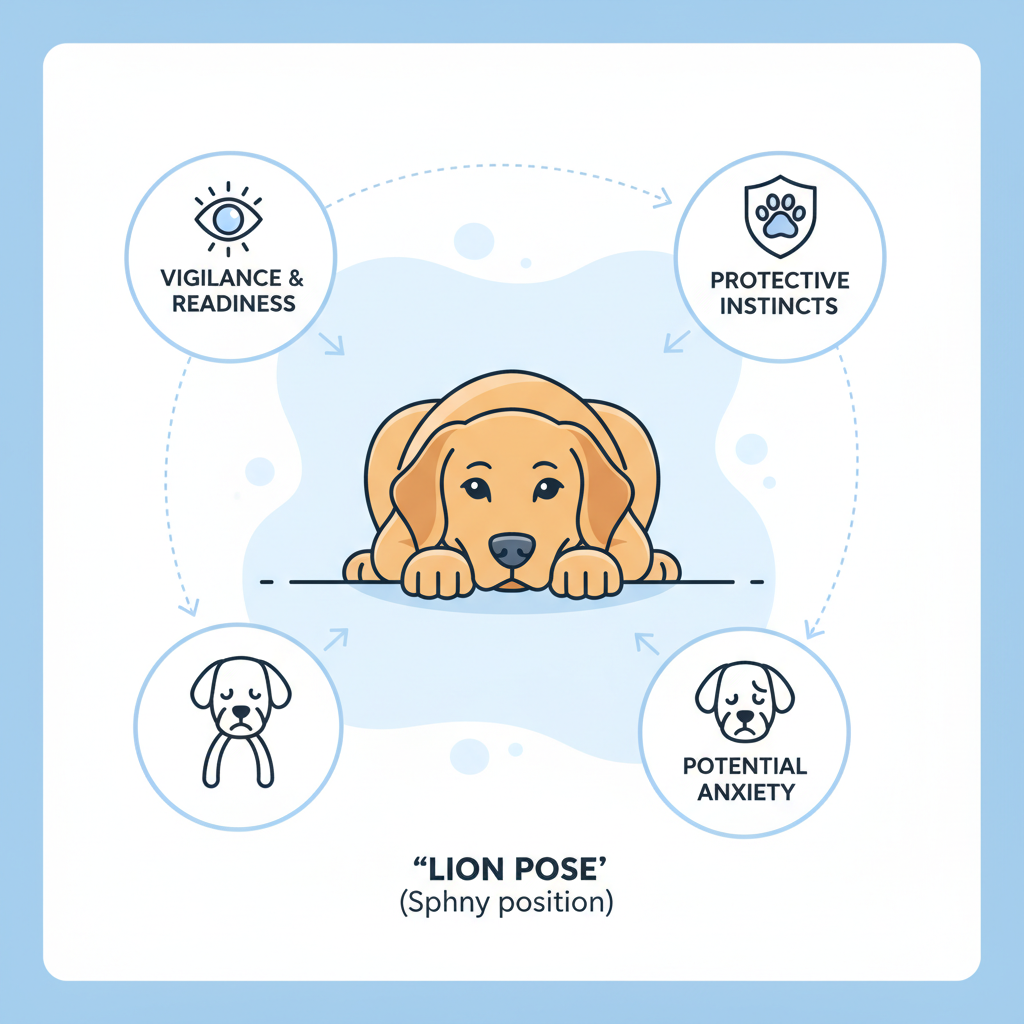
In the dignified lion pose, sometimes affectionately termed the sphinx, dogs who are just drifting off to sleep yet wish to remain somewhat vigilant will lie belly-down, with their head resting elegantly on their front paws. This posture allows for quick readiness should they need to spring into action.
Pups who frequently assume the lion pose are often perceived as alert, deeply loyal, and inherently caring towards their families. It’s not uncommon to witness your canine companion adopt this position at the foot of a newborn’s crib, symbolizing their protective instincts.
To ensure your vigilant pup remains comfortable, provide them with a supportive, quilted orthopedic pillow where they can comfortably rest their paws and head.
This specific dog sleeping position can also hint at underlying anxiety, indicating your pup is poised to react at a moment’s notice. When anxiety is a concern, a deeply comforting, calming donut bed can offer a sense of security and help your dog achieve a more serene state of rest.
The Superman
Certain breeds, such as French Bulldogs and Pugs, are frequently observed enjoying the endearing superman pose while asleep, as noted by our veterinary experts. In this amusing posture, pups lie stomach-down with their back legs stretched straight out behind them and front legs extended forward, resembling a superhero in flight. This position perfectly reflects their often-silly and energetic personalities.
These dogs are typically brimming with vitality, necessitating a robust bed that can withstand their playful antics and accommodate their active lifestyle, whether used indoors or outdoors. An elevated, steel-framed dog bed, for instance, offers durability and comfort for such spirited companions.
The Belly-Up
Affectionately nicknamed “the dying cockroach,” this pose is a particular favorite among elegant Greyhounds and many other beloved canines, according to veterinary professionals. You’ll find dogs in the belly-up position sleeping on their backs, with their bellies fully exposed and legs playfully suspended in the air. This posture is a clear sign of a deeply trusting, relaxed, and often very playful dog—or simply an uninhibited puppy.
You might ponder how such a seemingly awkward position could be comfortable or even safe for your pup. Our experts assure us that dogs instinctively choose positions that feel right to them. However, as dogs mature, they may transition to other postures, such as the side sleeper, as prolonged belly-up sleeping can potentially place undue pressure on the spine. For senior dogs, or those prone to spinal discomfort, a plush, orthopedic chaise-style bed can be an excellent choice. This type of bed often features bolstered sides for optional neck and head support and is crafted with orthopedic foam to alleviate pressure on the back, offering continued joint support as your pup ages and their preferred dog sleeping positions evolve.
The Donut
Curled tightly into a compact ball, dogs adopting the donut pose have their limbs tucked snugly close to their bodies, with their nose often touching their tail. These pups are frequently sweet and caring, yet they might exhibit a reserved demeanor around unfamiliar individuals or be in the process of adjusting to a new environment. This particular sleeping posture is also highly effective at trapping body heat, suggesting that a canine curled up in this manner might simply be feeling a bit chilly.
For dogs who favor the donut position, a heated bolster dog bed with adjustable temperature settings can be an ideal choice. The bolstered sides offer a comforting sense of security, and the integrated heating element ensures your dog remains at an optimal, cozy temperature.
Veterinary professionals advise that “a dog that feels unwell might also be curled up in a ball.” Therefore, if this particular dog sleeping position is uncharacteristic for your canine companion, it’s prudent to monitor them closely and consider scheduling a check-up with your veterinarian to rule out any underlying health concerns.
The Cuddle Bug
According to our veterinary team, there’s absolutely no harm in allowing your dog to share your bed—a preference often ardently pursued by the “cuddle bug” dog. However, if sharing your bed isn’t ideal, these affectionate pups will be equally delighted to curl up beside you on the couch or snuggle with another beloved pet.
These dogs tend to adore everyone they encounter, whether furry or human, and are often lovingly described as “Velcro dogs” due to their constant desire for close proximity.
While every dog should have a dedicated bed of their own, the cuddle bug dog might particularly enjoy a luxuriously soft, shag throw blanket. This versatile comfort item allows them to carry their sense of security and warmth wherever they desire to cuddle, and it’s often spacious enough for them to share with a furry friend.
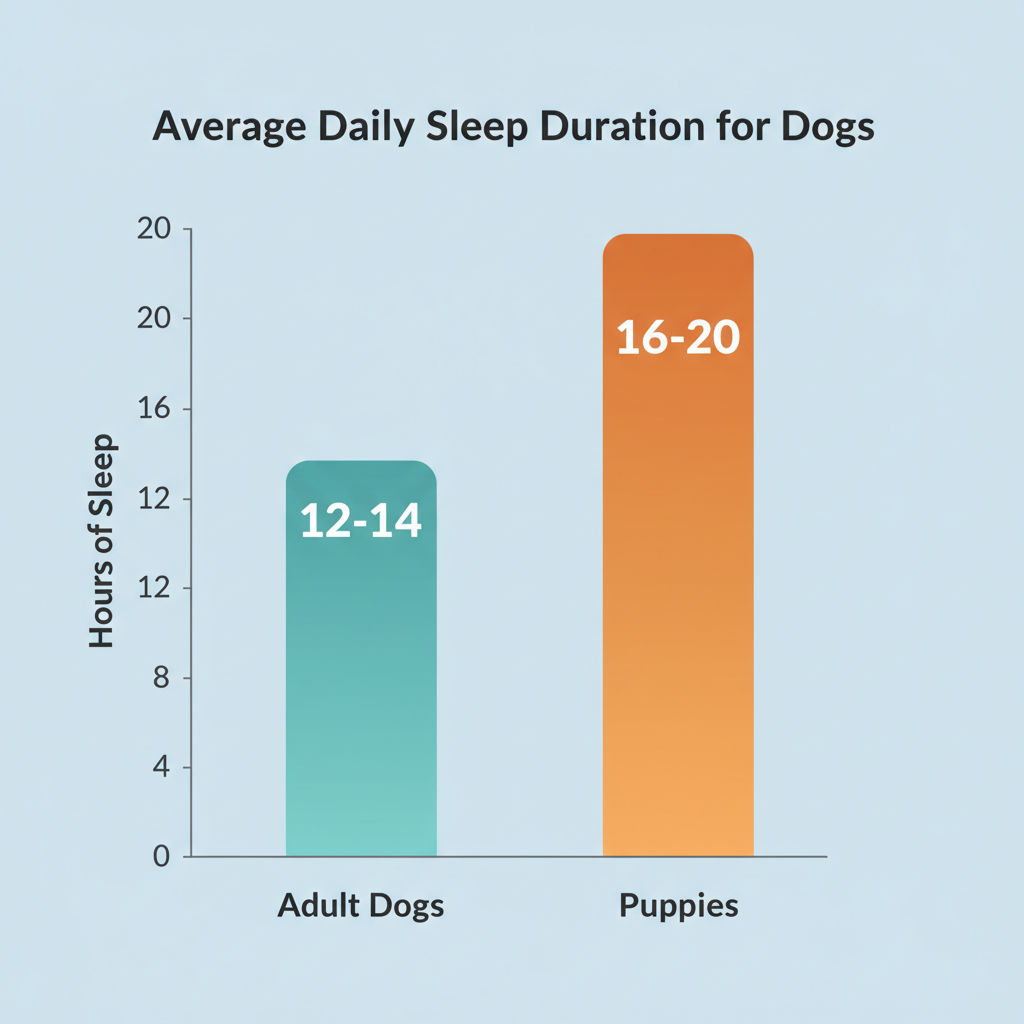
Dogs require a significant amount of sleep—puppies, in particular, can sleep between 16 to 20 hours per day, as highlighted by veterinary insights. Therefore, don’t be surprised to observe your pup enjoying a variety of these endearing and often amusing dog sleeping positions throughout any given day.