Dietary adjustments are an integral and often unavoidable aspect of a cherished canine companion’s life.
Whether the change is a natural progression, such as switching dog food from a specialized puppy formula to a balanced adult diet, or an unforeseen necessity due to an illness, a recall, or availability issues, knowing the correct approach is paramount.
At Petscarelab, we understand that properly transitioning your dog’s food can significantly ease the process, ensuring a smoother, more comfortable experience for both you and your beloved furry friend. Our expert guidance is designed to help you navigate these changes with confidence and care.
Key Takeaways for Switching Dog Food
- There are primarily two strategic methods for changing your dog’s diet: a thoughtful gradual transition or, in specific circumstances, a quick, immediate switch.
- A gradual dietary change is overwhelmingly recommended as the ideal method to help safeguard against digestive upset and maintain your dog's comfort.
- While a swift diet alteration may be imperative in urgent situations, it demands careful execution and heightened vigilance.
- Should your dog exhibit concerning symptoms such as persistent vomiting, diarrhea, or a refusal to eat for more than a day following a food transition, immediate consultation with your veterinarian is crucial.
Reasons for Thoughtful Dog Food Transitions
As a responsible pet parent, you may encounter various compelling reasons necessitating a change in your dog’s diet. To best prepare, our team at Petscarelab categorizes these scenarios into those demanding a swift change and those allowing for a more deliberate, gradual approach.
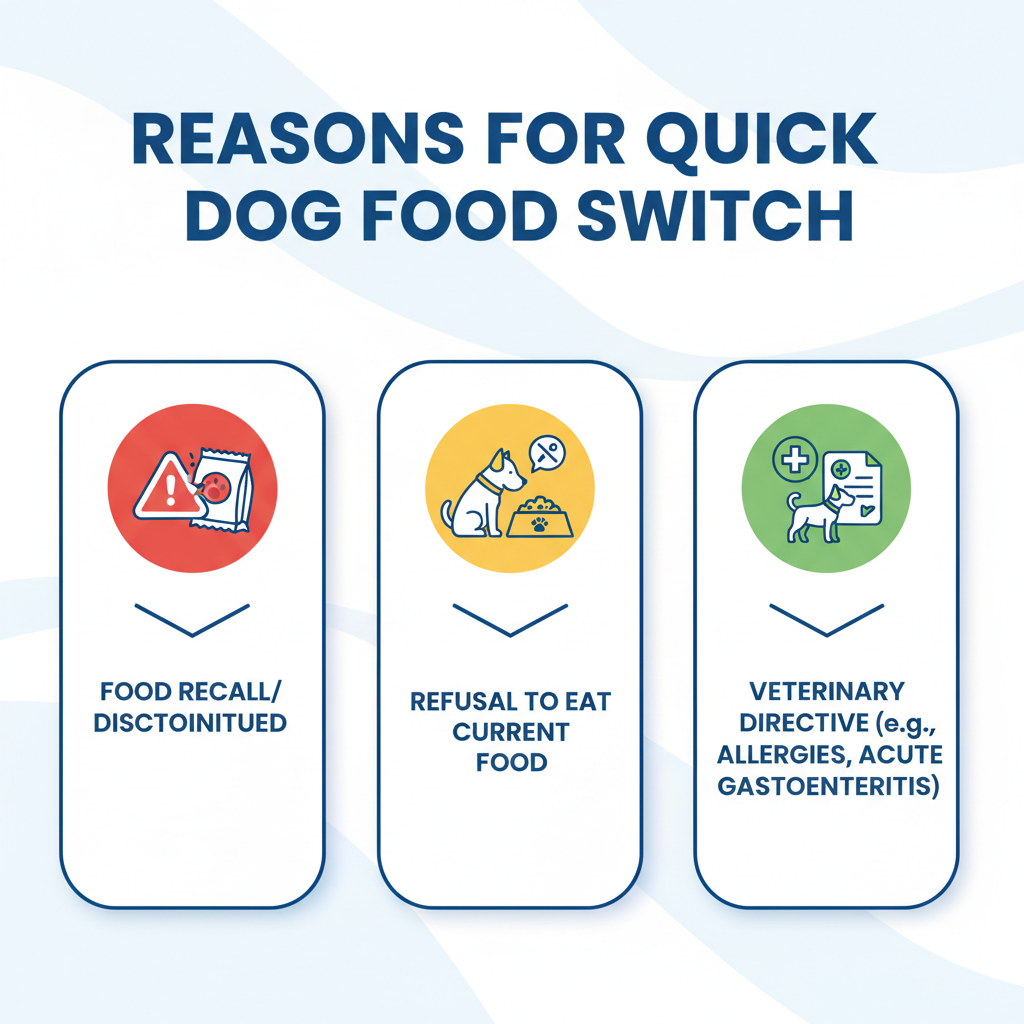
You may need to quickly switch your dog’s food if:
- Your dog's current food has been unfortunately recalled, permanently discontinued, or is simply unavailable through your usual channels.
- Your dog consistently refuses to eat their existing food, signaling a potential issue or strong aversion.
- Your trusted veterinary professional advises an immediate alteration to a new diet. This often arises when a dog develops food allergies, intolerances, or other adverse reactions, or if they are experiencing acute gastroenteritis or another urgent health issue requiring prompt dietary intervention.
You can, and ideally should, switch your dog’s food gradually if:
- You've made a considered decision to transition to a new food that aligns better with your household budget without compromising nutritional quality.
- You wish to explore a different format or composition of food, perhaps moving from dry kibble to wet food, introducing grains into a previously grain-free diet, or embarking on a rotational feeding strategy.
- It's the appropriate time to transition your dog to a life-stage-specific formula, such as graduating from puppy food to an adult blend, or later, to a senior diet.
- Your veterinarian has prescribed a new therapeutic diet and recommends a gradual introduction. This careful transition is particularly beneficial for dogs managing chronic conditions like obesity, canine cognitive dysfunction, or osteoarthritis, allowing their system to adjust gently.
What Are Rotational Diets for Dogs?
Some dedicated pet parents thoughtfully incorporate a practice known as rotational feeding, routinely switching dog food types as part of their pet's diet plan. The underlying philosophy for rotational feeding, championed by certain experts and pet enthusiasts, is rooted in the belief that relying on a single diet indefinitely carries inherent risks. By regularly cycling through several high-quality, nutritionally complete and balanced foods, the aim is to mitigate potential issues such as subtle nutrient deficiencies, excesses, or exposure to contaminants that might be present in any one specific formula.
Provided that all diets included in the rotation are meticulously selected for their nutritional completeness and balance, rotational feeding can offer potential benefits and is generally not harmful. However, this practice is not universally appropriate; it should be reconsidered if a dog consistently develops digestive upset from the frequent changes or if they require a very specific, consistent diet for managing a particular health condition.
At Petscarelab, we observe diverse approaches to rotational feeding. Some owners may purchase a few different varieties of kibble and cycle through one type per week or month. Others adopt more dramatic shifts, feeding kibble until a bag is empty, then transitioning to wet food for a period, perhaps even incorporating a few days of meticulously prepared home-cooked meals. Still others prioritize rotating based on protein and carbohydrate sources, offering a beef and barley formula for a month, followed by a chicken and rice option for the next.
Essential Steps for Switching Dog Food
While some dogs possess remarkably resilient digestive systems, seemingly capable of tolerating almost any dietary change without a hitch, many others have a more sensitive constitution.
When it comes to switching dog food, it is always wise to err on the side of caution. Rushing a diet change carries the unpleasant potential for food refusal, diarrhea, vomiting, and excessive gassiness, which can be distressing for everyone involved.
To minimize these risks and ensure a harmonious transition, Petscarelab recommends two primary methods for changing your dog’s diet, designed to prevent digestive upset and maintain their well-being.
The Gradual Dog Food Switch Method
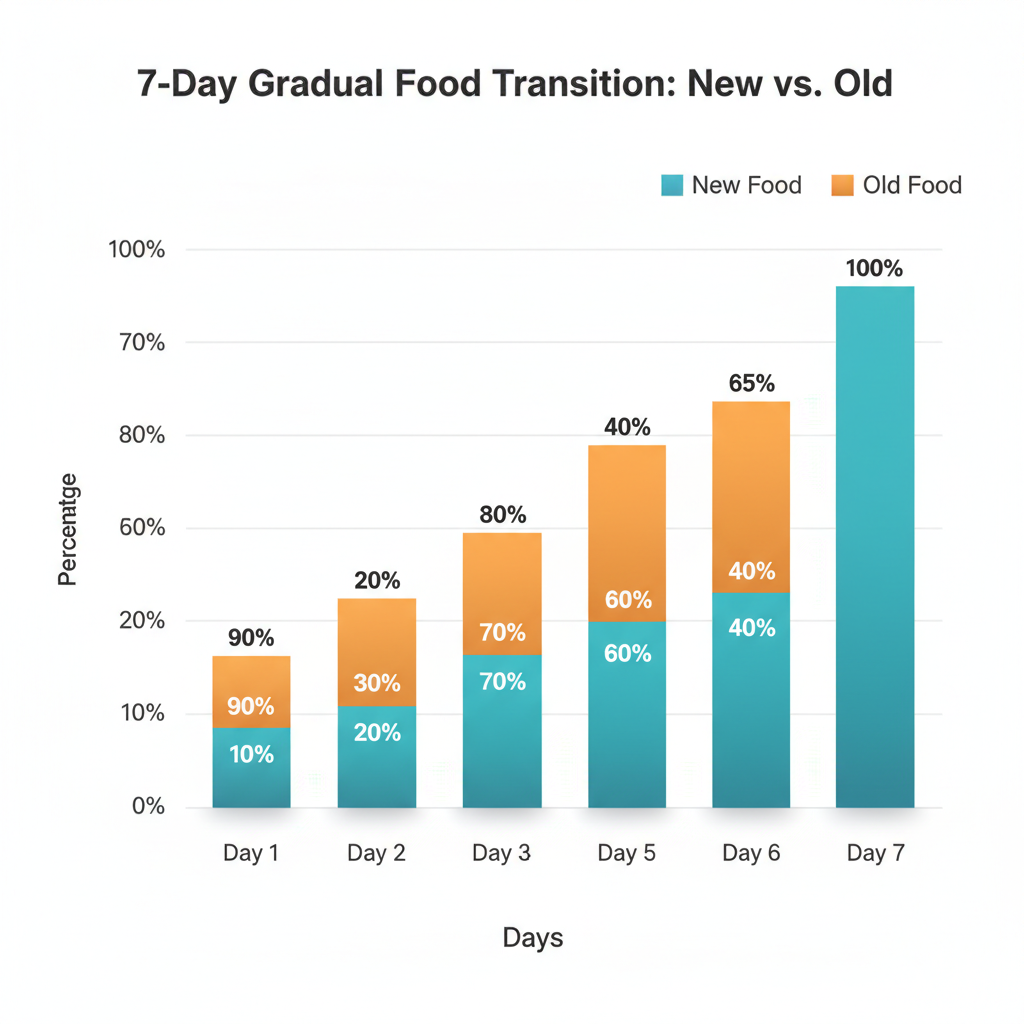
Whenever circumstances allow, dedicate at least a full week to transition your dog to a new diet. This slow, methodical approach, championed by our experts, involves incrementally mixing the new food with the old in carefully measured ratios:
- Day 1: Begin with 10% new food mixed with 90% old food.
- Day 2: Increase to 20% new food and 80% old food.
- Day 3: Adjust to 30% new food and 70% old food.
- Day 4: Progress to 40% new food and 60% old food.
- Day 5: Shift to 60% new food and 40% old food.
- Day 6: Move to 80% new food and 20% old food.
- Day 7: Conclude with 100% new food.
For dogs with a history of digestive sensitivity or those transitioning between significantly different food types (e.g., from a dry, salmon-based kibble to a wet, chicken-based formula), extending this transition period even further is highly advisable.
Should your dog exhibit any signs of distress—such as food refusal, vomiting, or diarrhea—at any stage of this process, revert immediately to their previous diet. Once symptoms subside, resume the transition, but proceed at an even slower pace. If symptoms persist despite returning to the old diet, or if you have any concerns, do not hesitate to contact your veterinarian for professional guidance.
The Urgent Quick Dog Food Switch
In rare, urgent scenarios, you may find it necessary to change your dog’s food without the benefit of a transition period. Healthy, adult dogs who refuse a serving or two of new food using this method can generally safely miss a few meals. However, if your dog continues to refuse food after two days, or develops vomiting or diarrhea at any point, a different food choice or immediate veterinary consultation is warranted.
CRITICAL WARNING: This rapid transition method is NOT suitable for puppies or dogs with any pre-existing health conditions. Denying food to these vulnerable animals can lead to serious health complications and should be strictly avoided.
- Day 1, Meal 1:
- Offer only a small, enticing portion of the new food—approximately one-quarter of their usual meal size.
- If your dog does not consume it within 30 minutes, remove the food and offer no further food until their next scheduled mealtime.
- Day 1, Meal 2:
- If your dog readily ate their previous meal, offer a slightly larger portion of the new food.
- If they did not eat their last meal, once again offer only a small amount of the new food.
- If uneaten within 30 minutes, remove it until the next meal.
- Day 1, Meal 3:
- Continue to increase the portion if previous meals were eaten well.
- If previous meals were refused, persist with a small offering of the new food.
- Remove after 30 minutes if uneaten, and wait for the next meal.
- Day 2, Meal 1:
- If your dog has been eating consistently, offer a larger portion.
- If refusal persists, keep the portion small.
- Remove after 30 minutes if uneaten.
- Day 2, Meal 2:
- Continue to adjust portion size based on previous meal consumption.
- Remove after 30 minutes if uneaten.
- Day 2, Meal 3:
- If your dog has successfully consumed previous meals, offer a normal, full meal size of the new food.
Strategies for Finding a Similar Formula When Switching Dog Food
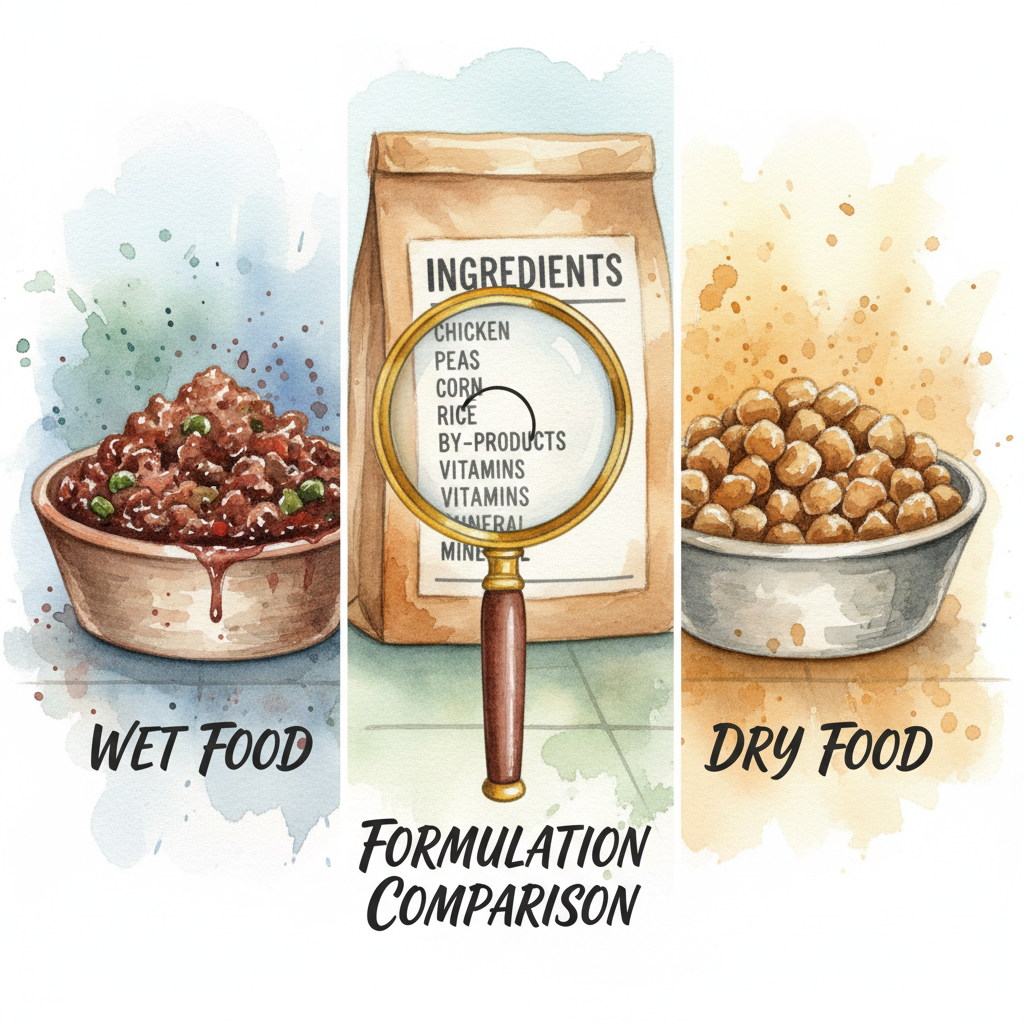
A valuable tip for ensuring a seamless dietary change is to minimize the extent of the alteration. If your dog thrives on wet food, select a new wet food; avoid abrupt switches to dry kibble. If they adore a beef-based diet, endeavor to choose another beef-centric formula. A diligent review of your dog’s old food’s ingredient list and guaranteed analysis can guide you in selecting a new food that closely matches in as many respects as possible. Remaining with the same reputable manufacturer can also facilitate an easier transition due to consistent formulations.
Recognising Signs You Changed Your Dog’s Food Too Quickly
When switching dog food without adequate care, certain common issues can arise. Many of these can be thoughtfully managed from the comfort of your home:
- Your dog refuses the new diet. As long as it is medically safe for your dog to skip a few meals, you can allow them to become sufficiently hungry. However, this approach is strictly contraindicated for puppies or dogs with underlying health conditions, particularly those with diabetes on insulin therapy. You might also try incorporating a veterinarian-approved meal topper to enhance palatability, but always consult your vet first, especially if the dietary change is for medical reasons.
- Your dog develops mild diarrhea. If feasible, revert to your dog’s original diet for several days until their stool consistency returns to normal. Once stabilized, reattempt the transition, but at a significantly slower pace. Integrating a small amount of plain, canned pumpkin (not pie filling) or a canine-specific probiotic supplement can also often aid in firming stools and supporting gut health.
- Your dog becomes noticeably gassy. Increased gassiness is a common temporary side effect that typically subsides within a few days as your dog’s digestive system adapts to the new diet. A nutritional supplement specifically formulated to alleviate gas, recommended by your vet or our team at Petscarelab, may accelerate this improvement.
It is imperative to contact your veterinarian immediately if your dog develops severe or persistent diarrhea, begins vomiting, or if milder symptoms do not resolve within a couple of days. Your vet can accurately diagnose the issue, prescribe appropriate medical treatment, or recommend an alternative diet better suited to your beloved pup's unique needs.