
“`html
PetsCareLab
Puppies are incredible learners from the moment they open their eyes to the world around them. Whether absorbing lessons from their environment, interacting with people and other animals, or engaging in direct training, they are constantly soaking up experiences that form the bedrock of their future behavior.
Laying a strong foundation through proper socialization and essential puppy training empowers them to blossom into self-assured, well-mannered adult dogs.
Follow this comprehensive step-by-step puppy training guide to ensure both you and your furry friend embark on a rewarding journey together!
Key Takeaways
- Start training your puppy immediately after bringing them home.
- Positive reinforcement—rewarding desirable behaviors—is the only scientifically proven and humane approach to puppy training.
- Patience and consistency are vital, as every puppy develops and learns at their own unique pace.
When To Start Training a Puppy
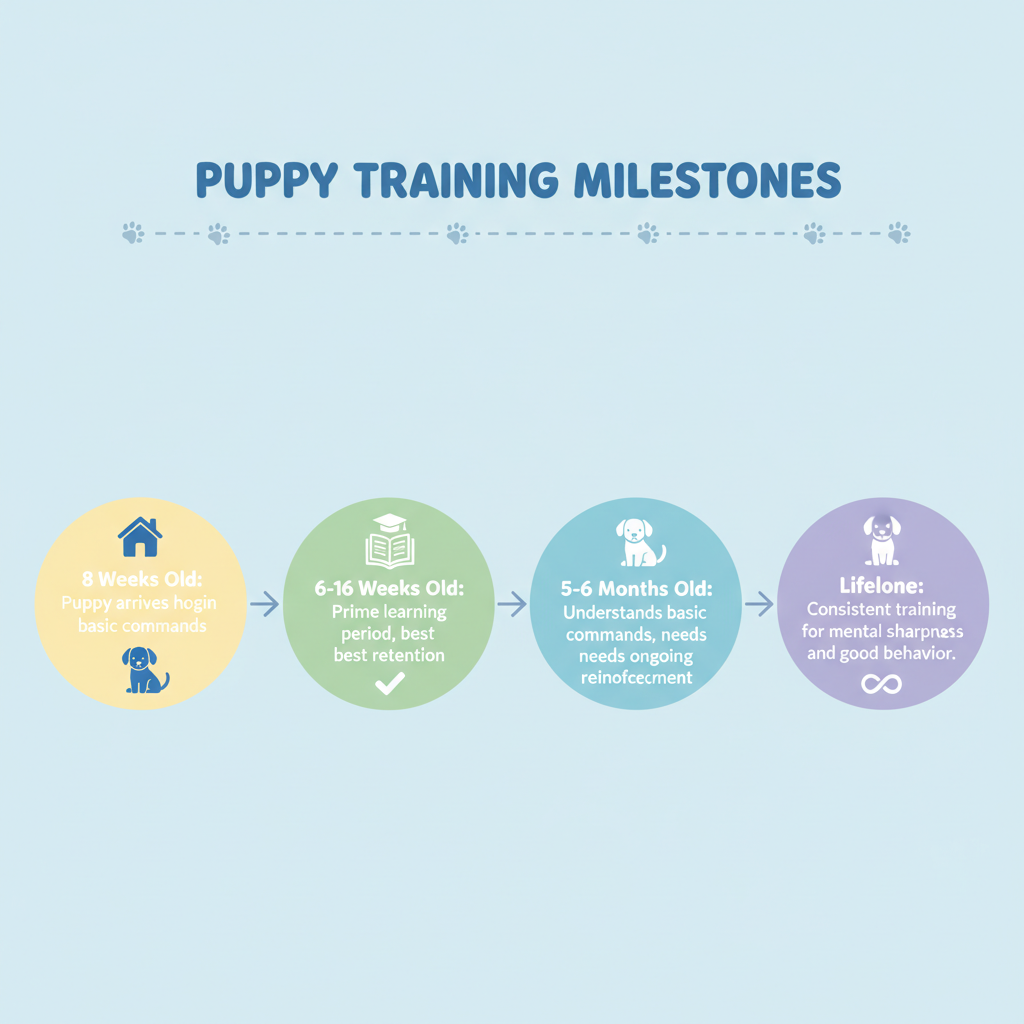
Training your puppy begins the very day they arrive in their new home, typically around 8 weeks old. Even at this tender age, they’re capable of learning simple commands like sit, stay, and come.
While training is a lifelong process, puppies between 6 and 16 weeks of age absorb information best and retain commands most effectively.
Puppy Training Tips
To set you off on the right paw, here are some essential puppy training tips to keep in mind.
1. Use Positive Reinforcement
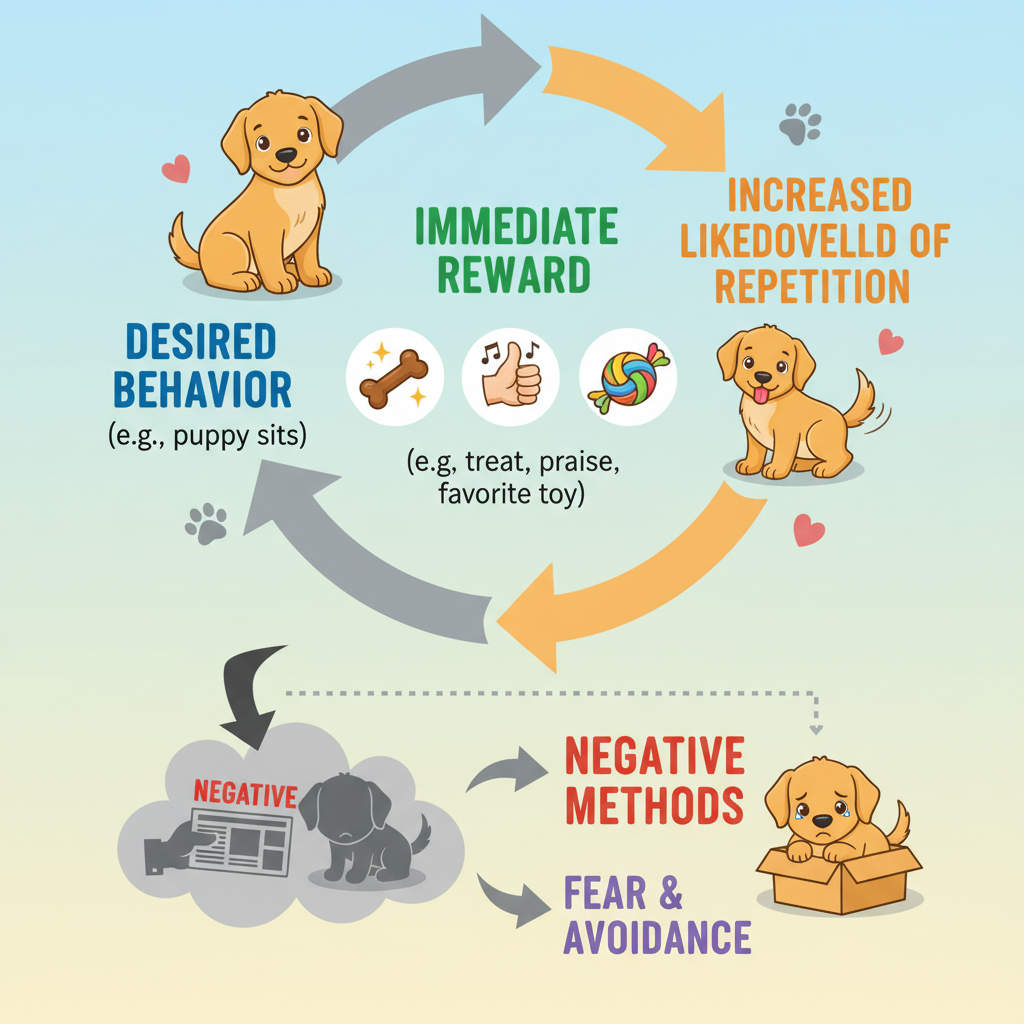
While you may have heard about various training methods, the only ethical and scientifically supported way is through positive reinforcement.
This method involves rewarding your puppy for exhibiting the behaviors you desire. Punishment-based techniques—including harsh corrections, shock or choke collars, prong collars, and dominance-based handling—should be avoided at all costs, as they can lead to fearfulness and anxiety lasting well into adulthood.
To use positive reinforcement effectively, discover what excites your puppy. Some pups respond to their regular kibble, while others motivate better with special, flavorful treats.
For puppies not motivated by food, a favorite toy can serve as an excellent reward for a job well done.
Words of praise and affection, like petting and enthusiastic “Good job!” remarks, can also reinforce positive behaviors during training sessions.
2. Keep Training Sessions Short
Puppies have fleeting attention spans. Limit training sessions to around five minutes each, accumulating no more than 15 minutes daily. Always finish on a high note so your puppy looks forward to the next lesson.
3. Use Consistency When Training Your Puppy
Consistency is crucial. Always use the same words and hand signals for commands like sit, stay, and come.
Equally important is reinforcing good behavior consistently—even when busy. For example, if your puppy signals they need to potty by the door, pause what you’re doing immediately to let them outside, then reward them for successful potty breaks.
4. Practice in Different Environments
Training your puppy in diverse settings—like parks, beaches, or busy streets—helps them generalize commands amid varying sights, sounds, and smells.
Introducing your puppy to different environments boosts their confidence and adaptability.
However, never take puppies to heavily dog-populated places before completing their full vaccination schedule. Speak with your veterinarian about safe socialization opportunities tailored to your puppy’s health needs.
5. Be Patient
Puppies are growing, learning, and making mistakes—much like young children. They won’t always grasp what you want immediately.
Every puppy learns at their own speed. Stay patient and persistent. Following a steady routine of feeding, potty breaks, naps, and playtime provides a secure environment, which is the perfect foundation for learning.
Potty Training
Potty training typically begins between 8 to 12 weeks of age. The process can range from a week to a month, requiring active involvement from the pet owner since puppies cannot yet self-regulate.
Start by taking your puppy outside on a leash once every 30 minutes. Stand quietly in one place for about five minutes to minimize distractions, encouraging your pup to focus and relieve themselves.
When your puppy goes potty outside, lavish them with praise and a tasty treat to reinforce the behavior.
Crate Training
Crate training is indispensable. It provides your puppy with a secure sanctuary, assists in potty training, and can reduce separation anxiety.
Begin by selecting an appropriately sized crate and creating a cozy, inviting space inside.
Place the crate in a quiet but not isolated part of your home, like a corner of the living room. Let your puppy explore and sniff the crate at their own pace.
Gradually practice closing the door, initially for brief periods while you remain nearby. Always watch for signs of stress and release your puppy promptly if they show discomfort.
Slowly increase crate time as your puppy grows comfortable, making it a positive experience.
Basic Cues (Sit, Stay, Come)
Teaching fundamental commands like sit, stay, and come is not only fun but crucial for your dog’s safety and your peace of mind.
Use positive reinforcement by clearly stating the command, waiting for your puppy’s response, and immediately rewarding correct behaviors.
Each cue requires a gentle, patient approach, helping build trust and effective communication between you and your puppy.
Leash Training
Leash training unlocks freedom and fun for both you and your puppy, making outdoor adventures safe and enjoyable.
Start inside a quiet, confined space. Introduce the leash and attach it to their harness, allowing your puppy to get used to the feeling without distractions.
Walk slowly, taking tiny steps and stopping frequently to encourage your pup to stay close by your side.
Praise and treat your puppy whenever they walk nicely or pause when you stop.
Practice regularly, gradually moving outdoors to controlled spaces before confidently exploring wider areas together.
Socialization
Early socialization with people, animals, and various environments is fundamental to raising a confident, balanced dog.
Once your puppy is weaned and your home is puppy-proofed, allow gentle exploration under supervision.
Familiarize your puppy with human touch by petting them, trimming nails, brushing teeth, and stroking their tail.
After home acclimation, embark on brief outings (10–15 minutes), gently managing fears with encouragement and treats.
Gradually expose your puppy to diverse people, children, other dogs, different animals, and novel surroundings featuring unique sights, sounds, smells, and surfaces.
As your puppy matures, continue reinforcing training in distracting public places such as:
- Dog parks
- Beaches
- Passing groups of people
- Hiking trails
- Elevators
- Car rides
How long does it take to train a puppy?
Training is a lifelong journey for dogs. Begin teaching the moment your puppy arrives home, and by 5 to 6 months, expect your puppy to understand and respond to basic commands.
However, ongoing, consistent reinforcement is necessary throughout their life to maintain mental sharpness and good behavior.
When do I start puppy training classes?
Puppy class timing depends on your dog’s needs and the facility’s vaccination requirements.
Most puppies can begin socialization classes as early as 8 weeks and start structured training classes between 12 to 16 weeks of age.
Classes generally run for 4 to 6 weeks and focus on positive reinforcement techniques.
What’s the first thing you should teach your puppy?
In the beginning, puppies must learn a variety of skills, often simultaneously.
One foundational cue many trainers recommend first is “watch,” encouraging your puppy to make eye contact when you say their name or “watch.”
This focus ensures your puppy is attentive and ready to absorb further instructions.
“`