“`html
PetsCareLab
Your dog curls up beside you for their evening cuddle, and suddenly you recoil—their breath is overwhelmingly foul! While gum disease is a frequent concern for dogs, many pet owners aren’t sure what healthy gums should look or feel like.
Here’s a detailed guide on what to observe—from the texture and moisture of your dog’s gums to the ideal color they should have.
Signs of Healthy Gums in Dogs
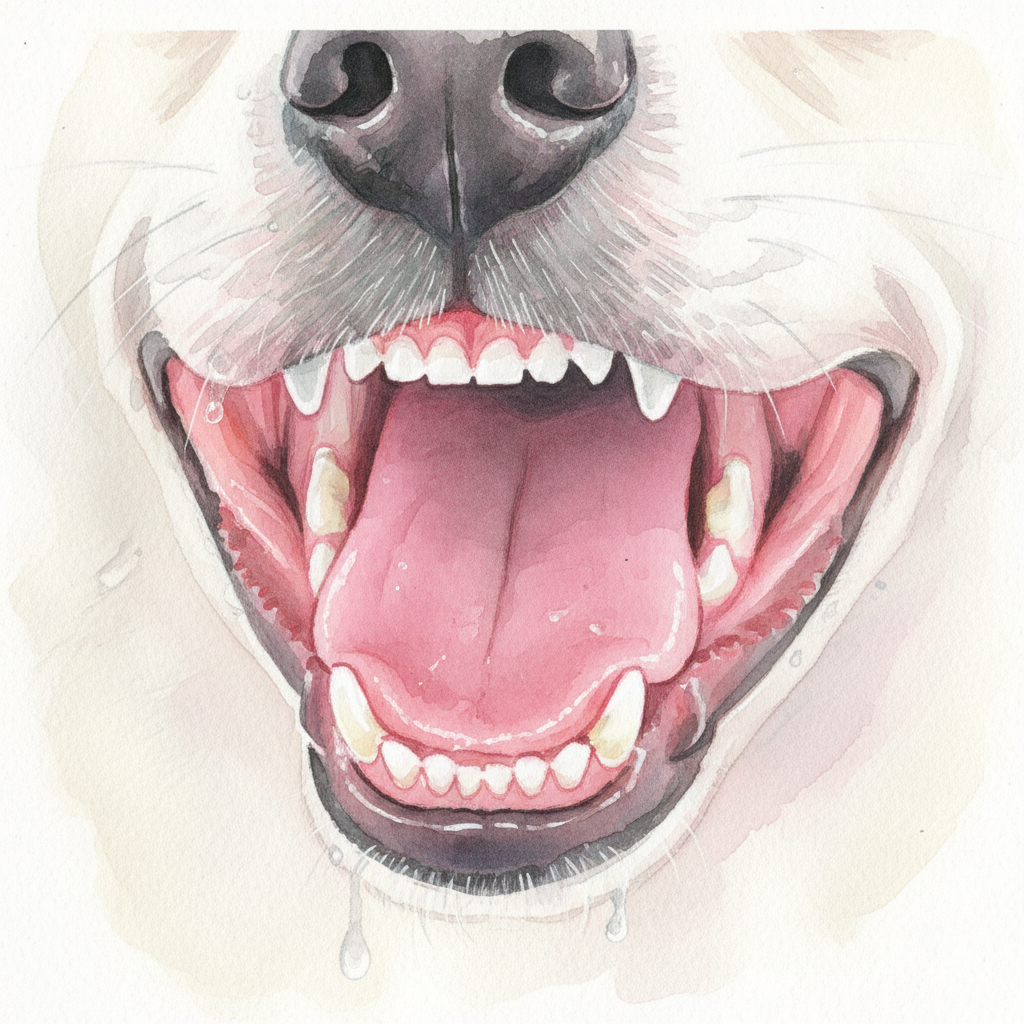
Healthy canine gums closely resemble those of humans. Typically, a vibrant, healthy dog’s gums are a soft bubble-gum pink or salmon pink. Certain breeds naturally have darker or spotted gums, which can be perfectly normal for your furry friend. However, any gradual or sudden shifts in gum color warrant attention.
Normal gums should feel moist and slippery to the touch. There should be no unpleasant odors near your dog’s mouth, nor should you notice swelling, lumps, or bumps.
Signs of Unhealthy Dog Gums
Sadly, many issues can arise within your dog’s mouth. Keeping track of changes—consider snapping photos—can offer invaluable information to your veterinarian. If you notice any alterations in your dog’s gums, whether abrupt or gradual, it’s wise to seek professional advice.
Tacky / Dry Gums
Gums that feel sticky or dry often point to dehydration. Sometimes, after heavy panting, your dog’s gums may appear drier than usual. Allow your dog to rest and drink water; then re-examine their gums when they’re calm. If the gums regain their normal moist and slippery feel, it’s probably nothing serious.
However, if the dryness persists, especially alongside symptoms like lethargy, vomiting, diarrhea, or poor appetite, a prompt visit to the veterinary clinic is essential.
Red Gums
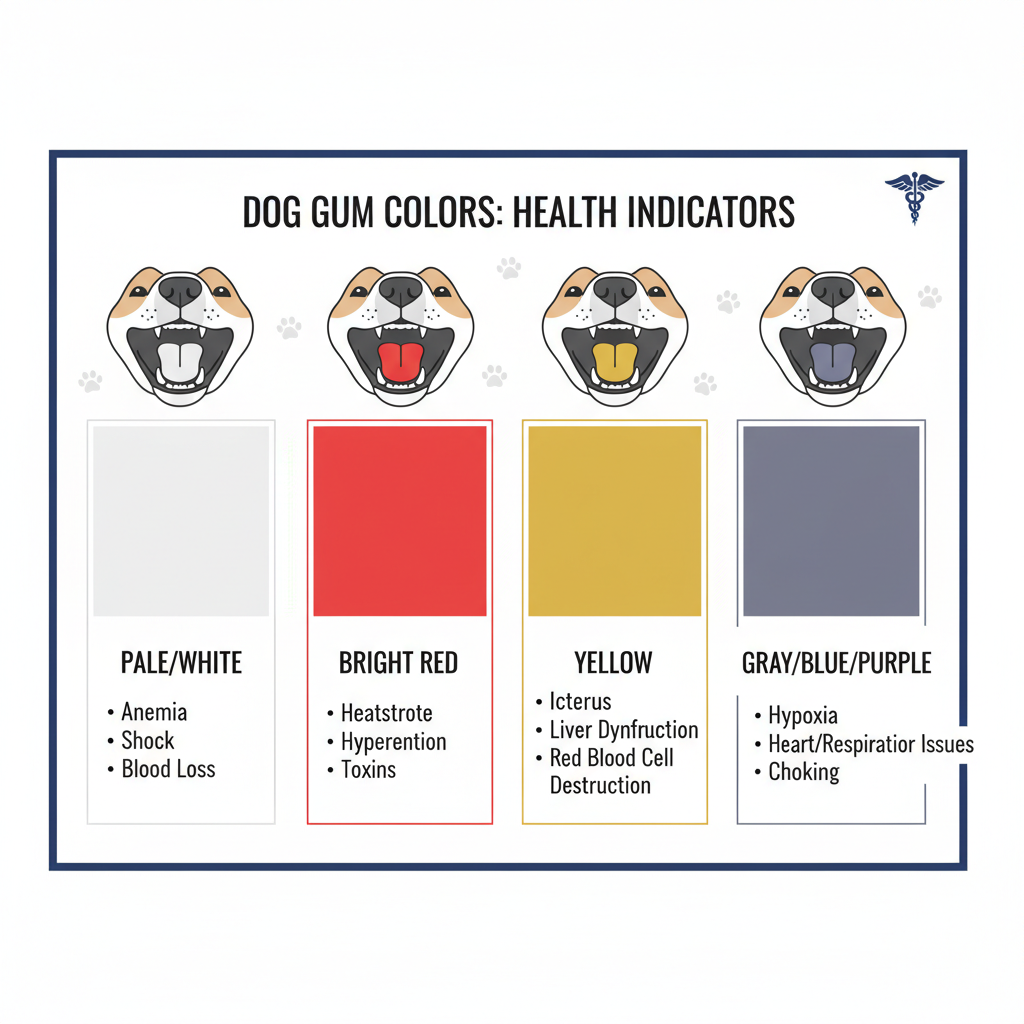
Bright, cherry-red gums signal a serious emergency. Possible causes include carbon monoxide poisoning, heatstroke, hypertension, certain toxins, or shock. Occasionally, an excitable or overly active dog returning from play may display red gums, but these should revert to normal pink rapidly.
If your dog’s gums remain bright red without recent overexertion, head straight to the emergency veterinarian.
Small red spots appearing on gums, ears, or belly can indicate a blood clotting disorder and require immediate attention.
A distinct red line along the gumline usually suggests gum inflammation from dental disease, which should be evaluated by your vet as soon as possible.
Pale / White Gums
Pale gums are a concerning sign, most frequently pointing to anemia but also to pain or shock. Significant blood loss will often cause pale gums and is rarely a transient issue.
If your dog has suffered an injury or appears unwell, urgent veterinary care is necessary. For milder symptoms, schedule an appointment promptly.
Yellow Gums
A yellowish tint in the gums indicates icterus, suggestive of liver dysfunction or destruction of red blood cells. Icterus always demands immediate veterinary evaluation. To confirm, also inspect the lips, inside of the ears, or the whites (now yellowed) of your dog’s eyes.
Gray / Blue / Purple Gums
Gray, blue, or purple hues in the gums represent a critical, life-threatening emergency. These colors are often linked to heart disease or failure, respiratory issues like pneumonia or asthma, low blood pressure, hypothermia, poisoning, or choking episodes.
Seek emergency veterinary care without delay if you observe these signs.
Swollen Gums
Swelling in a dog’s gums is common and frequently related to dental infections—especially when centered along the gumline. This condition, known as gingivitis or gum inflammation, can cause redness and bleeding.
Inflamed gums may cause your dog discomfort and should be evaluated soon. Some dogs develop firm gum swelling called gingival hyperplasia, which can obscure nearly all the teeth.
Gum injuries might cause temporary swelling, but if other areas like the tongue or lips swell too, immediate veterinary assessment is required. Otherwise, gum swelling can be addressed during your vet’s next available visit if your dog is eating and behaving normally.
Bleeding Gums
Gum bleeding usually results from irritated gingivitis—often aggravated by chewing on hard kibble or toys. Puppies may bleed occasionally while teething or playing.
Bleeding can also stem from injuries. Minor, quickly stopping bleeding in an otherwise happy dog can be monitored at home. Frequent or heavy bleeding that doesn’t cease warrants urgent veterinary examination.
Bad Breath
Bad breath, or halitosis, commonly stems from mouth bacteria and plaque buildup. It often indicates dental disease, which in severe cases progresses to periodontal disease impacting the bone.
Although not an emergency, persistent halitosis suggests your dog’s mouth might be painful and should be treated promptly. Additionally, unusual mouth odors can signal conditions like diabetes or kidney disease. If your dog appears unwell or eats poorly alongside bad breath, this requires immediate veterinary attention.
Gum Overgrowth
Gum overgrowth (gingival hyperplasia) is less common and occasionally hereditary, with some medications also triggering it. This condition is most typical in breeds such as Boxers, Bulldogs, and Cocker Spaniels.
The firm, swollen gums may cover much of the teeth and appear red or inflamed. Generally, this condition is not an emergency unless bleeding is severe and can be managed during your vet’s next appointment.
Receding Gums
Gum recession usually results from plaque and tartar buildup, leading to bacteria infiltrating under the gumline. This condition, called periodontal disease, aggressively harms the structures supporting your dog’s teeth.
This infection can weaken the jawbone, cause fractures, and sometimes create an oronasal fistula—a hole between the mouth and nose causing respiratory issues.
Periodontal disease requires prompt, often aggressive treatment, but unless accompanied by severe complications like abscesses or fractures, it typically does not necessitate emergency care.
Growths / Bumps / Warts on the Gums
Lumps and bumps on a dog’s gums are fairly common but should always be examined by a veterinarian.
Any growth differing in color from the surrounding gum tissue, bleeding lesions, or rapidly changing masses need prompt veterinary evaluation.
Bleeding growths usually require emergency intervention if bleeding does not stop quickly. Other lumps can be assessed at your earliest available appointment.
Dog Gum Health Checklist
Developing a routine of inspecting your dog’s mouth regularly helps you identify issues early and understand what’s normal for your pet.
Once a week, when your dog is relaxed and cooperative, gently check inside their mouth. Watch for:
- Gum color – Healthy gums should match the typical pink hue of human gums—bubble-gum pink with a moist, smooth surface.
- Growths – Look for any lumps, bumps, ulcers, or bleeding spots, especially those differing in color from the surrounding tissue. Any unusual findings merit a vet visit as soon as possible.
- Swelling, bleeding, or gum recession – These signs might be emergencies. If you spot raw, swollen, or bleeding areas without clear cause, seek veterinary advice promptly. Gum recession usually indicates periodontal disease and should be prioritized.
- Gum overgrowth – Excessive tissue covering teeth is unusual. These firm, pink overgrowths require veterinary care but are usually not emergencies.
- Moisture level – Normal gums are moist and slippery. Persistently dry or tacky gums might indicate dehydration and need monitoring or urgent care.
- Odor – Familiarize yourself with your dog’s usual breath scent. While mild changes can happen due to dietary indiscretions, persistent bad breath often signals dental disease. Coupled with signs of illness, it may indicate more serious issues.
- Tartar near gumline – Tartar accumulation that touches or overlaps the gums causes pain and inflammation. Prompt dental treatment is needed to maintain gum health.
How to Keep Your Dog’s Gums Healthy
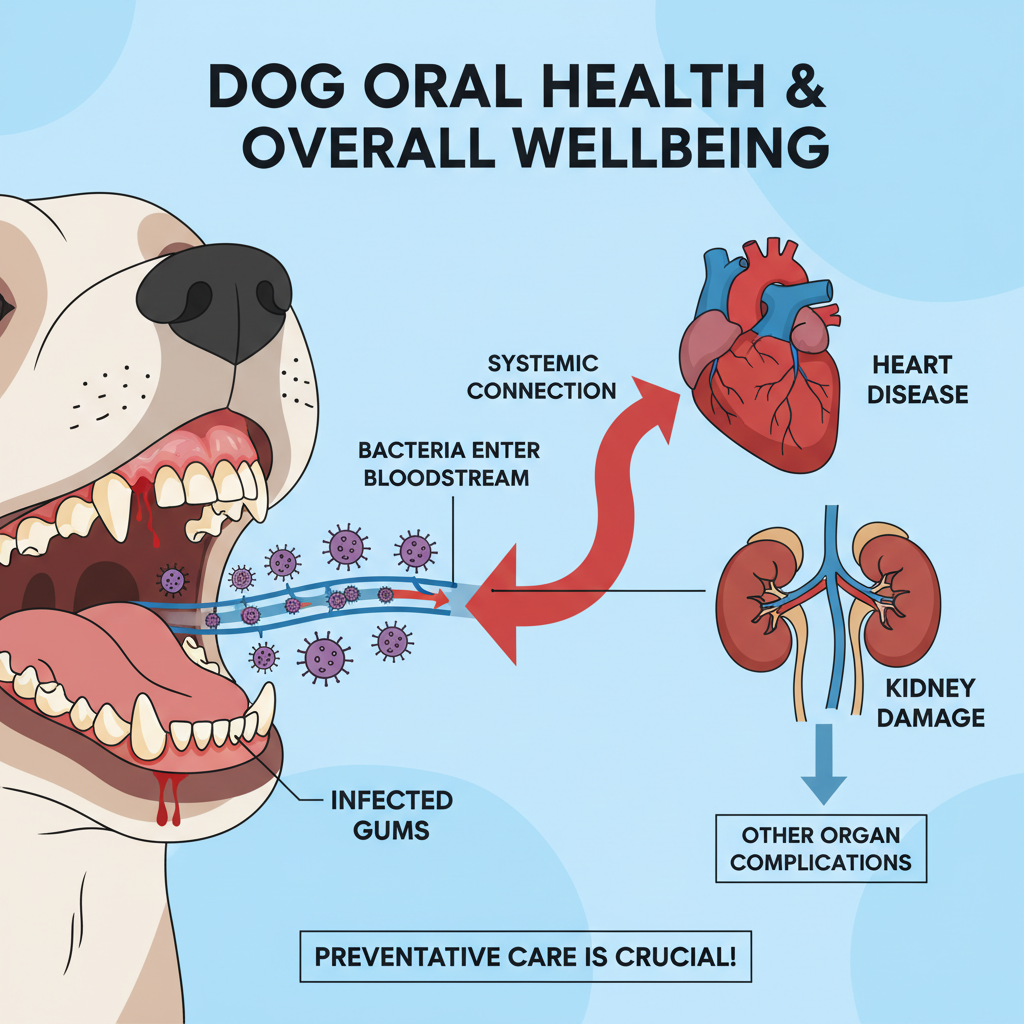
Maintaining healthy gums is vital to your dog’s overall wellbeing. Gum disease can be painful and trigger serious problems beyond the mouth, including kidney and heart diseases, via bacteria entering the bloodstream through inflamed gum tissue.
Stay proactive by checking your dog’s gums weekly and whenever you notice odd smells or sights. Regular tooth brushing is a fantastic habit to boost oral health and helps you detect changes early.
As dogs age, dental disease becomes increasingly common. Having your veterinarian examine your dog’s mouth and teeth routinely—and whenever concerns arise—ensures problems are caught early before escalating into major health issues.
“`