“`html
Good Nutrition: The Cornerstone of Your Dog’s Health
Good nutrition is the cornerstone of your dog’s health and vitality. While the topic of nutrition might seem vast and daunting, breaking it down into clear, manageable steps will help you confidently answer the crucial question: “What is the best food for my dog?”
Store-Bought vs. Homemade Dog Food
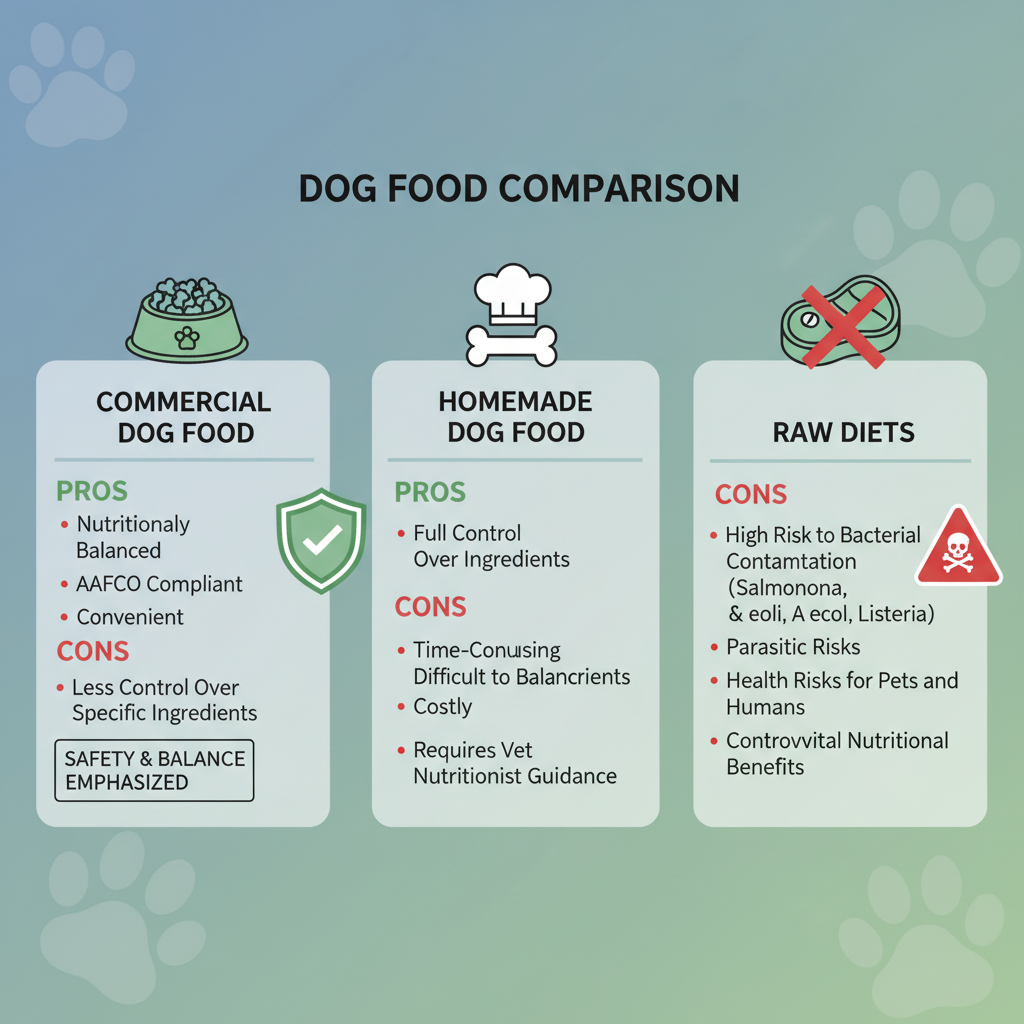
Begin by considering whether you have the time, resources, and dedication to prepare homemade dog meals. Crafting balanced and nutritious homemade dog food is challenging, labor-intensive, and often costly. Many homemade recipes found online or in books fall short of delivering complete nutrition for dogs. To ensure your dog receives optimal nourishment, it’s safest to consult a veterinary nutritionist or utilize services managed by veterinary professionals, such as those offered by trusted veterinary nutrition teams.
Feeding raw diets carries significant risks, including exposure to harmful bacteria like Salmonella, E. coli, and Listeria, as well as parasites such as Sarcocystis and Toxoplasma. These pathogens can jeopardize both your dog’s health and the safety of your household.
Fortunately, pet food manufacturers produce a wide range of high-quality commercial dog foods that are both nutritious and affordable. For most dog owners, choosing trusted commercial dog food is the most practical and beneficial option.
Ensure the Dog Food Meets AAFCO Standards
One major advantage of selecting commercially prepared dog food is that reputable brands adhere to the rigorous guidelines set by the Association of American Feed Control Officials (AAFCO). These guidelines regulate important label elements, including:
- The nutritional adequacy statement
- The guaranteed analysis
- The ingredient list
Nutritional Adequacy Statement
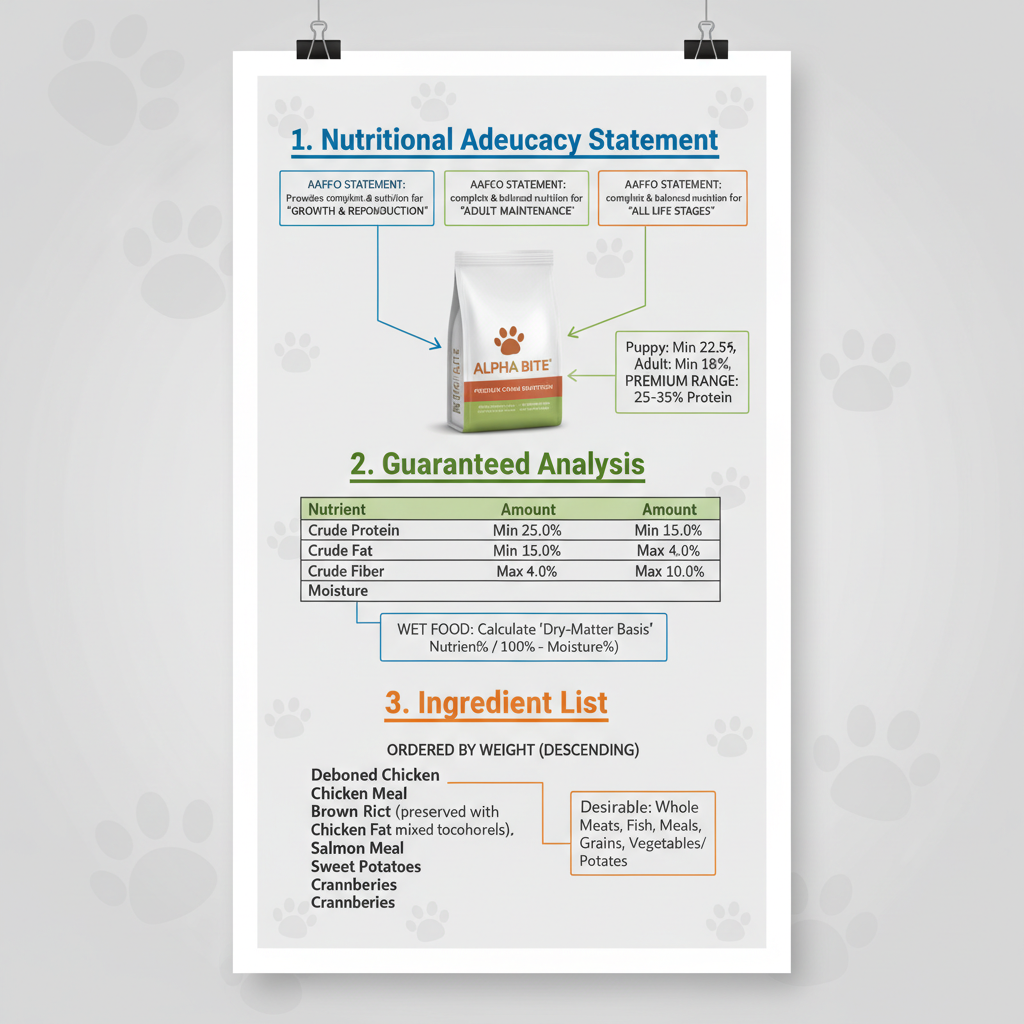
A quick way to verify if a dog food meets AAFCO standards is to look for its nutritional adequacy statement on the packaging. These statements confirm whether the formula provides complete and balanced nutrition and commonly read like one of the following:
- [Brand name] is formulated to meet the nutritional levels established by the AAFCO Dog Food Nutrient Profiles for [specific life stage].
- Animal feeding tests using AAFCO procedures demonstrate that [brand name] provides complete and balanced nutrition for [specific life stage].
AAFCO standards cover three key life stages: growth and reproduction, adult maintenance, and all life stages.
Tailor Food Choices to Your Dog’s Age
Feeding your dog a diet suited to their life stage is essential, as puppies, adults, and seniors have distinct nutritional requirements.
Puppy Food
Growing puppies need higher levels of protein, essential amino acids, fats, fatty acids, calcium, and phosphorus compared to adult dogs. Puppy formulas are carefully designed to fulfill these increased needs and support healthy development.
For large-breed puppies—those expected to weigh around 50 pounds or more—specialized large-breed puppy food helps control caloric intake and manages calcium and phosphorus levels. This reduces the risk of orthopedic issues such as hip dysplasia. If your puppy is a large or giant breed, choose products designed specifically for them.
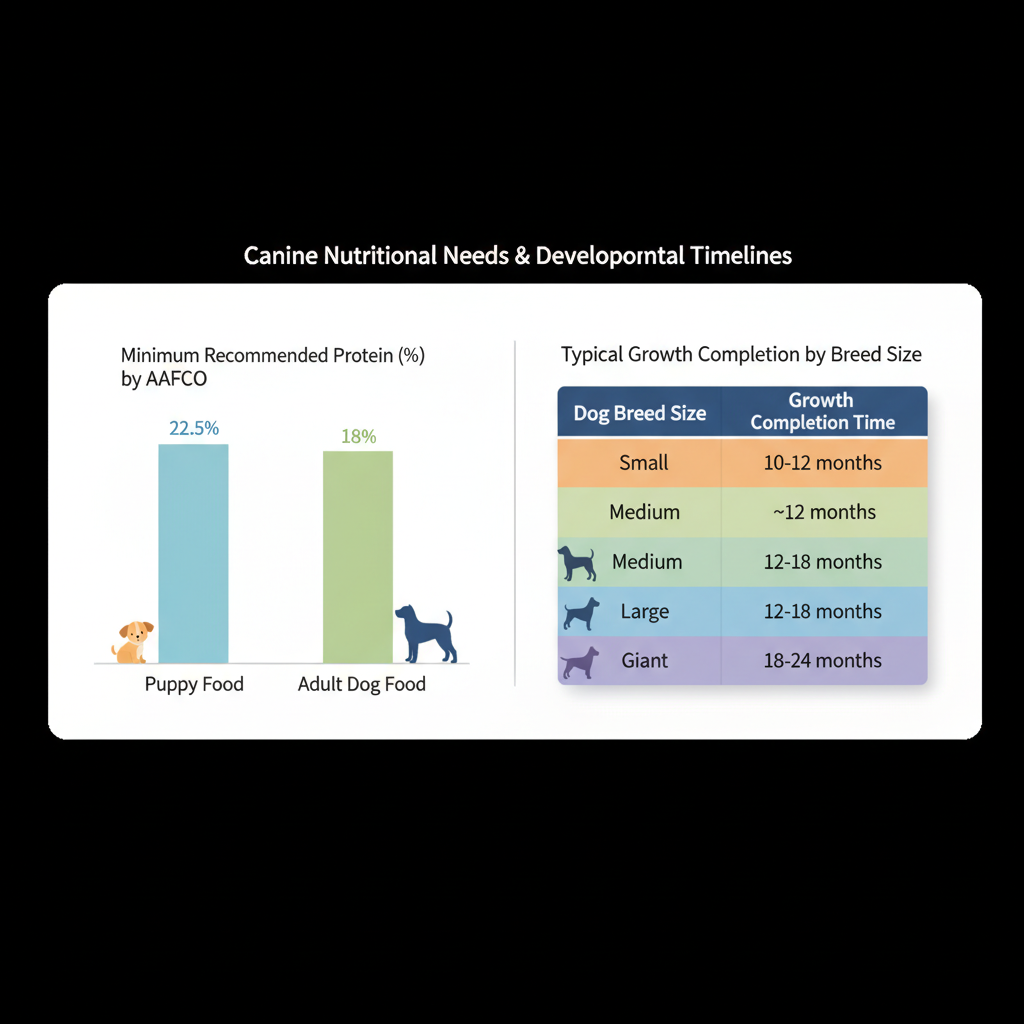
Continue feeding puppy food, not adult formulas, until your dog has completed its growth phase, which typically ends at:
- Small breeds: 10–12 months
- Medium breeds: around 12 months
- Large breeds: 12–18 months
- Giant breeds: 18–24 months
Adult Dog Food
Your veterinarian can guide you on the optimal timing to transition to adult dog food. Adult formulas generally contain slightly lower fat and protein since matured dogs require fewer of these nutrients. Excess amounts can lead to unwanted weight gain.
Some dog foods are labeled for “all life stages,” but these are essentially formulated to meet the demands of growth and reproduction, making them richer like puppy foods. Feeding these to adult dogs might increase the likelihood of obesity.
That said, some adult dogs with high energy needs or difficulty maintaining weight might benefit from the higher calorie and protein content of puppy or all-life-stages diets. However, most healthy adult dogs thrive on diets specifically crafted for their mature life phase.
Senior Dog Food
Currently, AAFCO does not have separate nutritional standards specifically for senior dogs, as nutrient requirements for older pets have yet to be officially established.
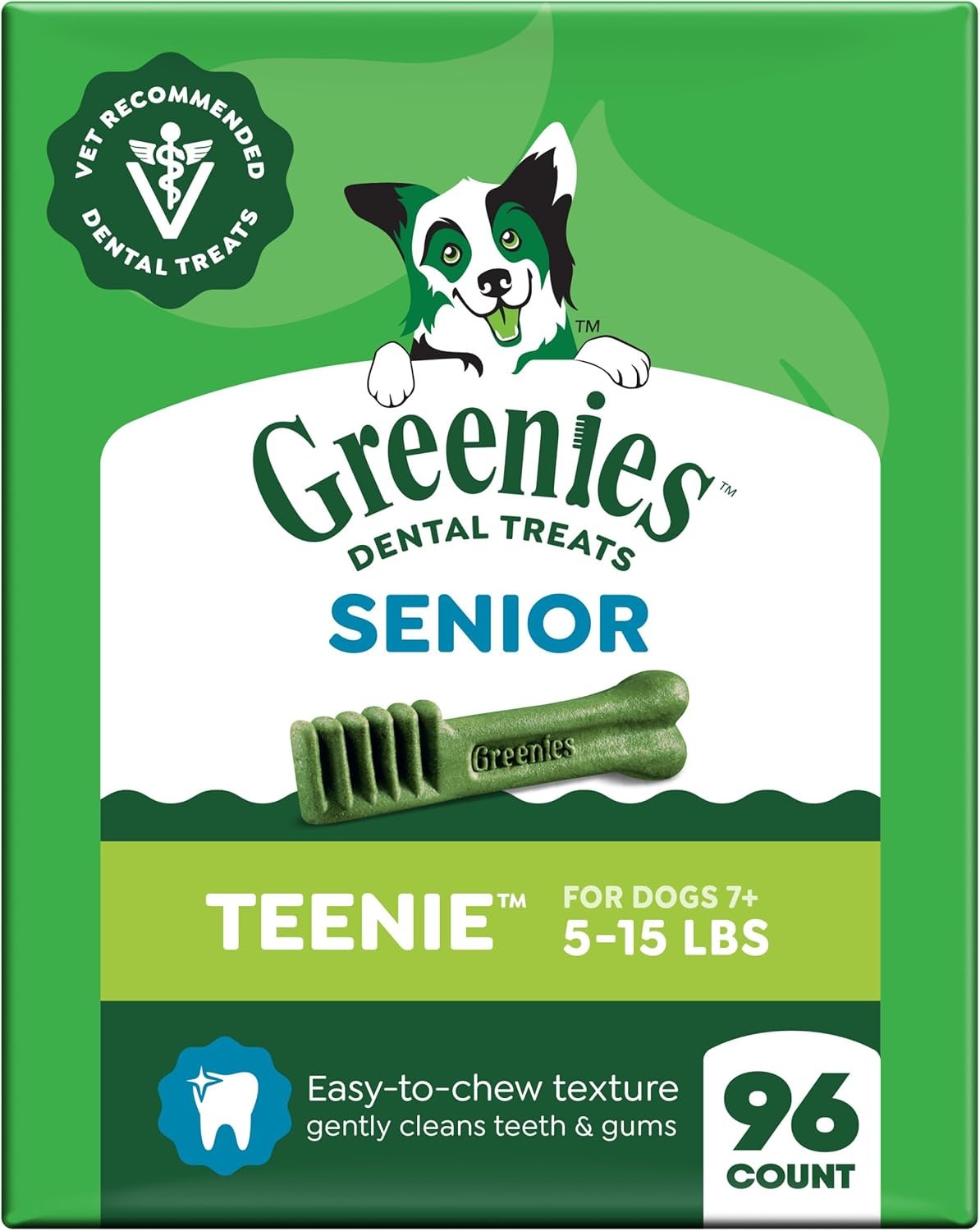
Senior dog foods vary significantly in composition, so it’s important to review ingredient lists carefully and consult your veterinarian for personalized advice tailored to your aging dog’s needs.
Decode the Label
Dog food labels often contain a mix of marketing and useful information. The two most informative parts to focus on are the guaranteed analysis and the ingredient list.
Guaranteed Analysis
This section reveals minimum or maximum levels of critical nutrients like protein, fat, fiber, and moisture.
Because protein is costly, some manufacturers reduce it to save money. Check the protein percentage and compare it with AAFCO’s minimum recommendations: 22.5% for puppy food and 18% for adult dog food.
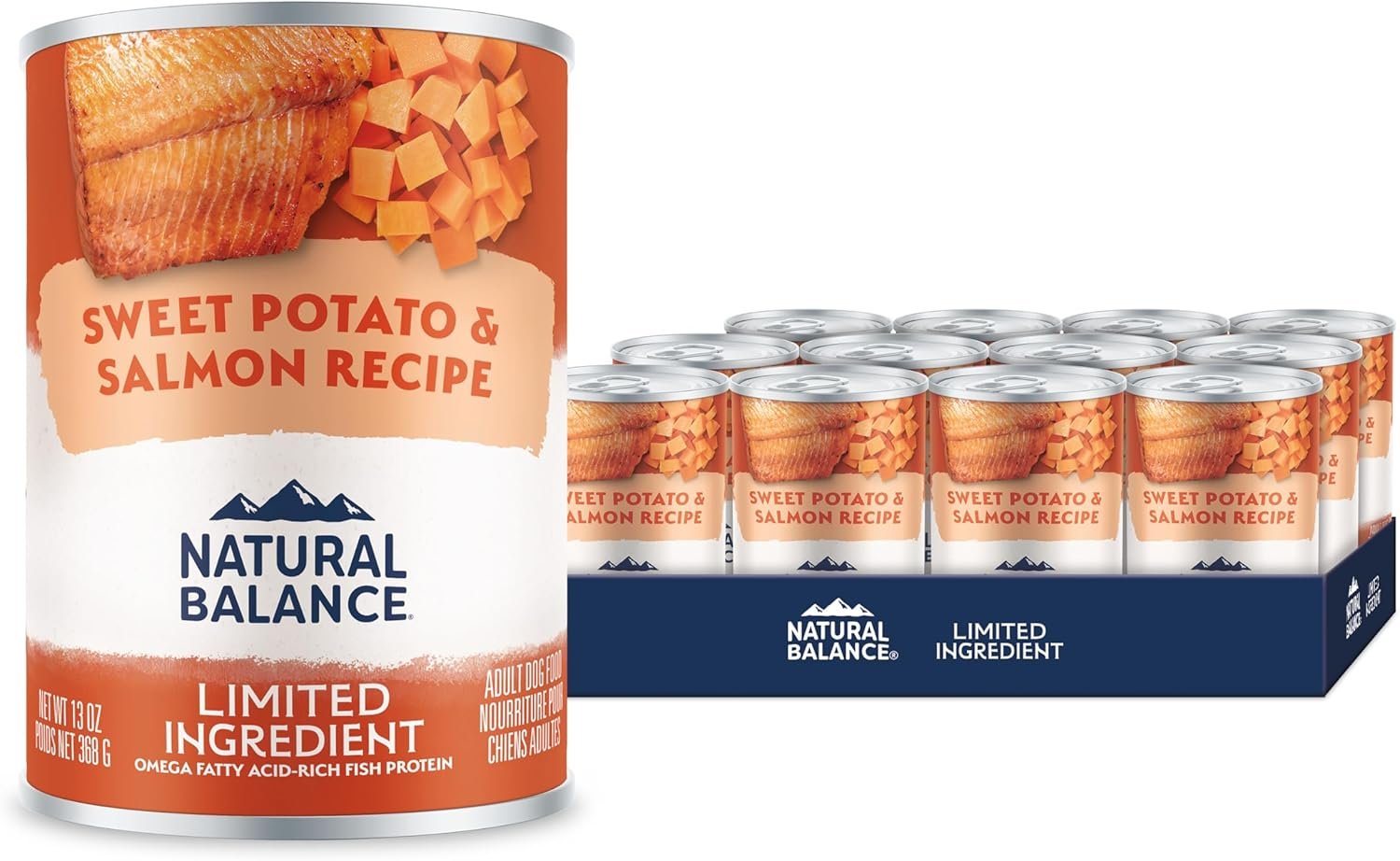
For dry kibble, these percentages are straightforward to assess. For canned or wet food, you’ll need to calculate on a dry-matter basis. High-quality dog foods often deliver protein levels well above the minimum, frequently ranging from 25% to 35%.
Ingredient List
Ingredients are listed in descending order by weight, showing which ones your dog consumes the most.
Focus on the top ingredients to ensure they include wholesome sources of protein and carbohydrates such as fresh meat, fish, meat and fish meals (which are concentrated protein sources), grains, and nutrient-rich vegetables or potatoes.
Premium dog foods tend to feature protein levels significantly higher than AAFCO minimums, often between 25% and 35%.
Choose Wisely and Monitor Your Dog’s Response
By this point, you likely have several great food options to consider. Opt for a food that fits your budget and is readily available. Consider your dog’s flavor and texture preferences—after all, even the healthiest food won’t benefit your dog if they refuse to eat it.
When transitioning to a new dog food, do so gradually over about a week. Slowly increase the amount of new food while decreasing the old to allow your dog’s digestive system to adjust and reduce the chance of refusal or upset stomach.
After feeding the new diet for about a month, observe your dog carefully. Signs of a well-balanced diet include:
- Strong appetite and enthusiasm for meals
- Glossy, healthy coat with normal shedding
- Firm stools without diarrhea, constipation, or excessive gas
- Steady energy levels
- Healthy body condition without excessive weight gain or loss
If these signs are present, you’ve made an excellent choice for your dog’s nutrition.
Consult Your Veterinarian
Always involve your veterinarian in selecting your dog’s diet, especially if your dog has health concerns. Even for healthy pups, your vet is the best resource to recommend tailored dietary options that support your dog’s long-term wellbeing.
“`