“`html
PetsCareLab
Welcoming a new puppy into your home is a thrilling experience filled with joy and anticipation. As you embrace this adorable new family member, it’s essential to prioritize their safety and well-being. Much like human children, puppies have more vulnerable immune systems than adult dogs, leaving them susceptible to a variety of illnesses—especially if they haven’t completed their vaccination schedule.
Here’s a comprehensive guide to the most prevalent puppy illnesses you should be aware of, along with practical advice to keep your furry friend healthy and thriving.
Parvovirus (Parvo)
Parvovirus ranks among the most frightening and dangerous illnesses a puppy can face. It’s widespread across the United States, highly contagious, and can be life-threatening.
At its core, parvovirus is a severe, aggressive stomach virus that spreads through contact with infected feces. Alarmingly, it can linger in the environment for months or even years. Because of this, experts at Petscarelab strongly recommend avoiding placing your puppy on the ground in public spaces or neighborhood strolls until all vaccinations are complete.
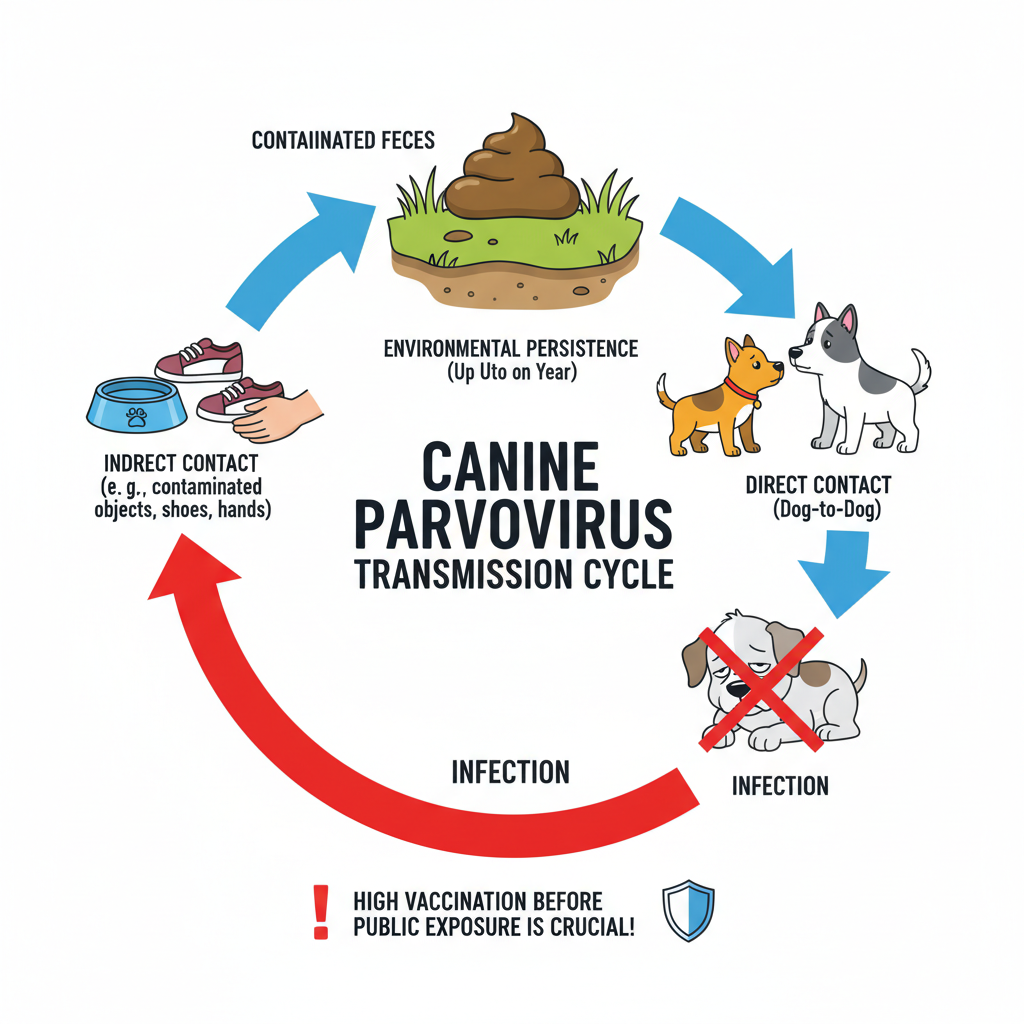
Parvovirus symptoms tend to appear suddenly and escalate quickly. If your puppy shows any of the following signs, it’s critical to reach out to your veterinarian immediately:
- Intense vomiting
- Severe, often bloody diarrhea
- Marked lethargy
- Loss of appetite
- Depression
- Signs of dehydration
- Abdominal pain
- Pale gums
- High fever
- Weakness
- Seizures
There’s no direct cure for parvovirus—treatment focuses on supportive care. Ideally, puppies afflicted with parvo should be hospitalized to receive intensive medical attention. With prompt and thorough care, survival rates can soar to 90%, though the outcome depends heavily on factors like the puppy’s age, severity of symptoms, vaccination status, underlying health, and quality of treatment.
Distemper
Distemper is another highly contagious and often fatal viral infection that targets a puppy’s respiratory, gastrointestinal, and nervous systems. The virus spreads primarily through airborne droplets from coughing or sneezing, as well as shared food and water bowls.
Common signs of distemper infection include:
- Greenish or yellow eye discharge
- Nasal discharge of similar color
- Elevated fever
- Persistent coughing
- Fatigue and lethargy
- Reduced appetite
- Vomiting
- Thickened, hardened paw pads
- Spinning or circling behavior
- Head tilting
- Seizures
As with parvovirus, no specific antiviral treatment exists for distemper. Supportive care can assist your puppy, but the illness is often fatal. Recovery is rare, and survivors commonly face lifelong dental problems due to enamel defects. If neurological symptoms develop during infection and the dog survives, these symptoms typically persist for life.
Kennel Cough
Kennel cough, scientifically known as canine infectious respiratory disease complex, is one of the most frequently encountered upper respiratory ailments in dogs and puppies. It can be caused by bacteria, viruses, or a combination of both.
The infection spreads when your puppy’s mouth or nose comes into contact with contaminated air or surfaces. This is why kennels, shelters, grooming parlors, dog parks, and veterinary clinics—places with high canine traffic—are common hotspots for kennel cough.
You can easily spot kennel cough by your puppy’s characteristic dry, hacking cough, although they usually remain lively, eating and drinking normally. Some puppies might also experience mild nasal or eye discharge.
The silver lining? Kennel cough is typically mild and resolves on its own without treatment. However, your veterinarian might prescribe antibiotics, steroids, or cough suppressants if symptoms worsen or linger. Fortunately, most puppies bounce back within about 10 days.
Leptospirosis
Leptospirosis is a bacterial infection mainly transmitted through contact with contaminated urine. Dogs commonly contract it by exposure to infected water, soil, food, or bedding tainted with urine.
In the U.S., leptospirosis is most prevalent in the Midwest, East, and Southeast. Dogs with frequent contact with livestock, wildlife, or those living in shelter environments face higher risks. Recognizable symptoms include:
- Fever
- Vomiting
- Diarrhea
- Dehydration
- Excessive thirst and urination
- Fatigue
- Muscle aches
- Abdominal discomfort
- Coughing and breathing difficulty
- Jaundice (yellowing of the skin and eyes)
- Spontaneous bleeding (nosebleeds, gum bleeding, blood in stool, vomit, or urine)
Unlike many other puppy diseases, leptospirosis can be transmitted to humans, so be sure to wear gloves and practice thorough handwashing when handling your dog’s urine, especially during treatment. Treatment usually involves antibiotics, and in severe cases, intensive fluid therapy may be necessary. Even if your puppy recovers, chronic kidney or liver problems can develop later.
Vomiting and Diarrhea
Though not illnesses in themselves, vomiting and diarrhea are warning signs that your puppy is unwell and should be evaluated by a veterinarian. Common triggers include:
- Ingesting foreign objects obstructing the digestive tract
- Eating harmful toxins or garbage
- Intestinal parasites
- Sudden dietary changes
- Bacterial infections
- Viral infections
- Stress
Depending on the cause, treatment may range from simple outpatient care to surgery or hospitalization.
Parasites
Parasites live on or inside a host animal, feeding at the host’s expense. Puppies are especially vulnerable due to immature immune systems, and they can be affected by both internal and external parasites.
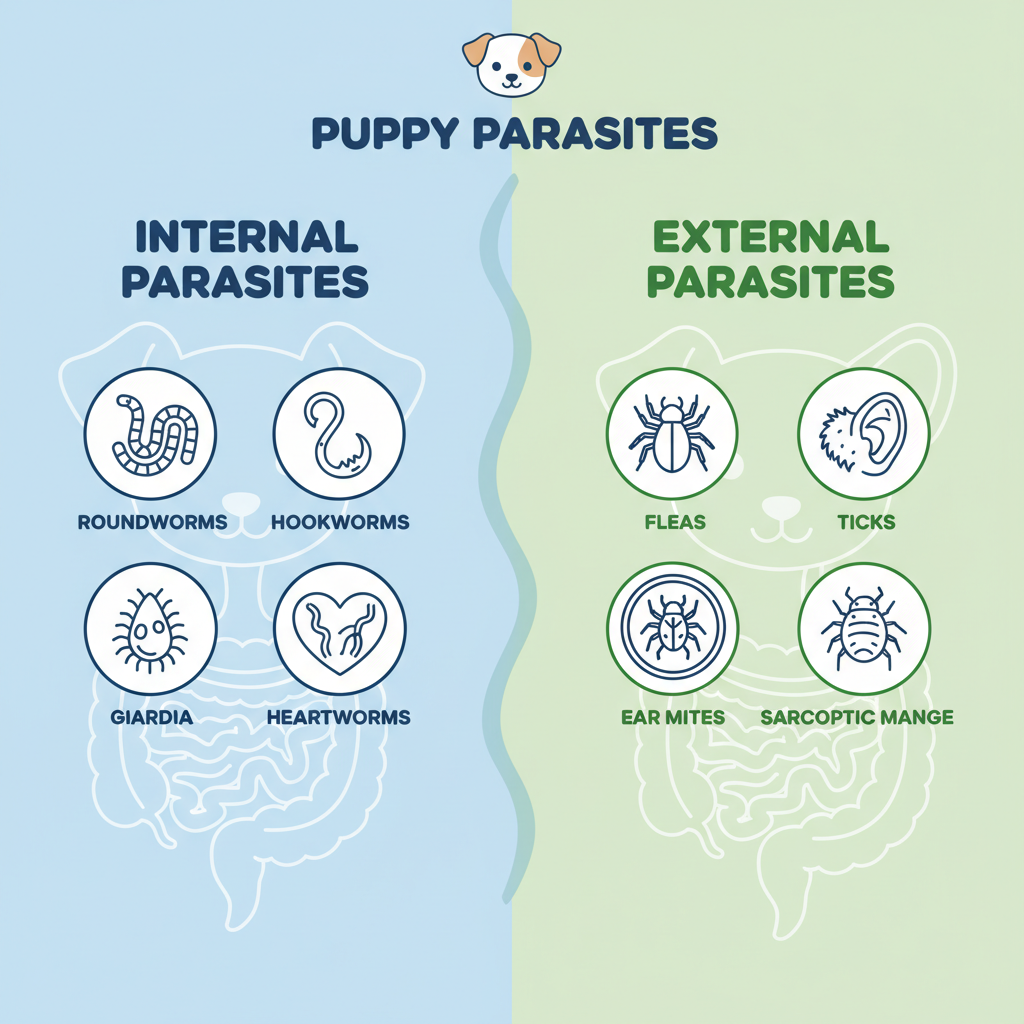
Common internal parasites include:
- Roundworms
- Hookworms
- Tapeworms
- Whipworms
- Giardia
- Coccidia
- Heartworms
External parasites commonly found on puppies include:
- Fleas
- Ticks
- Lice
- Ear mites
- Scabies (Sarcoptic mange)
- Demodex mites
- Cheyletiella mites, known as “walking dandruff”
Symptoms and treatments vary widely among parasite types. To keep your puppy parasite-free, maintain regular deworming schedules and use reliable flea and tick prevention products.
Adenovirus
Canine adenovirus, also called infectious canine hepatitis, is a viral infection that’s less common but still dangerous. It spreads through direct contact with infected dogs or contaminated objects, attacking the liver and blood vessel cells.
The good news is this virus is included in the combination DAPP vaccine, which guards against distemper, adenovirus, parvovirus, and parainfluenza. Thanks to widespread vaccination efforts by veterinary clinics like Petscarelab, cases of adenovirus are rare. However, unvaccinated dogs remain at risk.
Symptoms to watch for include:
- Fever
- Loss of appetite
- Fatigue and depression
- Vomiting
- Bloody diarrhea
- Coughing
- Eye and nose discharge
- Weakness
- Difficulty breathing
Treatment is supportive—offering intravenous fluids, blood transfusions, liver support, and symptom management. With survival rates ranging from 1% to 30%, prevention through vaccination is vital. Dogs that survive may suffer chronic liver problems.
How To Keep Your Puppy Healthy
Though many of these illnesses sound intimidating, a robust vaccination and preventative care plan can safeguard your puppy against most threats.
Vaccinate Your Puppy
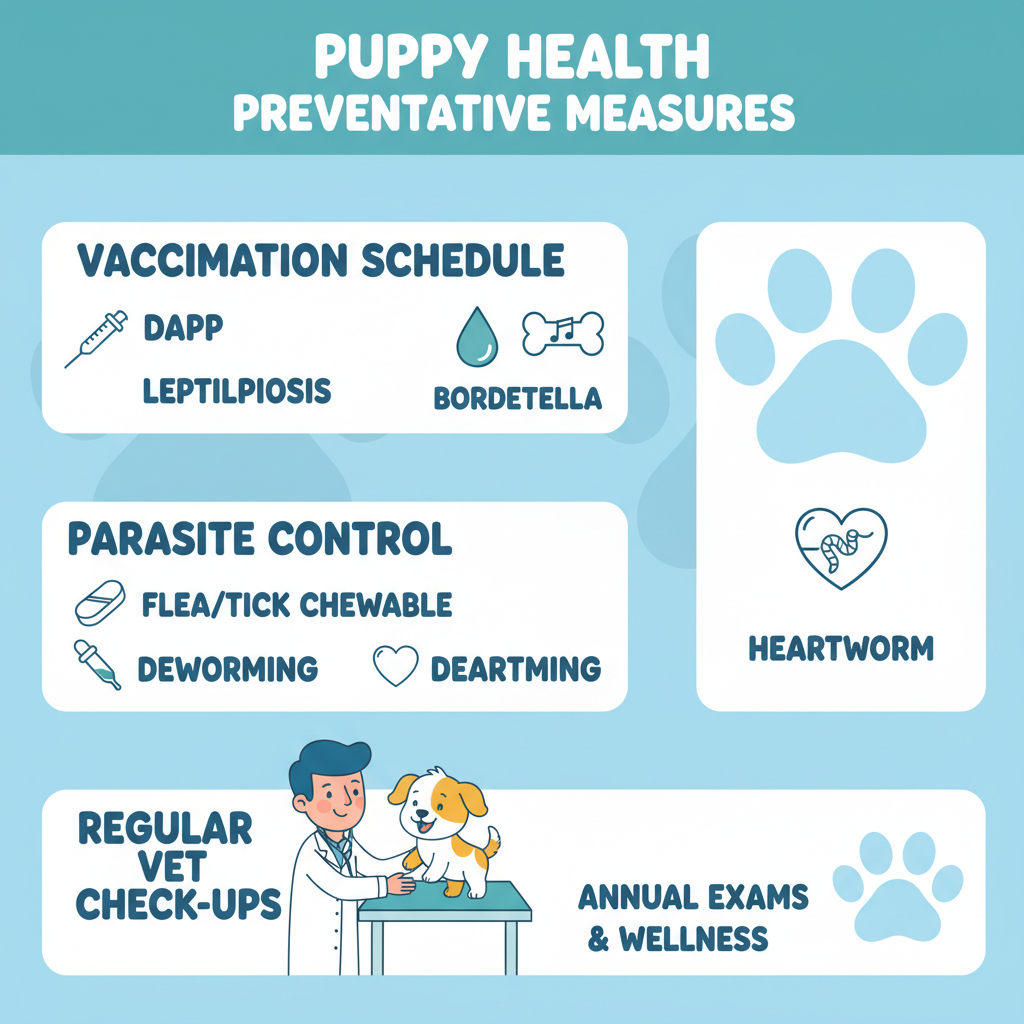
A crucial vaccine for puppies is the DAPP (sometimes called DHPP) shot, which shields against distemper, adenovirus (hepatitis), parvovirus, and parainfluenza. This series is administered every 2 to 4 weeks until your pup is 16 to 20 weeks old.
Additional vaccines protect against bordetellosis and canine influenza—two common contributors to kennel cough—as well as leptospirosis. These vaccinations can dramatically reduce your puppy’s risk of serious illness or death.
Work To Prevent Parasites
Parasite prevention is essential: monthly chewable tablets help protect against fleas, ticks, and heartworms. Regular testing of your puppy’s stool for intestinal worms ensures prompt treatment if needed.
While these preventative steps may seem costly upfront, they often save money and heartache in the long run by avoiding expensive treatments for illness.
At Petscarelab, we emphasize that many of the most common puppy diseases are entirely preventable when you stay on top of vaccinations and parasite controls. Always consult your veterinarian to tailor a health plan specifically designed for your puppy’s needs.
“`