Introduction
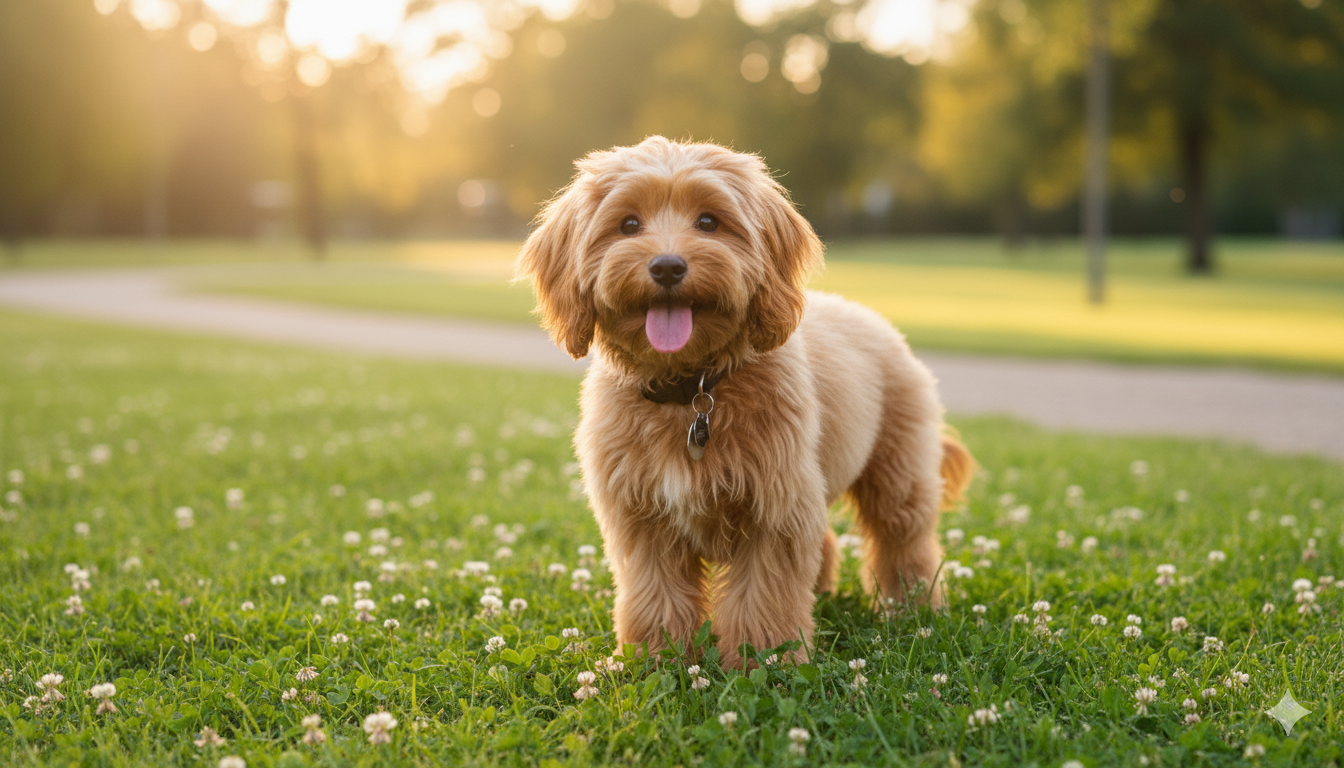
Equal parts adorable, affectionate, and intelligent, the Cavapoo is a charming small breed weighing between 8 and 25 pounds. This delightful hybrid combines the best traits of the Cavalier King Charles Spaniel and either a Miniature or Toy Poodle, creating a lovable companion.
Known for their friendly and playful demeanor, Cavapoos easily adapt to various family dynamics, especially when showered with love and attention. Their easygoing nature makes them an excellent choice for a wide range of households, including those welcoming their first dog.
Thanks to their Poodle heritage, many Cavapoos sport coats that shed minimally—a potential bonus for allergy sufferers—provided their grooming needs are met consistently and attentively.
Caring for a Cavapoo
If you’re seeking an affectionate, easygoing, and irresistibly cute companion, the Cavapoo might be the perfect match. A seasoned animal behavior consultant at Petscarelab describes this hybrid as gentle and well-balanced.
“They aren’t overly energetic but lean toward a relaxed temperament compared to other Poodle mixes, thanks to the calm Cavalier influence; they tend to get along well with everyone, humans and pets alike,” the expert explains. “This breed often suits first-time dog owners wonderfully because they are generally manageable and not overwhelming.”
Cavapoos thrive in households that offer gentle, respectful interactions, particularly with children who understand canine manners. They fit comfortably in living spaces ranging from cozy apartments to larger homes with yards and do not demand intense physical activity. If you’re an avid runner, however, you might find this breed less suitable as a jogging partner.
Both puppies and adult Cavapoos need routine grooming to maintain their luscious coats and prevent matting. Given their deep desire for companionship, early intervention is key to preventing separation anxiety issues.
Cavapoo Health Issues
Cavapoos typically enjoy good health with an average lifespan stretching from 12 to 15 years. Nonetheless, they can still be susceptible to certain medical conditions inherited from their parent breeds.
According to veterinary experts at Petscarelab, hybrid vigor does not guarantee immunity from health problems, so it’s essential for prospective owners to research the conditions common to both Cavaliers and Poodles before choosing this breed.
Hip Dysplasia
Hip dysplasia arises when the hip joint fails to develop properly, leading to a loose joint that may eventually cause arthritis, muscle loss, and restricted mobility.
Though more frequently seen in larger breeds, both Cavalier and Poodle parents may carry this risk. Keep an eye out for signs like limping or difficulty moving, and consult your veterinarian about potential treatments such as joint supplements, pain relief, or surgery.
Patellar Luxation
This condition, common among many small dogs including Cavapoos, involves the kneecap slipping out of place, which can result in discomfort and future arthritis.
Mild cases often respond well to joint supplements and anti-inflammatory medications, while severe situations may require surgical correction. If your dog exhibits limping, an unusual hopping gait, or skipping, a vet visit is warranted.
Eye Conditions
Eye health can be a concern, as both parent breeds are prone to various ocular issues:
- Cavalier King Charles Spaniels may develop conditions like entropion, corneal dystrophy, ingrown eyelashes, dry eye, retinal problems, and cataracts.
- Poodles are susceptible to progressive retinal atrophy, entropion, glaucoma, ingrown eyelashes, cataracts, and other eye disorders.
As a mix of these breeds, Cavapoos require monitoring for signs of vision difficulty, eye discharge, redness, or squinting. Prompt veterinary examination is vital if such symptoms arise.
Syringomyelia and Chiari-like Malformation (CLM)
Though it is uncommon, Cavapoos may inherit a predisposition to syringomyelia, a condition involving fluid-filled cavities forming in the spinal cord, typically secondary to Chiari-like malformation—a structural skull abnormality.
This painful syndrome, sometimes called “neck scratcher’s disease,” causes discomfort, altered posture, wobbly movement, and obsessive scratching or rubbing.
Veterinarians use comprehensive exams, lab tests, and imaging to diagnose these conditions and will discuss treatment options, including medication, possible surgery, or alternative therapies like acupuncture. Dogs can experience varying levels of discomfort, from symptom-free to severe pain.
Dental Problems
Cavapoos are prone to dental issues common in small breeds, which can cause bad breath, painful infections, tooth loss, and even affect other organs if untreated.
Preventative measures include regular vet dental visits, professional cleanings as recommended, and diligent at-home toothbrushing. Despite best efforts, some dogs may eventually require tooth extractions.
Heart Disease
Mitral valve disease (MVD) is a hereditary heart condition that greatly impacts Cavalier King Charles Spaniels and is also a risk for Poodles. When choosing a Cavapoo puppy, it’s crucial to secure one from reputable breeders who provide certification of the parents’ heart health.
“Breeders committed to healthy lines will avoid using dogs with murmurs or diagnosed MVD for breeding,” advises Petscarelab’s veterinary team.
Allergies
Cavapoos can experience allergies manifesting in numerous ways:
- Intense itching or scratching
- Excessive licking or biting at skin
- Redness and inflammation
- Hair thinning or loss
- Recurrent ear infections
- Hot spots
- Digestive troubles
- Respiratory symptoms
Treatment depends on the allergy source and may involve antihistamines, corticosteroids, immunotherapy for environmental triggers, elimination diets for food sensitivities, or meticulous flea control.
While many allergies can be effectively managed, they often require ongoing care and sometimes lifelong medication. Keep a close watch for allergy signs and seek veterinary advice promptly.
What To Feed a Cavapoo
Choose a nutritionally balanced commercial dog food that meets Association of American Feed Control Officials (AAFCO) standards. However, if you notice changes in your Cavapoo’s skin, coat quality, stool, or behavior, consider a dietary adjustment.
“Some Cavapoos have sensitivities or allergies to certain ingredients, so close observation helps you identify and address any dietary reactions,” suggests Petscarelab’s veterinary consultants.
Always consult your veterinarian before making significant changes to your dog’s diet.
How To Feed a Cavapoo
Provide measured portions of age-appropriate food—be it puppy, adult, or senior formulas. Puppies benefit from three to four small, evenly timed meals daily to maintain steady blood sugar levels and prevent hypoglycemia, while adult Cavapoos typically do well with two meals per day.
Remember, being a small breed, calorie-rich treats should be limited to no more than 10% of their daily intake to maintain a healthy weight.
How Much Should You Feed a Cavapoo?
Follow feeding guidelines on commercial food packaging based on your dog’s size, and discuss specifics like age, activity level, and body condition with your veterinarian to fine-tune portions.
Nutritional Tips for Cavapoos
Due to their predisposition to joint issues like hip dysplasia and patellar luxation, some Cavapoo owners may consider joint supplements, though many dogs receive adequate nutrients directly from their diet.
Never introduce supplements without professional veterinary guidance.
Cavapoo Personality and Temperament
Cavapoos are affectionate pack dogs who usually adore other pets and family members alike. These lively little companions thrive by your side, whether running errands or relaxing at home.
“They make incredibly adaptable family dogs,” notes Petscarelab’s behavior specialist.
However, their strong attachment to loved ones can sometimes make separation challenging.
“Due to their devotion, some Cavapoos may develop separation anxiety when left alone or out of sight of their humans,” the expert cautions.
Cavapoo Behavior
Separation anxiety is the primary behavioral concern for this breed and may lead to excessive barking or destructive chewing.
To mitigate anxiety, provide mentally engaging toys like KONGs, lick mats, or puzzle feeders when your Cavapoo is alone. Increasing physical exercise and incorporating crate training can also help manage mild anxiety, while severe cases often require comprehensive behavior modification.
Generally, Cavapoos are confident, friendly, and eager to please.
With their sharp intellect and desire to please, they respond exceptionally well to positive reinforcement training. Beyond basic commands, these dogs excel in learning fun tricks and interactive tasks.
“Activities such as weaving through your legs or jumping through hoops offer great mental stimulation and bonding time,” the behavior consultant adds.
Fun Activities for Cavapoos
- Mastering new tricks
- Obedience classes
- Therapy dog work
- Exploring neighborhood walks
- Engaging with food puzzles
- Playing fetch
- Cozy cuddling sessions at home
Cavapoo Grooming Guide
“Cavapoos boast low-shedding coats that need regular grooming to prevent painful mats and tangles,” advises Petscarelab’s veterinary team. “Routine brushing, bathing, and hair trimming are essential.”
Additionally, regular eye and ear cleaning helps ward off infections, while consistent dental care supports oral health.
Skin Care
Monitor your dog’s skin for signs of allergies or irritation, such as persistent infections or itching. Immediate veterinary consultation is recommended if you observe redness, dryness, or increased scratching.
Coat Care
Brushing roughly three times a week helps maintain a smooth, tangle-free coat. Schedule professional grooming every six weeks or learn to use appropriate grooming tools at home.
For curly, Poodle-like coats, a small slicker brush works best, while a pin brush suits straighter hair types.
Eye Care
Cleaning your Cavapoo’s eyes not only prevents infections but also offers a chance to spot early signs of problems. Tear stains, common in this breed, can be gently wiped away with dog-safe eye cleaners.
Any significant changes—such as excessive tearing, redness, or discharge—warrant a prompt veterinary visit.
Ear Care
Include ear cleaning in your regular grooming routine and watch closely for signs of infection like odor, debris, head shaking, or scratching. Allergies can predispose ears to irritation and infection.
Nail Care
Nail trims are generally needed every four to six weeks. Use clippers designed for small dogs or an adjustable grinder to make the process safe and stress-free.
Considerations for Pet Parents
With plenty of love, attention, and grooming commitment, a Cavapoo can be a delightful addition to diverse family settings. Moderate exercise combined with reward-based training and mentally stimulating puzzles will keep this intelligent pup content wherever you live.
Bear in mind that no dog breed is truly hypoallergenic—Cavapoos included.
“Though their coats shed minimally, some individuals can still produce allergens that affect sensitive people,” Petscarelab veterinarians emphasize. “Hybrid dogs can vary widely in personality, appearance, and health traits depending on their parent breeds. Careful research and understanding of these factors will guide you to the best decision.”
How big does a Cavapoo get?
Cavapoos are small-sized dogs, typically weighing between 8 and 25 pounds and standing 9 to 14 inches tall. The size depends partly on whether the Poodle parent is a Miniature or Toy variety.
Is a Cavapoo hypoallergenic?
While often described as hypoallergenic due to their low-shedding coats, no dog is completely allergen-free. However, Cavapoos may pose fewer allergy challenges compared to many other breeds.
How long do Cavapoos live?
With proper care, Cavapoos usually enjoy a lifespan ranging from 12 to 15 years.
How much do Cavapoos cost?
As a designer hybrid not recognized by major kennel clubs, prices vary widely. Responsible breeders who conduct health testing and guarantee puppy health usually charge between $2,000 and $4,000, depending on location and other factors.
What is the difference between Cavapoos vs. Cockapoos?
The main difference lies in the non-Poodle parent: Cavapoos are a blend of Cavalier King Charles Spaniel and Poodle, whereas Cockapoos mix the Cocker Spaniel with a Poodle.
Are Cavapoos high maintenance?
It depends on your perspective. Cavapoos require more grooming than some breeds due to their coat needs, but their exercise demands are relatively modest. They may also be prone to more health concerns than other mixed breeds, so they do require attentive care.