Introduction
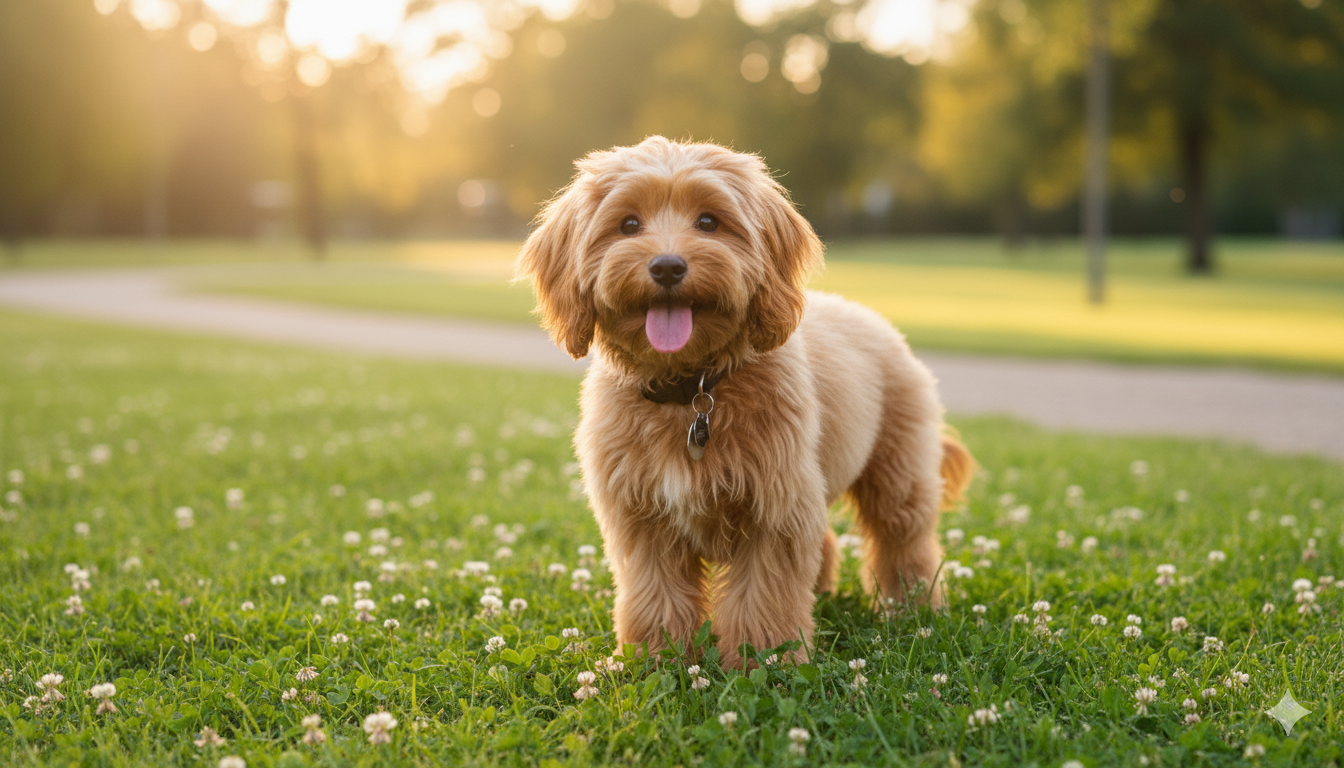
Equal parts adorable, affectionate, and intelligent, the Cavapoo is a charming small dog that typically weighs between 8 and 25 pounds. This delightful hybrid is a loving blend of the Cavalier King Charles Spaniel and either a Miniature or Toy Poodle.
Cavapoos are known for their warm, playful demeanor and their easygoing nature, especially when showered with affection and attention. Their adaptable personality makes them an excellent choice for families of all shapes and sizes, including those welcoming a dog for the first time.
Thanks to the Poodle heritage, many Cavapoos sport a coat that sheds minimally, offering a potential option for allergy sufferers—though their grooming needs are consistent and should not be underestimated.
Caring for a Cavapoo
If you want a sociable, versatile, and irresistibly cute companion, the Cavapoo could be your perfect match. According to a certified dog trainer and behavior consultant from Petscarelab, this hybrid boasts a gentle and well-balanced temperament.
“They aren’t overly energetic but definitely one of the more laid-back Poodle mixes. Their gentle nature means they tend to get along wonderfully with everyone—both people and other animals,” she explains. “Cavapoos often suit first-time dog owners very well, as they tend to be manageable and not overwhelming.”
These dogs thrive with children who understand gentle play, adjust well to living spaces ranging from cozy apartments to spacious homes with yards, and generally don’t require intense exercise routines. If you’re in the market for a jogging partner, however, another breed might be a better fit.
Both Cavapoo puppies and adults require regular grooming to keep their coats neat and mat-free. Because they form deep bonds with their families, early attention to separation anxiety is key to preventing behavioral challenges.
Cavapoo Health Issues
With a lifespan averaging 12–15 years, Cavapoos generally enjoy good health. Yet, like all breeds, they can face certain inherited and breed-specific health concerns.
“Hybrid vigor can sometimes reduce health problems compared to purebreds, but it’s not guaranteed,” advises a veterinarian from Petscarelab’s veterinary team. “Cavapoos may still be susceptible to conditions common to both Cavalier King Charles Spaniels and Poodles, so prospective owners should familiarize themselves with potential health risks before choosing this breed.”
Hip Dysplasia
Hip dysplasia arises when the hip joint develops abnormally, causing looseness that can evolve into arthritis, muscle loss, and restricted movement.
Though typically more prevalent in large dog breeds, hip dysplasia can affect Cavapoo parent breeds. Monitor your dog closely for signs of discomfort or difficulty moving. Your veterinarian can recommend options such as joint supplements, pain relief, or surgery if needed.
Patellar Luxation
A frequent concern in smaller breeds, patellar luxation involves the kneecap slipping out of place, often leading to pain and eventual arthritis.
Treatment ranges from joint supportive supplements and anti-inflammatory medications for mild cases to surgical correction for severe instances. If your Cavapoo starts limping, hopping awkwardly, or skipping steps, consult your vet promptly.
Eye Conditions
Eye health is an important consideration for Cavapoos, given the shared vulnerabilities of their parent breeds:
- Cavalier King Charles Spaniels are prone to entropion (eyelid rolling), corneal dystrophy, ingrown eyelashes, dry eye, retinal disease, and cataracts.
- Poodles may suffer from progressive retinal atrophy, entropion, glaucoma, ingrown eyelashes, cataracts, and other ocular issues.
Because of this, any signs such as redness, discharge, squinting, or vision problems should prompt a veterinary examination to protect your dog’s eye health.
Syringomyelia and Chiari-like Malformation (CLM)
Cavalier King Charles Spaniels have a genetic predisposition to syringomyelia, a condition marked by fluid-filled cavities in the spinal cord, often due to Chiari-like malformation, an abnormal skull bone formation.
While not common, Cavapoos can carry this risk due to their Cavalier ancestry. This “neck scratcher’s disease” causes abnormal sensations and pain, manifesting as scratching, rubbing, changes in posture, or unsteady movement.
Diagnosis involves physical examinations, laboratory tests, and imaging studies. Treatment options may include pain management, possible surgical intervention, and alternative therapies such as acupuncture. Some dogs live many years without symptoms, while others can be significantly affected.
Dental Problems
Like many small dogs, Cavapoos are vulnerable to dental disease, which can cause discomfort, bad breath, tooth loss, and even more serious health complications if neglected.
Regular veterinary dental checkups, professional cleanings as advised, and consistent at-home toothbrushing can help maintain your Cavapoo’s dental health. However, some may still require tooth extractions over their lifetime.
Heart Disease
Mitral valve disease (MVD) is a hereditary heart condition prevalent in Cavalier King Charles Spaniels and also affects Poodles. Because of this, responsible breeding practices are critical for Cavapoos.
“Reputable breeders provide documented heart health clearances. Cavaliers or Poodles with heart murmurs or MVD diagnoses should not be bred,” cautions our in-house veterinarian.
Allergies
Cavapoos can exhibit allergy symptoms that include:
- Persistent itching and scratching
- Licking or biting at the skin
- Red, irritated skin
- Hair thinning or loss
- Frequent ear infections
- Hot spots
- Gastrointestinal upset
- Respiratory distress
Depending on the cause, treatment may involve antihistamines, corticosteroids, or immunotherapy for environmental allergies; elimination diets when food allergens are suspected; and stringent flea control for flea allergy dermatitis.
“Many allergies require ongoing management and medication, so it’s essential to monitor your dog carefully and seek veterinary advice promptly,” our veterinarian advises.
What To Feed a Cavapoo
Opt for a commercial dog food brand that meets Association of American Feed Control Officials (AAFCO) standards to provide balanced nutrition. If you observe changes in your Cavapoo’s skin, coat, stool, or behavior, adjusting their diet might be necessary.
“Cavapoos can be sensitive or allergic to certain ingredients, so vigilant observation is crucial to identify and manage dietary reactions,” the Petscarelab veterinarian explains.
Always consult your vet before making any changes to your dog’s feeding regimen.
How To Feed a Cavapoo
Serve your Cavapoo measured portions of food appropriate to their life stage—whether puppy, adult, or senior. Puppies benefit from three to four small meals daily on a consistent schedule to help maintain healthy blood sugar levels and prevent hypoglycemia. Adult Cavapoos typically do well with two daily meals.
Keep in mind that this petite breed can pack on calories quickly, especially from treats. Treats should not exceed 10% of your dog’s daily caloric intake.
How Much Should You Feed a Cavapoo?
Food labels offer general feeding guidelines based on your dog’s weight. Collaborate with your veterinarian to tailor feeding amounts by considering age, activity level, and body condition to ensure your Cavapoo maintains optimal health.
Nutritional Tips for Cavapoos
Given their susceptibility to joint concerns like hip dysplasia and patellar luxation, your vet might recommend diets or treats enriched with joint-support supplements. Still, most Cavapoos meet all nutritional needs through a high-quality diet alone.
Never introduce supplements without veterinary guidance.
Cavapoo Personality and Temperament
Cavapoos typically adore other pets and family members, eager to be your constant companion whether you’re running errands or relaxing at home. “They’re fantastically adaptable family dogs,” one Dogs Behavior Expert at Petscarelab notes.
Their affectionate nature, however, means they can become overly attached, leading to separation anxiety when left alone or out of reach of their loved ones.
Cavapoo Behavior
Separation anxiety is the main behavioral challenge with Cavapoos, potentially causing unwanted activities like chewing or excessive barking.
To ease anxiety, provide mentally engaging toys such as food-dispensing KONGs, lick mats, or puzzle toys whenever your dog is alone. Increasing physical exercise and crate training puppies can further reduce mild anxiety, while severe cases typically require professional behavioral intervention.
Otherwise, Cavapoos are sociable, confident, and eager to please. With their sharp intellect and eagerness to learn, they excel in positive reinforcement training and enjoy acquiring new tricks.
“Activities that keep them close to you—like weaving through your legs or jumping through hoops—are both fun and stimulating for them,” our animal behavior consultant shares.
Fun Activities for Cavapoos
- Trick training
- Obedience classes
- Therapy dog volunteering
- Leisurely neighborhood strolls
- Interactive food puzzles
- Fetch games
- Cozy cuddling sessions
Cavapoo Grooming Guide
“Cavapoos sport low-shedding coats that require regular upkeep to prevent mats and tangles,” our veterinarian reminds. “Routine brushing, bathing, and trimming keep their coats in top shape.”
Additionally, maintaining clean ears, eyes, and teeth is essential to prevent infections and dental disease.
Skin Care
Monitor your Cavapoo’s skin for allergy signs such as persistent redness, dryness, or itching. Contact your veterinarian promptly if these issues appear.
Coat Care
Plan on brushing your Cavapoo around three times a week. Schedule professional grooming every six weeks or learn how to use grooming tools to manage their beautiful coat at home.
Choose your brush based on their coat type: a slicker brush works well for curlier, Poodle-like fur, while a pin brush suits straighter hair.
Eye Care
Regularly clean your Cavapoo’s eyes to prevent infections and detect any problems early. Dark tear stains can be gently wiped away with a dog-friendly eye cleaner.
Ear Care
Clean your dog’s ears during grooming sessions and watch for signs of irritation or infection between cleanings. Allergies can make ears itchy and prone to infection—symptoms include odor, debris, head shaking, or scratching.
Nail Care
Most Cavapoos need nail trims every four to six weeks. Use small dog nail clippers or an adjustable nail grinder to keep trimming safe and stress-free.
Considerations for Pet Parents
With plenty of love, attention, and grooming, the Cavapoo offers a flexible, friendly addition to families of all types. Regular moderate exercise combined with rewarding training and mentally stimulating games will keep your smart companion content and healthy.
Remember, no dog is fully hypoallergenic—Cavapoos included.
“Though their coats shed less, some Cavapoos still produce allergens that may affect sensitive individuals,” warns our veterinary expert. “Researching both parent breeds’ traits and health is vital before committing to this hybrid.”
How big does a Cavapoo get?
Cavapoos are petite dogs, typically weighing 8–25 pounds and standing 9–14 inches tall. Their size depends in part on whether their Poodle parent is a Miniature or Toy variety.
Is a Cavapoo hypoallergenic?
Although often labeled hypoallergenic due to their low-shedding coats, no dog breed is truly allergen-free. Cavapoos may be a better choice for allergy sufferers compared to heavy-shedding breeds, but sensitivity varies by individual.
How long do Cavapoos live?
Cavapoos generally enjoy a lifespan of 12 to 15 years, offering many joyful years of companionship.
How much do Cavapoos cost?
As a popular designer hybrid not recognized by major kennel clubs, Cavapoo puppies can be subject to inconsistent breeding standards.
Reputable breeders adhering to health testing and providing guarantees typically charge between $2,000 and $4,000, though prices vary by location and demand.
What is the difference between Cavapoos vs. Cockapoos?
The distinction is straightforward: a Cavapoo is bred from a Cavalier King Charles Spaniel and a Miniature or Toy Poodle, whereas a Cockapoo combines a Cocker Spaniel with a Poodle.
Are Cavapoos high maintenance?
“Maintenance depends on your perspective,” says Petscarelab’s canine expert. While Cavapoos require more grooming than some breeds, their exercise needs are moderate. Additionally, their health can demand more attention compared to certain other hybrids.