Introduction
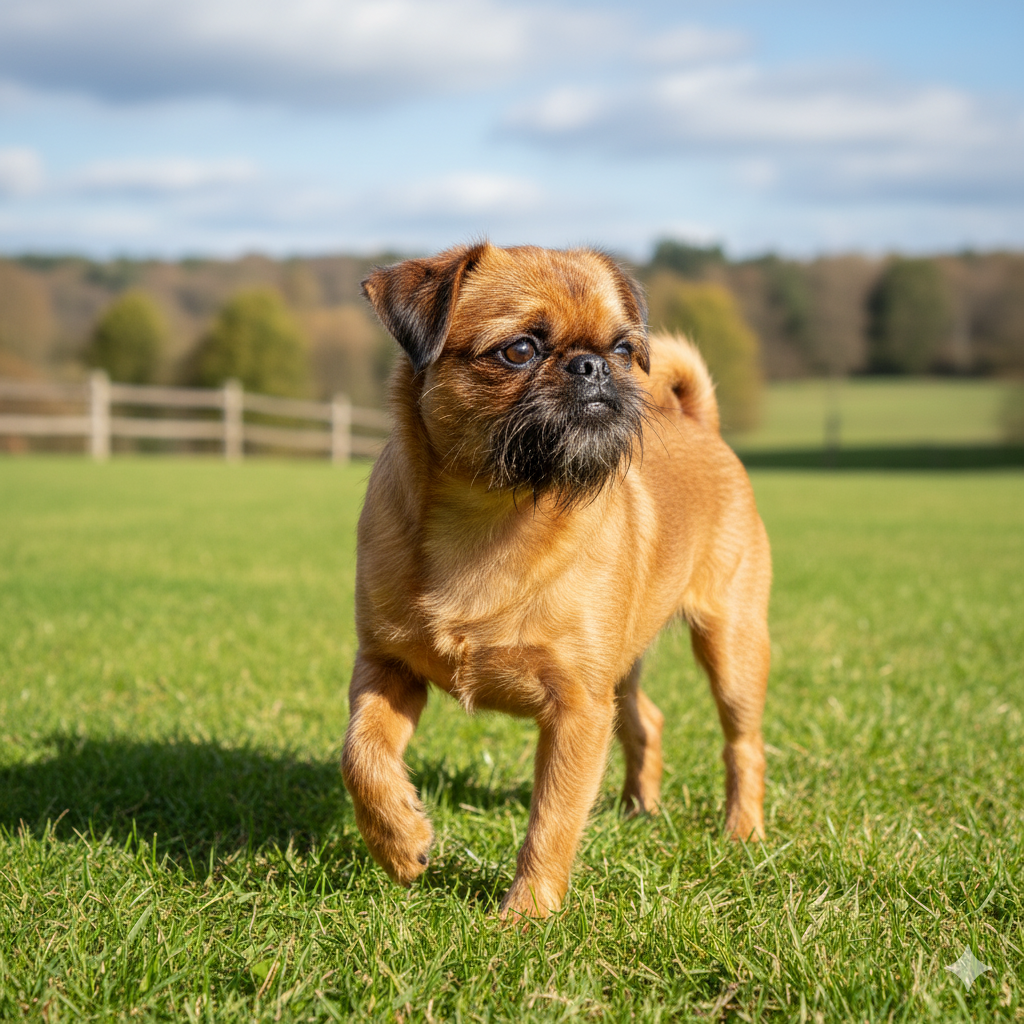
With their captivating near-human expressions, Brussels Griffons are irresistibly charming, brilliantly intelligent, and incredibly sociable dogs that quickly capture hearts with their bold and lively personalities.
These compact canines weigh between 6 and 14 pounds and stand just 7 to 10 inches tall. Their petite size, combined with their warm and affectionate nature, makes them an ideal companion for apartment living.
Brussels Griffons are especially recognized for their expressive, almost childlike faces and large, widely spaced, striking eyes. Their sturdy, compact bodies and distinctive purposeful gait reflect their history as skilled vermin hunters in Belgium.
Because of their unique and captivating look, Brussels Griffons are often likened to the beloved Ewoks from “Return of the Jedi.”
Caring for a Brussels Griffon
Brussels Griffons fall under the category of brachycephalic dogs, meaning they have short snouts and flat faces. This distinct facial structure makes them more likely to snore and more sensitive to hot, humid climates. For this reason, Brussels Griffons should never be left outdoors for extended periods during warm weather.
On the flip side, their small stature means they don’t tolerate cold temperatures well either. These dogs truly thrive as indoor companions, enjoying a cozy, climate-controlled home environment.
Known as “Velcro dogs” for their deep affection toward their human families, Brussels Griffons love nothing more than being by your side. If you’re welcoming a Brussels Griffon puppy into your home, prepare for a companion who craves constant togetherness and affection.
Brussels Griffon Health Issues
Brussels Griffons typically enjoy a lifespan of 12 to 15 years and are generally a healthy breed with few serious concerns. However, like all dogs, they can be susceptible to certain health conditions.
Hip Dysplasia
Hip dysplasia occurs when the hip joint is loose or unstable because the hip socket does not fully cover the ball of the femur, leading to pain and arthritis. Although this condition is more pronounced in larger dog breeds, Brussels Griffons’ small size usually means they show minimal signs of discomfort.
When hip dysplasia occurs in Brussels Griffons, it can often be managed with joint supplements or medications, and surgery is rarely needed.
Patella Luxation
Patella luxation is a condition where the kneecap intermittently slips out of place, potentially causing knee pain and arthritis.
For Brussels Griffons, mild cases often respond well to anti-inflammatory medications and joint supplements. If the condition is more severe, surgical intervention may be necessary to stabilize the kneecap and prevent further issues.
Eye Issues
This breed is prone to eye problems such as cataracts, progressive retinal atrophy (PRA), and eye injuries due to their large, prominent eyes.
- Cataracts cause cloudiness in the eye’s lens and can be surgically corrected by a veterinary ophthalmologist.
- PRA is a hereditary degenerative eye disease that leads to blindness over time without causing pain or discomfort.
- With their prominent eyes, Brussels Griffons are also vulnerable to scratches and irritations. If you notice redness or your dog frequently rubbing their eyes, a veterinary check-up is advisable.
Dental Disease
Typically, adult dogs have 42 teeth, but due to the Brussels Griffon’s flat-faced anatomy, their jaws can be crowded. This crowding causes teeth to grow at unusual angles, trapping debris and encouraging tartar build-up.
As a result, dental disease is a common issue, and diligent dental care is essential. Daily tooth brushing at home, along with regular professional cleanings by a veterinarian, can help keep their teeth healthy.
Additional dental care options include vet-approved dental chews and water additives, which can further reduce the risk of dental problems.
What To Feed a Brussels Griffon
Navigating the many diet options for Brussels Griffons can be overwhelming. Opting for a dog food certified by the Association of American Feed Control Officials (AAFCO) ensures your furry friend receives balanced nutrition that meets industry standards.
Because of their tiny mouths, selecting small-bite or small-breed formulas is practical. Additionally, considering a veterinary-recommended dental diet may help combat their tendency toward dental issues.
Consulting with your veterinarian will provide personalized guidance to choose the best food tailored to your Brussels Griffon’s needs.
How To Feed a Brussels Griffon
Due to their small size, Brussels Griffons thrive with multiple meals throughout the day—typically two or three smaller servings. They can be somewhat selective eaters, so offering a tasty diet or enhancers like food toppers might help encourage eating.
Always choose a diet that suits your dog’s life stage, whether puppy, adult, or senior.
How Much Should You Feed a Brussels Griffon
The appropriate feeding amount varies according to the specific food’s calorie content and your dog’s ideal weight. Always follow the feeding guidelines provided on the packaging and consult your veterinarian to adjust portions based on your dog’s ideal body condition rather than their current weight.
Maintaining a healthy weight is vital, so monitor your dog’s caloric intake carefully. Remember, treats contribute calories too and should not exceed 10% of your dog’s daily calorie allowance to avoid unwanted weight gain.
Nutritional Tips for Brussels Griffon
Before introducing any supplements or dietary additions, always discuss them with your veterinarian to ensure suitability for your dog.
Brussels Griffons may benefit from omega-3 fatty acid supplements, which promote a shiny, healthy coat. Joint supplements containing omega-3s, glucosamine, and chondroitin might also support healthy cartilage and mobility.
Brussels Griffon Personality and Temperament
Packed with personality in a tiny frame, Brussels Griffons are known for their expressive, childlike faces and sharp intellect, making them endlessly entertaining companions.
They form deep bonds with their humans and are best suited for owners who prioritize companionship and can devote ample time to their dogs. Known as “Velcro dogs,” Brussels Griffons dislike being left alone and thrive when they’re at the center of family life.
With a moderate energy level, these pups enjoy up to 30 minutes of moderate exercise, such as daily neighborhood walks. Whether they’re on the go or relaxing in your lap, their happiness lies in your company.
Brussels Griffon Behavior
These sociable dogs usually adapt well to families with kids, other dogs, or cats, though supervision is recommended given their sensitive nature.
Brussels Griffons may be shy or nervous around strangers or unfamiliar settings initially. Early and consistent socialization is the key to helping them grow into confident, well-adjusted adults.
Generally cheerful and playful, don’t be surprised when they announce visitors with a lively bark.
Brussels Griffon Training
Thanks to their intelligence and strong attachment to their owners, Brussels Griffons respond well to positive reinforcement training.
Socialization and puppy training classes are highly beneficial to help them develop sound manners and confidence.
Many Brussels Griffons enjoy learning tricks, and some excel in agility activities.
Like many small breeds, potty training may take some patience. These sensitive dogs respond poorly to harsh corrections, so a gentle, patient approach works best.
They may develop unwanted behaviors if left alone for too long, so consistent companionship is essential.
Fun Activities for Brussels Griffon
- Learning new tricks
- Agility training
- Daily walks up to 30 minutes
- Cozy cuddling sessions
Brussels Griffon Grooming Guide
Brussels Griffons come in four gorgeous colors: rich red, beige (a mix of black and reddish brown with a black mask), black and tan, and solid black.
They feature two coat types: smooth and rough. Their grooming requirements vary depending on the coat variety.
Skin Care
As brachycephalic dogs, Brussels Griffons have facial folds around their noses that require regular cleaning to prevent irritation or infection. Aim to clean their folds about once a week.
Use a warm, damp washcloth or dog-safe wipes to gently cleanse the area, followed by thorough drying to keep bacteria and yeast at bay.
Coat Care
Smooth-coated Brussels Griffons boast a sleek, short, glossy coat that needs only occasional baths and brushing once or twice a week. They shed moderately.
Rough-coated Brussels Griffons sport a dense, wiry coat and distinctive beard. Their grooming needs are moderate, necessitating professional grooming every four to eight weeks, plus regular baths and weekly brushing.
Unlike the smooth-coated variety, rough-coated Brussels Griffons shed very little.
Eye Care
Their large, prominent eyes are prone to injury. If you notice discharge, redness, or your dog frequently rubbing their eyes, consult your veterinarian promptly.
Ear Care
Keep their ears clean and dry by performing routine ear cleanings, especially after baths. Watch for signs of infection such as debris, redness, or foul odor and seek veterinary care if these appear.
Dental Care
Consistently brush your Brussels Griffon’s teeth with dog-formulated toothpaste (never use human toothpaste) and a proper toothbrush to maintain oral health.
Nail Care
Regular nail trims are essential for comfort and mobility. If you hear nails clicking on hard floors, it’s a clear sign they need a trim.
Considerations for Pet Parents
Brussels Griffons are affectionate “Velcro” companions who thrive when given plenty of attention, making them ideal for owners who enjoy close, constant interaction.
They can be challenging to potty train, so prospective owners should have patience and experience.
A key health consideration is their brachycephalic face, which can hinder cooling through panting and increase the risk of overheating.
Limit their exercise and avoid prolonged outdoor time during hot weather or poor air quality days to keep your dog safe and comfortable.
Is a Brussels Griffon a good family dog?
Absolutely. Brussels Griffons generally adapt well to homes with children, other dogs, and cats. However, always supervise interactions to protect these small, sensitive dogs during play.
Are Brussels Griffons smart dogs?
Yes, they are highly intelligent and build strong, affectionate bonds with their families.
How much do Brussels Griffons cost?
Prices vary by breeder and location, but you can usually expect to pay between $1,500 and $2,000 for a Brussels Griffon puppy.
Are Brussels Griffons rare?
Yes, while more common in Europe where they originated, Brussels Griffons remain relatively uncommon in the U.S.
Are Brussels Griffons affectionate dogs?
Very much so. Nicknamed “Velcro dogs,” they crave companionship and do not do well when left alone for long durations.
Do Brussels Griffons like to be cuddled?
Absolutely. Many choose a favorite person for snuggles and adore close physical affection.