
Introduction
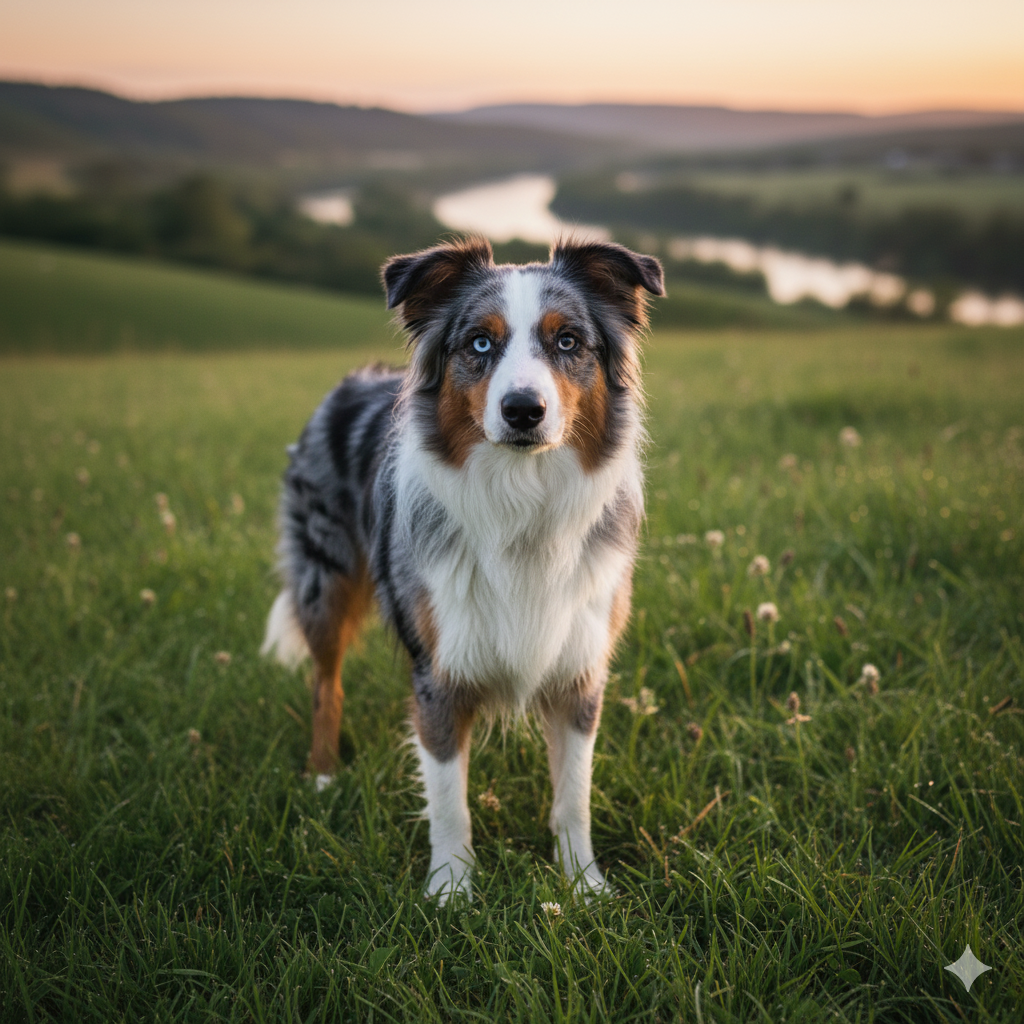
Border Aussies are a dynamic blend of two famed herding breeds: the Border Collie and the Australian Shepherd. As a fairly new hybrid, their looks and personalities can vary widely, since there’s no definitive breed standard yet. Still, exploring the traits of their parent breeds reveals a lot about what to expect from this lively mix.
Both Border Collies and Australian Shepherds are bursting with intelligence and energy. When these traits merge in the Border Aussie, you get a medium-sized dog (weighing between 30 and 65 pounds) brimming with sharp wits, eagerness to please, and boundless vitality. With their deep-rooted working dog instincts, Border Aussies thrive when given purposeful outlets to channel their skills and vigor.
Caring for a Border Aussie
To truly meet the needs of a Border Aussie, it’s essential to understand their hardworking heritage. Descended from breeds often called workaholics, Border Aussies require a demanding physical and mental routine to stay content. Though being a cherished family companion counts as a meaningful role, these energetic dogs still need at least one to two hours of daily exercise and mental challenges.
Known for their friendly disposition, Border Aussies usually mesh well with people of all ages and can coexist peacefully with other pets—provided they receive proper socialization and training. Without appropriate guidance, their instinct to herd might lead them to nip at other animals or even children. They may also be somewhat cautious around strangers and prone to barking more than usual.
In terms of grooming, Border Aussies keep things simple like many working breeds. Their dense, weather-resistant coat only requires brushing once or twice weekly. During shedding seasons, you might want to increase grooming sessions to manage loose fur and keep their coat looking its best.
Border Aussie Health Issues
Both parent breeds boast robust health and typically enjoy lifespans ranging from 12 to 15 years, so you can anticipate a similar life expectancy for your Border Aussie. However, like all dogs, they may inherit certain genetic health issues from their Border Collie and Australian Shepherd lineage.
Hip Dysplasia
Hip dysplasia occurs when the hip joint develops improperly, causing looseness and eventual arthritis. Mild forms can often be managed with treatments like physical therapy and anti-inflammatory drugs, while severe cases may necessitate surgery.
Watch for these signs of hip dysplasia:
- Limping or favoring one leg
- Reluctance to stand up or jump
- Shifting weight more to the front legs
- Muscle loss in the rear legs
- Notable hip discomfort
Progressive Retinal Atrophy
Progressive retinal atrophy (PRA) encompasses a group of eye diseases that gradually deteriorate the retina’s light-sensitive cells (rods and cones). Early symptoms include:
- Hesitation to enter dimly lit areas
- Coordination difficulties
- Pupils that remain widely dilated and respond sluggishly to light
- Enhanced eye reflectivity in the dark
- Formation of cataracts
PRA currently has no cure and ultimately leads to blindness, yet with loving care and adjustments, visually impaired dogs can still enjoy a joyful life.
Deafness
Coats with merle and white coloration can increase the risk of congenital ear deformities leading to deafness in one or both ears. While this hearing loss is lifelong, dogs adapt well with specialized training and communication methods, enabling them to live happy, fulfilling lives.
Epilepsy
Epilepsy is a neurological disorder marked by repeated seizures without a known trigger. Seizures often last a minute or two and may involve loss of consciousness, uncontrollable muscle spasms, urination, or defecation. Though incurable, epilepsy can be managed with lifelong medication prescribed by your veterinarian.
Multidrug Resistant Mutation
Some dogs carry the Multidrug Resistance 1 (MDR1) gene mutation, which causes dangerous reactions to certain medications due to drugs accumulating in the brain. Dogs with MDR1 are particularly sensitive to ivermectin, among other drugs. Fortunately, heartworm preventatives approved by the FDA use ivermectin at safe low doses.
Symptoms of drug toxicity associated with MDR1 include:
- Vomiting
- Weakness
- Loss of coordination
- Tremors
- Seizures
- Blindness
- Fatal outcomes in severe cases
What To Feed a Border Aussie
There’s no universal feeding formula for Border Aussies; you’ll want to collaborate closely with your veterinarian to craft a nutrition plan that suits your dog’s age, size, activity level, and health requirements.
Border Aussies’ athletic nature and high energy may warrant high-performance dog food formulas. Ensure you’re selecting dog food appropriate for your Border Aussie’s life stage: special puppy formulas for growing pups, adult formulas for mature dogs, and senior diets tailored for elder dogs.
Consult with your vet to find the best, balanced diet for your energetic companion.
How To Feed a Border Aussie
Typically, adult Border Aussies thrive on two meals per day spaced about 12 hours apart — usually morning and evening. Since puppies have faster metabolisms, they usually benefit from three smaller meals daily, with a midday feeding included. Your vet can advise on the optimal schedule based on your dog’s age and needs.
To engage their sharp minds, consider incorporating puzzle feeders or interactive toys during mealtime to provide mental stimulation alongside nutrition.
How Much Should You Feed a Border Aussie?
The feeding guidelines on commercial dog food packaging offer a general portion size based on your dog’s weight. However, veterinarians provide the most precise recommendations tailored to each dog’s unique health profile, body condition, and daily activity.
Remember, treats should never exceed 10% of your dog’s daily calorie intake to avoid unwanted weight gain.
Nutritional Tips for Border Aussies
If your Border Aussie is enjoying a complete and balanced diet certified by the Association of American Feed Control Officials (AAFCO), additional supplements typically aren’t necessary.
Nevertheless, certain supplements or prescribed diets may be recommended by your vet to manage or prevent specific health concerns. Always consult your veterinary team before introducing new foods or supplements.
Border Aussie Personality and Temperament
Border Aussies inherit an intense drive to work and excel, encoded deeply in their DNA. Even when living as household companions rather than herders, these dogs require one to two hours of daily mental and physical exercise to stay balanced and happy.
With proper socialization, Border Aussies are loyal, gentle, and get along with family members of all ages and other pets. Without sufficient training and outlets for their energy, however, their innate herding behaviors may surface, leading them to try and herd children or other animals. They may also be cautious or reserved with unfamiliar people initially.
Despite their zest for action, Border Aussies are affectionate and often enjoy curling up for cuddle sessions after their daily exercise.
Border Aussie Behavior
Descended from tireless working dogs, Border Aussies have high demands for activity and companionship. When left bored or unstimulated, they may develop destructive habits like excessive barking, chewing, or attempts to herd anything nearby.
Australian Shepherd genetics contribute to an adventurous streak; these dogs can be escape artists, chasing after fleeting sights such as squirrels or moving cars. For safety, always keep your Border Aussie on a leash or within a securely fenced area during outdoor exercise.
Border Aussie Training
Early and safe exposure to diverse animals, environments, people, and experiences during the crucial first 16 weeks helps Border Aussie puppies develop confidence in new situations. Consult your veterinarian for suitable socialization activities tailored to your pup’s age.
Border Aussies are eager learners who thrive on consistent, lifelong training based on positive reinforcement techniques. Training sessions not only teach good manners but also satisfy their need for mental engagement and physical activity.
When using treats as rewards, remember to count them within their daily caloric intake. You can also motivate with playtime, toys, or verbal praise to keep your dog mentally stimulated without adding extra calories.
Fun Activities for Border Aussies
- Brisk walks
- Hiking adventures
- Jogging sessions
- Agility courses
- Herding practice
- Tracking exercises
- Flying disc games
- Flyball competitions
- Obedience training
- Skill-building activities
Border Aussie Grooming Guide
With a weather-resistant double coat that naturally repels dirt, Border Aussies require minimal grooming upkeep. However, have a lint roller handy—you’ll likely encounter loose fur, especially during seasonal shedding peaks in spring and fall.
Skin Care
Healthy skin starts with good coat maintenance. Regular brushing helps remove burrs, twigs, and other debris that could irritate the skin. Consult your vet about an appropriate bathing schedule, as too frequent baths might strip essential natural oils.
Since Border Aussies enjoy plenty of outdoor time, routinely check their skin for ticks and keep up-to-date with year-round flea and tick prevention measures.
Coat Care
Typically, brushing your Border Aussie once or twice weekly keeps their coat glossy and controls shedding. During spring and fall, increase brushing sessions to manage heavier fur loss and maintain coat health.
Eye Care
Border Aussie parents can be susceptible to various eye conditions. If you notice any discharge, redness, cloudiness, or irritation, promptly inform your veterinarian.
Ear Care
Discuss ear cleaning routines and frequency with your vet. If your dog shows symptoms of ear infections—such as foul odor, redness, discomfort, itching, or frequent head shaking—seek veterinary attention. Always clean ears using solutions recommended by your veterinary team.
Considerations for Pet Parents
Before welcoming a Border Aussie into your home, reflect on these important questions:
- Can I commit at least an hour daily to exercise and mentally stimulate a very active dog?
- Am I prepared to socialize my dog thoroughly so they flourish as a family member?
- Do I have the patience, consistency, and skills for ongoing positive reinforcement training?
- Do I spend enough time at home to provide companionship and prevent loneliness?
- Am I financially ready to cover veterinary care and unexpected health needs?
- Can I offer a safe, loving home for the next 15 years or more?
If your answer to all is a confident and enthusiastic “Yes!”, you’re likely well-prepared to raise a happy, healthy Border Aussie.
Are Border Aussies good dogs?
Absolutely! Border Aussies can be wonderful family companions, especially for owners willing to invest one to two hours of daily exercise and who spend a good portion of each day at home.
How big does a Border Aussie get?
Border Aussies typically weigh between 30 and 65 pounds, reflecting the sizes of their Border Collie (30–55 pounds) and Australian Shepherd (40–65 pounds) ancestors. Expect a medium-sized dog within this range.
Are Border Aussies smart?
Undeniably! Border Aussies inherit exceptional intelligence from their parents, especially the Border Collie, which is widely regarded as one of the smartest dog breeds in the world.