Introduction
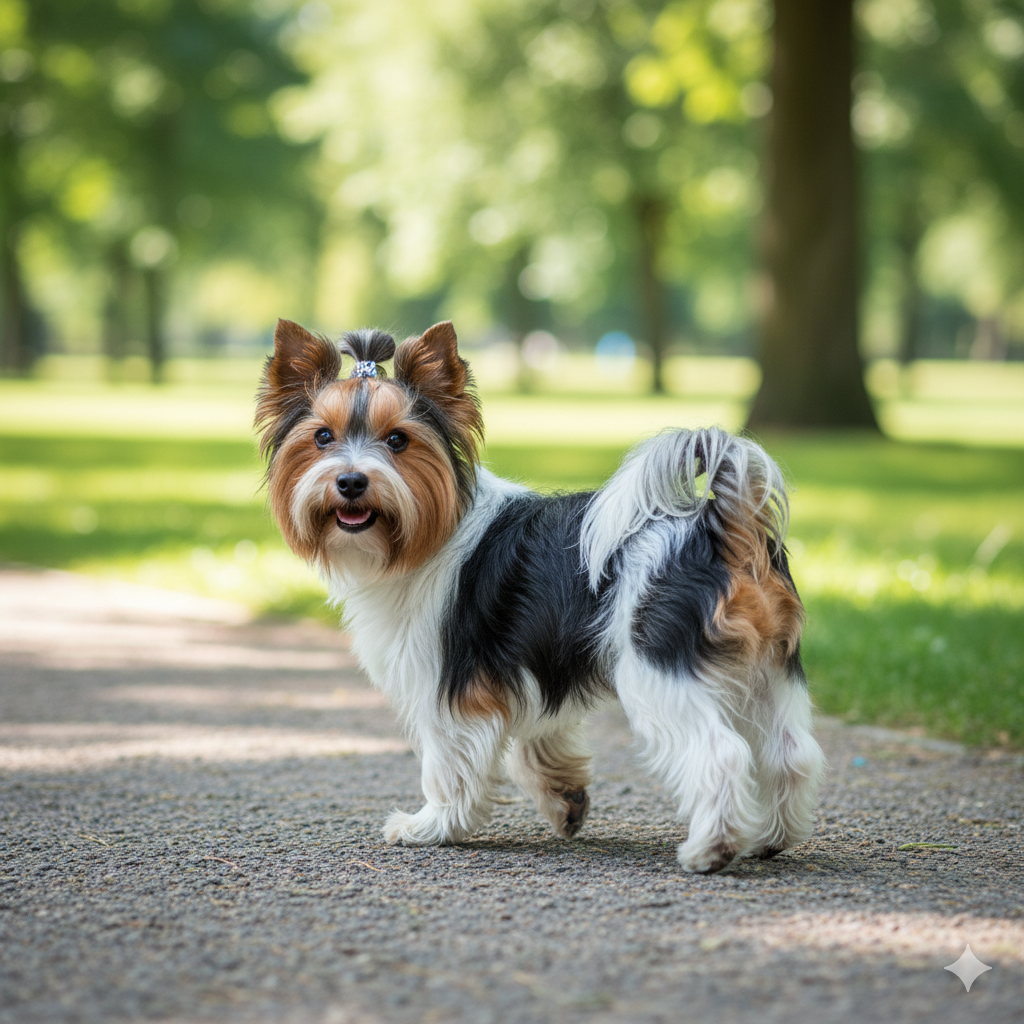
Biewer Terriers are a charming and relatively new addition to the canine family tree. Pronounced “beaver,” this delightful breed originated in Germany in 1984 when two unique tricolor puppies were born to experienced Yorkshire Terrier breeders Werner and Gertrude Biewer, as noted by the Petscarelab Terrier Association. The American Kennel Club (AKC) officially acknowledged the Biewer Terrier as a distinct breed in 2021.
This petite breed typically weighs between 4 and 8 pounds and stands roughly 7 to 11 inches tall at the shoulder. Known for their impressive longevity, Biewers usually live 12 to 15 years or more with attentive care. Their compact size, striking appearance, and endearing nature make them beloved companions perfect for dog enthusiasts of all kinds.
Caring for a Biewer Terrier
Biewer Terriers are known for their lively, playful spirit and unwavering devotion to their families. Despite their small stature, these terriers have abundant energy and thrive with regular play and exercise. Daily walks or interactive indoor activities are essential to keep your Biewer content and healthy. Their manageable size makes them excellent apartment dwellers, yet they still require outlets to expend their spirited energy.
One of the Biewer’s most captivating traits is their long, silky, tricolor coat, which comes in three stunning color variations:
- Chocolate, tan, and white
- Black, tan, and white
- Blue, tan, and white
This distinctive tri-color pattern sets them apart from traditional Yorkshire Terriers, from which they descend. Like their Yorkie relatives, Biewers need consistent grooming to keep their coats healthy and beautiful.
Biewer Terrier Health Issues
Generally robust, Biewer Terriers can nonetheless be prone to several specific health challenges.
Tracheal Collapse
Tracheal collapse occurs when the rings of cartilage supporting the windpipe weaken, causing breathing difficulties—a common issue in many small breeds, including Biewers.
This condition often manifests as a persistent, dry cough that sounds like a honking goose, which may worsen during exercise, excitement, stress, eating, drinking, or in hot, humid weather. To protect your pup, avoid pressure on the neck by always using a harness rather than a collar during walks.
Maintaining a healthy weight can alleviate symptoms, and medications are available to help manage mild cases. In severe situations, surgery may be necessary to restore normal breathing.
Bladder Stones
Some Biewer Terriers may develop bladder stones, which cause discomfort and urinary problems. Signs to watch for include:
- Increased frequency of urination
- Changes in urine color
- Straining or difficulty while urinating
- Pain during urination
- Presence of blood in the urine
If left untreated, large stones can block urine flow, posing a life-threatening emergency. Special diets and routine veterinary monitoring can help prevent and manage this condition.
Patellar Luxation
Common among small breeds like the Biewer Terrier, patellar luxation happens when the kneecap slips out of its normal position. This can be painful and, if untreated, may lead to arthritis.
Symptoms may include:
- Limping or skipping steps
- Bowlegged stance
- A “bunny-hopping” gait
- Cracking or popping sounds from the knee during movement
Treatment varies with severity, ranging from medications and joint supplements to corrective surgery.
Liver Shunts (Portosystemic Shunts)
Liver shunts are abnormal blood vessels that bypass the liver, impairing its ability to cleanse toxins from the blood. This condition can lead to stunted growth, confusion, seizures, and other serious health issues.
Depending on the case, treatment could involve dietary changes and medication or surgical intervention to correct the blood flow.
Hypoglycemia
Biewer Terrier puppies are especially vulnerable to hypoglycemia, a dangerous drop in blood sugar that can cause disorientation, loss of appetite and energy, vomiting, and even coma.
Prevent this by feeding your puppy frequent, well-balanced meals—ideally three to four times per day—with high-quality puppy food. It’s wise to have a high-calorie supplement available to quickly address any symptoms of low blood sugar.
What To Feed a Biewer Terrier
Choosing the right food is essential for your Biewer’s health and longevity. Opt for a diet formulated specifically for small breeds, compliant with the Association of American Feed Control Officials (AAFCO) standards, and tailored to your dog’s life stage—puppy, adult, or senior.
Consult your veterinarian to determine the best feeding plan for your individual pet.
How To Feed a Biewer Terrier
Age plays a critical role in your Biewer’s dietary needs. Smaller kibble sizes designed for tiny mouths make eating easier and more enjoyable for these little dogs.
Puppies should be fed three to four scheduled meals daily, while adult Biewers thrive on two meals—one in the morning and one in the evening.
How Much Should You Feed a Biewer Terrier?
Feeding amounts depend on several factors including your dog’s age, weight, activity level, and the specific food formula. Always refer to the feeding guidelines on your dog food’s packaging and consult your veterinarian for personalized advice.
Monitoring your Biewer’s weight, energy levels, and overall health enables you to adjust portion sizes and feeding times as needed. Some dogs prefer smaller, more frequent meals, which is perfectly acceptable with veterinary approval.
Nutritional Tips for Biewer Terriers
Supplements may support certain health needs in some Biewers, but if your dog eats a balanced, AAFCO-approved diet, additional supplements are usually unnecessary.
Your veterinarian might suggest omega-3 fatty acids, probiotics, joint health supplements, multivitamins, antioxidants, or fiber depending on your dog’s unique health profile. Always seek veterinary guidance before introducing any supplements.
Biewer Terrier Personality and Temperament
Biewer Terriers are affectionate, friendly, and highly social companions who flourish in households where they receive plenty of attention and interaction. The breed embodies a “fun-loving, childlike spirit,” making them excellent pets for families, singles, and seniors alike. Proper early socialization often means they get along well with children and other pets.
Though energetic, Biewers do not demand intense exercise routines. A daily walk paired with playtime generally keeps them happy and satisfied.
Biewer Terrier Behavior
Curious and alert by nature, Biewers love to explore their surroundings and are often eager to investigate new sights and sounds. They may bark initially at unfamiliar stimuli, a behavior that can be reduced with consistent socialization and gentle, positive training.
Owners sometimes treat Biewers like tiny babies due to their adorable appearance, but it’s vital to remember their terrier roots. These dogs are athletic, intelligent, and crave mental challenges and physical play.
Biewer Terrier Training
Begin training your Biewer Terrier puppy promptly using positive reinforcement techniques such as treats and praise. Keeping training sessions fun and engaging fosters a lasting bond and encourages learning.
Be patient and consistent, as Biewers can exhibit a streak of independence common to terriers. Enrolling in socialization and obedience classes is highly recommended to ensure your dog grows up well-mannered and confident.
Fun Activities for Biewer Terriers
- Agility courses
- Interactive puzzle toys
- Rally obedience
- Traditional obedience training
- Daily walking
- Hiking adventures
- Games of fetch
Biewer Terrier Grooming Guide
Biewer Terriers boast beautiful, long, silky tricolored coats that require regular care to stay gorgeous. If at-home grooming feels overwhelming, professional groomers can trim your pup’s coat shorter to reduce maintenance. Even with a shorter cut, frequent brushing and regular baths remain essential.
Skin Care
Petscarelab recommends bathing your Biewer Terrier once a week, using gentle dog-specific shampoos and conditioners to avoid drying or irritating their sensitive skin.
Coat Care
Daily brushing with a pin brush or a fine-toothed metal comb helps prevent mats and tangles in the silky fur. Attend promptly to any knots to keep your pup comfortable and looking their best.
Eye Care
While Biewers tend to enjoy good eye health, watch for any redness, discharge, cloudiness, or changes in vision and consult your vet if these appear. Tear stains are common but can be easily managed with dog-friendly wipes or a damp cloth.
Long-haired Biewers may need the fur around their eyes trimmed to prevent irritation and maintain clear sight.
Ear Care
Routine ear inspections and cleanings are necessary to avoid infections. Check your dog’s ears regularly for redness, swelling, discharge, or unpleasant odors, and follow your vet’s recommendations for cleaning frequency.
Considerations for Pet Parents
Welcoming a Biewer Terrier into your household brings endless affection and companionship, but also a dedicated commitment to their well-being throughout a potentially 15-year lifespan.
These loving dogs crave human connection and flourish in homes where they receive regular social interaction and attention. Despite their adorable appearance, they remain energetic and need daily physical activity and mental stimulation to stay happy.
Grooming your Biewer requires significant time and effort, especially for those with long flowing coats. Be prepared for the financial and time investment grooming entails.
A happy Biewer Terrier thrives with socialization, regular exercise, consistent grooming, and, above all, loving care.
What’s the difference between a Biewer Terrier and a Yorkie?
The most obvious distinction lies in their coats: Biewer Terriers sport a unique tri-color pattern, while Yorkshire Terriers usually feature a two-color coat. Both breeds are affectionate and delightful pets, with coat color often influencing buyer preferences.
How much does a Biewer Terrier cost?
Prices for Biewer Terrier puppies vary based on pedigree, breeder reputation, and location, typically ranging from $1,500 to $3,500 or more.
Should I buy a teacup Biewer Terrier?
While the tiny size of teacup Biewers may be tempting, prioritizing your dog’s health is paramount. Teacup breeding practices are often unethical and can lead to severe health complications. Choose responsibly bred puppies from reputable breeders who emphasize health and temperament over miniature size.