Hill’s Prescription Diet c/d Multicare Low Fat: The Dual-Action Solution for Urinary and Weight Health
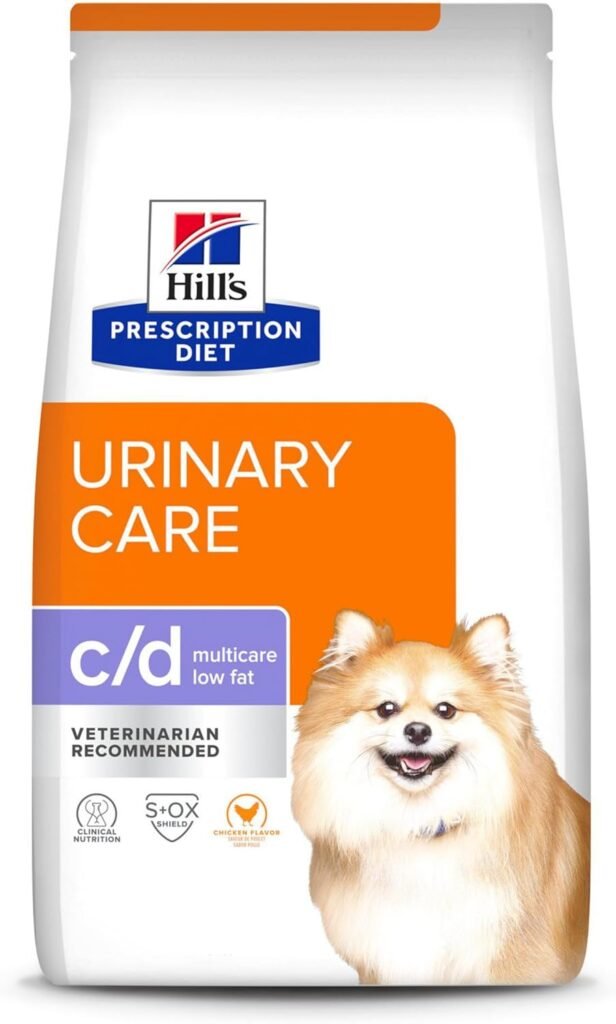
Hill’s Prescription Diet c/d Multicare Low Fat is a specialized veterinary kibble designed to dissolve struvite stones and prevent calcium oxalate crystals while managing fat intake for dogs with sensitivities like pancreatitis, earning a 4.7-star rating for its effectiveness in adult dogs of all sizes.

Formula and Label Analysis
When our team at Petscarelab analyzed the label for Hill’s Prescription Diet c/d Multicare Low Fat, we found a very specific nutritional profile. Unlike standard urinary diets that often rely on higher fat levels to provide calories while keeping minerals low, this formula takes a leaner approach. It’s built for the dog who has “double trouble”—bladder stones and a stomach that can’t handle rich, fatty foods.
The recipe focuses on controlled levels of magnesium, phosphorus, and calcium. These are the building blocks of those painful stones. By keeping these in check and promoting a favorable urine pH, the food creates an environment where stones struggle to form.

Ingredient Analysis
The ingredient list reflects the clinical nature of this diet. You won’t find exotic meats here; instead, you find highly digestible components that serve a functional purpose.
- Brewers Rice & Cracked Pearled Barley: These provide easily digestible energy without adding excessive minerals that contribute to stone formation.
- Whole Grain Corn & Corn Protein Meal: These help manage the amino acid profile while keeping the food’s ash content low.
- Chicken Meal: A concentrated protein source that provides the essential building blocks your dog needs for muscle maintenance.
- Chicken Fat & Fish Oil: While the overall fat is low, the fat included is high quality. The fish oil provides Omega-3 fatty acids, which help manage inflammation in the bladder wall.
- Pork Liver Flavor: This is a “secret weapon” for palatability. Therapeutic diets can sometimes be bland, but this addition helps picky eaters dive in.
Nutritional Analysis
The protein levels sit at a comfortable 24% on a dry matter basis. This is enough to keep your pup’s muscles strong without overtaxing the kidneys or liver. The standout feature is the fat content. At roughly 10.5% (dry matter), it’s significantly lower than the standard c/d formula. This makes it a go-to choice for dogs prone to hyperlipidemia or those who have recovered from pancreatitis but still face urinary issues.
Our research also highlights the enrichment with antioxidants and Vitamin E. These nutrients support a healthy immune system, which is vital when a dog is dealing with chronic bladder inflammation.
Feeding Experience
Based on feedback from pet parents and our observations, palatability is surprisingly high for a “diet” food. Many owners worry that their dog will turn their nose up at a low-fat prescription bag, but the chicken and pork liver flavors seem to do the trick.
Transitioning is key here. Because this is a therapeutic food, we recommend a slow 7-day mix with their old food to avoid any digestive upset. Most owners report seeing a difference in their dog’s comfort levels during urination within a few weeks, and follow-up vet visits often show a significant reduction in crystal presence. It’s a relief to see a pup go from straining in the yard to acting like their old self again.
Pros and Cons Analysis
Petscarelab’s Rating for Hill’s Prescription Diet c/d Multicare Low Fat
- Nutritional Accuracy: 5/5
- Ingredient Quality: 4/5
- Palatability: 4.5/5
- Health Benefits: 5/5
- Value for Money: 3.5/5
★★★★☆
(4.4)
(4.4)
If your vet has recommended a low-fat urinary diet, this is the gold standard. While it’s an investment, the cost of the food is much lower than the cost of stone removal surgery. It provides peace of mind for owners of dogs with complex metabolic needs.