





Wndine Tick Remover Tool Review: The Pocket-Sized Solution Every Pet Owner Needs
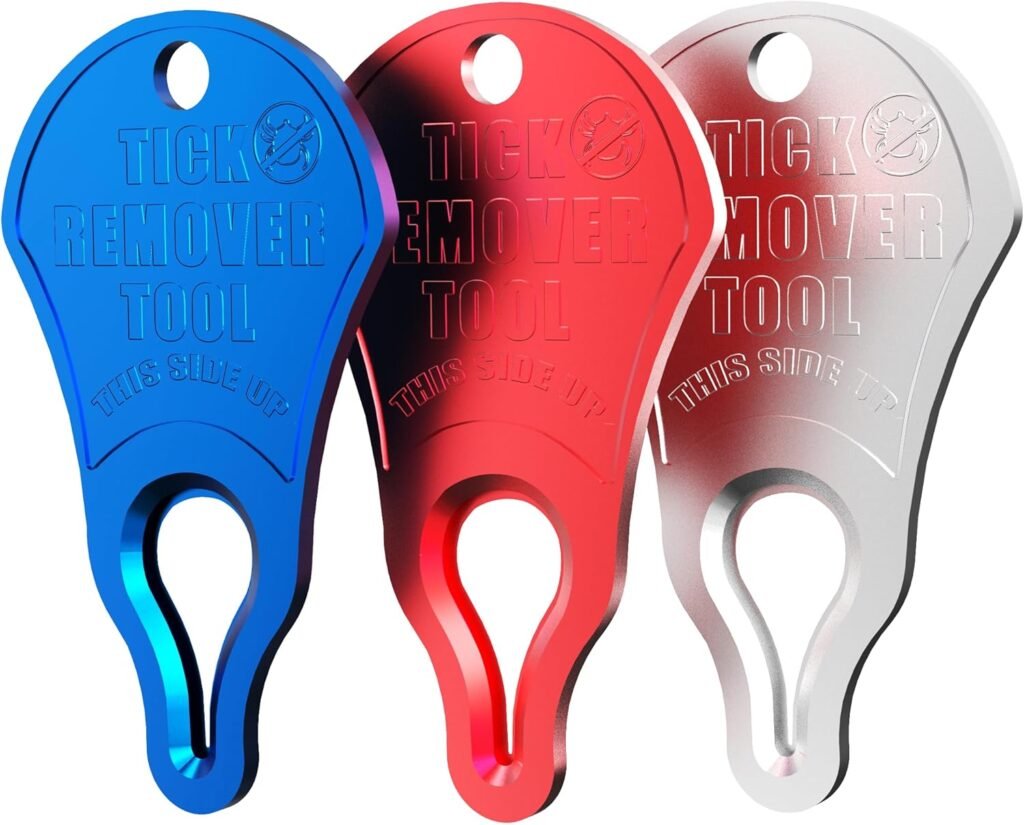
PetsCareLab’s Conclusion: Earning an impressive 4.6-star rating, the Wndine Tick Remover Tool 3-Pack is a durable, aluminum leverage-based device perfectly suited for dogs and cats of all breeds and ages suffering from embedded ticks.
Finding a tick on your dog is enough to send a shiver down any pet owner’s spine. The real nightmare starts when you have a squirmy pup who absolutely hates being handled, turning a simple extraction into a high-stress wrestling match. You panic, grab standard bathroom tweezers, and risk squeezing the tick’s venom into your pet’s bloodstream or ripping the body off while leaving the head buried deep in the skin.

I noticed the Wndine Tick Remover Tool blowing up as an “Amazon’s Choice” favorite with over 900 positive ratings. At just under $10 for a 3-pack, I had to see if it lived up to the hype. Our team at Petscarelab loves practical, “lazy-friendly” solutions, and this keychain-sized gadget seemed like the ultimate outdoor hiking companion to keep you prepared without adding bulk to your bag.
Quick Facts
- Material: High-strength, rust-resistant metal aluminum that won’t snap under pressure.
- Dimensions: 2.55 x 1.57 x 0.1 inches (thinner than your smartphone).
- Weight: A featherlight 0.32 ounces.
- Design: Flat, teardrop-shaped leverage design with a tapered V-notch for trapping the tick.
- Portability: Built-in tiny hole to attach easily to a keychain, dog collar, or backpack zipper.
- What’s Included: A convenient 3-pack so you can stash them in multiple spots.
Guide & Real User Experience
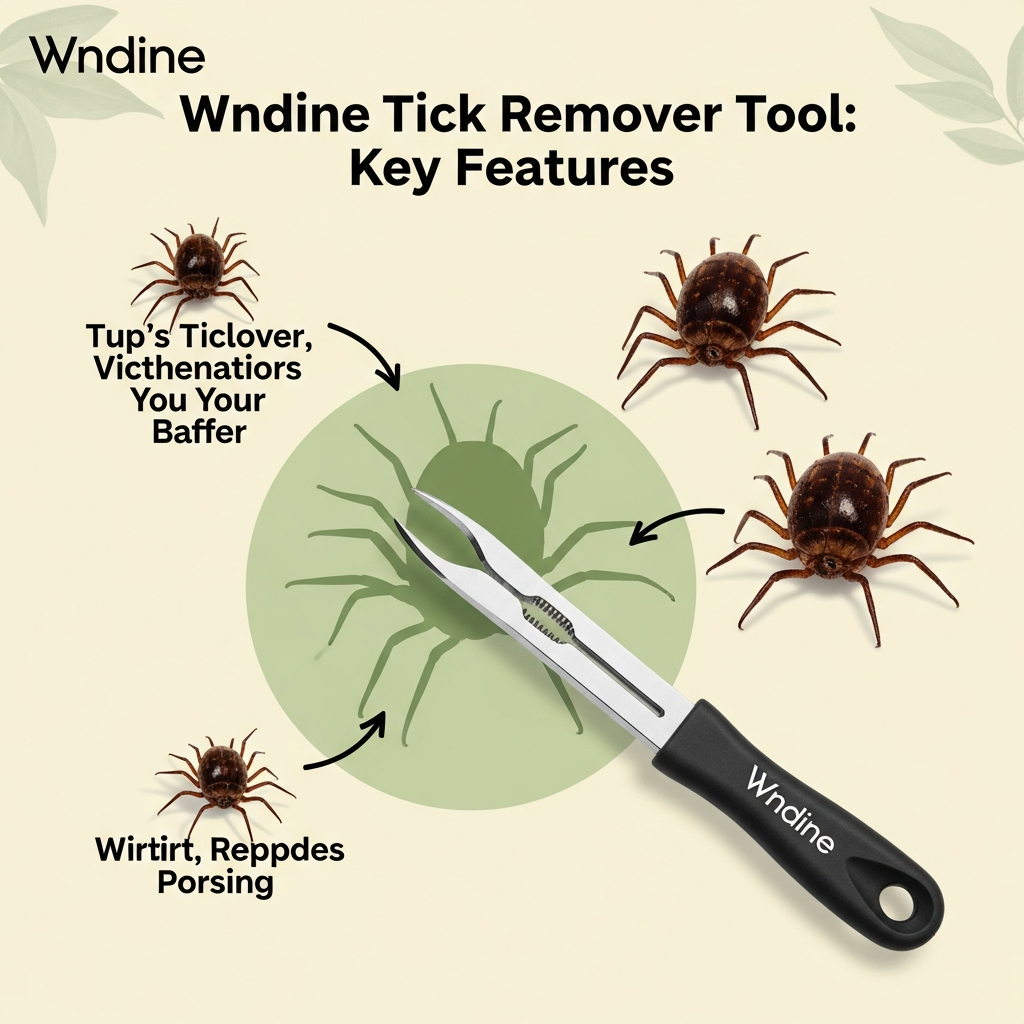
Skip the tweezers completely. To use this little gadget, simply slide the flat V-notch directly under the tick, keeping the metal flush against your pet’s skin. Lift up gently and steadily using the tool’s natural leverage. Don’t twist, jerk, or yank. The tick pops right out, head and all.
Customers constantly rave about how this simple piece of metal takes the fear out of tick removal. One top review perfectly captures the shared sentiment among pet owners: ticks freak them out, and their pet hates being handled, but this tool made the process totally painless and lightning-fast. Dog dads with larger hands appreciate that it’s surprisingly easy to grip despite its small size. People love the convenience of the 3-pack—stashing one on the cat carrier, one in the glove compartment, and one on a hiking backpack ensures you’re never caught empty-handed during an outdoor adventure.
Before and After
Before: You spot an engorged tick. You spend 10 minutes trying to hold your panicked dog still, fumbling with sharp tweezers, and stressing over a potential 100% chance of leaving the head behind to cause an infection.
After: In under 5 seconds, the tick pops off whole. The rigid aluminum edge stays firm under pressure, safely lifting the parasite away without squeezing its body. You instantly get 100% peace of mind knowing the entire bug is gone and your pet’s skin is safe from leftover mouthparts.
Pros and Cons
PetsCareLab’s Rating
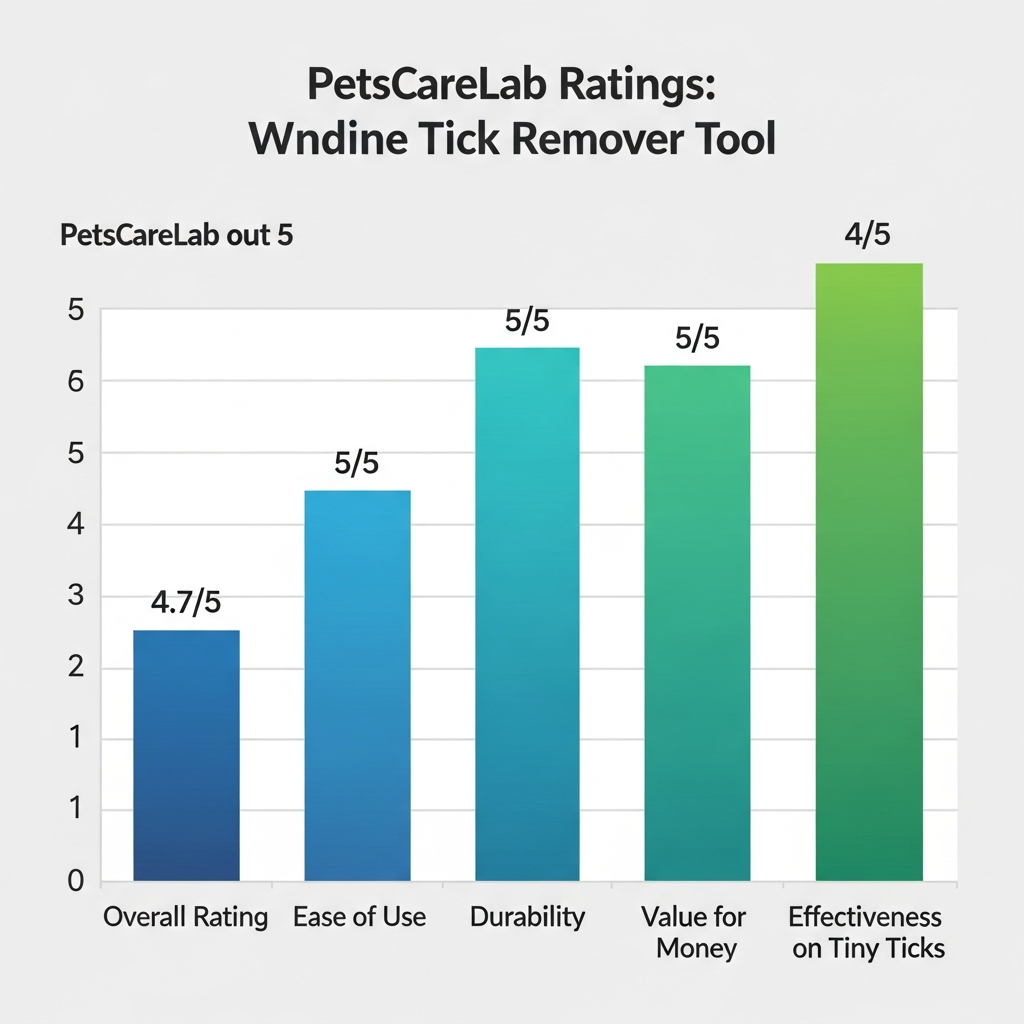
Overall Rating: ★★★★★ (4.7/5)
Ease of Use: ★★★★★
Durability: ★★★★★
Value for Money: ★★★★★
Effectiveness on Tiny Ticks: ★★★★☆
Pro-Tips for Better Results
Getting the bug off is only half the battle. If you frequently find pests latching onto your dog, check their overall health. The presence of ticks and fleas is sometimes linked to lowered immunity or changes in your dog’s natural skin secretions. Feed your dog a high-quality diet and consider adding pet supplements to their daily routine. Ingredients like turmeric, probiotics, herbal blends, or mushroom supplements do a fantastic job of supporting their immune system from the inside out, making them less of a target. Also, keep a small vial of rubbing alcohol in your hiking bag to drop the removed ticks into—flushing or squishing them isn’t always a 100% guaranteed kill!
Disclaimer: This review is based on Petscarelab’s pets owner experience. Individual results may vary. Always consult your veterinarian if you suspect your pet is suffering from a tick-borne illness.