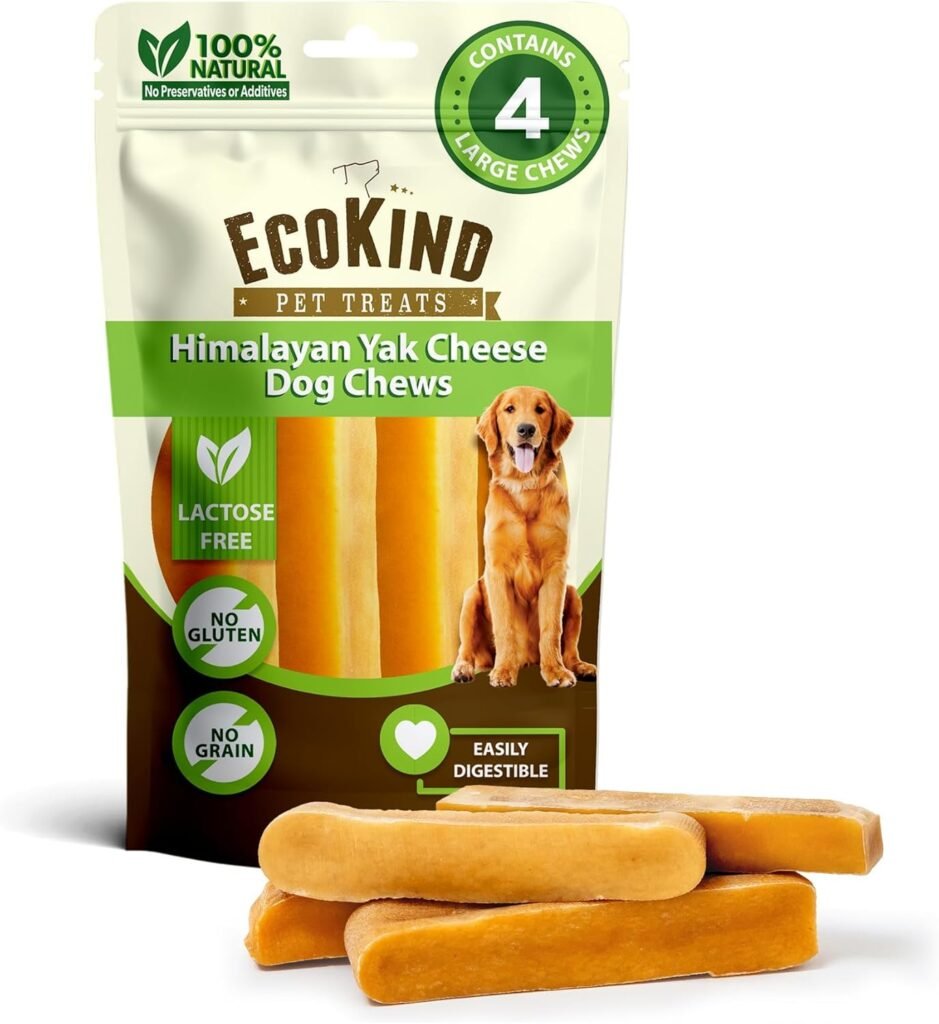
EcoKind Premium Gold Yak Cheese Himalayan Dog Chews Review: A Power Chewer’s Dream?
PetsCareLab’s conclusion: These 100% natural, rock-hard cheese sticks are a top-tier choice for large breed power chewers and aggressive chewers of all ages who need long-lasting mental stimulation and dental cleaning without the mess of raw hides.
Product Label Analysis: Pure Himalayan Tradition
Our team at Petscarelab took a close look at the sourcing and processing of these treats. The label is refreshingly short: yak milk and cow milk. There are no binding agents, grains, or chemicals. These Himalayan dog chews follow a centuries-old recipe from the mountains of Nepal. The milk is pasteurized, then goes through a traditional low-temperature curing and smoking process that lasts for weeks. This isn’t just a gimmick; the slow drying is what transforms soft cheese into a durable, shelf-stable block of protein while preserving the natural nutrients found in the high-altitude dairy.
Safety and Purity: No Shady Stuff
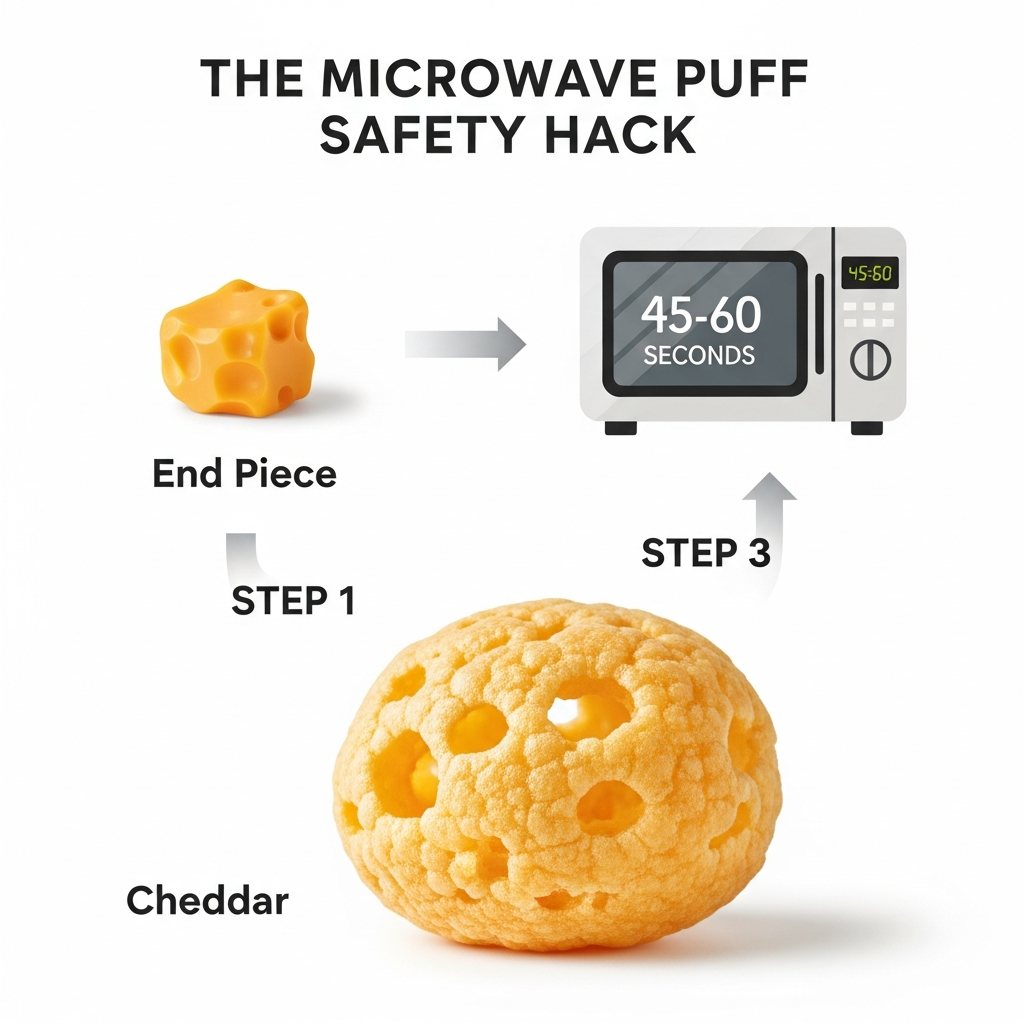
When you’re dealing with hard chews, safety is everything. These sticks aren’t chemically bleached like many white rawhides, nor do they contain artificial preservatives that can irritate a pup’s skin or stomach. They’re physically solid, which means they don’t splinter into sharp “glass” shards easily, though very aggressive dogs can occasionally snap off a chunk. Our research highlights a great safety tip: when the stick gets down to a small nub that could be a choking hazard, don’t toss it. Throw it in the microwave for 45-60 seconds and it puffs up like a giant cheese cracker—safe, crunchy, and delicious.
Sensory Appeal: A Hint of Smoked Cheese
Opening a bag of treats shouldn’t make you want to plug your nose. These EcoKind sticks have a very mild, pleasant aroma—think of a faintly smoked gouda or parmesan. It’s not greasy to the touch and won’t leave stains on your carpet or furniture like marrow bones or pig ears often do. While the smell is subtle to us, it’s plenty tempting for a dog. It might not grab their attention as fast as a stinky piece of liver, but once they start gnawing, the flavor keeps them hooked for a long time.
Texture & Hardness Test: Built for the “Destroyers”
On a scale of 1 to 10 for hardness, these are a solid 9.5. You won’t be able to break these by hand, which is exactly what you want for a large breed. They aren’t brittle or crumbly; instead, the dog has to slowly scrape away at the edges with their teeth. This grinding action is fantastic for scraping off plaque and tartar. However, because they are so hard, they aren’t the best fit for senior dogs with brittle teeth or tiny puppies who are still losing their baby teeth. If your dog has any dental issues, check with your vet before handing one over.
Value & Use Case: Is It Worth the Price?
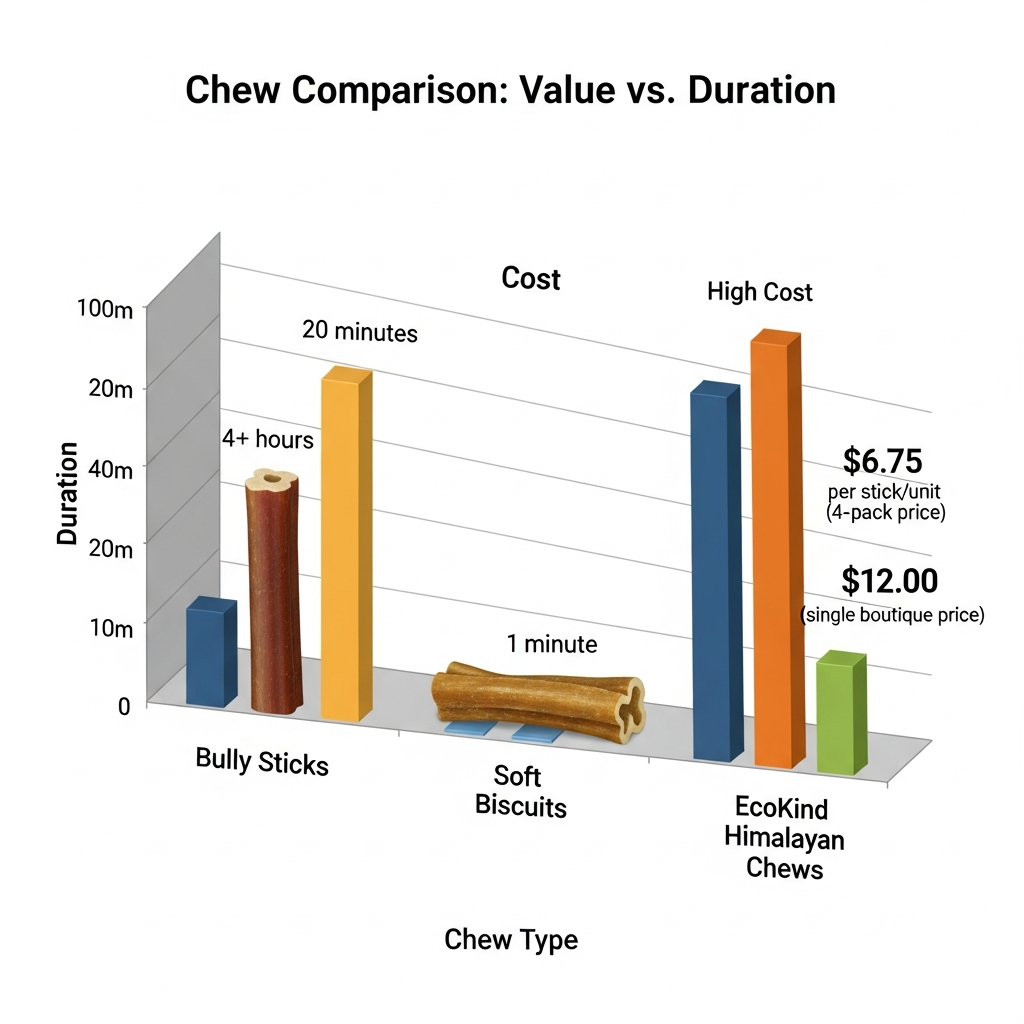
At about $27 for a one-pound bag of four large sticks, these sit in the premium category. However, when you compare the price to your local boutique pet store—where single sticks often go for $10 or $12 each—the value becomes clear. These aren’t daily “good boy” snacks you give five times a day; they’re “I need 45 minutes of peace while I take a Zoom call” treats. For an 80-pound dog, one stick can easily last several days of intermittent chewing, making the cost-per-hour of entertainment much lower than a bag of soft biscuits.
Nutritional and Digestive Performance
Since the lactose is almost entirely removed during the traditional curing and fermentation process, these are exceptionally gentle on sensitive stomachs. We didn’t see any reports of the “runs” or gas that often come with dairy-based treats. With a high protein-to-fat ratio, they’re a healthy alternative to greasy chews. Just keep an eye on the total calorie intake if your pup is watching their waistline, as these are calorie-dense.
Pros and Cons Analysis
PetsCareLab’s Rating
Durability:
⭐⭐⭐⭐⭐
(5/5)
⭐⭐⭐⭐⭐
(5/5)
Ingredients & Purity:
⭐⭐⭐⭐⭐
(5/5)
⭐⭐⭐⭐⭐
(5/5)
Palatability:
⭐⭐⭐⭐
(4/5)
⭐⭐⭐⭐
(4/5)
Value for Money:
⭐⭐⭐⭐
(4/5)
⭐⭐⭐⭐
(4/5)
Overall Rating:
4.6 / 5 stars
4.6 / 5 stars