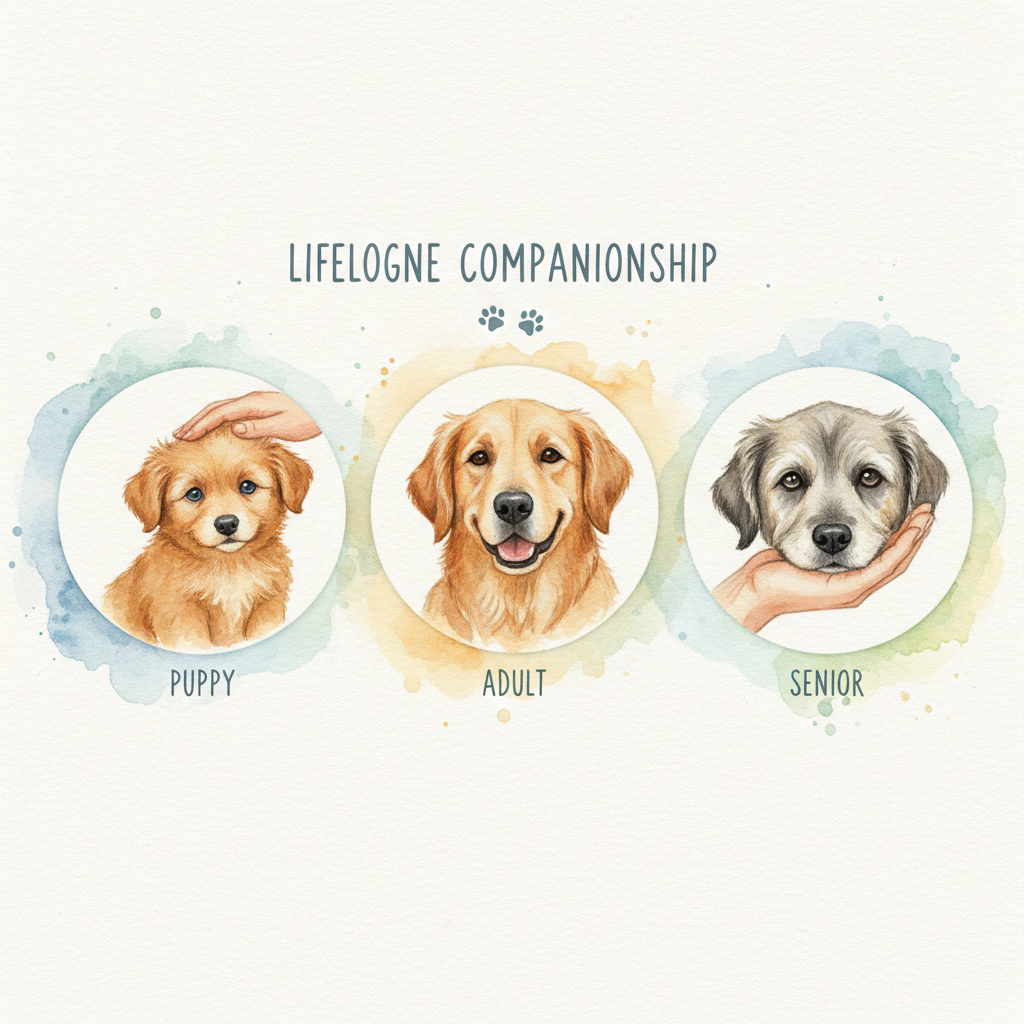
A Dog’s Life: What to Expect Through All the Dog Life Stages
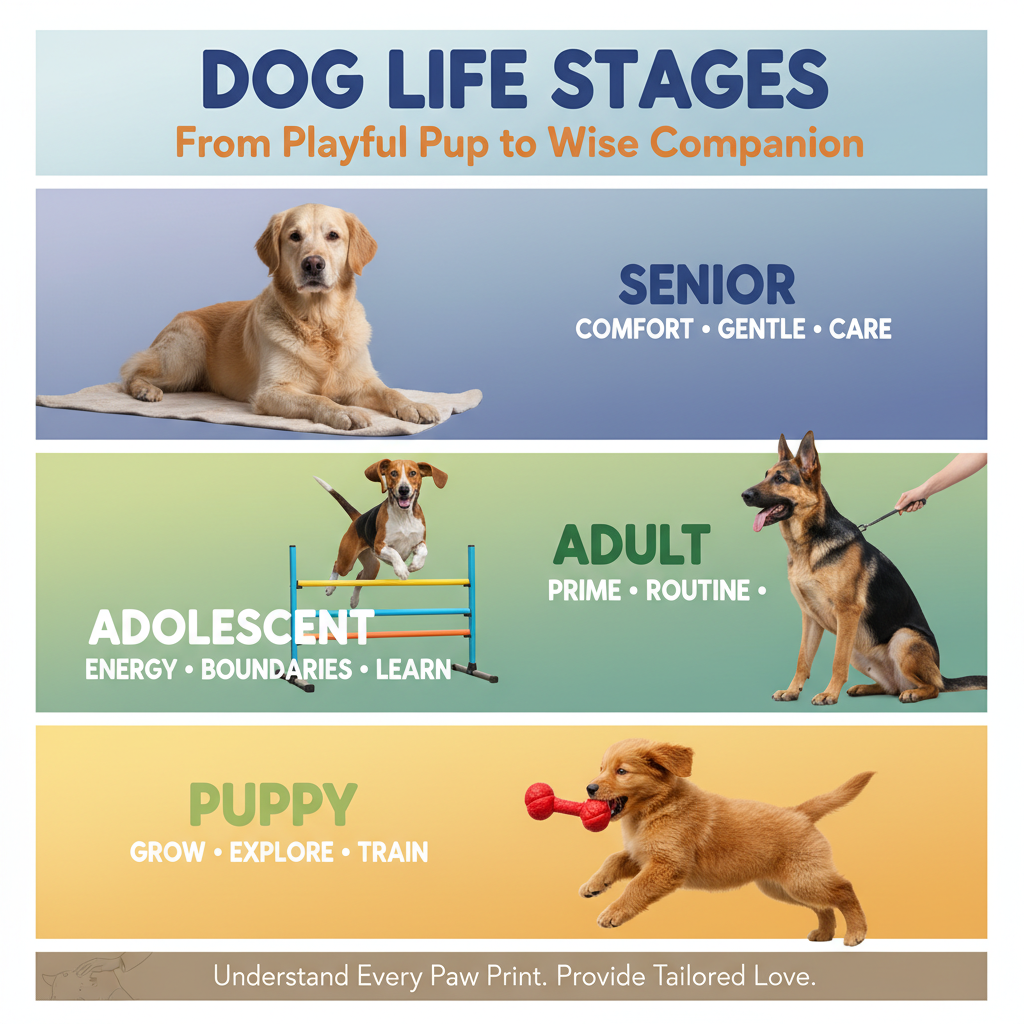
Ever wonder how your dog’s age translates to human years? It’s not as simple as multiplying by seven. A dog’s journey from a clumsy puppy to a wise senior is unique, with different breeds and sizes aging at their own pace. Understanding the various dog life stages helps you give your best friend exactly what they need, right when they need it.
Just like us, dogs have their own version of childhood, teenage years, adulthood, and their golden years. Let’s walk through what you can expect at every step of the way.
The Truth About “Dog Years”
That old “one dog year equals seven human years” rule is more of a myth than a fact. Dog aging is much faster at the beginning of their lives and then slows down.
Recent research has given us a more accurate formula based on how a dog’s DNA changes over time. While it’s a bit complex for everyday use—16 ln (dog’s age) + 31—the main takeaway is simple: a one-year-old pup is already like a 31-year-old human! After that first year, the aging process becomes much more gradual.
Because this research was focused on a single breed, it’s not a perfect fit for every dog. A much easier way to estimate your dog’s lifespan is to look at their size. Smaller dogs generally live longer than their larger friends.
| Dog Size Category | Average Life Span |
|---|---|
| Toy/Small | 10–15 years |
| Medium | 10–13 years |
| Large | 8–12 years |
| Giant | 7–10 years |

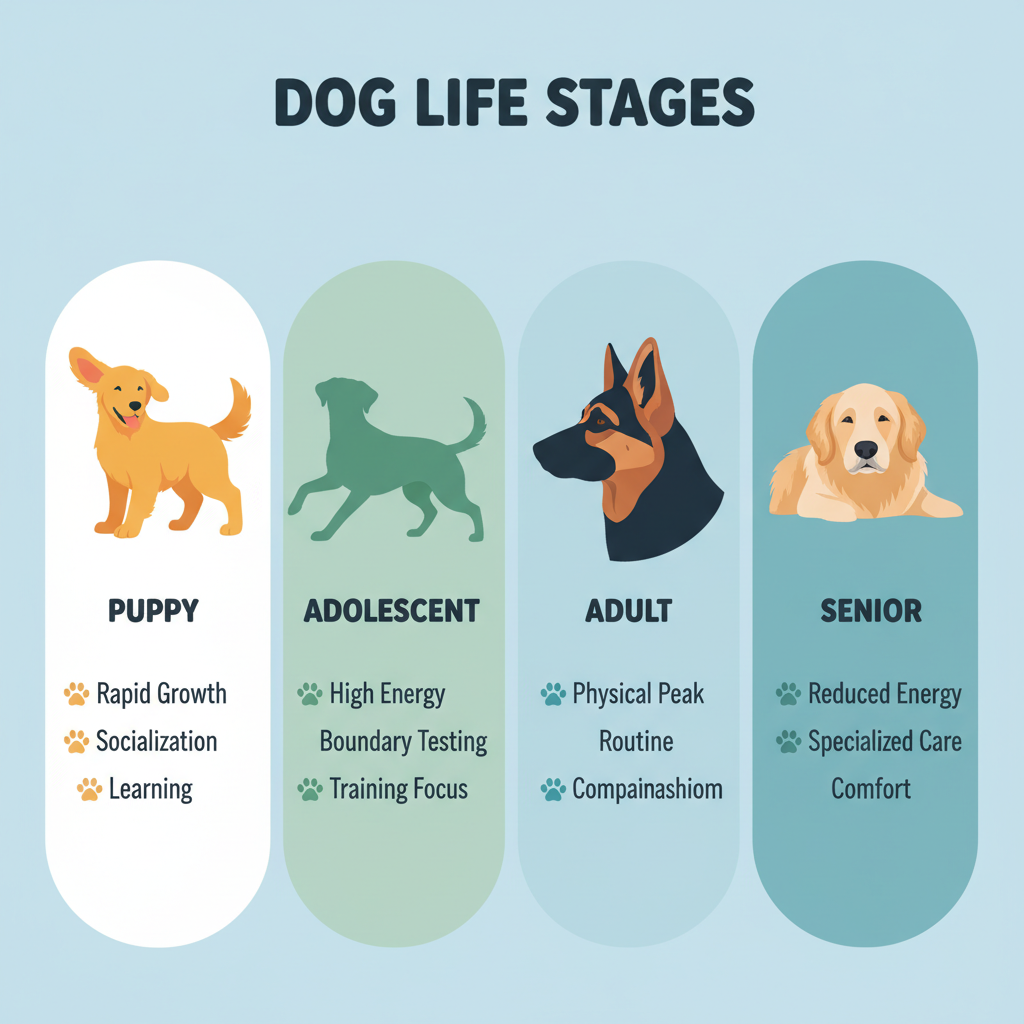
Here’s a look at what each stage of life feels like for your dog.
Puppy Stage (Birth to 6-18 Months)
This is the whirlwind stage of discovery and rapid growth. Your world is about to be filled with puppy breath, sharp little teeth, and endless fun. Depending on your dog’s breed, this stage can last anywhere from six months to a year and a half.
Don’t be surprised if your large or giant breed pup takes a full two years to finish growing!
What to Expect During the Puppy Stage
- Growth: Get ready for a growth spurt! Puppies grow incredibly fast in the first six months. Most will hit their adult height by their first birthday, but bigger breeds need more time for their bones to fully mature.
- Behavior: Puppies are curious, playful, and have two speeds: full-on zoomies or fast asleep. They learn about the world by chewing and tasting everything, so puppy-proofing your home is a must. They also need a ton of sleep—up to 20 hours a day—to fuel all that growing.
- Training: This is your golden window for socialization and training. Introduce your pup to all sorts of sights, sounds, and friendly faces. Puppy classes are fantastic for learning basic manners and preventing problem behaviors down the road.
- Nutrition: Growing bodies need special fuel. Your puppy needs more protein, fat, and calories than an adult dog. Feed them a high-quality puppy food designed for their size to support healthy development.
- Veterinary Care: Your pup will need a series of shots to protect them from serious illnesses like parvo and distemper. Your vet will also handle deworming and regular checkups. This is also the time to discuss spaying or neutering, which is often done around six months old.
Adolescent Stage (6 Months to 2 Years)
Welcome to the teenage years! Just like human teens, adolescent dogs can be a little rebellious. Their personality is taking shape, and they’re testing boundaries. This phase can test your patience, but it’s a huge opportunity to solidify your training and deepen your bond.
What to Expect During the Adolescent Stage
- Physical Changes: Your dog will reach their full height here, though they might still be filling out and looking a bit lanky. You’ll also see them shed that soft puppy fluff for their adult coat.
- Behavior: Remember that perfect recall you worked so hard on? It might suddenly vanish. “Selective hearing” is common, as are chewing, jumping, and digging. They have a ton of energy, so they need plenty of exercise and puzzle toys to keep them out of trouble.
- Training: Don’t give up! Consistency is everything right now. Keep up with obedience training and use positive reinforcement to guide them through this phase. It’s a great time to work on impulse control and reinforce good leash manners.
- Nutrition: Once your dog stops growing taller, it’s time to switch from puppy food to an adult formula. This usually happens between 12 and 18 months. Pick a food that matches their size and how active they are.
- Veterinary Care: Keep up with regular checkups and make sure their vaccinations are current. If you haven’t already, talk to your vet about the best time to spay or neuter.
Adult Stage (1–7 Years)
This is the sweet spot. Your dog is in their prime—fully grown, confident, and settled into the rhythm of your life. Their personality is fully formed, and you two have a deep understanding of each other. This stage lasts for several years, giving you plenty of time to enjoy your well-behaved companion.
What to Expect During the Adult Stage
- Physical Maturity: Adult dogs are at their physical peak. They’re strong, energetic, and have great stamina for hikes, fetch, or whatever adventures you enjoy together.
- Behavior: Things are generally much calmer now. Your adult dog knows the house rules and is more predictable than their teenage self. They still love to play, but they don’t have that frantic puppy energy anymore.
- Training: Just because they’ve mastered the basics doesn’t mean the learning is over. Adult dogs love learning new tricks and can excel at dog sports like agility. Keeping their minds engaged is just as important as exercising their bodies.
- Nutrition: Feed your dog a high-quality adult food that fits their lifestyle. It’s crucial to watch their weight, as obesity can cause serious health problems like joint pain and diabetes.
- Veterinary Care: Annual checkups are a must. Your vet will do a full physical, update any needed shots, and talk to you about year-round prevention for fleas, ticks, and heartworms. As your dog gets closer to their senior years, your vet may suggest routine bloodwork.
Senior Dog Life Stages (7+ Years)
Welcome to the golden years! This is when your dog starts to show the beautiful signs of a life well-lived. You might notice a “sugar-faced” muzzle, a slower pace, and a greater appreciation for cozy naps. When a dog is considered “senior” depends on their size, with big dogs reaching this stage much sooner than small ones.
What to Expect During the Senior Stage
- Physical Changes: You’ll likely see some classic signs of aging: a graying coat, less energy, and maybe some stiffness when they get up. Their vision and hearing might not be as sharp as they used to be.
- Behavior: Senior dogs often trade long runs for leisurely strolls. They might sleep more and become more sensitive to hot or cold weather. Sometimes, you might see signs of confusion or changes in their sleep patterns, which could point to cognitive dysfunction.
- Training: They can still learn, but the focus now is on gentle mental stimulation. Keep their routines consistent to help them feel secure, and make sure they have a comfy, quiet place to rest.
- Nutrition: Many senior dogs benefit from a diet made for their age. These foods are often lower in calories to prevent weight gain and may include supplements like glucosamine for joint health or omega-3s for brain function.
- Veterinary Care: Our team at Petscarelab highly recommends twice-yearly vet visits for senior dogs. These regular checkups help us catch any health issues early. Your vet will likely run more frequent blood tests to monitor for common age-related problems like kidney disease, arthritis, or heart conditions. Keeping them comfortable and pain-free is the top priority.
Cherishing Every Stage
Every single phase of your dog’s life brings its own kind of joy and its own set of challenges. By knowing what’s coming, you can give your dog the care, food, and training they need to live a full and happy life. A strong partnership with your vet and a whole lot of love are the keys to making every year together the best it can be.