5 Things You Need to Know About Dog Dewclaws
Ever noticed that extra toe on the inside of your dog’s leg, the one that doesn’t touch the ground? That’s the dewclaw. While it might seem like a random, leftover part, knowing the basics about dog dewclaws is a key part of responsible pet ownership. Most dogs have them on their front legs, but some breeds sport them on the back, too—sometimes even double ones!
1. What Exactly Is a Dog Dewclaw?
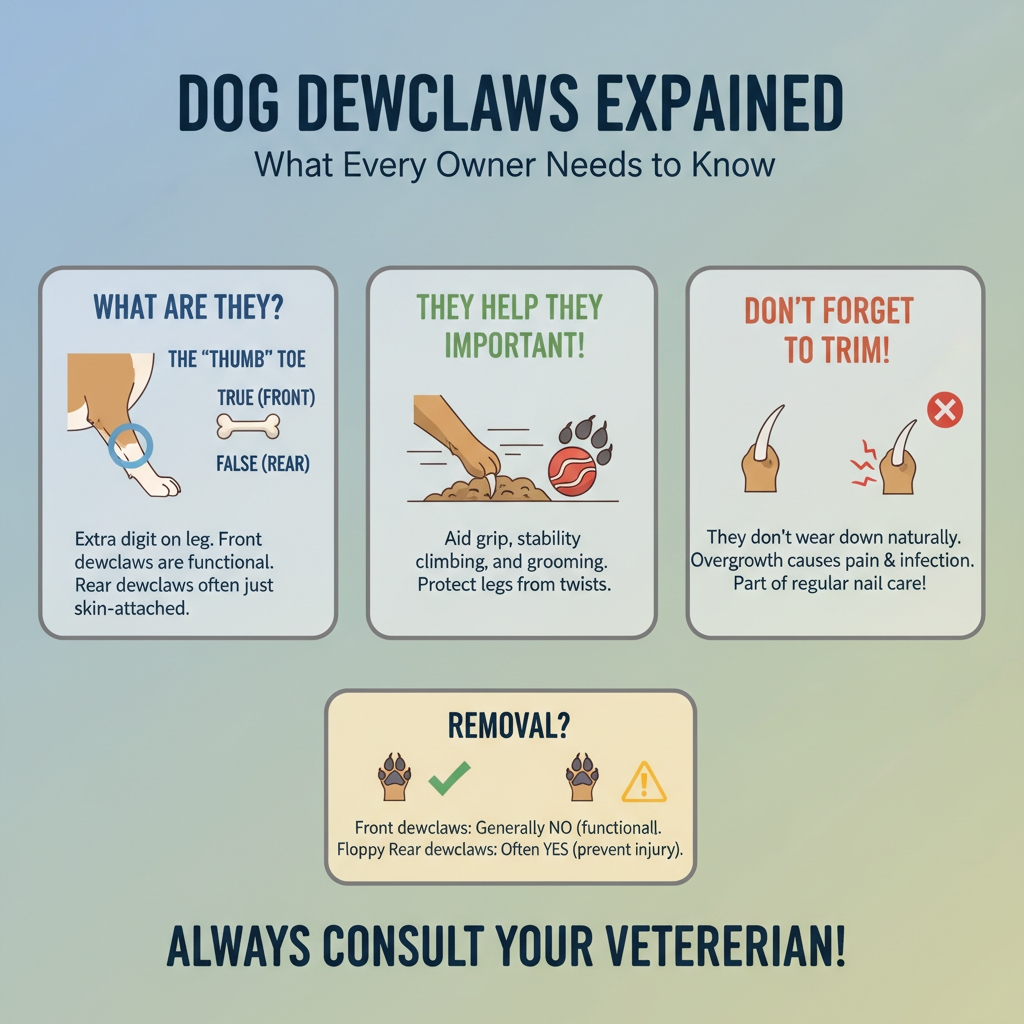
Think of the dewclaw as your dog’s thumb. It’s a digit that sits a little higher up on the inside of their leg. But not all dewclaws are created equal.
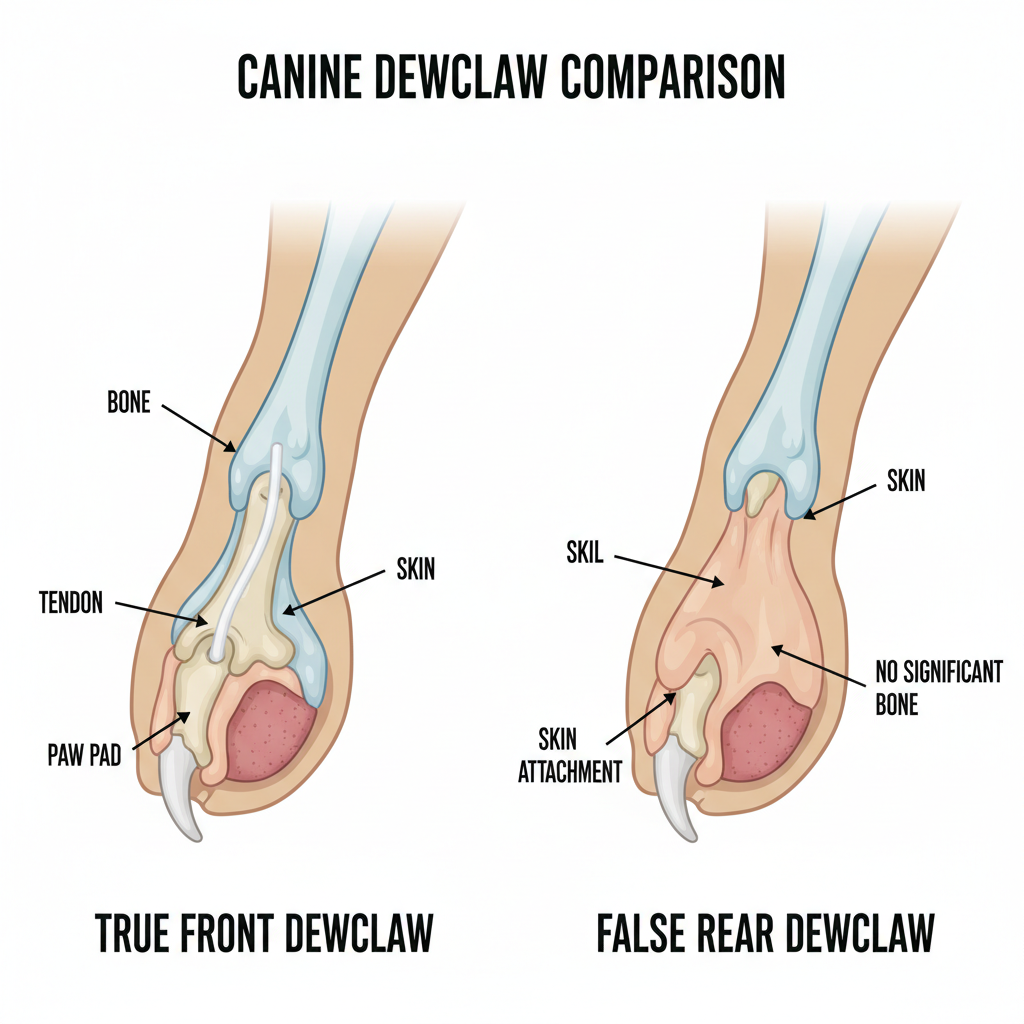
- Front dewclaws are usually the real deal. They are fully formed toes, connected by bone and tendon, complete with a little paw pad and a nail.
- Rear dewclaws are often just loosely attached by a flap of skin. They don’t have a bony connection and are sometimes called “false” dewclaws.
While front dewclaws are standard, you’ll spot rear ones on breeds like the Great Pyrenees, Icelandic Sheepdog, and Anatolian Shepherd.
2. Are Dog Dewclaws Actually Useful?
You bet they are! Those front dewclaws aren’t just for show; they play a surprisingly important role in your dog’s daily life.
Your dog uses their dewclaws to:
- Get a better grip. Watch a dog running at full speed or making a sharp turn. That dewclaw digs into the ground like a cleat, giving them extra traction and preventing their leg from twisting.
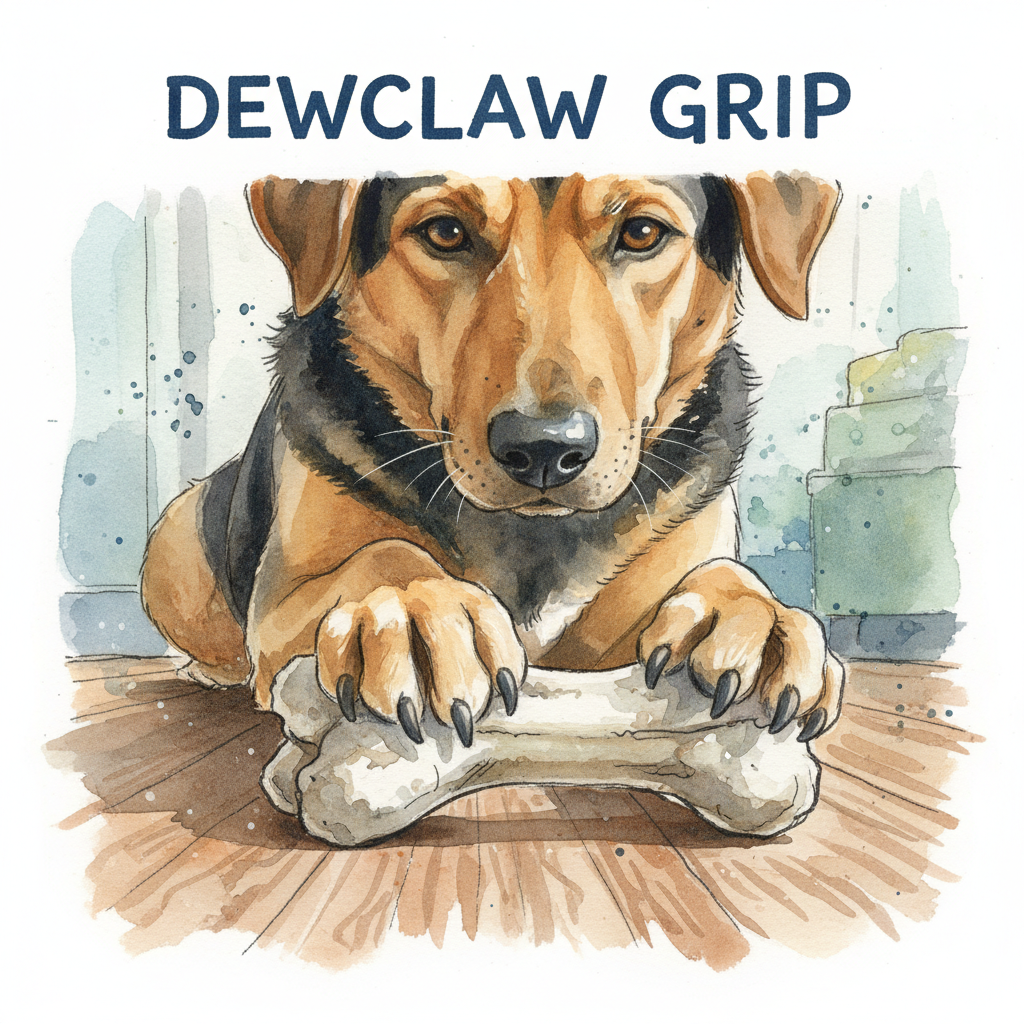
- Hold onto things. It’s the perfect tool for stabilizing a chew toy or a tasty bone.
- Climb and scramble. They provide extra grip when climbing up a steep hill or pulling themselves out of the water.
- Groom themselves. That little claw is perfect for scratching an itch on their face.
Rear dewclaws, especially the floppy ones attached only by skin, don’t offer these same benefits. Because they can easily snag, they’re often removed, especially in working or very active dogs.
3. Do Dewclaws Need to Be Trimmed?
Yes! This is a big one. Because dewclaws don’t touch the ground, they don’t get worn down naturally like your dog’s other nails. If you let them grow, they can curl back into your dog’s skin, causing pain and infection.
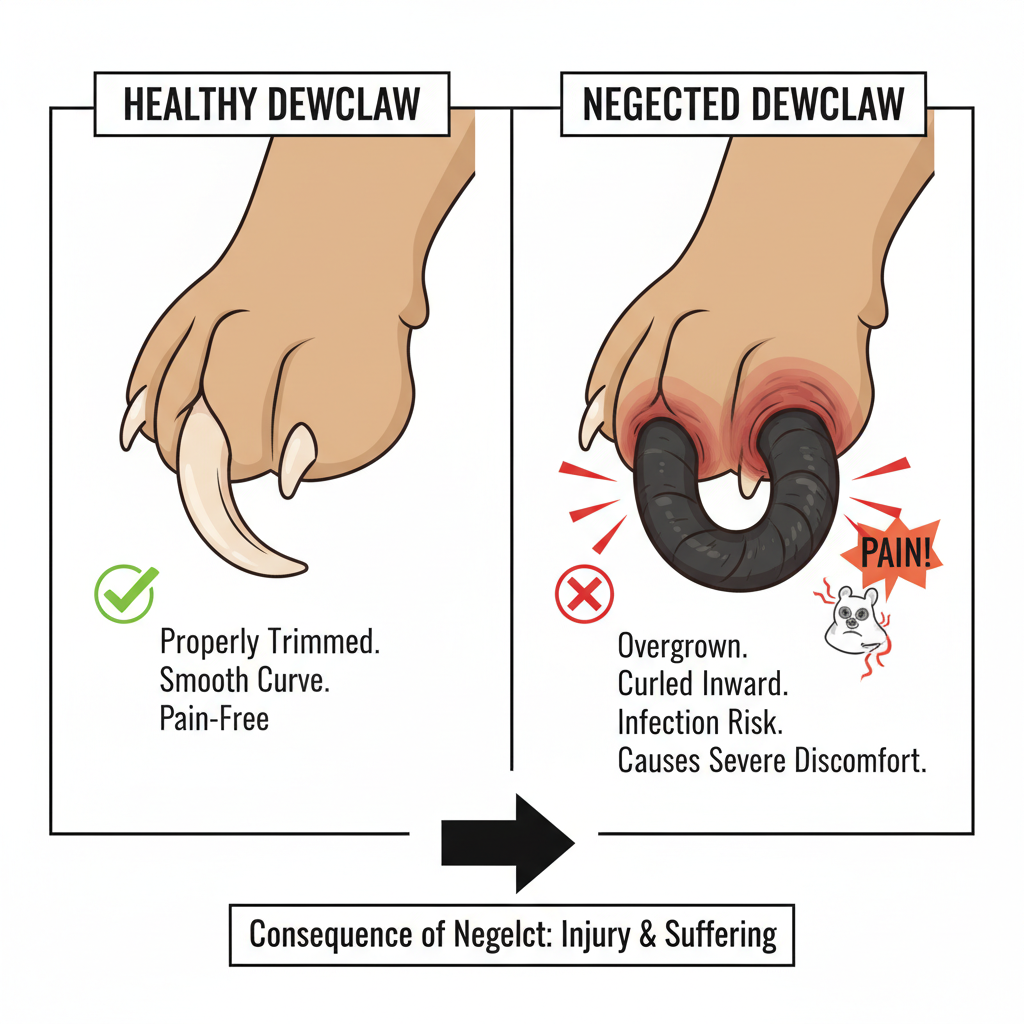
It’s time for a trim if your dog’s dewclaw:
- Is starting to curve back towards their leg.
- Looks like it’s pushing into or separating the skin.
- Is causing your dog to limp or seem uncomfortable.
- Has actually punctured the skin or paw pad.
Keeping them trimmed is a simple part of your regular nail care routine. If your dog gets fussy about nail trims, don’t worry.
- Take it slow. Use plenty of treats and praise to make it a positive experience.
- Start small. Just snip the very tip if that’s all your pup will tolerate.
- Try a nail grinder. Grinders are great for dark nails because you can slowly file the nail down without risking cutting the sensitive quick.
- Reward, reward, reward. Give a high-value treat after every single nail.
Still nervous about doing it yourself? No problem. Your vet or a professional groomer can handle it for you.
4. When Are Dewclaws Removed?
Vets usually remove dewclaws for two main reasons:
- To prevent injury in active sporting or working dogs whose floppy dewclaws might get caught.
- To meet breed standards for certain show dogs.
This is almost always done when puppies are just 2-5 days old. It’s a quick procedure a vet can perform, often without anesthesia. The vet snips the dewclaw and closes the spot with surgical glue or a tiny stitch. The pups are back with their mom in no time.
Removing a dewclaw on an adult dog is a much bigger deal. It’s a full-on surgery that requires general anesthesia and a longer, more involved recovery.
5. Should I Have My Dog’s Dewclaws Removed?
The answer really depends on which dewclaws we’re talking about.
- Front dewclaws are functional and help protect your dog’s leg from torque. Our team at Petscarelab generally advises against removing them unless there’s a specific medical reason. The surgery risks often outweigh the benefits.
- Rear dewclaws that are only attached by skin are a different story. They’re prone to getting snagged and torn, so having them removed can prevent a painful injury down the road.
If you have any concerns about your dog’s dewclaws, your best bet is to chat with your veterinarian. They can examine your dog and help you make the right call for their health and happiness.