
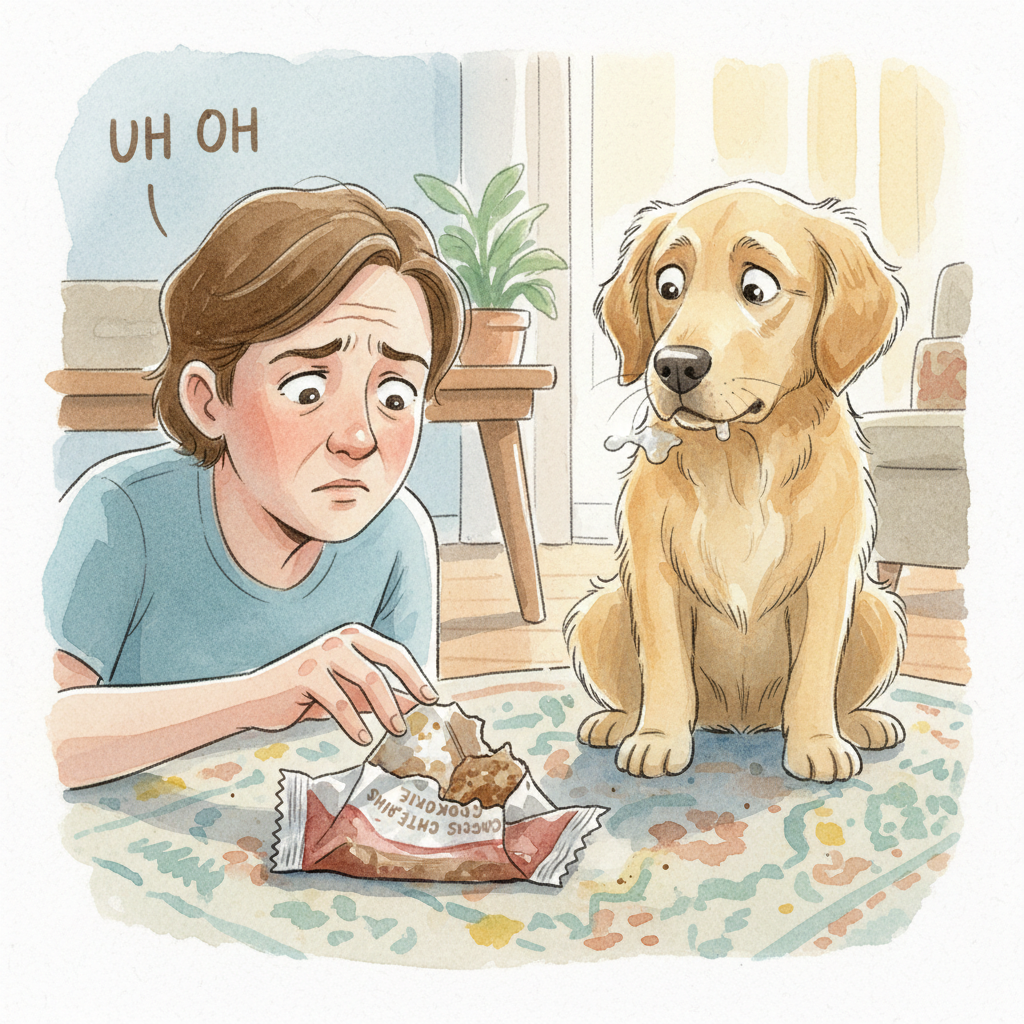
It’s a heart-stopping moment: you see the torn wrapper or spilled substance and realize your dog ate something they shouldn’t have. While many things might pass without trouble, some can be incredibly dangerous. When your dog eats something toxic, your vet might tell you to induce vomiting in dogs at home.
But let’s be crystal clear: Never, ever try to make your dog vomit without talking to your vet first. Getting it wrong can cause devastating harm, from pneumonia caused by inhaling vomit to severe damage to their throat and stomach. It can even be fatal.
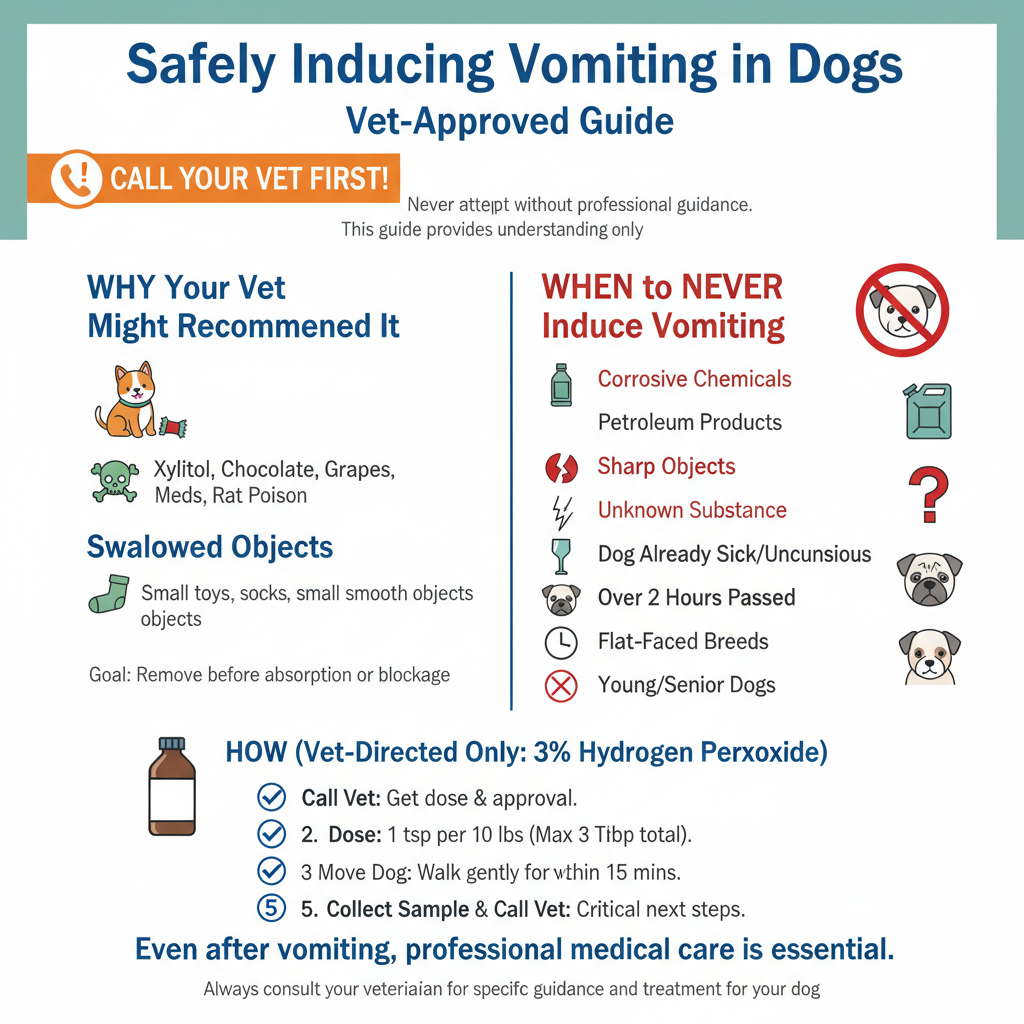
If your vet gives you the green light, they’ll walk you through the exact steps for your dog’s specific situation. This guide will give you a better understanding of why, when, and how vets use this procedure.
Why Would a Vet Have Me Make My Dog Throw Up?
The goal is simple: get the bad stuff out before it gets absorbed into the bloodstream or causes a blockage. Forcing a dog to vomit up a toxin or foreign object can be a life-saving first step.
Toxic Foods and Chemicals
So many everyday items are a real danger to our pups. Getting them out of your dog’s stomach fast is key. These include:
- Xylitol (a sweetener in sugar-free gum, some peanut butters, and candy)
- Chocolate
- Grapes and raisins
- Human medications (like painkillers) and even pet meds
- Antifreeze
- Rat poison
- Pesticides
- Certain houseplants
If your dog eats a toxin, time is not on your side. The faster you get it out, the better the chance of avoiding serious illness.
Swallowed Objects
Dogs explore the world with their mouths, and sometimes that means swallowing things that aren’t food. Getting your dog to throw up can sometimes bring back items like:
- Small toys or pieces of toys
- Socks or bits of clothing
- Rocks
- Cooked bones that might splinter
For smaller, smooth objects, your vet might suggest this route. It can help you avoid a more serious procedure like an endoscopy or even surgery to remove the item.
When Should You NOT Make Your Dog Throw Up?
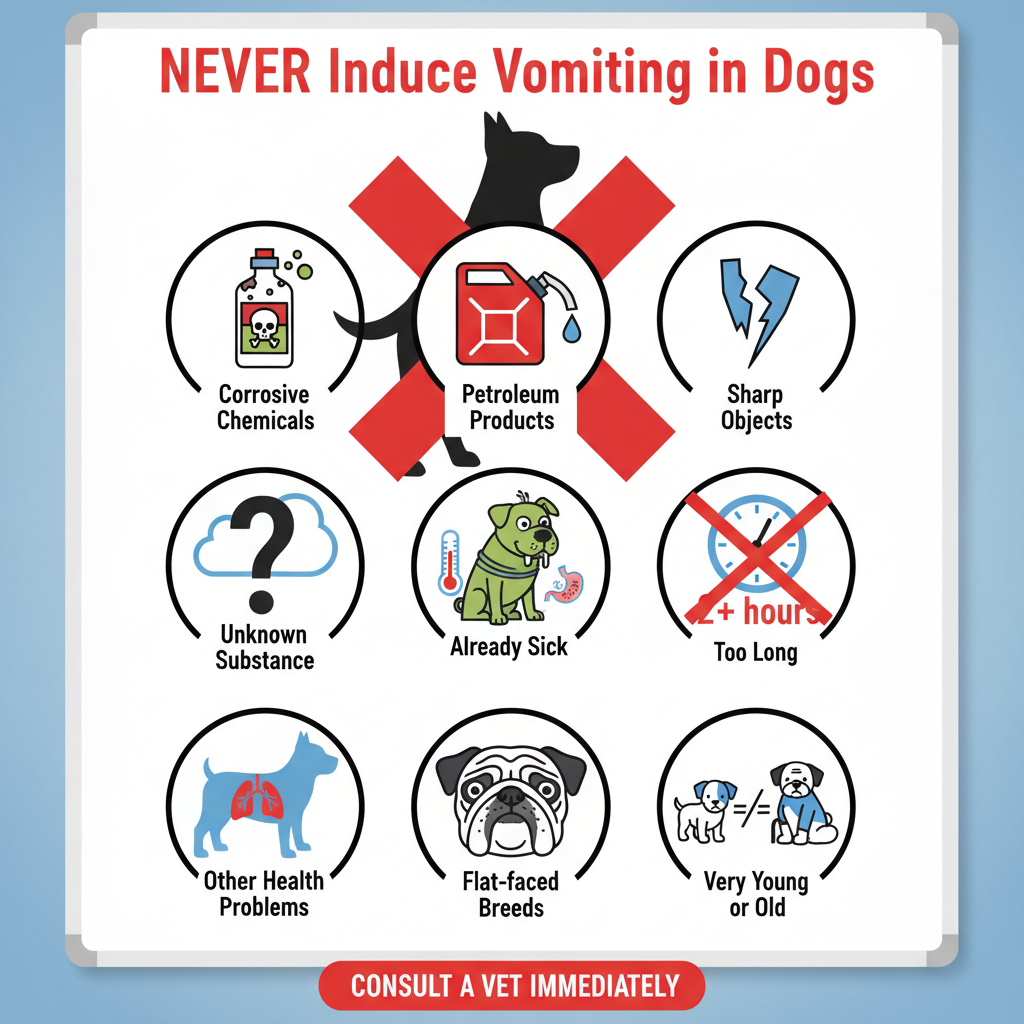
This is just as important as knowing when you should. Inducing vomiting can be a terrible idea in certain situations. Here are the hard-and-fast rules on when to never make your dog sick:
- Corrosive chemicals: If your dog swallowed something like bleach, drain cleaner, or battery acid, making them vomit will cause a second chemical burn all the way back up their throat.
- Petroleum products: Things like gasoline, motor oil, or paint thinner can easily be inhaled into the lungs during vomiting, leading to a severe and often fatal type of pneumonia.
- Sharp objects: Don’t try to bring back glass, needles, or sharp-edged bones. They can tear your dog’s throat or stomach on the way up.
- You don’t know what they ate: If you’re not sure what your dog got into, don’t risk it. Call the vet.
- Your dog is already sick: If your pup is acting sluggish, having seizures, is unconscious, or struggling to breathe, it’s not safe to induce vomiting.
- It’s been too long: If more than a couple of hours have passed, the item has likely moved out of the stomach. At that point, vomiting won’t help.
- They have other health problems: Dogs with heart conditions, breathing issues, or who’ve had recent surgery are at a much higher risk for complications.
- They’re a flat-faced breed: Pugs, Bulldogs, Boxers, and other short-nosed breeds have a much higher risk of inhaling their vomit.
- They’re very young or old: Puppies and senior dogs just can’t handle the process as well.
How to Make a Dog Throw Up (Vet-Directed Only)
Again, you should only do this if your veterinarian has examined your dog or has told you to proceed over the phone. Follow their instructions to the letter.
At a clinic, vets use a safe, reliable injectable drug called apomorphine that works very quickly. They won’t use home remedies.
If your vet instructs you to try this at home, they’ll likely recommend 3% hydrogen peroxide. Here’s how that process usually works.
What You’ll Need
- 3% hydrogen peroxide: Make sure it’s not expired! Old peroxide loses its fizz and won’t work.
- A needless syringe or a turkey baster for dosing.
- A watch or phone timer.
- A small bite of food, like bread or a few kibbles (if your vet approves).
- A spot that’s easy to clean—your backyard is a great choice.
Step-by-Step Guide
- Call your vet or an emergency clinic. This is your first and most important step. They’ll tell you if it’s safe and give you the correct dose for your dog’s weight.
- Give a small snack (if advised). A little food in the stomach can help create enough bulk to bring everything up. Double-check with your vet before you do this.
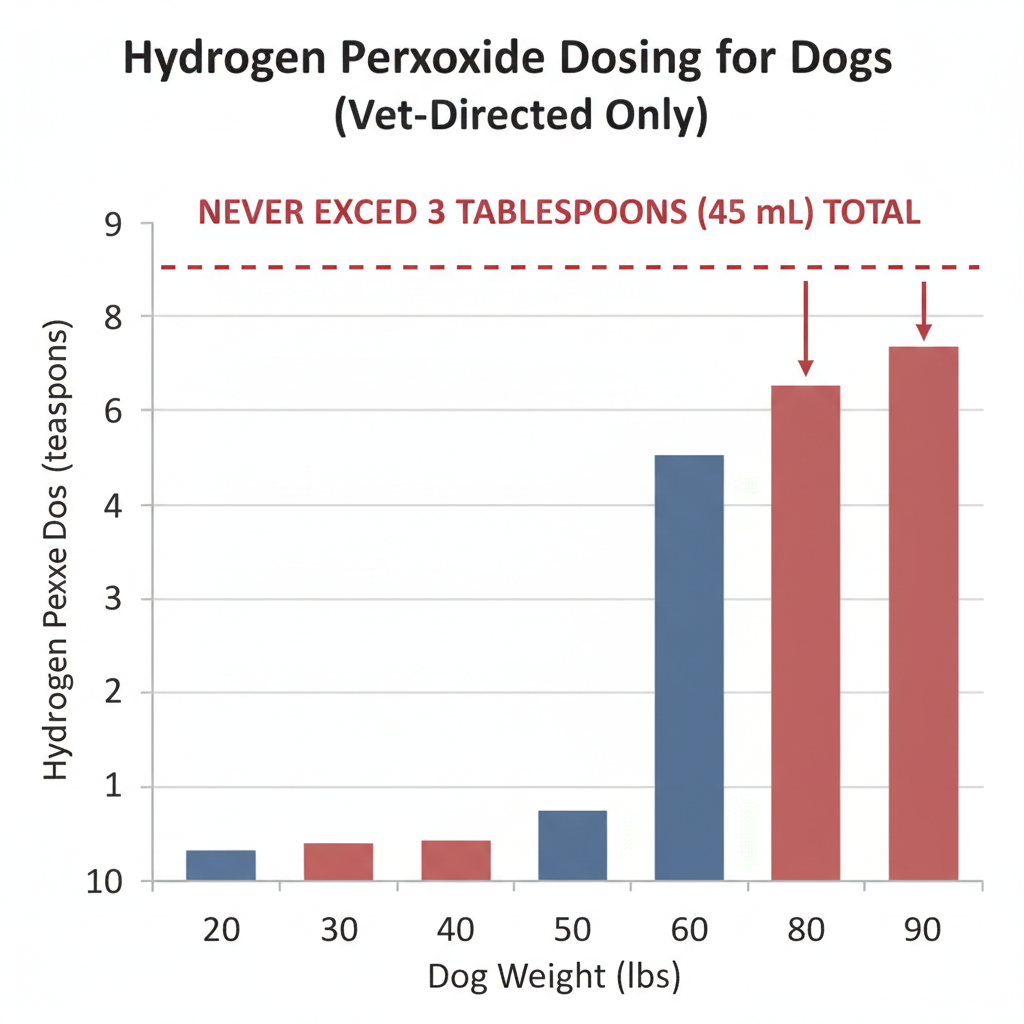
- Give the hydrogen peroxide. Use the syringe or baster to squirt the measured dose into your dog’s mouth. Aim for the pouch inside their cheek, not straight down their throat, to prevent choking. The general dose is 1 teaspoon (5 ml) for every 10 pounds of body weight, but never give more than 3 tablespoons (45 ml) total, even for a giant dog.
- Get them moving. A little gentle movement helps mix the peroxide in their stomach. Walk them around the yard for 5 to 15 minutes.
- Watch and wait. Most dogs will throw up within 15 minutes.
- Second dose (only if instructed). If nothing happens after 15 minutes, your vet might tell you to give one more dose. Never give more than two doses. Too much hydrogen peroxide can cause serious stomach and intestinal bleeding.
- Collect a sample. If your dog vomits, try to bag a sample of it. This can help your vet identify the toxin and plan the next steps for treatment.
- Call your vet back. Success! But you’re not done. You need to let your vet know what happened. They will tell you what to do next, which could be anything from bringing your dog in for an exam to giving them activated charcoal to absorb any leftover toxins.
What Happens After My Dog Vomits?
Your pup will probably feel pretty crummy. They might be tired, drooly, and not want to eat. Your vet will likely recommend holding off on food and water for a few hours and then offering a bland diet.
Even with a successful vomit, some of the toxin or pieces of the object could be left behind. Your dog still needs professional medical care to be safe.
When to See a Vet Immediately
You should always see a vet if your dog eats something they shouldn’t, even if you successfully make them vomit at home.
Get to an emergency clinic right away if your dog:
- Ate any potentially toxic substance or foreign object.
- Is showing scary symptoms like weakness, seizures, breathing trouble, or collapse.
- Doesn’t throw up after you followed your vet’s at-home instructions.
- Vomited but you’re still worried about how they’re acting.
When it comes to your dog’s health, fast action can make all the difference.