How Dogs Really Cool Themselves (And What Pet Parents Need to Know)
Ever wondered how dogs cool themselves when the temperatures rise? Unlike us, dogs don’t sweat all over their bodies to beat the heat. While your pup does have sweat glands, they work very differently than ours.
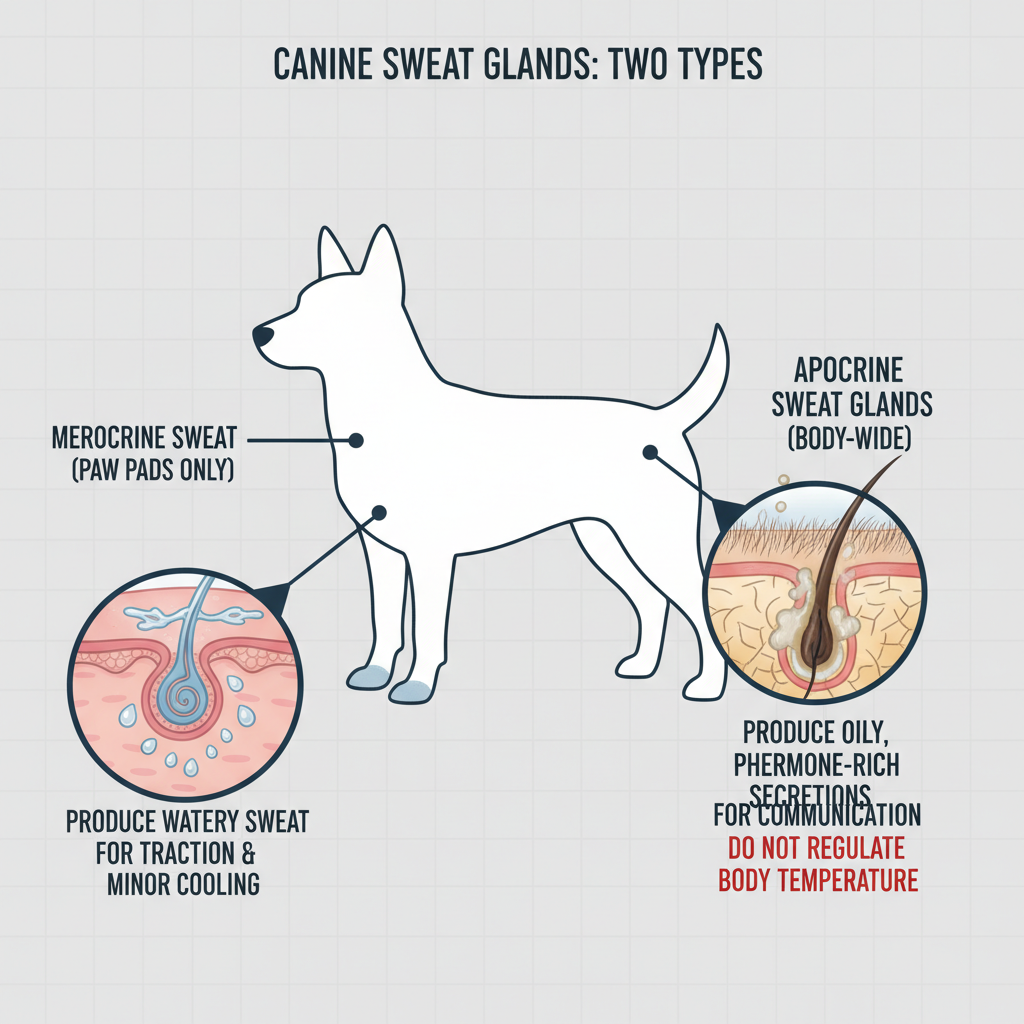
Your dog actually has two kinds of sweat glands: merocrine and apocrine. Let’s break down what each one does.
Merocrine Glands
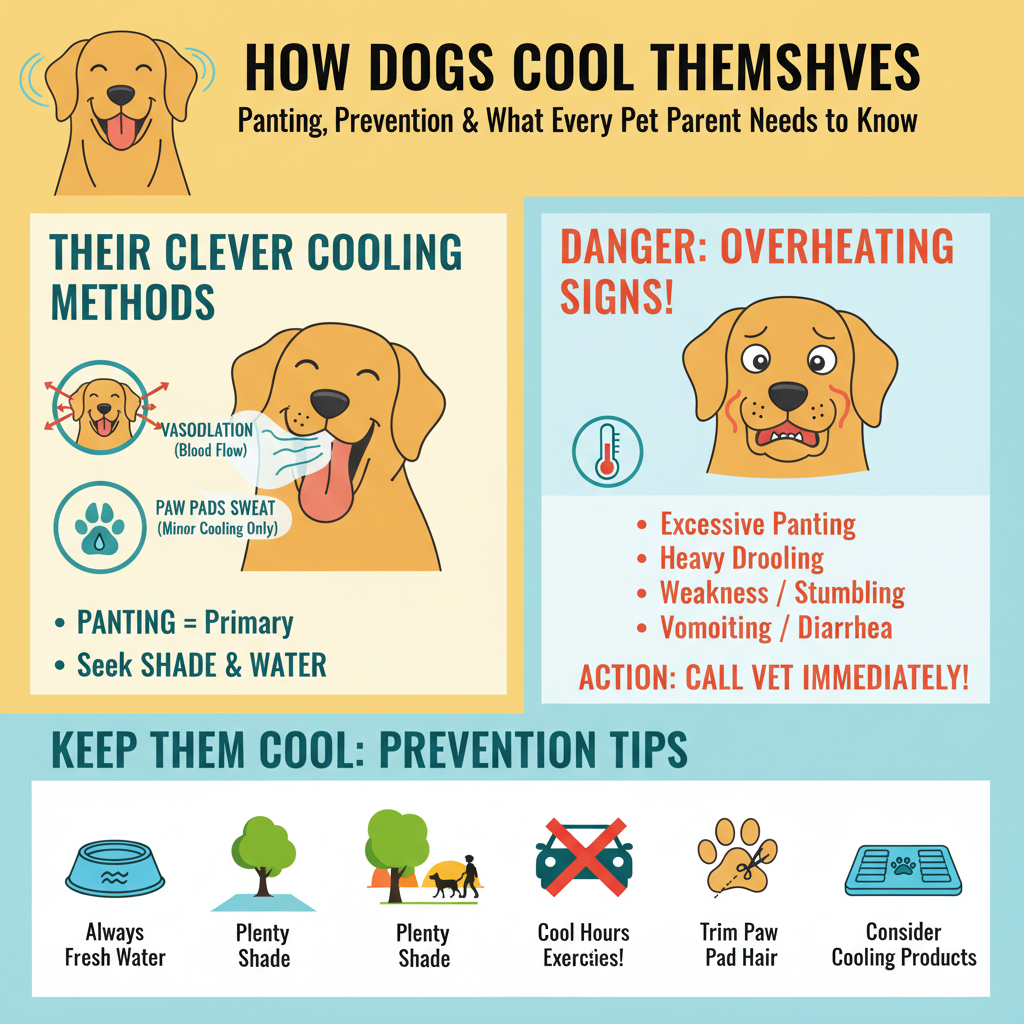
Think of merocrine glands as similar to our sweat glands, but you’ll only find them on your dog’s paw pads. These glands pump out a watery sweat that helps them cool off a tiny bit. But since they’re only on the paws, they don’t do much for your dog’s whole body temperature.
Instead, these paw pad glands mainly help with traction, giving your dog a better grip, and keeping their paw pads flexible. You might notice little wet paw prints on a hot day, or when your dog gets super stressed or excited – that’s these glands in action!
Apocrine Glands
Apocrine glands are spread all over your dog’s body, tucked in alongside their hair follicles. These glands produce an oily, milky substance filled with pheromones and other chemical signals. Dogs use these for communicating with each other, not for cooling down. So, no cooling help from these!
So, How Do Dogs Really Stay Cool?
Since sweating isn’t their main trick, dogs rely on a few clever methods to keep their body temperature in check:
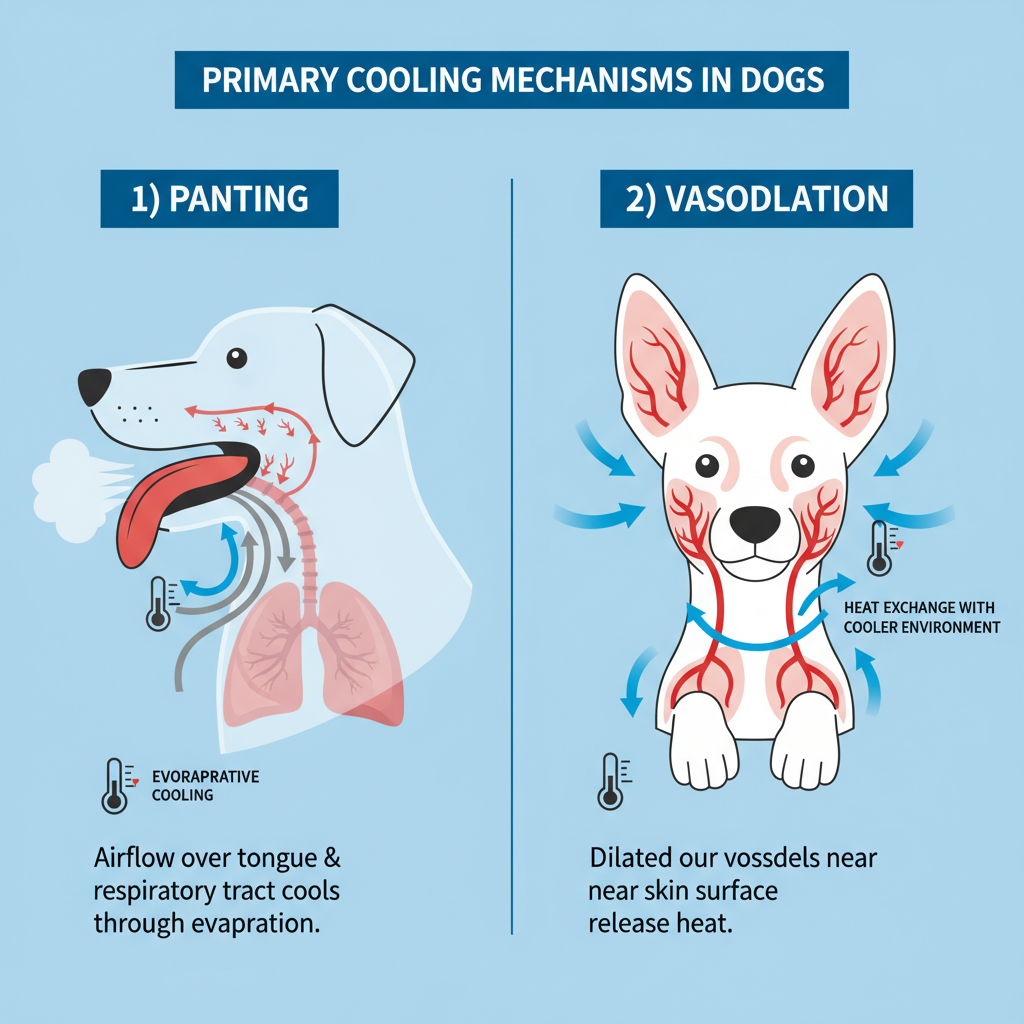
Panting
Panting is your dog’s superstar cooling method. When your dog pants, they’re taking quick, shallow breaths. This rapid breathing makes moisture evaporate from their tongue and the lining of their respiratory tract. That evaporation is what releases heat from their body, helping them cool down fast.
Vasodilation
Imagine your dog’s blood vessels getting wider, especially in their ears and face. That’s vasodilation! When your dog gets hot, the blood vessels close to the surface of their skin expand. This sends more blood flowing right under the skin where the air can cool it. Once that blood chills out, it circulates back through their body, helping to drop their core temperature.
Seeking Shade or Water
Dogs are smart about finding cool spots. When they feel hot, they’ll instinctively hunt for cooler environments. This could mean sprawling out in the shade, digging a nice cool hole in the dirt, or even splashing into water if they can find it.
Spotting Signs of Overheating in Dogs
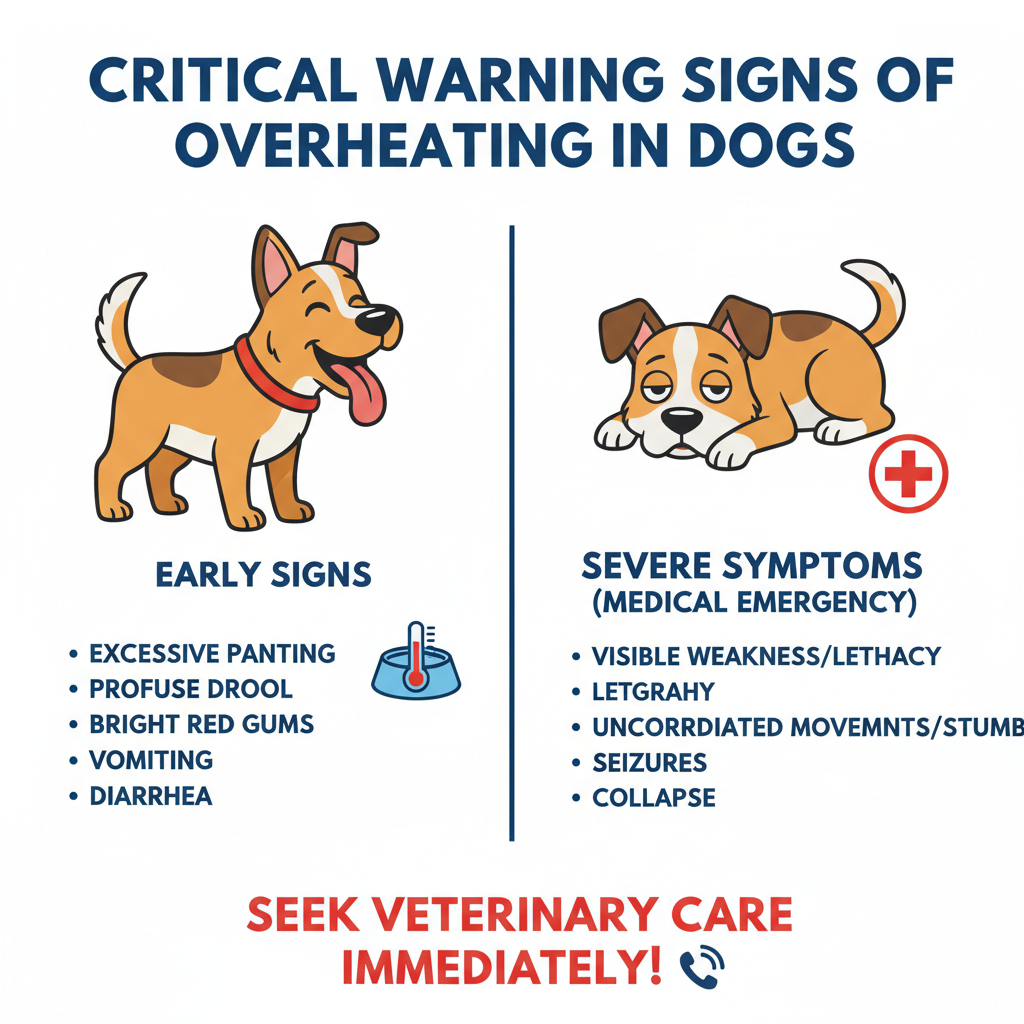
Dogs don’t cool down as efficiently as humans do, making them much more prone to overheating, or heatstroke. As pet parents, spotting the signs of overheating early is vital. Watch out for:
- Excessive, frantic panting
- Lots of drooling
- Gums that look bright red
- Vomiting
- Diarrhea
- Weakness or just looking really tired
- Stumbling around or poor coordination
- Seizures
- Collapsing
If you suspect your dog is overheating, move them to a cooler spot right away and offer them sips of water. You can also gently wet their paw pads, ears, and groin with cool (never ice-cold) water. Then, call your veterinarian or an emergency vet clinic immediately. Heatstroke is a serious emergency and needs professional help fast.
Ways to Help Your Dog Stay Cool and Prevent Overheating
Protecting your dog from overheating means being proactive. Here are our team at Petscarelab’s top tips:
- Always provide fresh, cool water: Make sure your dog can always get to water, especially when they’re playing or when it’s hot outside.
- Skip peak-heat exercise: Take your dog for walks or playtime during the coolest parts of the day, like early morning or late evening.
- Never leave your dog in a car: Car interiors heat up incredibly fast, even on mild days, becoming deadly in minutes.
- Offer plenty of shade: If your dog spends time outdoors, ensure they have access to a shady retreat.
- Consider cooling products: For dogs who struggle with the heat, cooling mats or vests can make a big difference.
- Trim paw pad hair: Keeping the hair between your dog’s paw pads trimmed helps that tiny bit of sweat from their merocrine glands evaporate more easily.
- Groom regularly: Brushing your dog often helps remove loose fur and boosts air circulation around their skin. If your dog has a thick double coat, chat with your vet or groomer about de-shedding treatments. Never shave a double-coated dog down to the skin; their coat actually insulates them from both heat and cold.
By understanding how your dog manages their body temperature and taking these simple steps, you can help keep your furry friend safe and comfy, especially when the weather warms up.