How to Make Your Dog’s Crate Feel Like a Cozy Home
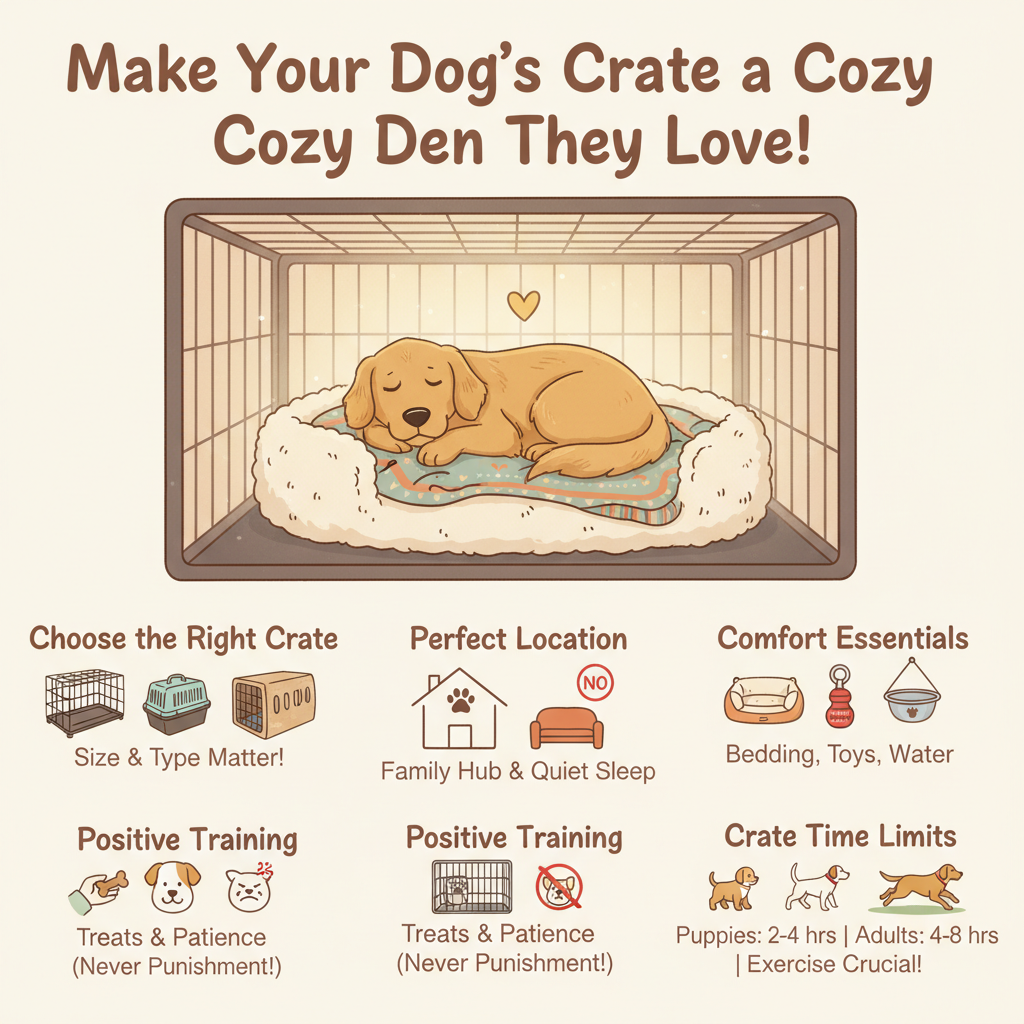
A dog crate is so much more than just a cage; it’s a personal den, a safe retreat, and an amazing tool for house-training. For it to truly work, though, your dog has to love being in there. The good news is, with a few simple steps, you can make dog crate comfortable and transform it into a favorite spot your pup eagerly heads to.
Many dogs see their crate as a place of punishment or isolation. Our goal at Petscarelab is to help you flip that script, turning their crate into a warm, inviting space where they feel secure and happy.
Here’s how to create that perfect den for your furry friend.
Picking the Right Crate
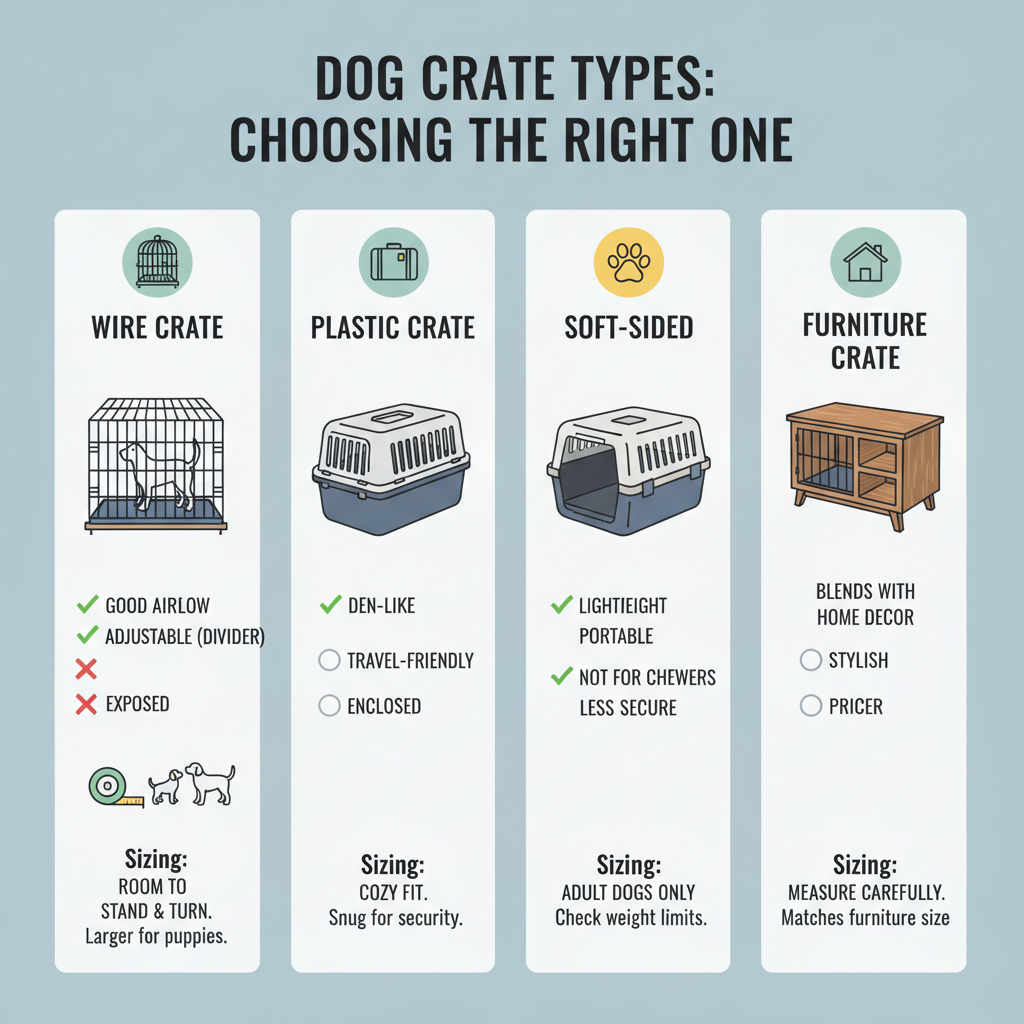
Making your dog’s crate feel like a true home starts with choosing the right one. Different styles offer different perks:
- Wire Crates: These are super common and great for airflow. Many come with dividers, so you can adjust the size as your puppy grows. Just know some dogs might feel a bit too exposed in them.
- Plastic Crates: Often called travel crates, these give a real den-like feel, perfect for dogs who love cozy, enclosed spaces. They’re fantastic for trips but can be heavier and tougher to tuck away than wire crates.
- Soft-Sided Crates: Lightweight and easy to carry, these are a travel favorite. But if your pup’s a chewer or still learning potty manners, they won’t hold up. They offer little protection against escapes or messy accidents.
- Furniture Crates: Want your dog’s space to blend in? These clever crates double as an end table or another piece of furniture. They can be a bit pricier, but they’re a stylish solution when you don’t want a traditional crate sticking out.
No matter which type you pick, the most important thing is size. Your dog should be able to stand up, turn around, and lie down comfortably without bumping into the sides or top. Got a puppy? Choose a crate big enough for their adult size and use a divider to adjust the space as they grow.
Location, Location, Location
Where you put the crate makes a huge difference in how your dog feels about it.
- Start in the Heart of Your Home: When you first introduce the crate, place it in a busy room where your family hangs out a lot, like the living room or kitchen. Dogs are social creatures; they want to be near their people. Sticking them in a separate room can make them feel lonely or anxious.
- Consider Quiet Spots for Bedtime: Once your dog truly loves their crate, you might move it to a quieter area, like your bedroom, for overnight sleep. This helps them feel safe through the night and might even cut down on barking at every little sound.
- Steer Clear of Isolated Corners: Never banish the crate to an unused basement, garage, or laundry room. These places feel isolating and can make your dog think the crate is a punishment.
- Keep it Cozy: Make sure the crate isn’t in a drafty spot or baking in direct sunlight. You want the temperature inside to be just right.
How to Make the Dog Crate Truly Comfortable
Once you’ve got the perfect crate in a great spot, it’s time to make it inviting. You want to make dog crate comfortable and irresistible.
Bedding
A soft spot to rest is non-negotiable.
- Soft and Supportive: Pick a comfy bed, cushion, or blanket that fits snugly inside. Think memory foam, orthopedic mattresses, or even just some soft, clean old towels.
- Easy to Clean: Life happens, especially with puppies. Make sure the bedding is super easy to wash, no matter what messes come its way.
- Chewer Beware: If your dog likes to chew everything, start with tough, chew-resistant bedding or just a few towels. You can upgrade once they learn the crate isn’t a chew toy. Some dogs are even happy with no bedding at all if they’re persistent chewers.
Toys and Chews
Keeping your dog happy and occupied is key to making the crate a positive place.
- Safe Chew Toys: Offer engaging, long-lasting chew toys. Think Kongs stuffed with peanut butter or frozen treats, or clever puzzle toys. These keep your dog busy and build happy memories with their crate.
- Special Crate-Time Treats: Only give your dog these “special” toys when they’re in their crate. This makes crate time exciting and something they really look forward to.
- Don’t Overdo It: Too many toys can make the space feel cluttered, taking away from that safe, den-like vibe. Just a couple of favorites will do.
Water
Access to fresh water is important, especially for longer crate stays.
- Crate-Friendly Bowls: Use a bowl that securely attaches to the side of the crate. This prevents spills and keeps their water sparkling clean.
- Watch Water Intake: If you’re house-training, you might limit water an hour or two before crating to avoid accidents. But always make sure they have plenty of fresh water throughout the day when they’re not crated for long periods.
Positive Associations and Training
Beyond just physical comfort, the emotional connection your dog has with their crate is vital.
- Slow and Steady Wins the Race: Never force your dog into the crate. Start by leaving the door open and let them sniff around on their own. Toss a yummy treat inside to tempt them in.
- Food is Your Friend: Feed your dog their meals inside the crate with the door wide open. Gradually, you can close the door for short bits while they eat, then open it right back up.
- Praise and Treats: When your dog walks into the crate on their own, or stays calm inside, praise them big time and give them a treat.
- Short Stays First: Begin with very short crating times – just a few minutes – and slowly increase how long they stay in there.
- Never a Naughty Corner: The crate should never be a place for punishment. That will only create bad feelings and make your dog scared of it.
- Build a Routine: Dogs love predictability. Try to crate your dog at regular times, like before you head out or at bedtime.
- Ride Out the Whines (at first): If your dog whines or barks when you first put them in the crate, try to ignore it for a short time (unless you know they genuinely need a potty break). Letting them out when they whine teaches them that noise gets results.
- Practice Your Departures: Practice leaving the room for a few minutes while your dog is in the crate, then come back in calmly. Slowly increase the time you’re away.
- Cover It Up: Some dogs feel safer and less distracted if their wire crate has a blanket or light sheet draped over it, making it feel more like a cozy den. Just make sure air can still flow easily.
- Keep Departures and Arrivals Low-Key: When you let your dog out, don’t make a huge fuss. Calmly open the door and let them step out. This keeps them from getting overly excited about leaving the crate.

A Crate is for Comfort, Not Confinement
Remember, a crate should be a safe, comfortable den, not a place where your dog is stuck for too long. While crate training offers huge benefits, dogs shouldn’t spend endless hours in there.
- Puppies: Can only handle 2-4 hours at a time, depending on how old they are and how well they can hold their bladder.
- Adult Dogs: Can usually be crated for 4-8 hours. But even then, they must have plenty of exercise and potty breaks outside the crate.

Always make sure your dog gets lots of chances to run, play, and go to the bathroom outside their crate. A dog who’s had a good romp is much more likely to settle down and relax in their cozy crate.
By following these tips, you’ll turn your dog’s crate from a potential “cage” into a cherished, comfortable home-away-from-home – a safe, secure spot they truly enjoy.