Understanding the MDR1 Gene Mutation in Dogs: A Pet Parent’s Guide
As a loving pet parent, you want to keep your furry friend safe and healthy. That’s why understanding conditions like the MDR1 gene mutation in dogs is so important. This genetic quirk can make certain common medications dangerous for your dog, turning routine treatments into a serious health risk.
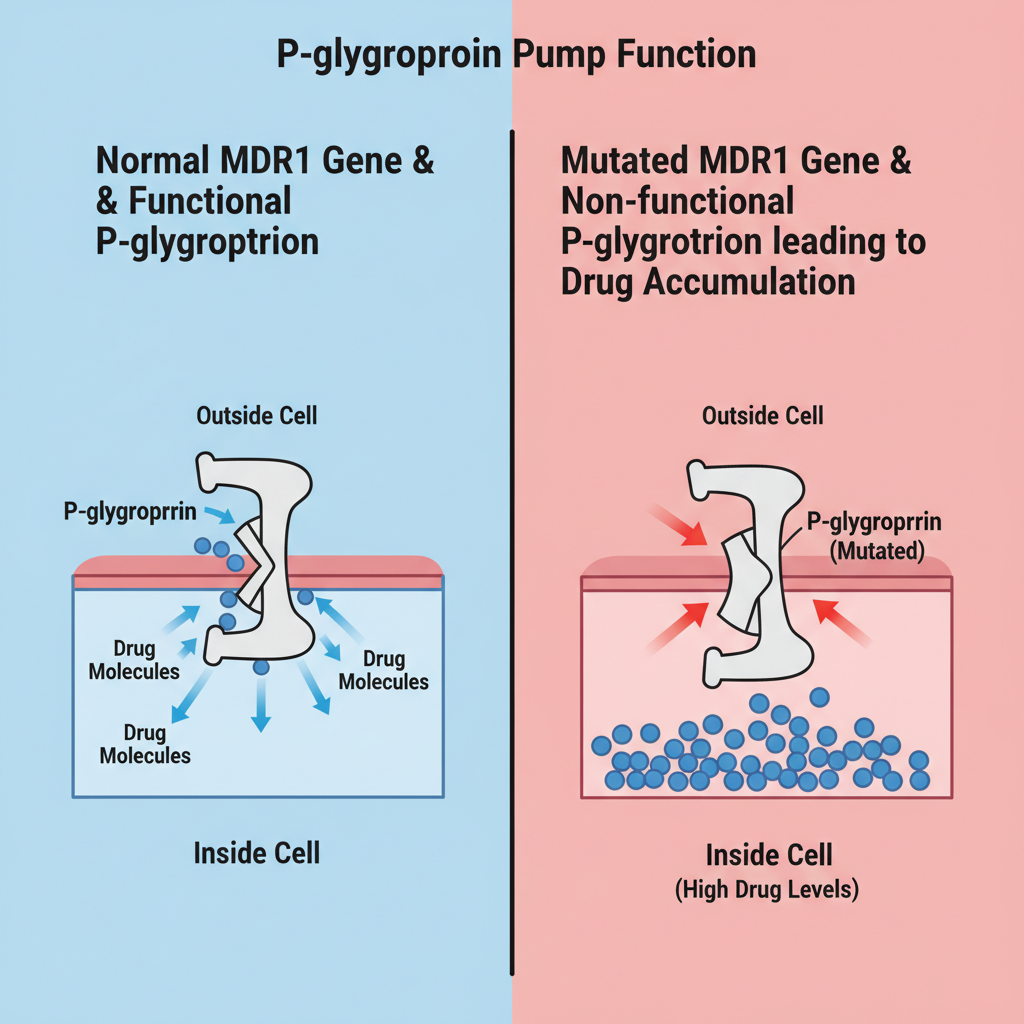
Let’s break down what the MDR1 gene is and why a mutation can cause such big problems. Simply put, the MDR1 gene creates a protein called P-glycoprotein. Think of this protein as a tiny bouncer or pump that lives in cells all over your dog’s body, especially in their brain, gut, and kidneys. Its job is crucial: it actively kicks certain drugs *out* of these cells, preventing them from building up to dangerous levels.
When a dog has a mutation in the MDR1 gene, that crucial P-glycoprotein pump doesn’t work right – or might even be missing entirely. This means that instead of being flushed out, those drugs can accumulate to toxic concentrations in your dog’s system. What might be a perfectly safe dose for one dog could become life-threatening for another carrying this mutation.
Which Dog Breeds Carry the MDR1 Gene Mutation?
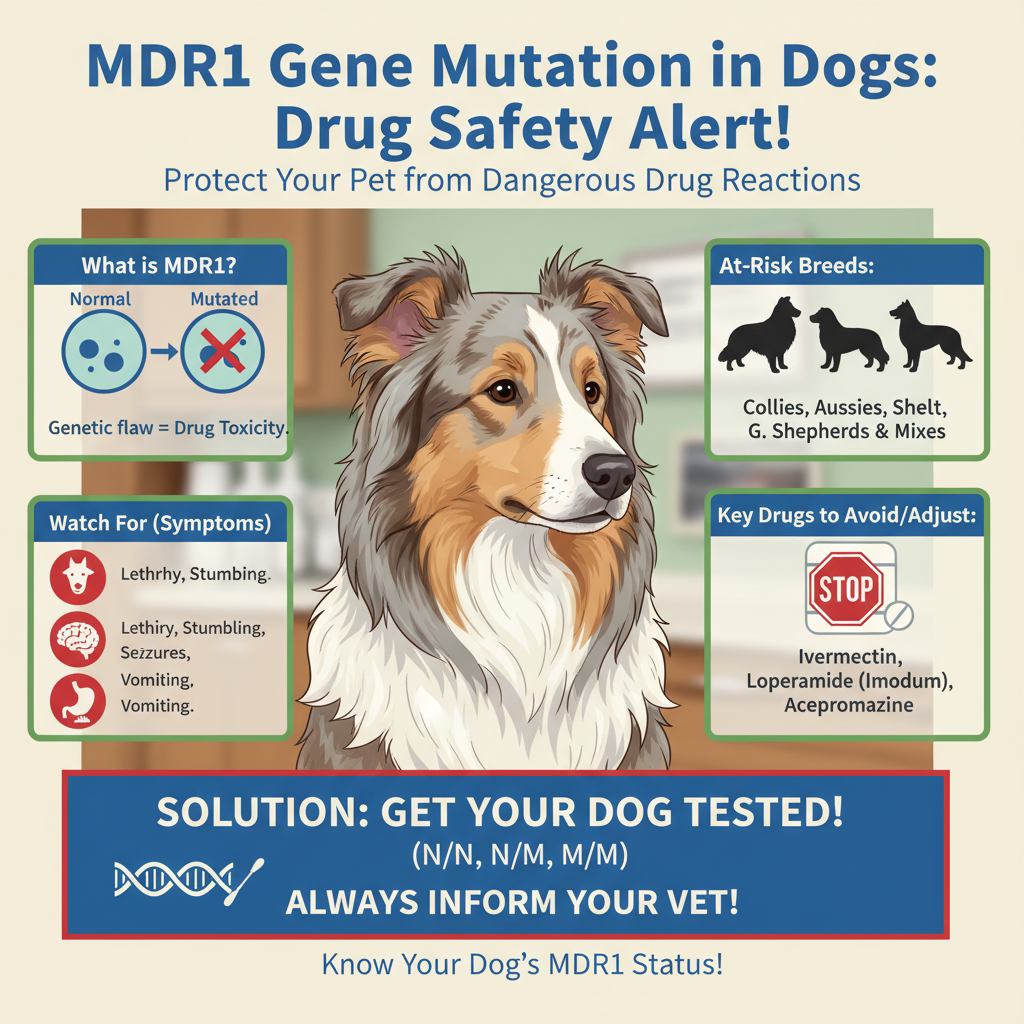
The MDR1 gene mutation pops up most often in herding breeds and dogs with herding breed ancestry. If you have one of these pups, it’s especially important to be aware.
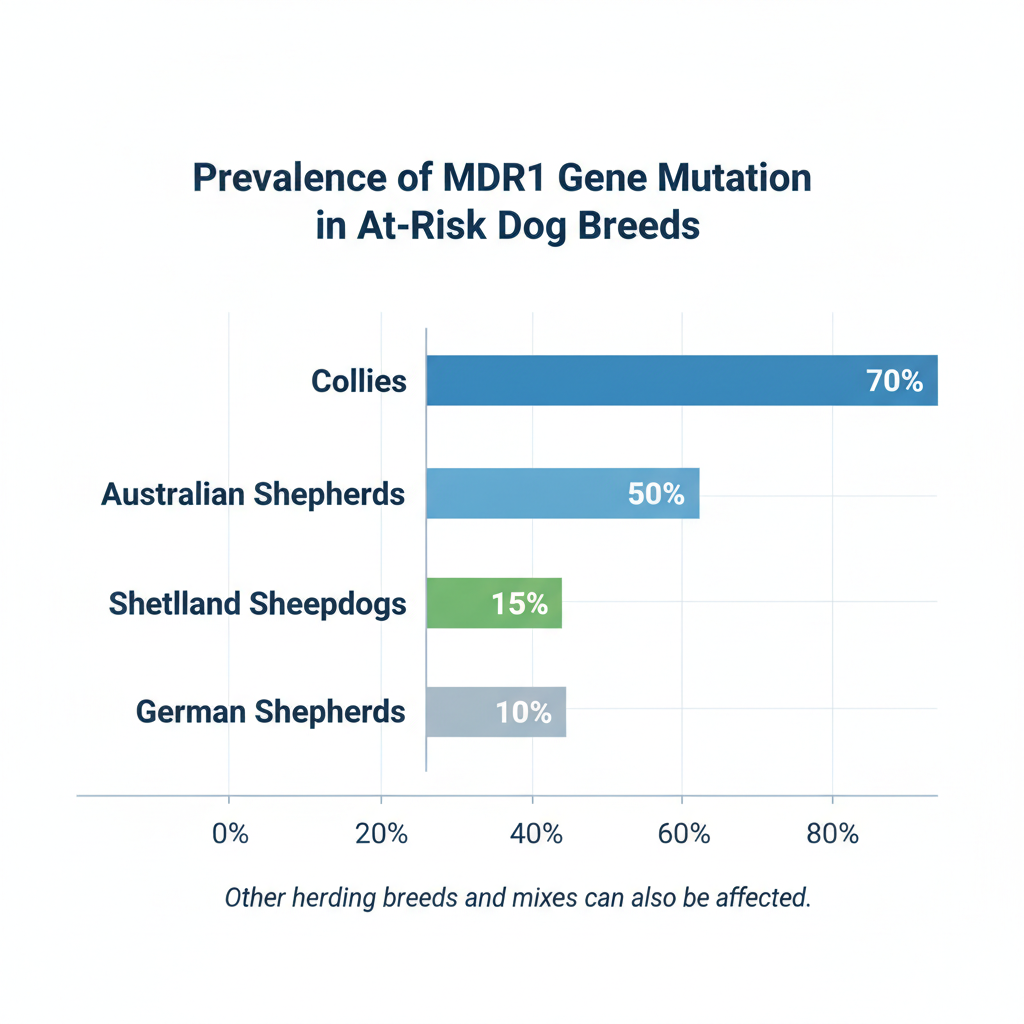
Here are some of the breeds where our research shows the mutation is most common:
- Collies (both rough and smooth): About 7 out of 10 Collies carry at least one copy of this gene.
- Australian Shepherds (including Mini Aussies): Around 50% are affected.
- Shetland Sheepdogs (Shelties): Roughly 15% carry the mutation.
- German Shepherds: It’s less common, but about 10% can be carriers.
- Long-haired Whippets: These pups can have a surprisingly high prevalence.
- MacNab Shepherds
- Old English Sheepdogs
- Border Collies: While less common than in other herding breeds, it’s still a possibility.
- Silken Windhounds
Even if your dog is a mix, if they have any of these breeds in their family tree, they could carry the mutation.
What Does the MDR1 Gene Mutation Look Like? Symptoms in Dogs
Dogs with the MDR1 mutation only show symptoms when they’re exposed to specific drugs. The reaction can vary a lot, depending on the medication, how much your dog got, and whether they inherited one or two copies of the mutated gene.
When an affected dog gets a risky drug, you might see signs of drug toxicity like:
- Neurological issues:
- Acting unusually quiet or lethargic
- Looking confused or disoriented
- Stumbling or walking like they’re drunk (ataxia)
- Blindness
- Tremors or even seizures
- Falling into a coma
- Gastrointestinal troubles:
- Vomiting
- Diarrhea
- Drooling much more than usual
- Not wanting to eat (anorexia)
Sadly, in severe cases, getting the wrong drug can be fatal for dogs with this mutation.
Testing Your Dog for the MDR1 Gene Mutation
Want to know for sure if your dog carries the MDR1 gene mutation? Genetic testing is the only definitive way. It’s a simple, non-invasive test that your vet can perform, or you can often get mail-in kits from specialized labs.
Here’s how it usually works:
- Sample Collection: Your vet will take a quick cheek swab or a small blood sample from your pup.
- Lab Analysis: That sample then goes off to a genetic testing lab.
- Results: The lab will tell you one of three things about your dog’s MDR1 status:
- MDR1 Clear/Normal (N/N or +/+): No copies of the mutated gene. Your dog is safe from this specific drug sensitivity.
- MDR1 Carrier (N/M or +/-): One copy of the mutated gene. These dogs might show some sensitivity to certain drugs, especially if given higher doses.
- MDR1 Affected (M/M or -/-): Two copies of the mutated gene. These dogs are highly sensitive to drugs that rely on the P-glycoprotein pump and face a high risk of severe reactions.
Our team at Petscarelab strongly advises testing all dogs from at-risk breeds, especially before they need any medication from the list of problematic drugs.
MDR1 Problematic Drugs for Dogs: What to Watch Out For
The following drugs are known to pose a risk to dogs with the MDR1 mutation. Keep in mind, this isn’t a complete list, and veterinary specialists sometimes discover new interactions. Always tell your veterinarian if your dog has an MDR1 mutation or if they’re an at-risk breed. This information is vital for safe treatment.
Drugs to Avoid or Use with Extreme Caution
These medications often need a significant dose reduction or a completely different alternative.
- Antiparasitics:
- Ivermectin: While low doses in heartworm preventatives are usually fine, high doses (like those for treating mites) can be deadly for MDR1-affected dogs.
- Selamectin, Milbemycin, Moxidectin: You’ll find these in many heartworm and flea/tick preventatives. Low preventative doses are often okay for carriers and sometimes even affected dogs, but higher doses (for specific parasite treatments) can be dangerous. Your vet will carefully weigh the risks and benefits.
- Emodepside: Used in some dewormers.
- Chemotherapy Drugs:
- Vincristine, Vinblastine, Doxorubicin: Common cancer medications that require drastic dose reductions.
- Paclitaxel, Docetaxel
- Immunosuppressants:
- Cyclosporine: While the P-glycoprotein pump is involved in moving this drug, it’s generally considered safe for MDR1-affected dogs for its intended purpose, though your vet might want to monitor your dog closely.
- Other Drugs:
- Loperamide (Imodium): This anti-diarrhea medication can cause severe neurological problems, even at standard doses.
- Acepromazine: A tranquilizer/sedative. It can cause very long-lasting and profound sedation.
- Butorphanol: An opioid pain reliever/sedative. This can also lead to profound sedation.
Drugs Potentially Requiring Dose Adjustment or Increased Monitoring:
- Erythromycin: An antibiotic.
- Digoxin: A medication for heart conditions.
- Dexamethasone: A corticosteroid.
- Ondansetron: An anti-nausea medication.
Crucial Advice: Even if a drug isn’t on this list, always talk to your vet if your dog has the MDR1 mutation. They’re the best person to determine if a medication is safe or if your dog needs a different treatment plan.
Living with a Dog with the MDR1 Gene Mutation
Discovering your dog has the MDR1 mutation might feel a little overwhelming, but it’s completely manageable! With the right knowledge and partnership with your vet, your dog can live a full, happy life.
Here’s what you need to do if your dog tests positive (as a carrier or affected):
- Inform Everyone: Make sure your primary vet, any emergency vets, and specialists all know your dog’s MDR1 status. Ask them to clearly note it in your dog’s medical records.
- Keep a Record Handy: Carry a small card or note in your wallet with your dog’s MDR1 status and a list of problematic drugs. This is especially helpful in emergencies.
- Choose Safe Alternatives: Your vet will work with you to pick safe medications or adjust doses of necessary drugs to avoid any bad reactions.
- No Over-the-Counter Meds: Never give your dog human or over-the-counter pet medications without first checking with your veterinarian.
- Educate Others: If your dog spends time with a pet sitter, groomer, or at daycare, make sure they understand the risks and know who to call if there’s an emergency.
- Breeding Considerations: If you have a dog with the MDR1 mutation, it’s generally best not to breed them to prevent passing the gene to future generations. If breeding does occur, all puppies should be tested.
The MDR1 gene mutation is a real health concern, but with solid awareness and proper veterinary care, dogs who carry this gene can still enjoy long, healthy lives. Genetic testing gives us a powerful tool to ensure the safest, most effective treatment for your beloved companion.