Skin Tags in Dogs: What Are They, and Are They Dangerous?
What Are Skin Tags?
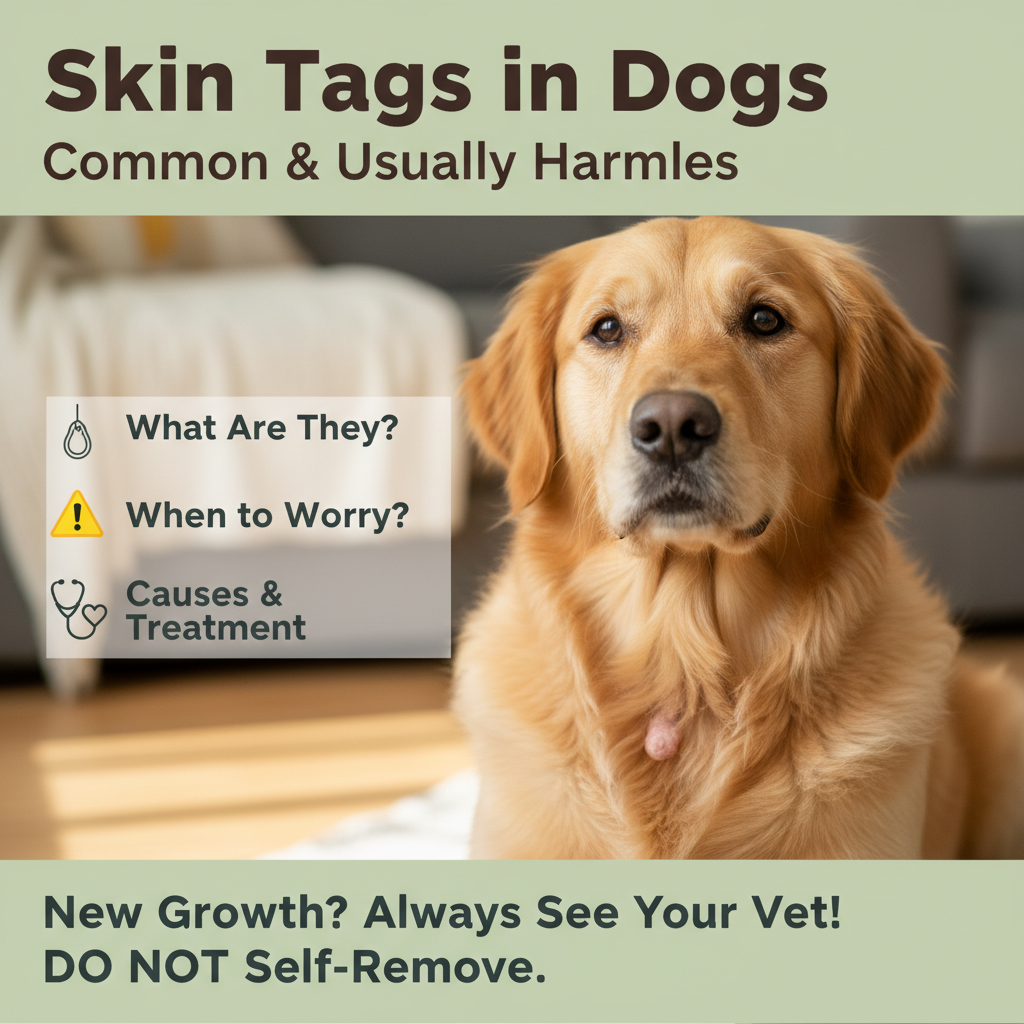
Ever spotted a tiny, fleshy bump hanging off your dog’s skin? Chances are, it’s a skin tag. These small, non-cancerous growths are super common, especially as our furry friends get older. Think of them as harmless little flaps of skin, often caused by everyday friction or just a part of aging. Don’t worry, skin tags in dogs are usually nothing to fret about.
Types of Skin Tags
When we talk about skin tags, we don’t usually break them down into rigid ‘types.’ Instead, we describe them by what they look like and what’s inside them:
- Fibrous Tags (Acrochordons): These are the ones you’ll see most often. They’re basically little bundles of fibrous tissue and tiny blood vessels, all wrapped up in a layer of skin. They usually match your dog’s skin color or are a touch darker.
- Follicular Tags: If you spot a skin tag near your dog’s eyelids that actually has a tiny hair growing out of it, that’s likely a follicular tag. They contain hair follicles, making them unique.
- Oily (Sebaceous) Tags: These tags are packed with oil glands, giving them a yellowish tint and sometimes a slightly greasy feel.
What Do Skin Tags Look Like on a Dog?
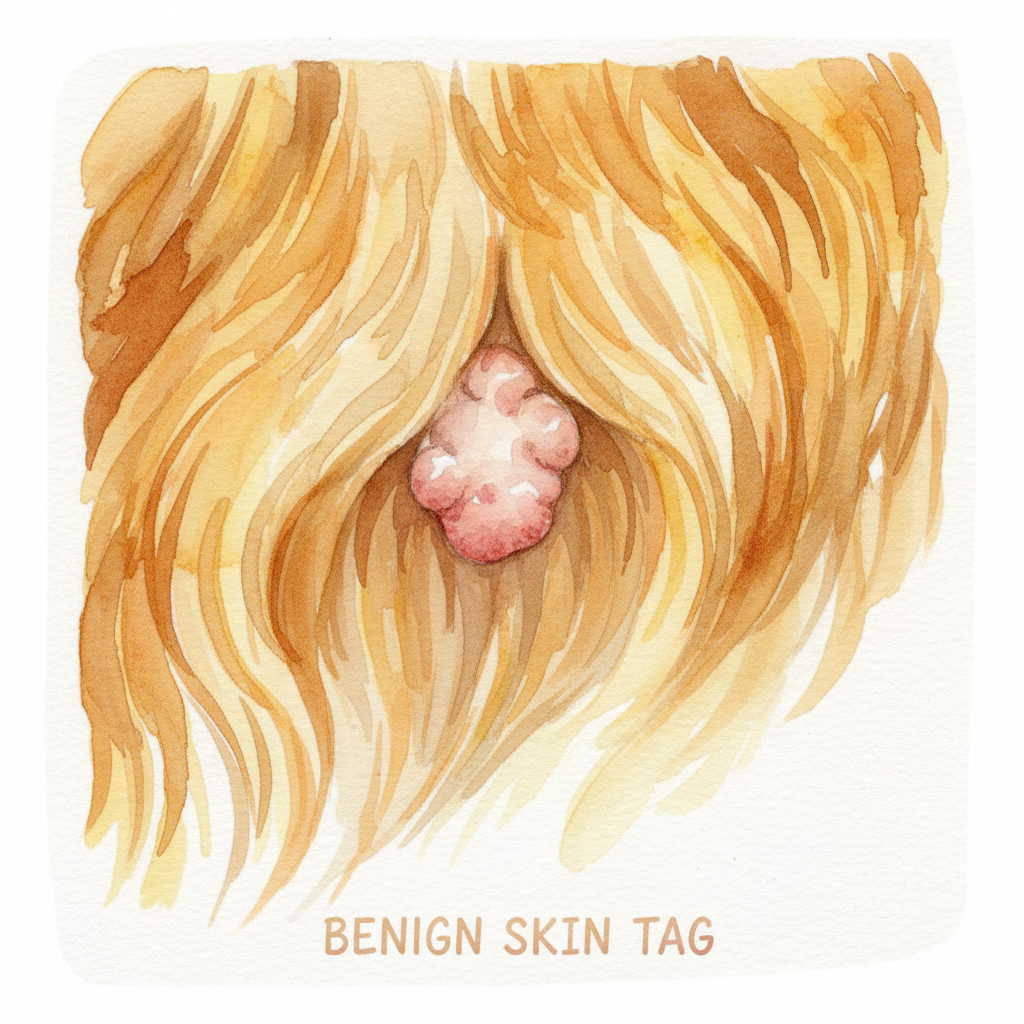
Imagine a tiny, soft bump sticking out from your dog’s skin – that’s often what a skin tag looks like. They can be perfectly round, oval, or even a bit irregular, from just a speck to over a centimeter. Some are smooth to the touch, while others might feel a little crinkly or even resemble a tiny cauliflower floret. They often blend right in with your dog’s natural skin tone, though some might be a shade darker. You might find them covered in fur or completely bald.
Where do these little growths usually pop up? They love spots where there’s a lot of rubbing or pressure, like:
- Armpits
- Groin area
- Neck (especially under collars)
- Chest
- Near joints
- Eyelids
Are Skin Tags Dangerous for Dogs?
Good news first: most skin tags in dogs are completely harmless. They’re just benign (non-cancerous) growths that typically don’t cause your pup any pain or discomfort. But, like anything else, there are times when a skin tag can become a real nuisance:
- Awkward Spots: A tag in a high-friction area – think under the collar, in the armpit, or the groin – can get rubbed raw, inflamed, or even start to bleed.
- Getting Infected: If a tag becomes irritated or injured, it’s an open invitation for bacteria. An infected skin tag can mean pain, swelling, and even ooze pus.
- Looks Aren’t Everything (But They Matter): While purely cosmetic, if a tag is large or there are many of them, you might just prefer they weren’t there.
- The Look-Alikes: This is the most crucial point. Sometimes, something much more serious – even a cancerous growth – can mimic a simple skin tag. That’s why our team at Petscarelab always recommends having any new or changing skin growth checked out by your vet. It’s the only way to get a proper diagnosis and peace of mind.
Causes of Skin Tags in Dogs
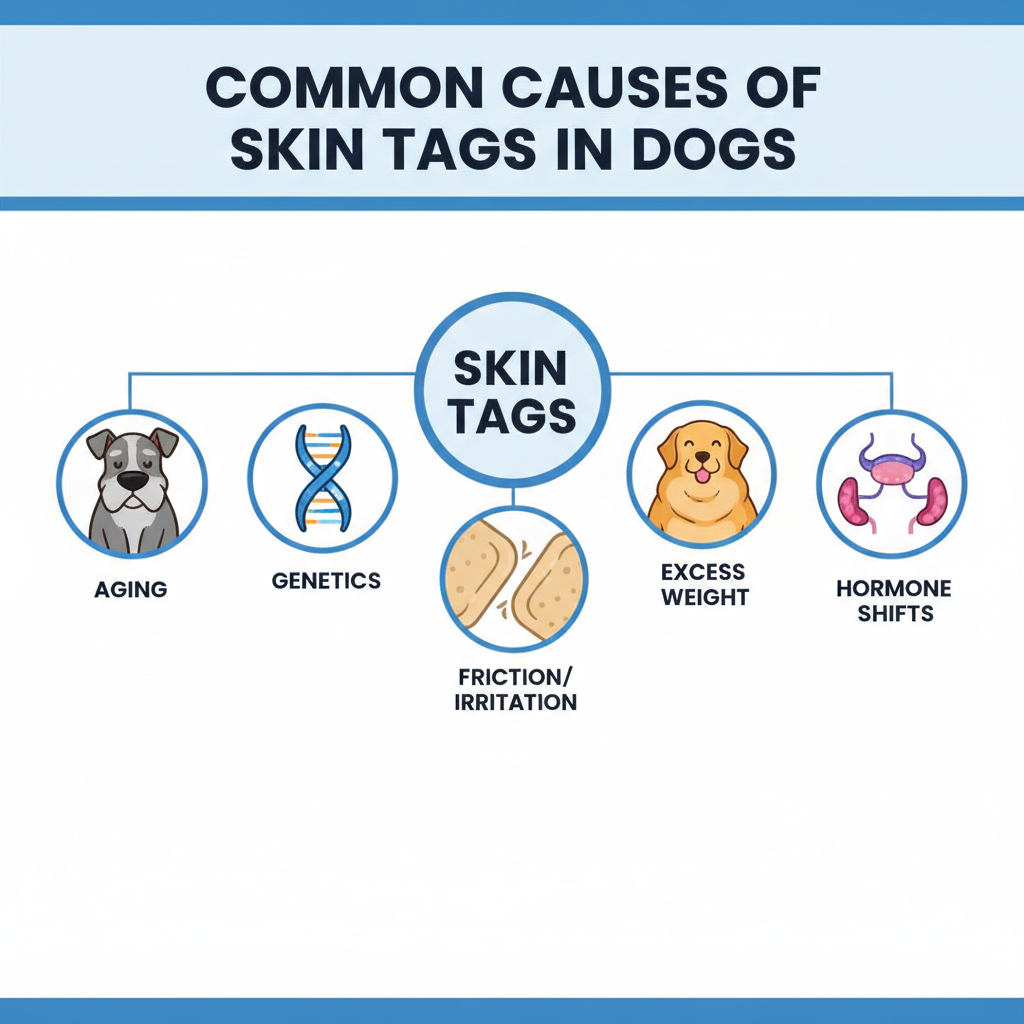
While we don’t know the exact reasons why dog skin tags form, veterinary specialists believe several things play a role:
- Getting Older: Just like us, dogs can develop more skin tags as they age. It’s often just a natural part of getting grey around the muzzle.
- It’s in the Genes: Some dog breeds seem more prone to skin tags than others, suggesting a genetic link. If your dog’s parents had them, your pup might too.
- Rubbing and Irritation: Constant friction on the skin is a big trigger. This is why you often see them in spots like the armpits, groin, or under a collar – anywhere skin rubs against itself or other surfaces.
- Extra Weight: Overweight dogs often have more skin folds, which means more rubbing and friction, increasing their chances of developing skin tags.
- Hormone Shifts: Though not fully confirmed, some changes in hormones might also play a part in why skin tags pop up.
Diagnosis of Skin Tags in Dogs
Diagnosing a skin tag usually starts with your vet taking a good look. They’ll examine the growth’s appearance and where it’s located. They’ll also chat with you about your dog’s history, asking if the growth has changed or if it seems to bother your pup.
Sometimes, to be absolutely sure it’s just a harmless skin tag and not something more concerning, your vet might suggest a few extra tests:
- Fine Needle Aspiration (FNA): Think of this as a tiny peek inside. Your vet uses a very fine needle to collect a few cells from the growth. They then look at these cells under a microscope. This helps them tell the difference between a simple skin tag and other types of growths, like a harmless fatty lump (lipoma) or a more serious mast cell tumor.
- Biopsy: For a definitive answer, a small piece of the growth might be surgically removed. This tissue sample then goes to a lab for a detailed examination. A biopsy gives a clear diagnosis and is the best way to rule out any cancerous growths.
Treatment for Skin Tags in Dogs
The good news is, most skin tags on dogs don’t need any treatment at all! They’re usually harmless and don’t bother your pup. But if a tag is causing problems – maybe it’s getting irritated, bleeding, or infected – or if you just don’t like how it looks, your vet might suggest removing it.
Here are the common ways veterinary specialists get rid of skin tags:
- Surgical Removal: This is the go-to method and usually the most effective. Your vet will numb the area with local anesthesia, then carefully cut out the skin tag. Depending on its size and where it is, your dog might need a few stitches.
- Cryosurgery (Freezing): With this method, your vet uses liquid nitrogen to freeze the tag. The tag then shrivels up and falls off. It’s a less invasive option and often works well for smaller skin tags.
- Ligation (Tying Off): For those small, dangly skin tags, your vet might tie a special surgical thread tightly around its base. This cuts off the blood supply, and without it, the tag simply dries up and falls off within a few days to a week.
A crucial warning from our team: Never try to remove a skin tag yourself at home! You could cause your dog a lot of pain, lead to bleeding, trigger an infection, or not even remove it completely. Always talk to your vet to make sure any removal is safe and effective.
Recovery and Management of Skin Tags in Dogs
Once a skin tag is removed, your vet will give you clear instructions on how to care for your dog afterward. This might include:
- Keeping it Clean and Dry: You’ll want to make sure the removal site stays clean and totally dry to ward off infection.
- Pain Meds or Antibiotics: If needed, your pup might get some medication to keep them comfortable or antibiotics to prevent any infections.
- Watching Closely: Keep a sharp eye on the area. Look for any redness, swelling, oozing, or if your dog is licking it too much.
- Cone Time: To stop your dog from licking or chewing at the site (which can undo stitches or cause infection), they might need to wear an Elizabethan collar – you know, the ‘cone of shame’ – for a little while.
Most dogs bounce back quickly from skin tag removal, often returning to their usual antics within a few days to a week.
Cost of Treatment
Worried about the cost? How much you’ll pay to have your dog’s skin tag removed really depends on a few things:
- How Many & How Big: A single small tag will cost less than multiple large ones.
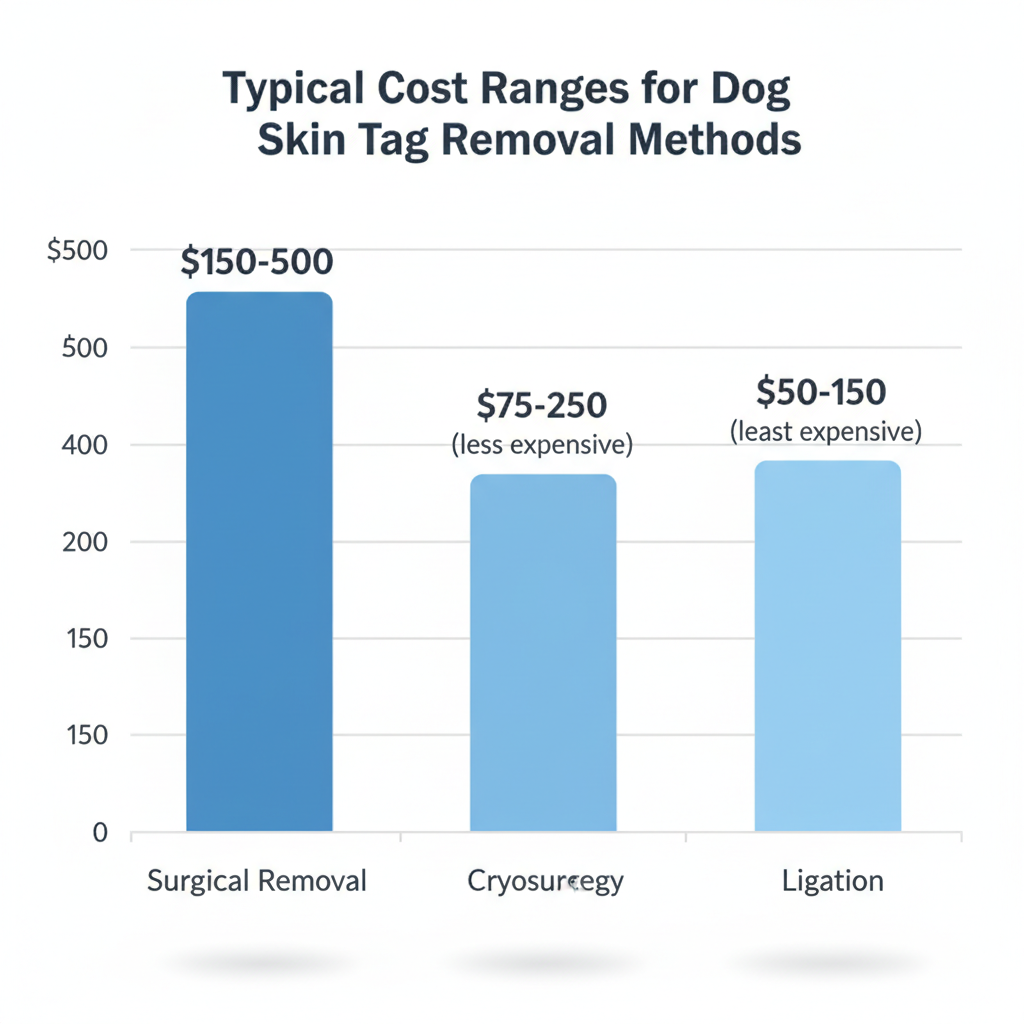
- The Method: Surgical removal is often more involved (and therefore pricier) than cryosurgery or ligation.
- Where You Live: Vet costs can vary quite a bit from one area to another.
- Extra Steps: If your vet needs to do more diagnostic tests or follow-up visits, that will add to the total.
Roughly speaking, getting one skin tag surgically removed could run anywhere from $150 to over $500. Freezing or tying off a tag is generally less expensive. The best way to get a solid estimate is always to chat with your vet about your dog’s specific situation.
Prevention of Skin Tags in Dogs
While you can’t always stop skin tags on dogs from forming, you can take steps to lower their chances and keep your pup’s skin healthy:
- Keep ‘Em Trim: Help your dog maintain a healthy weight. Fewer excess skin folds mean less rubbing and friction, which can lead to fewer tags.
- Brush Regularly: Regular grooming isn’t just for looks! Brushing helps you spot any new bumps early and keeps fur from matting, which can irritate the skin.
- Guard Against Rubbing: If your dog seems to get tags in certain spots, like under their collar, think about using protective gear or soft padding to cut down on friction.
- Routine Vet Visits: Regular check-ups are key. Your vet can keep an eye on your dog’s skin and catch any new growths or changes promptly.
When to Call the Vet
When it comes to any new bump on your dog, the best rule of thumb is: when in doubt, check it out! Even if you’re pretty sure it’s just a simple skin tag, our team at Petscarelab strongly recommends having your vet examine any new or changing skin growths. It’s the only way to get an accurate diagnosis and make sure there’s no hidden medical issue.
Definitely reach out to your vet right away if you notice a skin tag:
- Changing size, shape, or color.
- Getting red, swollen, or painful to the touch.
- Starting to bleed or ooze anything.
- Making your dog constantly lick, chew, or scratch at the spot.
Early detection and appropriate management are essential for maintaining your dog’s skin health and overall well-being.
Frequently Asked Questions
Are skin tags common in dogs?
Yes, they’re quite common, especially in older dogs. These benign growths usually don’t cause any trouble.
Do skin tags fall off on their own?
Most skin tags stick around unless a vet removes them. Methods like surgery, freezing (cryosurgery), or tying them off (ligation) are usually needed. Very rarely, a tag might twist and lose its blood supply, causing it to fall off naturally.
How do you get rid of a skin tag on a dog?
Vets can remove dog skin tags using surgery, freezing (cryosurgery), or by tying off the base (ligation). Remember, it’s crucial to consult your vet for safe removal. Trying to do it yourself can cause pain, bleeding, or infection.
Can I remove my dog’s skin tag at home?
Absolutely not! Please don’t try to remove your dog’s skin tag at home. Without a vet’s help, you risk causing your dog serious pain, bleeding, infection, or not even getting the whole thing off. Always talk to your vet for safe and effective solutions.
What is the difference between a wart and a skin tag on a dog?
Warts (also called papillomas) come from a virus and often look a bit like tiny cauliflowers. They can be contagious and sometimes even disappear on their own. Skin tags, however, are just benign growths of skin and fibrous tissue – not viral. They’re usually fleshy and dangle. While both are generally harmless, only your vet can give you a precise diagnosis.