Mitral Valve Disease in Dogs: A Pet Parent's Guide to Understanding and Managing This Common Heart Condition
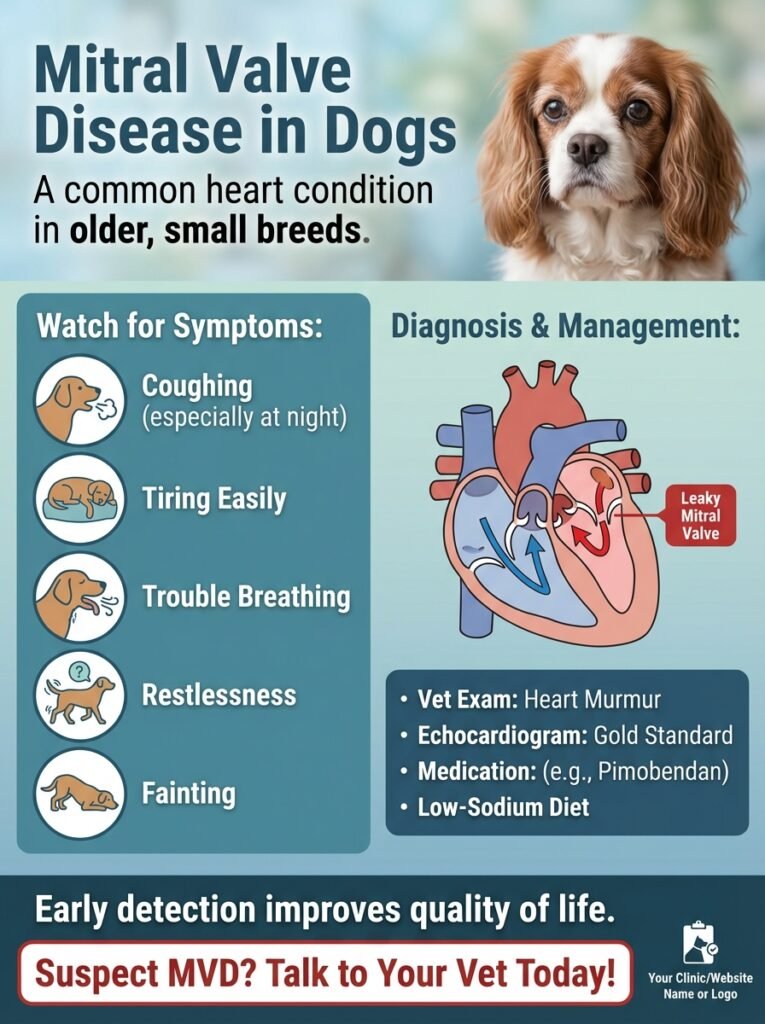
Learning your dog has a heart condition can be scary, but you're not alone. Mitral valve disease in dogs (MVD) is a common, chronic heart issue, especially in older, smaller pups. It happens when the heart's mitral valve, which helps blood flow in the right direction, gets thick and leaky. Over time, this can lead to serious problems like congestive heart failure. Let's break down what MVD is, why it happens, and how you can help your furry friend.
What Exactly Is Mitral Valve Disease in Dogs?
Think of your dog's heart as a four-room house with four doors, or valves. The mitral valve is one of these doors, sitting between the two rooms on the left side of the heart – the left atrium and the left ventricle.
Normally, when the left ventricle squeezes to pump blood out to your dog's body, the mitral valve snaps shut. This keeps blood from flowing backward into the left atrium.
But with MVD, this crucial valve thickens, shortens, and changes shape. It can't close properly anymore, so a little bit of blood leaks backward into the left atrium every time the heart beats. We call this "mitral regurgitation."
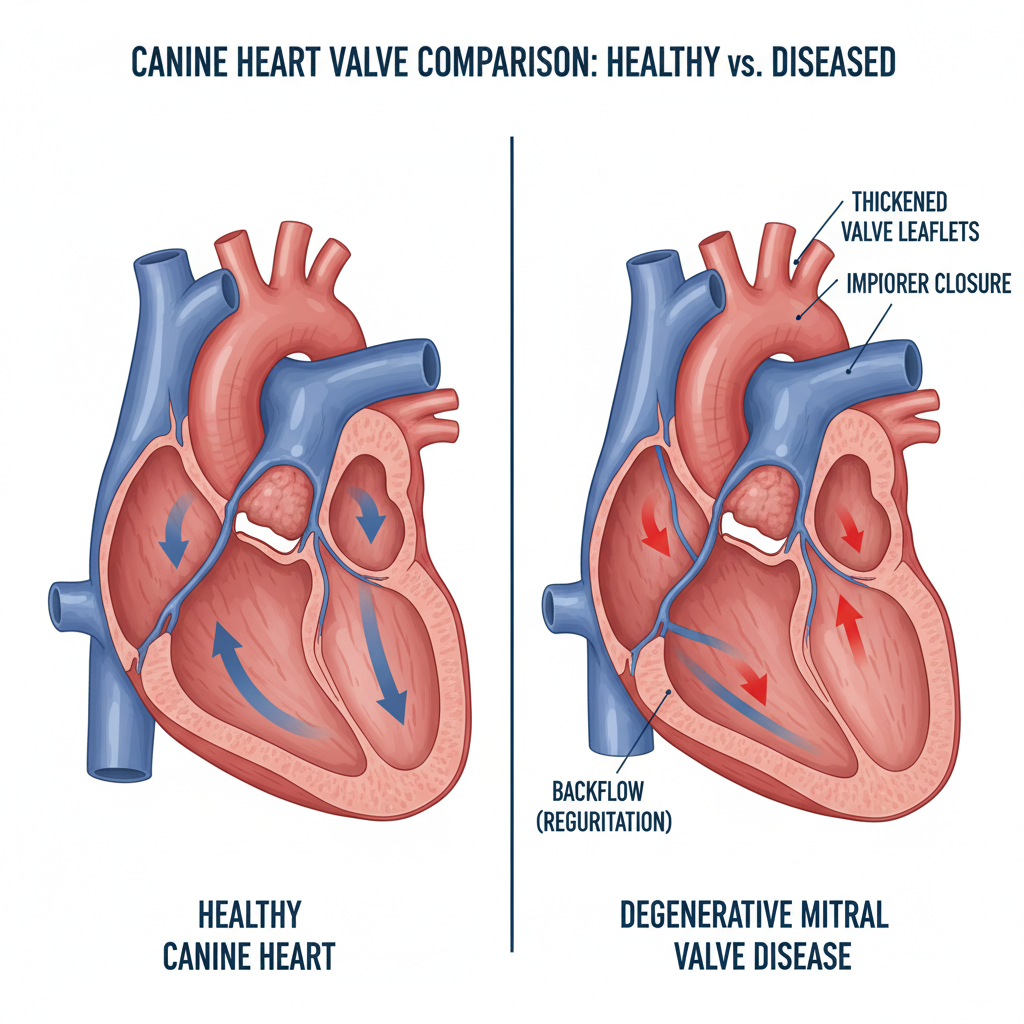
Over time, your dog's heart works harder to make up for this leaky valve. The heart chambers might get bigger, and pressure can build up in the left atrium. Eventually, this can cause fluid to back up into the lungs, leading to a serious condition called congestive heart failure.
Different Kinds of Mitral Valve Disease in Dogs
When we talk about mitral valve disease in dogs, we're usually referring to something called chronic degenerative valvular disease, or endocardiosis. This is by far the most common type of MVD where the valve slowly thickens over time.
Rarer issues that can also cause mitral valve problems include:
- Endocarditis: This is when a heart valve gets infected, which can damage it and cause it to leak.
- Mitral valve dysplasia: Some puppies are born with a mitral valve that didn't form correctly.
- Chordae tendineae rupture: In rare cases, the tiny cords that support the valve can snap, leading to a sudden and severe leak.
These conditions are different from the usual degenerative MVD and require different approaches to care.
What Causes Mitral Valve Disease in Dogs?
While we don't know the exact cause of degenerative MVD, our research suggests it's often a genetic condition. It's most commonly seen in older, small-breed dogs.
Here are some of the breeds that our team sees most often affected by this condition:
- Cavalier King Charles Spaniel
- Dachshund
- Miniature Poodle
- Chihuahua
- Boston Terrier
- Shih Tzu
- Fox Terrier
- Pomeranian
- Miniature Schnauzer
Male dogs tend to be affected more than females, and the risk goes up with age. Most dogs are diagnosed when they're 8 to 10 years old.
Spotting the Signs: Symptoms of Mitral Valve Disease in Your Dog
In the early stages of MVD, your dog might not show any signs at all. Their heart is still doing a good job compensating for the leak. Often, the first clue is a heart murmur that your vet picks up during a routine check-up.
As the disease gets worse, you might start to notice symptoms because your dog's heart isn't working as efficiently. These can eventually lead to congestive heart failure.
Common symptoms to watch for include:
- Coughing: Especially at night, when your dog is resting, or after they've been exercising. This often happens because an enlarged heart presses on their airways, or fluid builds up in their lungs.
- Tiring easily: Your dog might get winded faster during walks or playtime.
- Trouble breathing: You might see them panting a lot, taking rapid, shallow breaths, or looking short of breath.
- Restlessness at night: They might have trouble settling down.
- Weakness or lethargy: Your normally energetic pup might seem sluggish.
- Fainting or collapsing: This is a temporary loss of consciousness because their brain isn't getting enough blood flow.
- Swollen belly: In advanced stages, fluid can build up in their abdomen.
- Weight loss or muscle loss: This can happen with chronic heart disease.
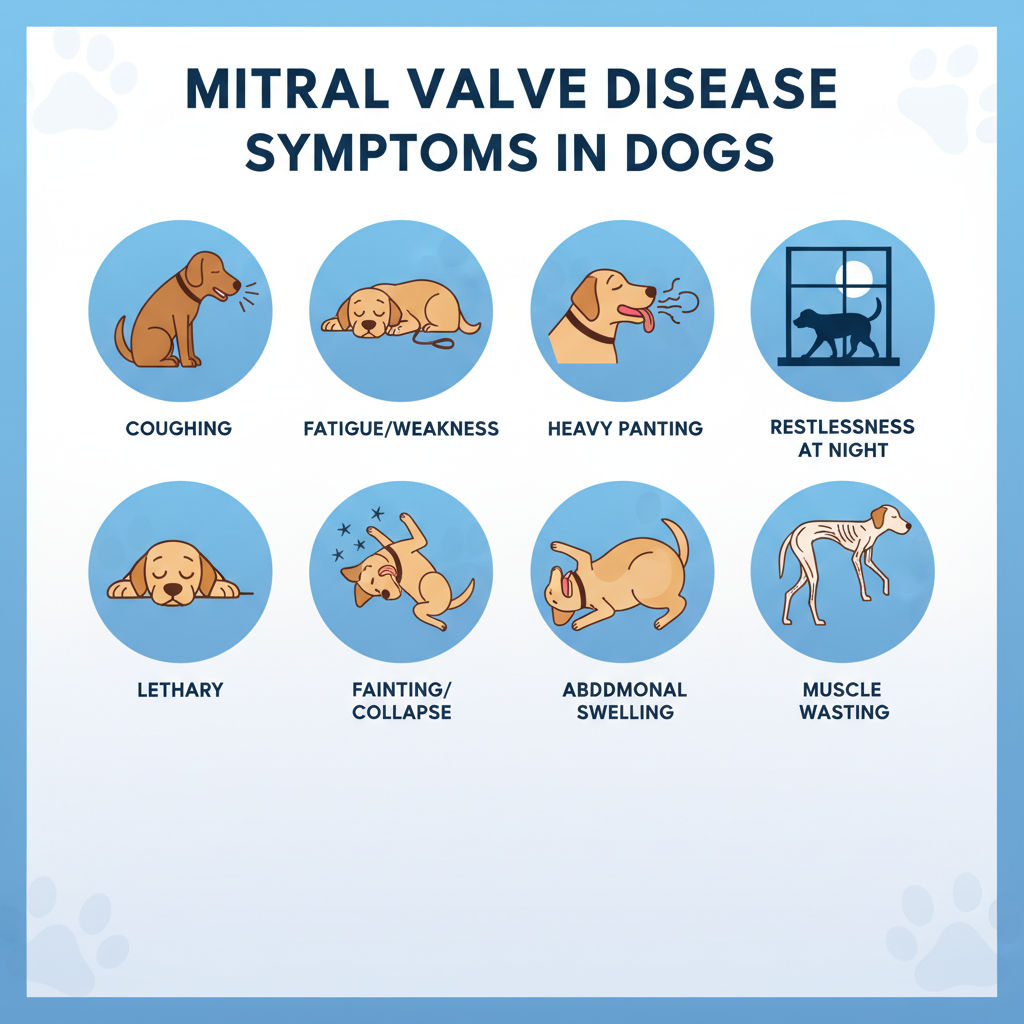
If any of these symptoms pop up, please call your vet right away.
How Vets Diagnose Mitral Valve Disease in Dogs
Diagnosing MVD usually involves a few different steps: a physical exam, some imaging tests, and other heart assessments.
- Physical Exam: Your vet will listen to your dog's heart with a stethoscope. A distinct "swooshing" sound, known as a heart murmur, is often the first hint of MVD. They'll also check your dog's overall health, breathing, and the color of their gums.
- Chest X-rays: These pictures can show the size and shape of your dog's heart. They also help vets spot fluid buildup in the lungs or chest cavity, which points to congestive heart failure.
- Electrocardiogram (ECG): An ECG measures the heart's electrical activity. It can reveal irregular heartbeats or rhythm changes connected to MVD.
- Echocardiogram (Cardiac Ultrasound): This is the gold standard for diagnosing MVD. An echocardiogram gives vets live images of the heart's structure and how it's working. They can see the mitral valve up close, check for thickening or leaks, measure the size of the heart chambers, and assess how strongly the heart is pumping.
Your vet might also run other tests, like blood work (including heart-specific markers), to check overall health and kidney function, as these can be affected by heart disease and certain medications.
Treating Mitral Valve Disease in Dogs
Treatment for MVD depends on how far along the disease is and whether your dog is showing signs of congestive heart failure. The main goals are to manage symptoms, boost their quality of life, and slow the disease's progress.
Medications
Several medications are commonly used to help dogs with MVD:
- Pimobendan (Vetmedin): This medicine helps the heart pump better and widens blood vessels, easing the heart's workload. Vets often prescribe it once a heart murmur and heart enlargement are found, even before symptoms of heart failure appear.
- ACE Inhibitors (e.g., enalapril, benazepril): These drugs help relax blood vessels, lowering blood pressure and reducing strain on the heart.
- Diuretics (e.g., furosemide): Diuretics help flush out excess fluid from the body, which reduces fluid buildup in the lungs and abdomen for dogs with congestive heart failure.
- Spironolactone: This is a mild diuretic that also helps block hormones that can make heart disease worse.
- Cardiac glycosides (e.g., digoxin): Sometimes used to improve how the heart muscle contracts and to control certain irregular heartbeats.
- Antiarrhythmics: If your dog has an irregular heart rhythm, your vet might prescribe specific medications to manage it.
Diet and Exercise
- Low-Sodium Diet: A diet that's lower in sodium can help prevent fluid retention and lighten the load on your dog's heart.
- Controlled Exercise: Regular, moderate activity is usually good, but avoid anything too strenuous, especially if your dog has advanced disease. Your vet can help you figure out the right exercise plan.
Monitoring Your Dog at Home
Regular vet check-ups – including physical exams, blood pressure checks, and repeat imaging like X-rays or echocardiograms – are vital. They help your vet track MVD's progression and adjust treatments as needed.
It's also super helpful for you to keep an eye on your dog's breathing rate at home. If you notice their resting breath rate going up, it could be an early sign of fluid building up in their lungs.
Surgery
Mitral valve surgery is a very specialized, expensive, and complex procedure that isn't widely available. It involves fixing or replacing the damaged mitral valve. It's typically only done at specialized veterinary cardiology centers for very severe cases and is rare for degenerative MVD.
What's the Outlook for Dogs with Mitral Valve Disease?
The future for dogs with MVD really depends on a few things: how far along the disease is when it's diagnosed, how well your dog responds to treatment, and if there are any complications.
- Early Stages: Many dogs in the early stages (Stages B1 and B2) live comfortably for years without symptoms. In Stage B2, when the heart is enlarged but no symptoms are present, studies show that treatment with pimobendan can actually delay the onset of congestive heart failure.
- Advanced Stages (Congestive Heart Failure): Once your dog develops congestive heart failure, the outlook is more serious. However, with the right medical care, many dogs can still enjoy a good quality of life for several months to a few years.
- End-Stage Disease: Dogs with advanced heart failure who no longer respond to medication have a poor prognosis.
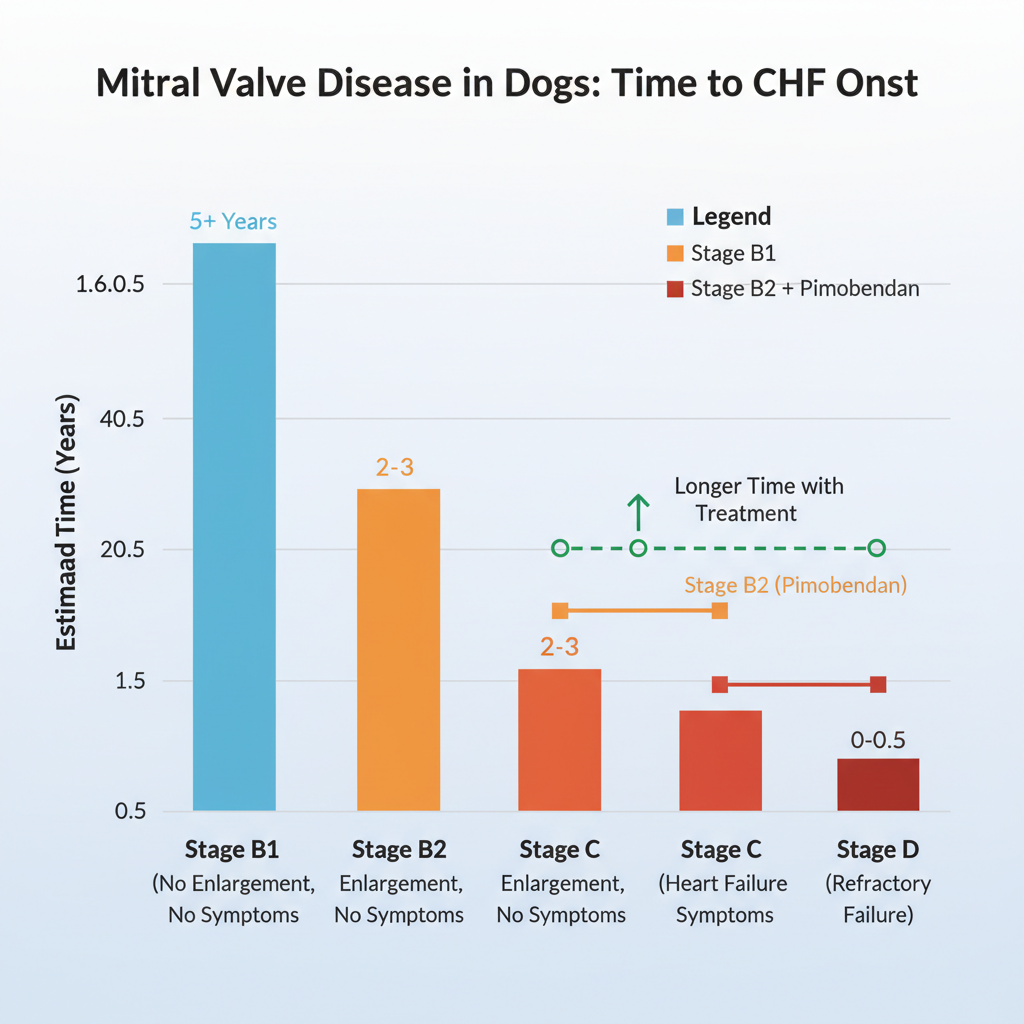
Sticking to your vet's recommendations, giving medications on time, and keeping a close eye on your dog at home can truly make a difference in their quality of life and potentially help them live longer.