Understanding Soft Tissue Sarcoma in Your Dog
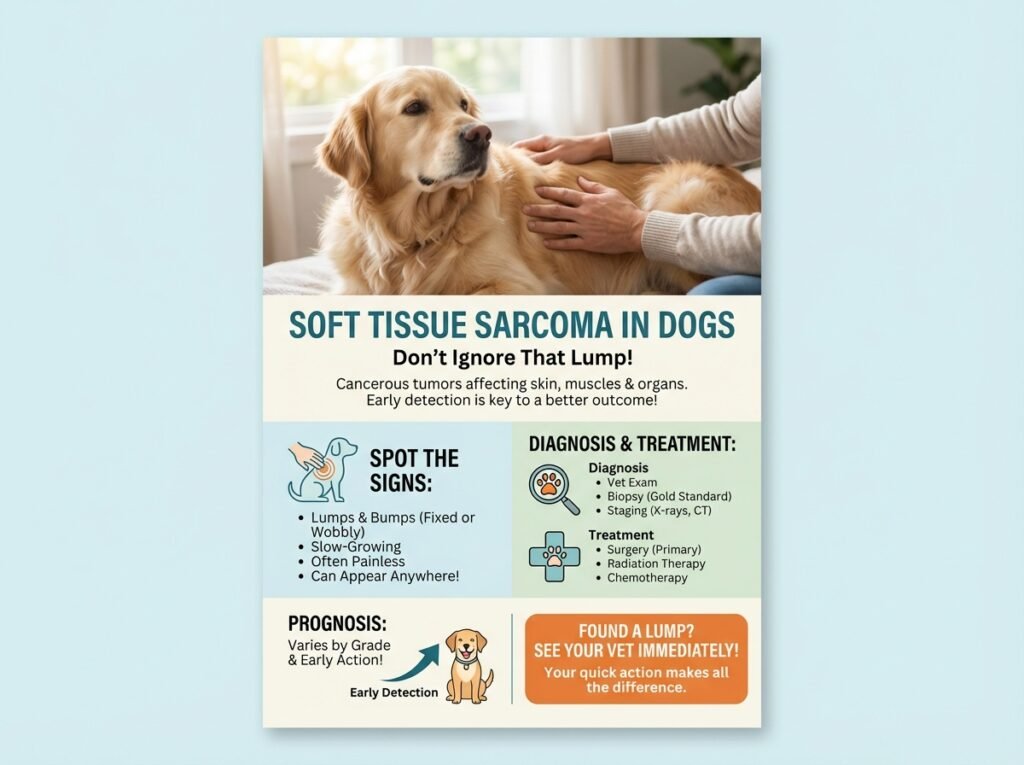
Finding a lump or bump on your dog can be scary, and one type of growth that often worries pet parents is a soft tissue sarcoma in dogs. These are cancerous tumors that grow from the 'soft' parts of your dog's body – things like skin, the tissue right under the skin, muscles, or even internal organs. Think of it as a rogue growth that can pop up almost anywhere.
What makes these tumors tricky is how they grow. Instead of just sitting there, they often 'infiltrate' or weave their way into the surrounding tissues. This can make surgery a real challenge for vets, and sometimes, even after removal, the tumor might try to grow back in the same spot.
The good news? Unlike some other aggressive cancers, soft tissue sarcomas don't spread to distant parts of the body as often. But it's not impossible, especially if the tumor is a more aggressive type.
Symptoms of Soft Tissue Sarcoma in Dogs
Often, the first sign of a soft tissue sarcoma is a lump or bump you can feel on your dog. These lumps can show up in different ways:
- Fixed or Wobbly? Sometimes the lump feels stuck in place, deep in the tissue, while other times it might feel like you can move it around a bit under the skin.
- Slow & Steady: Many of these tumors take their time, growing slowly over weeks or even months. You might not even notice it getting bigger right away.
- No Pain, No Gain? Usually, the lump itself doesn't hurt your dog, unless it's in a spot that makes moving awkward or presses on a nerve.
- Odd Shapes: While some can be smooth, many soft tissue sarcomas feel irregular or have fuzzy edges.
- Anywhere and Everywhere: These lumps can pop up on any part of your dog's body, though we often see them on legs, the main body, or the head.
Beyond the lump itself, if the tumor grows large or is in a sensitive spot, you might notice other signs:
- A Limp or Awkward Gait: If the tumor is on a leg or near a joint, your dog might start limping or have trouble moving comfortably.
- Swelling: You might see swelling around where the lump is.
- Skin Sores: A large tumor can sometimes break through the skin, causing a sore or wound that just won't heal.
- Trouble Eating or Breathing: If the tumor is inside the mouth, throat, or chest, your pup could struggle to eat or breathe normally.
- Tiredness or Weight Loss: In more advanced cases, or if the cancer has spread, your dog might seem unusually tired or start losing weight. This isn't usually the first sign, though.
Causes of Soft Tissue Sarcoma in Dogs
Truth is, we don't fully understand why some dogs develop soft tissue sarcomas. Like many cancers, it's likely a mix of things – genetics, environment, and just plain bad luck. Here are some factors our team at Petscarelab and other veterinary specialists have looked into:
- Family Tree & Breed: Some breeds seem to be more prone to these tumors, which tells us genetics might play a role. Breeds like Golden Retrievers, Labrador Retrievers, Rottweilers, German Shepherds, and Boxers often appear on this list.
- Past Injury or Irritation: While it's not a direct cause, some theories suggest that an area of chronic irritation or an old injury might, in rare cases, contribute to the development of these tumors.
- Environmental Exposure: There's been talk about certain chemicals or toxins, but we haven't found a clear, solid link in dogs yet.
- Injection Sites (Less Common in Dogs): You might have heard about injection-site sarcomas in cats, which are quite common. For dogs, this link is much less clear or frequent, but it's something veterinary specialists still consider.
While soft tissue sarcomas can affect dogs of any age, we most often see them in middle-aged to older pups, usually those over 8 years old.
Diagnosis of Soft Tissue Sarcoma in Dogs
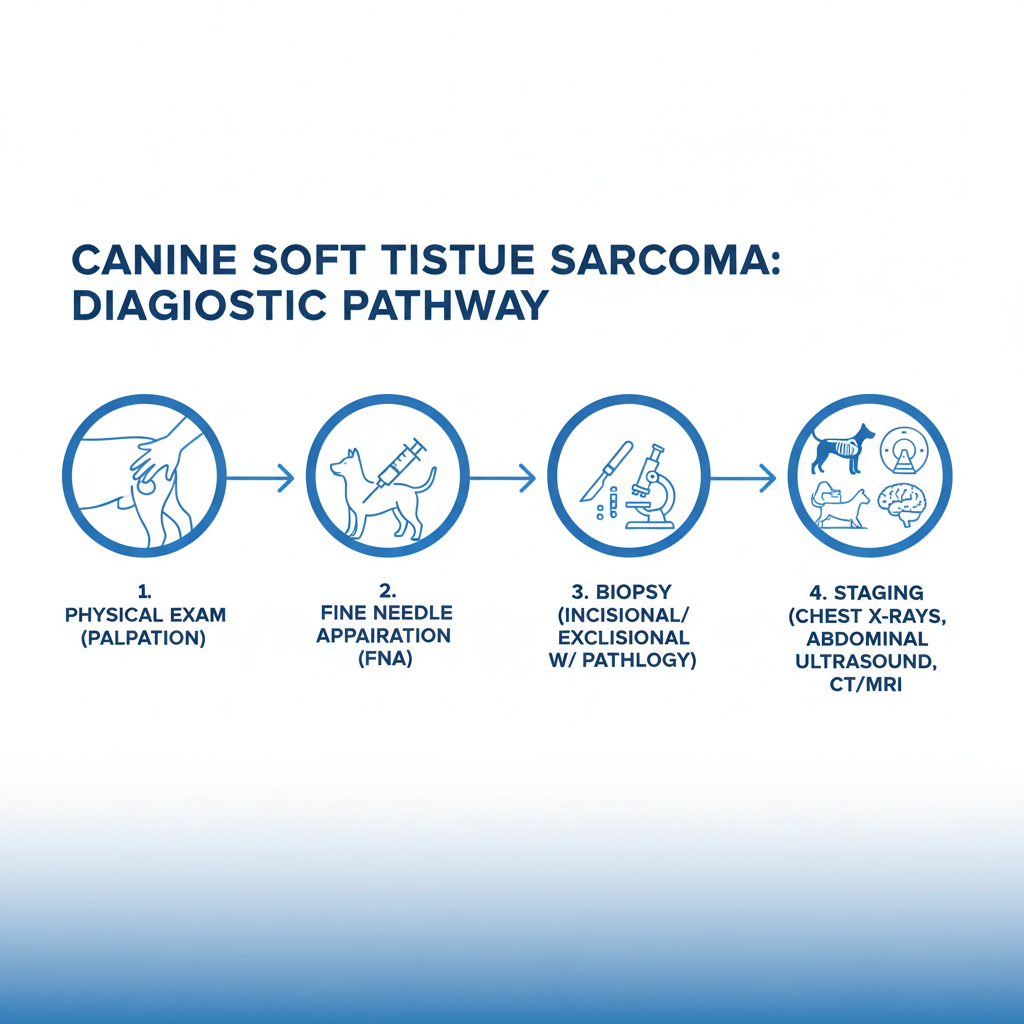
When your vet suspects a soft tissue sarcoma, they'll usually take a few steps to get a clear picture. This often involves a thorough physical exam, some imaging, and getting a sample of the tissue itself.
1. Physical Exam
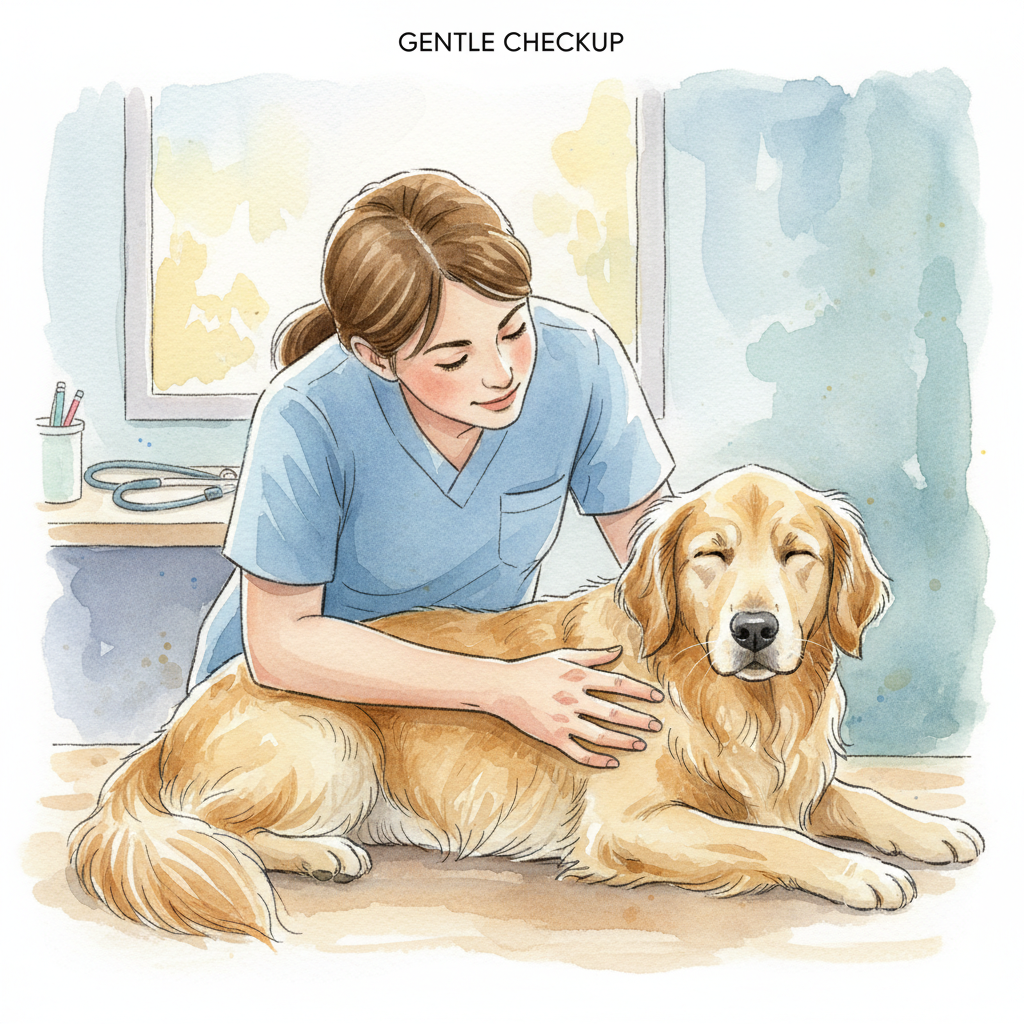
Your vet will carefully feel the lump, checking its size, where it is, how it feels (soft? firm?), and if it moves around. They'll also feel for any swollen lymph nodes nearby, which could be a sign of spread.
2. Fine Needle Aspiration (FNA)
Often, the first thing your vet will do is an FNA. They'll use a tiny needle to collect some cells from the lump, which then go under a microscope for examination. While this can sometimes hint that it might be a sarcoma, it often doesn't give a definitive answer about whether it's truly cancerous or what type or grade it is. That's because it only gets a few cells. Because of this, a biopsy is almost always needed for a sure diagnosis.
3. Biopsy
This is the gold standard for diagnosis. A biopsy means surgically taking a small piece of the lump (or sometimes the whole thing) to be examined by a veterinary pathologist. This gives us the definitive answers: Is it cancer? What specific type of sarcoma is it? And what's its 'grade' (low, intermediate, or high)? The grade is super important because it helps predict how the tumor might behave and guides treatment.
- Incisional Biopsy: Here, your vet removes just a small part of the tumor.
- Excisional Biopsy: If the lump is small and easy to get to, sometimes the entire tumor is removed right away. But getting enough healthy tissue around it (called 'margins') is crucial.
4. Staging (Looking for Spread)
Once we know it's a soft tissue sarcoma, the next step is to 'stage' the cancer. This means running tests to see if it has spread anywhere else in your dog's body.
- Chest X-rays: We'll typically take a few X-rays of your dog's chest to check for any signs of spread to the lungs, a common spot for distant metastases.
- Abdominal Ultrasound: An ultrasound of the belly helps us look at internal organs like the liver and spleen, and check for any enlarged lymph nodes inside the abdomen.
- CT Scan or MRI: For a really detailed view, especially if the tumor is on a leg, head, or body, your vet might recommend a CT scan or MRI. These advanced scans give precise information about the tumor's exact size, how deep it's grown into surrounding muscles, bones, or nerves, and are vital for planning surgery to remove it completely. They're also much better at spotting any nearby lymph node involvement or distant spread than regular X-rays or ultrasounds.
Treatment for Soft Tissue Sarcoma in Dogs
The main treatment for soft tissue sarcoma in dogs usually involves surgery to remove the tumor. But depending on where the tumor is and how it's behaving, our veterinary specialists might suggest other treatments, either on their own or alongside surgery.
1. Surgery
The main goal of surgery is to remove the whole tumor, making sure to take a good amount of healthy tissue around it. This 'clean margin' is super important for reducing the chance of the tumor growing back in the same spot.
- Wide Local Excision: This is often the preferred method. Vets aim to remove the tumor with 2-3 cm of healthy tissue on all sides and at least one layer of healthy tissue underneath.
- Amputation: If a tumor on a leg is too big or in a spot where it can't be fully removed with good margins, amputation might be the best way to get rid of all the cancer. This can sound drastic, but dogs often adapt incredibly well.
- Reconstructive Surgery: Sometimes, if a lot of tissue needs to be removed, your vet might suggest reconstructive surgery, like skin grafts, to help heal the area.
2. Radiation Therapy
- After Surgery (Adjuvant): If surgery couldn't get perfectly clean margins (meaning some cancer cells might have been left behind), radiation is often recommended. It helps zap any remaining cells and lowers the risk of the tumor coming back locally.
- As a Primary Treatment: If surgery isn't an option because of where the tumor is or how much it's invaded, radiation therapy can be used on its own. It might shrink the tumor, improve your dog's comfort (this is called palliative radiation), or help control its growth in that area.
3. Chemotherapy
- After Surgery (Adjuvant): For low-grade soft tissue sarcomas, chemo isn't usually needed because these tumors don't spread much. However, our veterinary specialists might consider it for high-grade sarcomas, very large tumors, or if there's already evidence the cancer has spread. The goal here is to target any tiny, unseen cancer cells and reduce the chance of spread elsewhere. Doxorubicin is one drug often used.
- Metronomic Chemotherapy: This is a different approach, using low doses of chemo drugs continuously. It works by trying to cut off the tumor's blood supply. Vets might suggest this for comfort care (palliative) or to help reduce the risk of the cancer spreading.
4. Targeted Therapy
Newer drugs, like tocernib (often known by the brand name Palladia), might be used in certain situations. This is especially true for tumors that can't be surgically removed or if the tumor has a particular genetic makeup. These medications work by targeting specific pathways that help cancer cells grow and survive.
Prognosis for Soft Tissue Sarcoma in Dogs
When it comes to the future for dogs with soft tissue sarcoma, many things can influence the outcome. Here's what our veterinary specialists consider:
- The Tumor's 'Grade': This is arguably the most important factor. The pathologist assigns a grade (low, intermediate, or high) based on how aggressive the cells look.
- Low-grade: These sarcomas generally have a good outlook, especially if removed completely. They're less likely to spread.
- Intermediate-grade: The prognosis is fair here, but there's a higher chance of the tumor growing back locally or possibly spreading compared to low-grade tumors.
- High-grade: These tumors mean a more guarded prognosis. They're much more likely to return after surgery, and there's a significant risk (50% or more) of them spreading to other parts of the body.
- Was It All Removed? Getting clean surgical margins – making sure all the cancer is taken out with a border of healthy tissue – is absolutely critical. If margins aren't clean, the risk of the tumor growing back in the same spot goes way up.
- Size & Location: Smaller tumors closer to the surface usually have a better prognosis than large ones that have grown deep into tissues or are in difficult-to-reach areas.
- Has It Spread? If the cancer has already spread by the time it's diagnosed, it means the disease is more advanced, and the outlook is generally poorer.
- Extra Treatments: Using treatments like radiation after surgery (especially if margins weren't clean) can significantly improve the chances of keeping the tumor under control locally and lead to a better overall outcome.
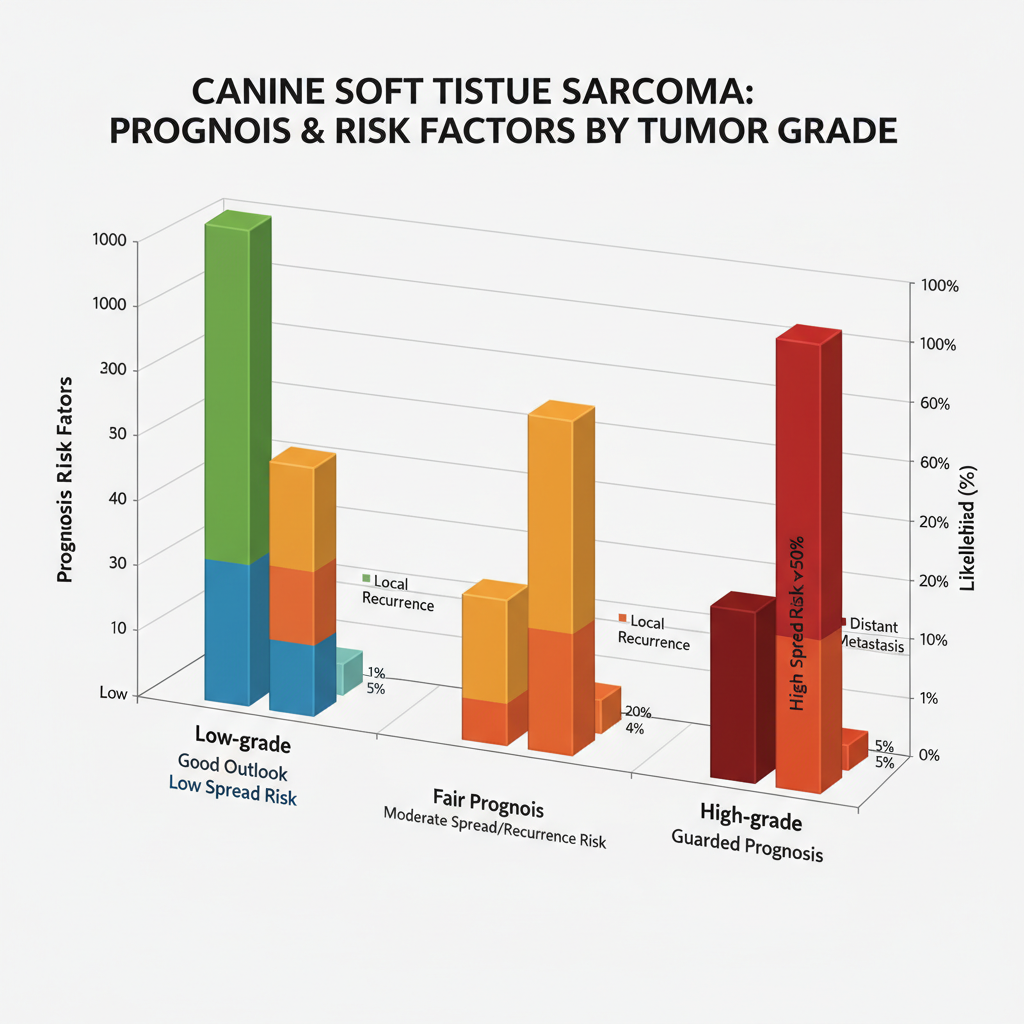
If the tumor is completely removed, dogs with low to intermediate-grade soft tissue sarcomas often live for several years. For high-grade tumors or those that have already spread, the outlook is usually measured in months, even with intensive treatment. No matter the grade, regular check-ups, feeling the surgical site, and chest X-rays are vital for keeping an eye out for any recurrence or new spread. Catching these tumors early and treating them aggressively is truly the best way to give your dog a better chance. If you ever find a lump or bump on your dog, don't wait – get it checked by your vet right away. Your quick action could make all the difference.