
How to Make Training Fun: Positive Reinforcement Dog Training
Imagine your dog’s tail wagging, eyes bright, eager to learn – that’s the magic of positive reinforcement dog training. This method isn’t just about teaching your pup tricks; it’s about building a language of love and trust, where good behavior gets celebrated, not forced. It makes your dog want to learn and repeat those good actions.
Here’s why our team at Petscarelab believes positive reinforcement is the best way to go:
- You’ll feel closer than ever to your furry best friend. Every “good dog!” and tasty treat deepens your connection, making your pup trust you even more.
- Training becomes a game, not a chore. Your dog learns that engaging with you means good things happen.
- Say goodbye to stress. There’s no fear of punishment, so training stays enjoyable and anxiety-free for both of you.
- It works for every dog. Whether you have a tiny puppy, a spirited adult, or a wise old-timer, they can all thrive with this approach.
- They learn what to do. Instead of just figuring out what not to do, your dog learns clear, positive actions.
What’s the Secret Behind Positive Reinforcement?
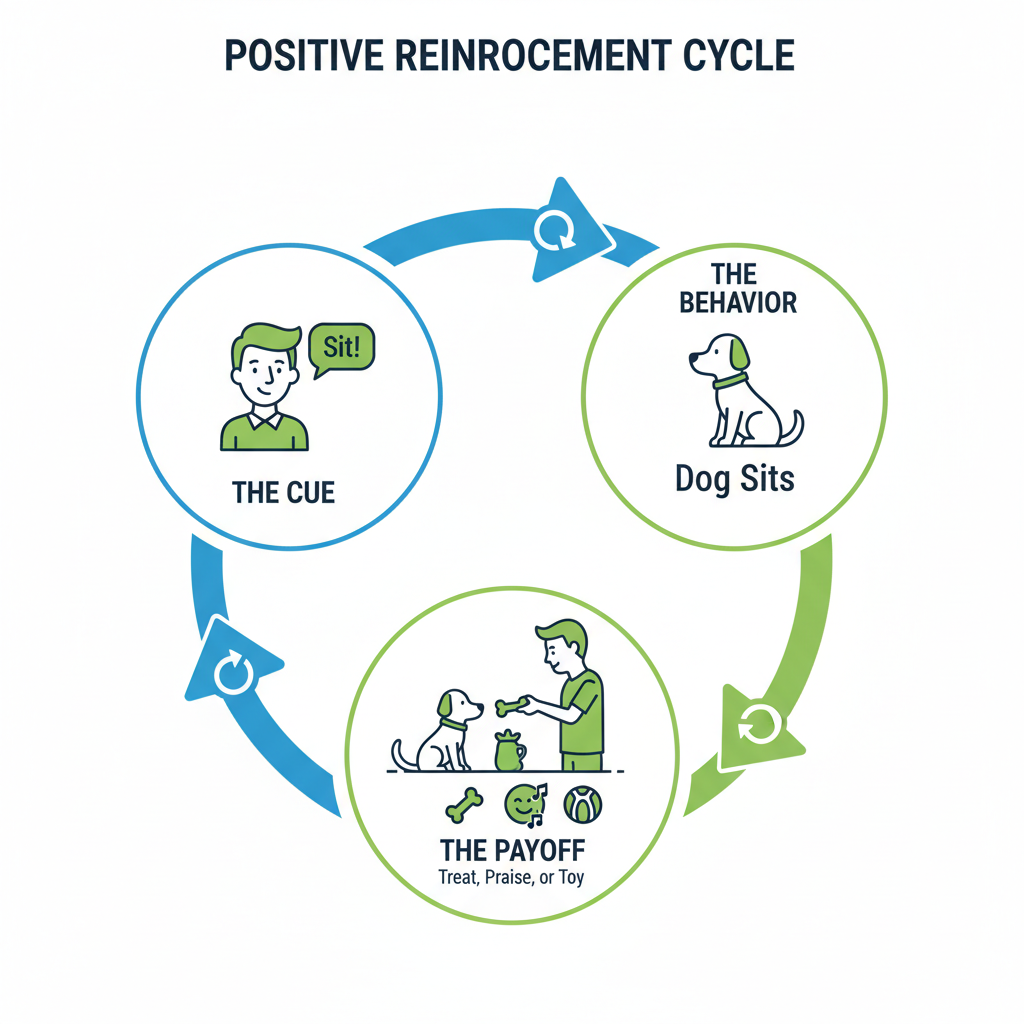
At its heart, positive reinforcement means you add something great (the “positive”) right after your dog does something you like, so they’re more likely to do it again (the “reinforcement”).
Think of it like this:
- The Cue: You give a command, like “Sit!” or simply call your dog’s name.
- The Behavior: Your dog responds – they sit, they look at you, they stay put.
- The Payoff: Immediately, something awesome happens! A delicious treat, a happy “Good job!”, or their favorite toy appears.
The goal is to make that payoff so fantastic that your dog can’t wait to perform the behavior again when they hear your cue.
Your Step-by-Step Guide to Positive Reinforcement Dog Training
Ready to get started? Follow these steps to make your training sessions super effective and fun.
1. Figure Out What Makes Your Dog Tick
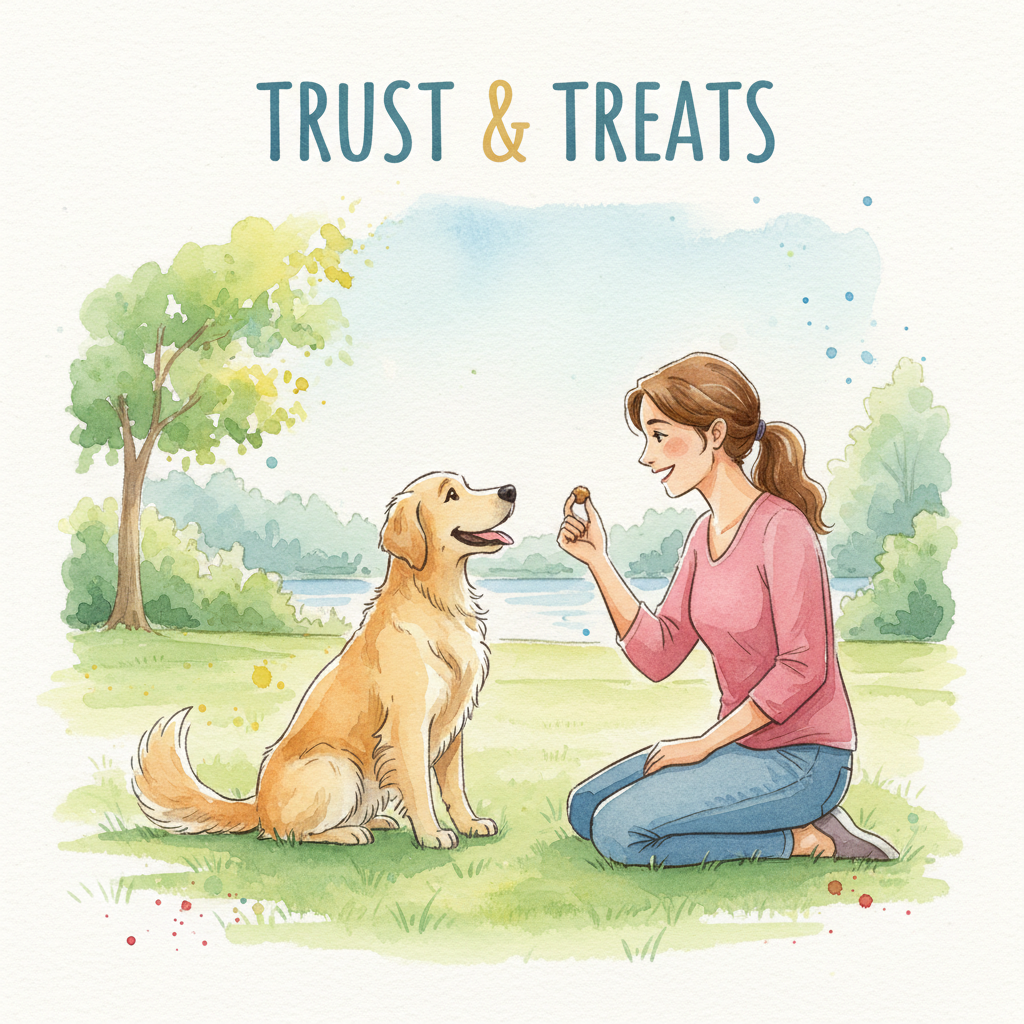
What’s your dog’s absolute favorite thing? Knowing this is key! Great motivators often include:
- Tiny, super-tasty morsels: Think soft cooked chicken, a bit of cheese, or those special training treats that smell irresistible.
- Your enthusiastic praise: A happy, high-pitched “Good dog!” or “Yes!” can work wonders.
- Their prized possessions: A squeaky ball or their go-to tug toy.
- A good scratch or belly rub: If your dog loves it, use it!
- Access to fun stuff: Want to go for a walk? “Sit” for the leash! This is often called a “life reward.”
Experiment to find out what really gets your dog excited. Remember, what works for a simple “sit” in the living room might need to be a super high-value treat when you’re working on something tough in a distracting park.
2. Nail the Timing with a “Marker”
Timing is everything in dog training. Your dog needs to know precisely what amazing thing they did to earn that reward.
- Use a marker: A quick verbal “Yes!” or a clicker is invaluable. It’s like a snapshot, telling your dog, “THAT exact thing you just did? That’s what I wanted!”
- Mark the instant the behavior happens: The very second your dog’s bottom hits the floor for “sit,” say “Yes!” or click.
- Follow up immediately with the reward: Within 1-3 seconds of that marker, deliver the treat, praise, or toy. This creates a strong connection between the action, the marker, and the reward.
3. Keep Training Short, Sweet, and Happy
Dogs, especially young pups, have notoriously short attention spans.
- Aim for quick, bite-sized sessions: Maybe 5 to 10 minutes at a time. A few short bursts through the day work so much better than one long, boring slog.
- Always end on a high note: Finish every session with a command your dog knows well, a huge success, and a big reward. This keeps them eager for the next time.
- Start in a calm spot: Begin in a quiet room with few distractions. As your dog gets better, slowly introduce more stimulating environments.
4. Break It Down: The Art of “Shaping”
If you’re teaching something tricky, don’t expect your dog to get it perfectly right away.
- Reward the tiny steps: Teaching “down” might start by rewarding your dog for just looking at the floor, then for lowering their head, then for lying all the way down.
- Raise your standards gradually: Only reward them when they perform a step that’s closer and closer to the finished behavior.
5. Be Consistent and Patient (Always!)
Dog training is a journey, not a race.
- Everyone needs to be on the same page: Make sure everyone in the household uses the same words and methods. Mixed signals just confuse your dog.
- Don’t let setbacks get you down: Some days will be smoother than others. If your dog is struggling, simply go back to an easier step for a bit.
- Practice makes perfect: Regularly reinforce what your dog has learned.
6. Phase Out Treats (But Never the Love!)
Once your dog reliably performs a behavior, you can start to use high-value treats less often.
- Mix it up: Alternate between treats, happy praise, playtime with a toy, or those great “life rewards” (like “Sit” before going for a walk).
- Reward randomly: Sometimes, they get a treat; other times, just praise. This actually makes the behavior stronger and more ingrained.
- Always, always offer praise and affection: Your dog should always know they did a great job, no matter what.
How to Teach Key Commands with Positive Reinforcement
Let’s dive into teaching some essential commands using these smart principles.
Sit
- The Lure: Hold a super-tasty treat near your dog’s nose.
- Guide Them: Slowly move the treat up and back over their head, aiming towards their tail. As their nose follows, their bottom will naturally drop into a sit.
- Mark & Reward! The instant their rear touches the ground, say “Yes!” or click, and pop that treat in their mouth.
- Add the Word: Once they’re reliably sitting when lured, start saying “Sit” as you move the treat.
- Lose the Lure: Gradually make your hand motion smaller and smaller until you can just say “Sit” and they do it. Reward them happily!
Stay
- Start with “Sit”: Get your dog into a sit position.
- Introduce “Stay”: Say “Stay” and hold up an open palm (like a stop sign).
- Take a Tiny Step: Take just one step back. Immediately return to your dog, “Yes!” or click, and reward.
- Build Up Slowly: Little by little, take more steps back or pause for a second or two before returning. If your dog breaks the stay, gently guide them back to their spot without scolding and try again, making it a bit easier this time.
- The “All Clear” Word: Teach a release word like “Okay!” or “Free!” to tell your dog when they can move.
Come (Recall) – Crucial for Safety!
This command is incredibly important for your dog’s safety!
- Make It a Party: Get down to your dog’s level, sound incredibly excited.
- Happy Voice: Call out “Come!” or your chosen recall word.
- Big Jackpot Reward: The moment they reach you, “Yes!” or click, and give them a huge payoff – multiple treats, enthusiastic praise, and maybe even a quick game with their favorite toy.
- Start Simple: Practice this in very quiet, low-distraction areas first. Slowly, very slowly, introduce more distractions.
- Never Punish: Don’t ever call your dog to you just to do something unpleasant like give them a bath or scold them. They’ll learn to avoid coming!
Leash Training (Loose-Leash Walking)
- Reward the Slack: Start walking. The instant your dog walks nicely beside you with a loose leash, “Yes!” or click, and reward.
- Stop if They Pull: If the leash goes taut, immediately stop walking. Wait until the leash slackens (they might look at you or move closer), then “Yes!” or click, and start walking again.
- Change Direction: If they keep pulling, abruptly change the direction you’re walking. This helps them pay attention to you.
- Consistency is King: Every step with a loose leash is an opportunity to reinforce good behavior.
Using Positive Reinforcement for Problem Behaviors
Positive reinforcement isn’t just for teaching cool tricks; it’s also a powerful tool for gently guiding your dog away from unwanted behaviors.
- Redirect the Energy: Instead of scolding your dog for doing something wrong, show them an appropriate alternative. If they’re gnawing on the couch, offer them their favorite chew toy and praise them when they use it instead.
- Manage the Environment: Prevent bad habits from forming. Crate training, baby gates, or simply keeping tempting items out of reach can be lifesavers.
- Teach the “Opposite”: If your dog barks like crazy when the doorbell rings, teach them to go to their bed and lie down calmly when they hear it, rewarding them big time for doing so.
- Change Their Mind (Counter-Conditioning): If your dog is afraid of something, help them associate that scary thing with something super positive (like yummy treats or fun playtime), starting with a very low level of the scary thing.
Common Training Traps to Avoid
Even with the best intentions, it’s easy to stumble into these common training mistakes:
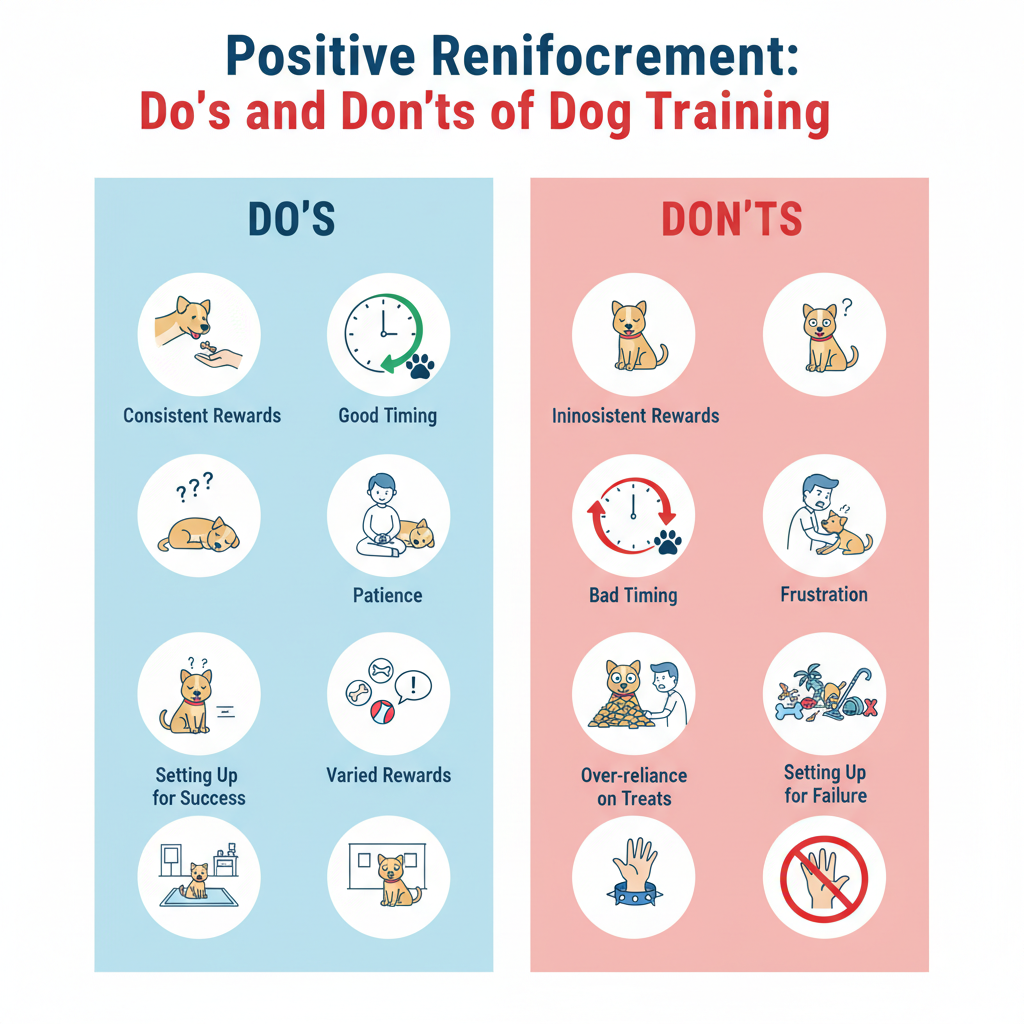
- Inconsistent rewards: If you only sometimes reward a new behavior, your dog will get confused about what you want.
- Bad timing: Giving the reward too late means your dog won’t understand why they’re getting it. The moment matters!
- Getting frustrated: Your dog can absolutely sense your mood. If you’re stressed, they’ll likely feel stressed too and be less willing to learn.
- Over-relying on treats: While treats are great initially, if they’re the only motivator, your dog might become “bribe-dependent.”
- Setting your dog up to fail: Asking too much too soon, or trying to train in an environment that’s too distracting, will only frustrate both of you.
- Using punishment: Our research shows that punishment can damage your special bond, suppress behaviors without teaching a better way, and could even lead to fear or aggression.
When to Call in the Pros
If you’re having a tough time with training or dealing with big behavior challenges (like serious aggression, intense anxiety, or phobias), please don’t hesitate to get expert help.
- Our team often recommends reaching out to a certified professional dog trainer for general obedience or if you’re tackling milder behavior hiccups.
- For complex or severe behavioral problems, especially if there might be a medical reason, a veterinary behaviorist is your best bet.
They can offer personalized advice and make sure your dog gets the best possible support.
Final Thoughts
Embarking on a positive reinforcement dog training journey is one of the most rewarding things you can do with your dog. It strengthens your bond, clarifies communication, and deepens the love you share. By understanding what motivates your dog, staying consistent, and having patience, you’ll help your canine companion grow into a well-behaved, happy, and confident member of your family. Enjoy every step of the process!