When Your Dog Can’t Breathe: Understanding Dog Pleural Effusion
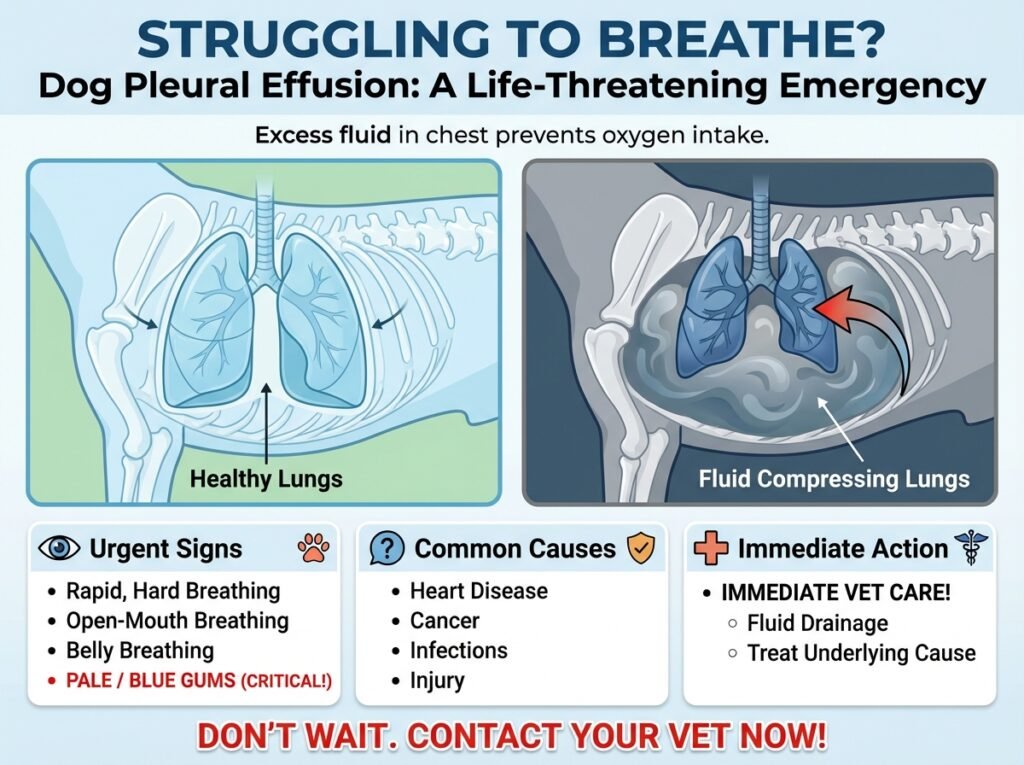
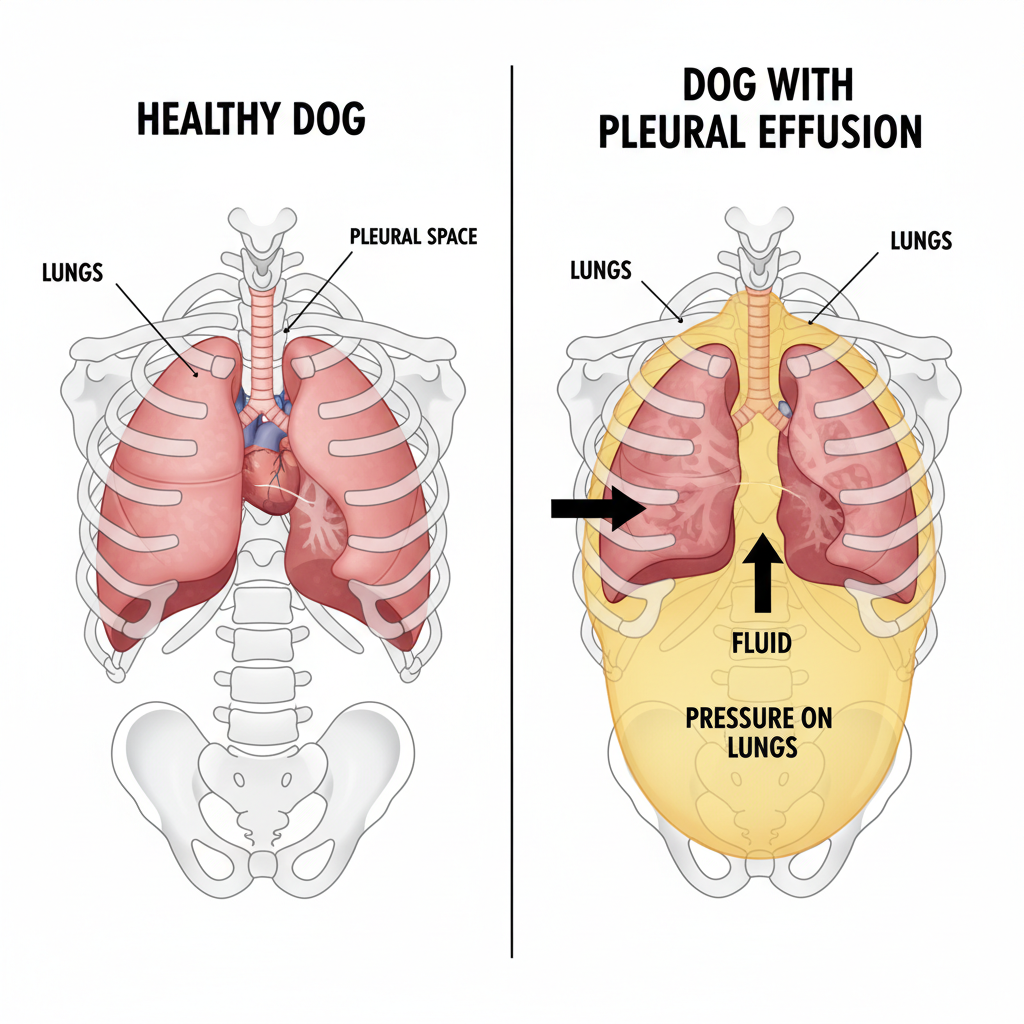
Imagine trying to take a deep breath, but something heavy is pressing on your chest, making it impossible. That’s a bit like what happens when a dog has pleural effusion. This serious condition means there’s too much fluid building up in the small space between your dog’s lungs and the inner chest wall. Normally, this space has just a tiny bit of fluid, helping their lungs glide smoothly with every breath. But when excess fluid collects, it squishes the lungs, making it incredibly hard for your best friend to breathe freely. It’s important to remember that pleural effusion isn’t a disease on its own; it’s a red flag, pointing to a deeper health issue that needs urgent attention.
How Serious is Dog Pleural Effusion?
When your pup struggles to breathe, it’s always serious, and dog pleural effusion is no exception. This condition is life-threatening because it directly threatens your dog’s ability to get enough oxygen. How bad it gets depends on how much fluid is there, how fast it builds up, and what’s causing it. If we don’t treat it quickly, severe pleural effusion can be deadly, often because your dog can’t breathe properly and the root cause gets worse.
Warning Signs: What to Look For If Your Dog Has Pleural Effusion
When fluid builds up in your dog’s chest, the signs usually revolve around trouble breathing and feeling uncomfortable. These symptoms can pop up fast and get worse quickly. If you spot any of these, don’t wait—get your pup to the vet right away:
- Gasping or struggling to breathe: This is the big one. You might see your dog taking quick, shallow breaths, or even putting a lot of effort into each breath, like their whole body is working to get air.
- Breathing fast, even when resting: Is your dog panting or breathing rapidly even when they’re just lying down?
- Coughing: It could be a soft little cough or a deeper, unproductive hack.
- Breathing with an open mouth: Dogs usually breathe through their nose. If your pup is breathing with their mouth open, it’s a serious sign of distress.
- “Belly breathing”: Watch their belly—if it’s moving a lot with each breath, it means they’re using their abdominal muscles to try and get air.
- Shallow, quick breaths: Their breaths might look short and fast, not deep enough to really fill their lungs.
- Can’t get comfortable lying down: Dogs struggling to breathe often prefer to stand or sit with their head and neck stretched out, trying to open their airways.
- Restless or anxious: They might pace, seem fidgety, or just generally look worried because they can’t get enough oxygen.
- Lethargy or weakness: As things get worse, your dog might become very tired, weak, or unresponsive.
- Pale or blue-tinged gums: This is a major emergency. If your dog’s gums look pale or have a blueish tint, it means they’re not getting enough oxygen at all. Head to the emergency vet immediately.
- Lost their appetite: Many sick pups just don’t want to eat.
What Causes Fluid Buildup? Common Reasons for Dog Pleural Effusion
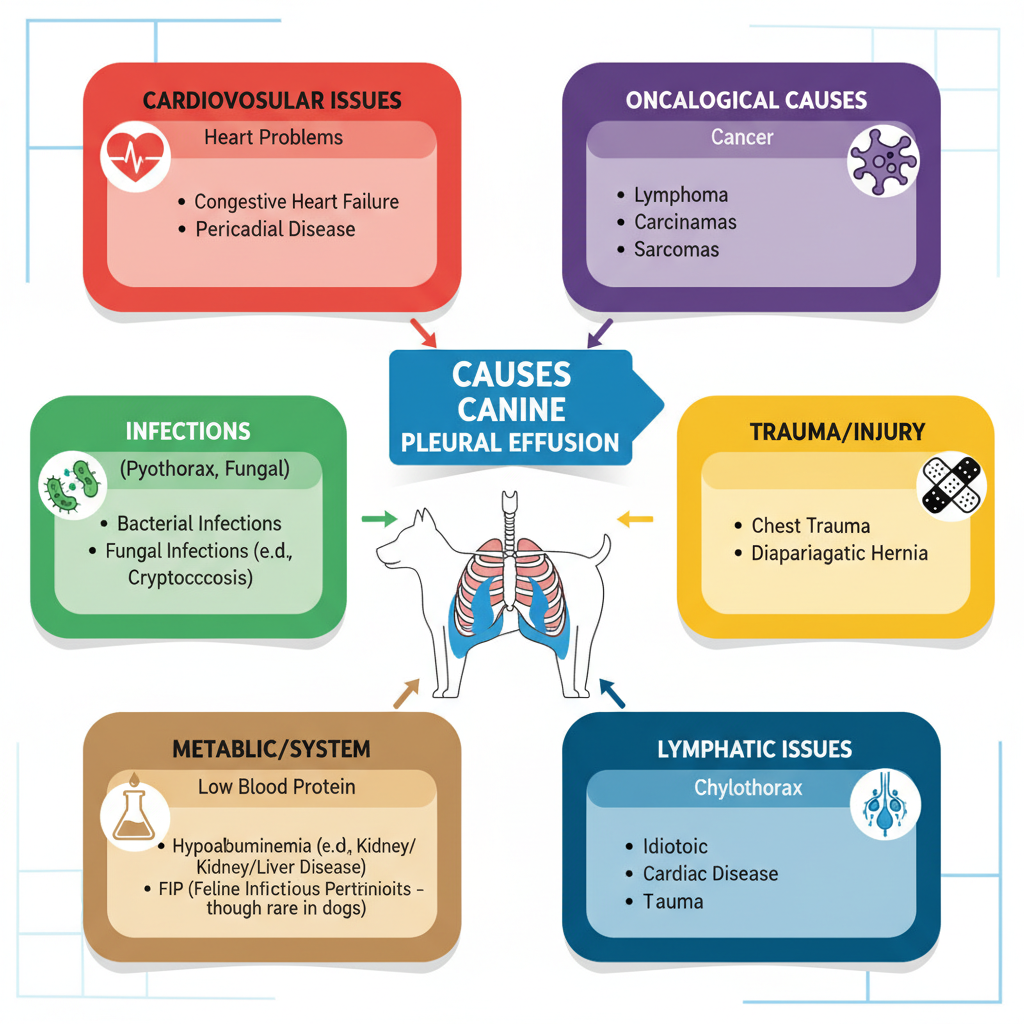
Remember, dog pleural effusion isn’t the main problem, but a sign of something else going on. The kind of fluid building up in your dog’s chest often gives our veterinary specialists important clues about the hidden issue. Here are some of the common culprits:
- Heart Problems: Especially when the right side of the heart isn’t pumping blood effectively, it can cause fluid to back up into the body, including your pup’s chest.
- Cancer: Tumors growing in the chest—like lung cancer, lymphoma, or other growths—can leak fluid or block the natural drainage system.
- Infections:
- Pus in the Chest (Pyothorax): This happens with serious bacterial infections, often from a wound that punctures the chest, something your dog inhaled (like a grass awn), or severe pneumonia.
- Fungal Infections: Certain types of fungal infections can cause widespread inflammation and fluid to collect.
- Injuries: A chest injury can cause blood (hemothorax) or even air (pneumothorax) to escape into that vital space around the lungs.
- Low Blood Protein (Hypoalbuminemia): If your dog is losing a lot of protein because of kidney, liver, or gut issues, it can change the pressure in their blood vessels, allowing fluid to leak out.
- Chylothorax: This is when lymphatic fluid (called chyle) builds up in the chest. It can happen if lymphatic vessels are damaged, from tumors, or heart disease. Sometimes, we never find a clear reason, and we call it “idiopathic.”
- Bleeding Disorders: Any condition that makes your dog unable to clot blood properly can lead to bleeding directly into the chest cavity.
How Vets Diagnose Dog Pleural Effusion
When your dog is struggling, our first step is figuring out exactly what’s causing the dog pleural effusion. This means going through a few diagnostic procedures to confirm the fluid and pinpoint the underlying problem:
- Physical Exam: Your vet will listen closely to your dog’s chest with a stethoscope. Muffled heart or lung sounds can be a strong hint that fluid is present.
- Chest X-rays (Radiographs): Often the first thing we do, X-rays confirm the fluid, give us an idea of how much there is, and can show us clues like an enlarged heart or suspicious masses.
- Thoracocentesis (Fluid Removal): This is a crucial step! Our vets carefully insert a needle to drain a sample of the fluid. This doesn’t just help with diagnosis; it often brings immediate relief, letting your pup breathe easier.
- Fluid Analysis: We send that fluid sample to a lab for a closer look:
- Cytology: Experts examine the cells under a microscope for signs of cancer, bacteria, inflammation, or other issues.
- Biochemistry: This tells us about protein levels and other chemicals, helping us classify the type of fluid (like watery fluid, pus, or lymphatic fluid).
- Culture and Sensitivity: If we suspect an infection, we’ll grow a culture to identify the exact bacteria or fungus, then test which antibiotics will work best.
- Blood Work: A full blood panel helps us check your dog’s overall health, spot any signs of infection or inflammation, and look at protein levels.
- Echocardiogram (Heart Ultrasound): If heart disease seems like a possibility, an ultrasound of the heart lets us see its structure and how well it’s working, helping diagnose conditions like congestive heart failure.
- Abdominal Ultrasound: Sometimes, issues in the belly can contribute, so an ultrasound there might be necessary.
- CT Scan or MRI: For really complex cases, advanced imaging can give us incredibly detailed pictures of the chest, helping to find tiny masses or hidden problems.
Treating Dog Pleural Effusion: Getting Your Pup Breathing Again
When your dog has pleural effusion, our treatment plan has two critical parts: first, we bring immediate relief so they can breathe, and then we tackle the underlying problem causing the fluid buildup.
Step 1: Immediate Relief for Breathing
Getting your dog comfortable and breathing is our top priority:
- Draining the Fluid (Thoracocentesis): This is often the first and most vital step. Your vet will carefully insert a sterile needle or catheter into your dog’s chest to drain the fluid. This instant release of pressure lets their lungs expand, making it much easier to breathe. Sometimes, we’ll need to do this more than once.
- Oxygen Therapy: If your dog is really struggling, we’ll place them in an oxygen cage or give them supplemental oxygen. This helps boost the oxygen levels in their blood.
- Gentle Sedation: Anxious dogs might get a mild sedative. This helps them relax, which lowers their oxygen demand and makes breathing less stressful.
Step 2: Treating the Root Cause
Once your dog is stable, the specific treatment plan depends entirely on what’s causing the dog pleural effusion:
- Heart Failure: We often use diuretics, like furosemide, to help your dog’s body shed excess fluid. Other heart medications can improve heart function.
- Cancer: Treatment might involve chemotherapy, radiation, or surgery, depending on the type and stage of cancer. Sometimes, we’ll even consider a permanent drain or a procedure to help the pleural layers stick together, preventing fluid from coming back.
- Infections (Pus in the Chest):
- Antibiotics: We start broad-spectrum antibiotics right away, then fine-tune them once we know exactly what bacteria or fungi are causing the trouble.
- Chest Tube: A temporary chest tube might go in to allow continuous drainage and even flush the chest cavity with sterile solutions.
- Surgery: In some severe cases, surgery may be necessary to remove infected tissue, foreign objects, or sticky adhesions.
- Chylothorax:
- Special Diet: A low-fat diet can sometimes help reduce the production of this lymphatic fluid.
- Medications: Some medications might be tried, though their effectiveness varies.
- Surgery: Surgical options exist to fix or reroute the leaking lymphatic vessels.
- Low Blood Protein: We focus on treating the kidney, liver, or intestinal disease that’s causing the protein loss. Severe cases might need IV fluids or plasma transfusions.
- Trauma: Treatment depends on the injury. We might need a chest tube for air or blood in the chest, or even surgery to repair the damage.

Life After Diagnosis: Recovery and Managing Dog Pleural Effusion
Once we’ve started treatment for dog pleural effusion, the road to recovery and long-term management truly depends on what caused it in the first place.
- Hospital Stay: Many pups need to stay in the hospital at first for close monitoring, oxygen support, and possibly repeat fluid drainage or managing a chest tube.
- Stick to the Meds: It’s absolutely vital to give all prescribed medications—like diuretics, heart meds, or antibiotics—exactly as your vet tells you. Don’t miss a dose!
- Watch Their Breathing Closely: At home, keep a sharp eye on how fast and how hard your dog is breathing. If you notice things getting worse, call your vet right away. They might even ask you to count your dog’s breaths per minute while they’re sleeping.
- Don’t Skip Follow-Ups: Regular vet visits are super important for re-checking your dog, doing more imaging, and adjusting medications as needed.
- Diet Matters: If your vet recommends a special diet—like a low-fat one for chylothorax or specific foods for heart or kidney disease—stick to it strictly.
- Activity Limits: Depending on the cause and how your dog is feeling, you might need to limit their activity to keep stress off their breathing and heart.
- What to Expect (Prognosis): The long-term outlook really varies.
- For issues like sudden heart failure or infections we can easily treat, many dogs do quite well with good care and can live for months to years.
- With chronic problems like severe heart disease, some cancers, or idiopathic chylothorax (where we don’t know the cause), the future can be more uncertain. These conditions often need lifelong management.
- Sadly, for very aggressive cancers, the prognosis can be poor, and our team will discuss all options, including quality of life considerations.
Can You Prevent Dog Pleural Effusion?
Since dog pleural effusion is a symptom of another problem, preventing it really means focusing on preventing or managing those underlying diseases. Here’s how you can help protect your pup:
- Routine Vet Visits: Regular check-ups are key! Our vets can often spot early signs of heart disease or cancer before they get serious enough to cause fluid buildup.
- Heartworm Protection: Keep your dog on their heartworm preventative. This nasty parasite can lead to heart failure, which in turn can cause pleural effusion.
- Stay Up-to-Date on Vaccinations: Make sure your dog gets all their recommended shots to guard against infections that could lead to inflammation and illness.
- Healthy Weight: Help your dog maintain a healthy weight with good food and regular exercise. Being overweight puts extra strain on their heart and lungs.
- Good Dental Hygiene: Healthy teeth aren’t just for fresh breath! Good dental care prevents bacterial infections that can spread throughout the body.
- Safety First: Take steps to prevent accidents and injuries, especially those that could involve chest trauma.
- Act Fast on Illnesses: If your dog shows any signs of illness, especially if it involves their heart, lungs, kidneys, or liver, get them to the vet quickly. Early treatment can prevent complications.
- Manage Chronic Conditions: If your dog has a long-term condition like heart disease, kidney disease, or inflammatory bowel disease, follow your vet’s advice on medication, diet, and monitoring diligently to avoid complications like pleural effusion.
This is an Emergency: When to Call Your Vet Immediately
Let’s be clear: dog pleural effusion is an urgent medical emergency. If you see any signs that your dog is struggling to breathe, pick up the phone and call your vet or an emergency clinic right away. Every second counts!
If your dog is breathing rapidly, panting with an open mouth, putting a lot of effort into each breath, or if their gums look pale or blue, these are critical signs that demand immediate attention. Don’t wait. Oxygen deprivation can turn life-threatening incredibly fast.
How long will my dog live with pleural effusion?
There’s no single answer here, as it really depends on what’s causing the dog pleural effusion, how severe it is, and how well your dog responds to treatment. If we can treat the underlying cause—like certain infections or well-controlled heart failure—your dog could live for many months to years. But for very aggressive cancers or conditions like idiopathic chylothorax that are hard to manage, the time might unfortunately be much shorter, sometimes just weeks or a few months.
Will dog pleural effusion just disappear?
Absolutely not. Fluid buildup in your dog’s chest won’t just go away on its own. It’s a serious sign that something else is wrong, and it needs your vet’s help to figure out and treat. Without intervention, that fluid will keep building up, making it harder and harder for your pup to breathe, which can quickly become fatal.
Does dog pleural effusion hurt my pup?
While dog pleural effusion itself isn’t ‘painful’ like a broken leg, imagine trying to breathe with a heavy weight on your chest. That’s the intense discomfort, distress, and anxiety your dog feels from compressed lungs and struggling for air. That feeling of ‘air hunger’ is incredibly unpleasant. Plus, whatever caused the fluid buildup—like an infection or a tumor—can certainly be painful or uncomfortable.