

Kidney Infections in Dogs: What Every Pet Parent Needs to Know
When your dog isn’t feeling their best, it’s always worrying. But when it comes to kidney infections in dogs, also called pyelonephritis, the situation can be especially serious. These infections happen when stubborn bacteria climb from the bladder all the way up into one or both of your pup’s kidneys, causing inflammation and damage. Catching and treating a kidney infection early is absolutely vital. Waiting too long can lead to lasting kidney damage or even kidney failure. If you ever suspect your dog has one, don’t wait — call your vet right away.
What a Kidney Infection Looks Like in Dogs
What should you look for? The signs of a kidney infection in dogs can be tricky. Sometimes they’re barely noticeable, and other times they hit hard, depending on how severe the infection is and if it’s affecting one or both kidneys.
Common symptoms include:
- Fever: Your dog might feel hot to the touch or just seem generally unwell.
- Extreme tiredness: Your pup just wants to lie around and has no energy for playtime.
- Loss of appetite: They turn their nose up at food, even their favorite treats.
- Vomiting: Your dog might be throwing up regularly.
- Increased thirst and urination: You’ll notice them drinking a ton of water and needing to pee more often.
- Painful urination: They might strain, whimper, or even cry out when trying to pee.
- Bloody or cloudy urine: This is a serious red flag.
- Frequent urination of small amounts: They keep trying to go but only release a little bit.
- Urinary incontinence: They might have accidents inside the house, leaking urine without realizing it.
- Pain in their belly or lower back: They might flinch or show discomfort when you pet them around their flanks or abdomen.

Many of these symptoms also show up with other issues, like a simple bladder infection, kidney stones, or other illnesses. That’s why only a vet can truly figure out what’s going on.
What Causes Kidney Infections in Dogs?
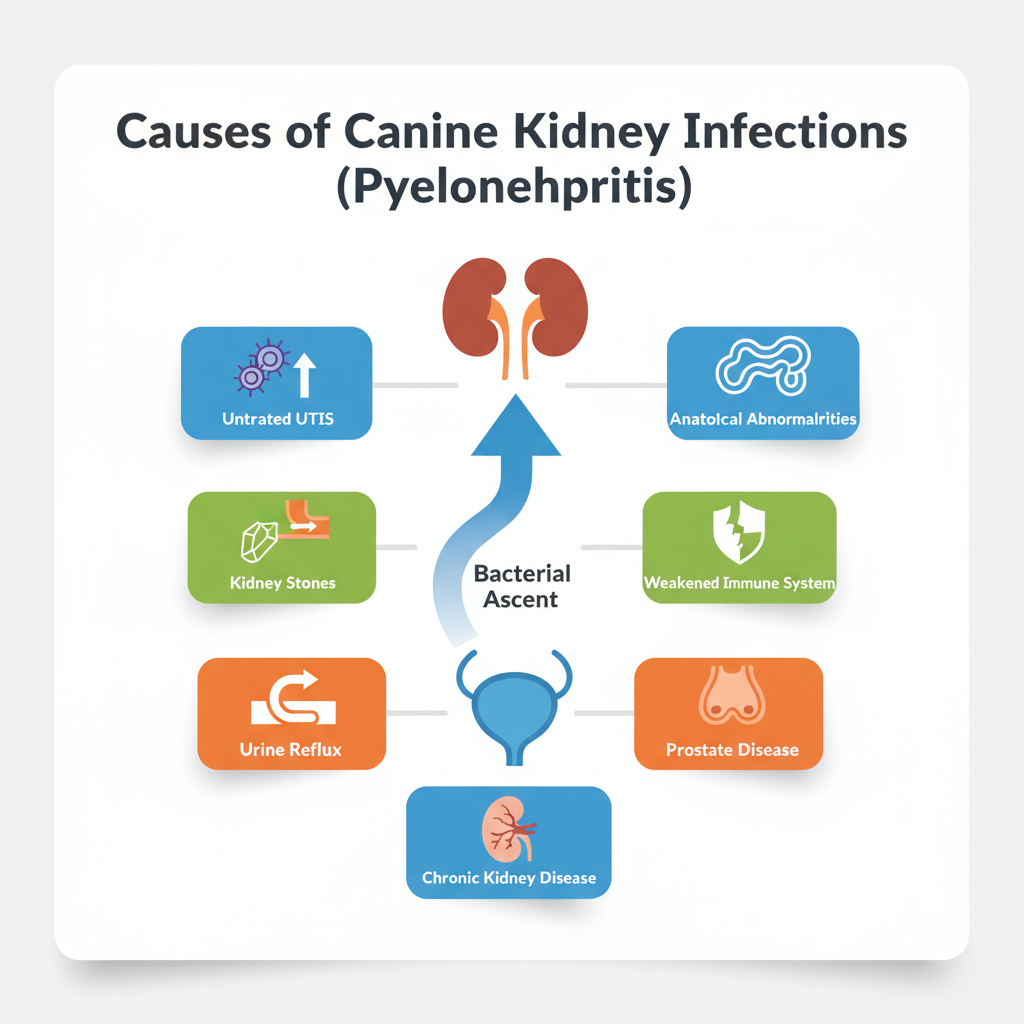
So, how do these infections start? Most often, kidney infections in dogs kick off when bacteria from your pup’s bladder or urethra decide to take an unwelcome journey up to the kidneys.
Several factors can put your dog at higher risk:
- Untreated Bladder Infections (UTIs): These are the most common culprit. If you don’t treat a UTI, or if the treatment isn’t strong enough, those bacteria can just keep climbing.
- Kidney Stones: These can block urine flow, creating a perfect party spot for bacteria and making it easier for them to ascend.
- Urine Reflux: A condition where urine flows backward from the bladder into the tubes leading to the kidneys.
- Anatomical Abnormalities: Any weird structural problems in the urinary tract that mess with normal urine flow or drainage.
- Weakened Immune System: Dogs with compromised immune systems due to other diseases (like Cushing’s disease or diabetes) or certain medications are more vulnerable.
- Prostate Disease in Male Dogs: An enlarged prostate or prostate infections can obstruct the urethra and predispose to UTIs and subsequent kidney infections.
- Chronic Kidney Disease: While not a direct cause, if your dog already has kidney disease, they’re often more open to new infections.
How Vets Diagnose Kidney Infections in Dogs
When you bring your dog to the vet, they’ll piece together what’s happening by listening to your dog’s history, doing a thorough physical exam, and running some key tests.
Here are the main tools vets use:
- Urinalysis: Your vet will check your dog’s pee for signs of infection (like bacteria, white blood cells, or red blood cells) and see how well the kidneys are concentrating urine.
- Urine Culture and Sensitivity: This is super important. They’ll get a sterile pee sample (often using a quick, gentle needle stick directly from the bladder) and send it off. The lab figures out exactly what bacteria are causing the infection and which antibiotics will wipe them out.
- Blood Tests: These tests look for signs of a body-wide infection (like elevated white blood cells) and check how your dog’s kidneys are actually working (blood urea nitrogen and creatinine levels). They also help rule out other problems.
- Imaging (Ultrasound, X-rays):
- Abdominal Ultrasound: Like a peek inside your dog’s body, this lets the vet see the kidneys to check their size, look for stones, or any other changes in their internal structure. They can also check the bladder and the tubes that connect to the kidneys.
- Abdominal X-rays: Can spot certain types of kidney stones or other tummy issues.
- Urine Protein:Creatinine Ratio: If there’s protein in the urine, this test helps figure out how much kidney damage might be present.
Treating Kidney Infections in Dogs
Getting rid of kidney infections in dogs usually means attacking the bacterial infection head-on and dealing with any other health issues that might be contributing.
Key treatment components include:
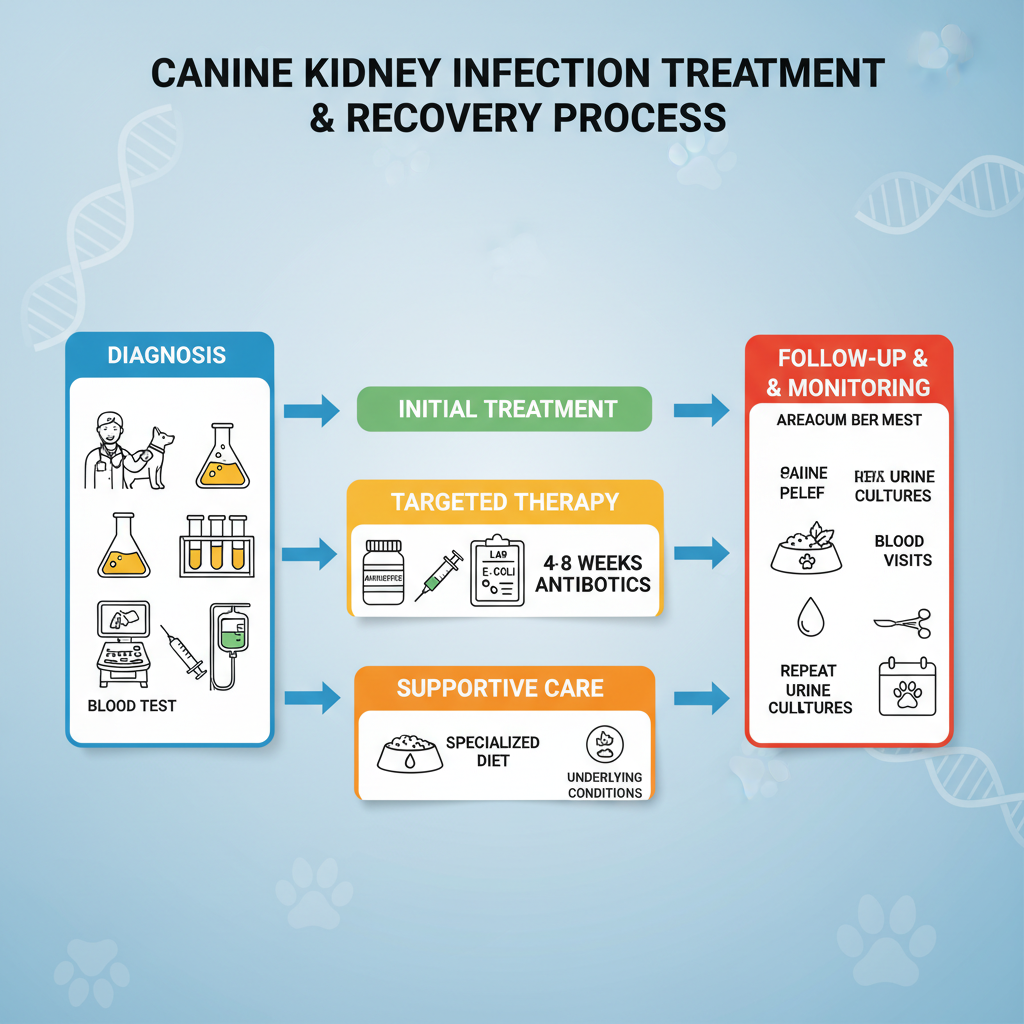
- Antibiotics: These are the superheroes of treatment. Your vet might start with a general antibiotic right away to begin fighting the infection. Once the urine culture results come back (which usually takes a few days), they’ll fine-tune the antibiotic to one that’s specifically perfect for your dog’s particular bacteria. Be ready for a long haul—antibiotics for kidney infections can last 4-8 weeks, much longer than for a simple bladder infection. You must finish the entire course, even if your dog seems perfectly fine after a week or two!
- Pain Management: If your dog’s uncomfortable, especially with back or belly pain, the vet might prescribe pain meds (like certain NSAIDs, if your dog’s kidneys can handle them).
- Fluid Therapy: If your dog’s dehydrated, throwing up, or their kidneys are struggling, they might get fluids under the skin or through an IV. This helps flush the kidneys and keeps them hydrated. Sometimes, our team at Petscarelab can even show you how to give fluids at home if needed.
- Managing Underlying Conditions: If kidney stones caused the infection, your dog might need a special diet, medicine, or even surgery. Any weird anatomical issues might also need surgery. Treating other diseases, like diabetes, is key to stopping infections from coming back.
- Hospitalization: For really sick dogs—those who are severely dehydrated, have serious kidney problems, or can’t stop throwing up—a hospital stay might be necessary for intense supportive care and close watching.
Recovery and Long-Term Management
How quickly your dog bounces back from a kidney infection depends on how bad the infection was, how fast you started treatment, and whether there was any permanent kidney damage.
During and after treatment, keep these points in mind:
- Follow-Up Urine Cultures: This is non-negotiable! You’ll need to go back to the vet for more urine tests, usually a week or two after the antibiotics are done, just to make sure every last bug is gone. If bacteria are still there, you’ll need more treatment.
- Monitoring Kidney Function: Your vet will likely want to recheck blood tests to keep an eye on kidney values, especially if there were problems early on.
- Hydration is Key: Always make sure your dog has fresh, clean water available. Encouraging them to drink more helps flush their urinary tract. Try mixing some water into their dry food or switching to canned food.
- Dietary Changes: If your dog’s kidneys took a hit, your vet might suggest a special kidney-friendly diet.
- Regular Vet Visits: For dogs who get frequent UTIs or already have kidney problems, ongoing check-ups are super important.
Preventing Kidney Infections in Your Dog
The best way to prevent kidney infections in dogs is to stop bladder infections in their tracks.
Here are some key prevention strategies:
- Act Fast on UTIs: If you notice any signs of a bladder infection, get to the vet right away. Treating it quickly and completely can prevent bacteria from climbing up to the kidneys.
- Keep Them Hydrated: Always offer fresh, clean water. Good hydration helps keep the bladder flushed. Make sure your dog’s bowl is sparkling and the water is fresh enough for you to drink!
- Regular Potty Breaks: Give your dog lots of chances to pee. Holding it too long gives bacteria more time to grow.
- Manage Other Health Issues: If your dog has diabetes, Cushing’s disease, or prostate problems, managing these effectively is crucial.
- Good Diet: A high-quality, balanced diet supports a strong immune system. Some pet foods are even designed to help urinary tract health.
- Talk to Your Vet About Supplements: For dogs prone to UTIs, your vet might suggest things like cranberry extract or D-mannose, which can make it harder for bacteria to stick to the bladder walls.
- Good Hygiene: Keep your dog’s private areas clean, especially if they have long hair, to reduce bacterial spread.
- Routine Vet Visits: Regular check-ups help catch problems early, long before they can turn into serious kidney infections.
Clearly, kidney infections in dogs are no joke and demand immediate veterinary help. With a quick diagnosis and sticking to the full antibiotic treatment, most dogs can make a full recovery without lasting problems. But if you ignore a kidney infection, the consequences can be dire: permanent kidney damage or even life-threatening kidney failure. Always prioritize your pup’s health!