

Decoding Barrier Frustration in Dogs: A Guide for Pet Parents
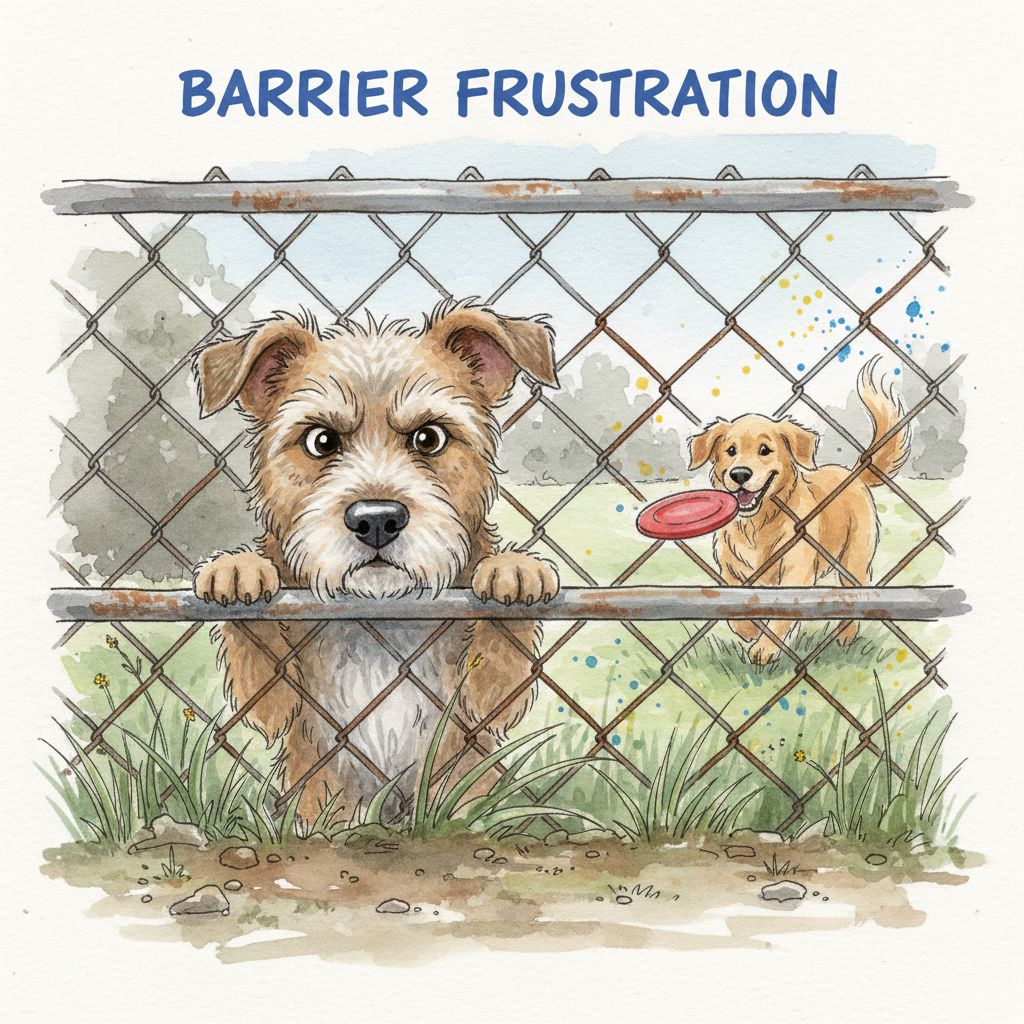
Ever watched your dog seemingly lose their mind when they can’t get to something they really want? Maybe they’re barking wildly at another pup through a fence, or straining on their leash to greet a person just out of reach. That intense reaction is often a clear sign of barrier frustration in dogs. It’s that moment when your furry friend’s desire clashes with an obstacle, leading to a whirlwind of agitated behaviors.
This common behavior isn’t about your dog being “bad”; it’s pure, raw frustration bubbling over. Think of it like this:
- Your dog is behind a fence, tail wagging, desperate to play with the dog next door, but the barrier won’t let them through.
- You’re on a walk, and your pup spots another dog, but their leash stops them short, creating a tug-of-war of longing.
- Your dog sees a favorite family member on the other side of a baby gate, eager for cuddles, but can’t get past.
It’s a challenging situation for any pet parent, but with understanding and the right approach, you can help your dog navigate these frustrating moments.
Spotting the Signs of Barrier Frustration in Dogs
When a dog experiences barrier frustration, they might look angry, aggressive, or totally out of control. But often, it’s just their emotional response to being blocked. It’s important to recognize these common signs so you can step in and help.
Here are some common ways pups show their frustration:
- Barking Up a Storm: They might bark endlessly at anything they see or hear beyond the barrier, almost like they’re screaming, “Let me through!”
- Lunging Like a Rocket: Your dog might lunge to the end of their leash, dash at a fence, or push against a baby gate, trying to break free.
- Jumping for Joy (or Frustration): They might jump up and down, or even try to scale the barrier, in a frantic attempt to reach their goal.
- Spinning in Circles: Some dogs might spin around in tight circles, as if channeling their pent-up energy into movement.
- Pacing Back and Forth: They might walk a restless patrol along the length of the barrier, unable to settle.
- Whining and Crying: A soft whimper or persistent whine can be their way of asking for help or expressing their deep frustration.
- Low Growls: In some cases, you might hear a low growl aimed at whatever is on the other side, a clear sign of their discomfort.
- Nipping or Biting: Some dogs, overwhelmed by frustration, might nip or bite at the barrier itself or anything nearby in their desperate attempts to get through.
Remember, these behaviors usually stem from intense frustration, not malice. However, if a dog is constantly stuck in this frustrated state without an outlet, it can, in some situations, escalate into genuine aggression. That’s why tackling barrier frustration in dogs as early as possible is so crucial.
Why Your Pup Gets Barrier Frustrated
Several factors can contribute to your dog’s barrier frustration. Understanding these root causes can help you address the behavior more effectively.
- A High Prey Drive: Some dogs naturally have a strong urge to chase. If your dog sees a squirrel or another animal behind a barrier, their instinct to pursue it can clash with the obstacle, leading to immense frustration.
- Lack of Socialization: Pups who haven’t had enough positive exposure to different people, animals, and places when they’re young might feel fearful or anxious in new situations. When a barrier prevents them from escaping or interacting with something new, that anxiety can boil over into frustration.
- Underlying Anxiety: Just like people, some dogs are naturally more anxious. If a barrier keeps them from getting away from something that makes them nervous, or from reaching something that brings them comfort, their anxiety can manifest as frustration.
- Pure Excitement: Some dogs are just naturally more excitable. If something truly thrilling is on the other side of a barrier, their inability to get to it can quickly turn that excitement into frustration.
- Accidental Reinforcement: If your dog barks, lunges, or jumps at a barrier, and then the barrier happens to get removed, or they eventually get what they wanted, they learn that these intense behaviors *work*. They’re getting rewarded, even if you didn’t mean to.
- Boredom: A dog with too much energy and not enough to do can look for an outlet. If a barrier stands between them and potential fun, boredom can easily morph into barrier frustration.
- Not Enough Training: Dogs who haven’t learned how to stay calm and settled when a barrier is present might struggle more. Without clear guidance, they simply don’t know how to handle their urges when they’re blocked.

Preventing Barrier Frustration in Dogs: Proactive Steps
The best way to handle barrier frustration is to prevent it from taking root. Here’s how you can proactively help your dog avoid these intense outbursts.
1. Socialize Your Dog Thoughtfully
Introduce your dog to a wide variety of people, friendly animals, and different environments from an early age. This helps them build confidence and learn appropriate ways to interact, reducing the fear or anxiety that often sparks barrier frustration.
2. Provide Plenty of Exercise and Mental Workouts
A tired dog is usually a well-behaved dog. Make sure your pup gets enough physical activity and mental stimulation to prevent boredom, which often fuels barrier frustration. This could include:
- Daily walks or runs where they can explore.
- Engaging games like fetch, hide-and-seek, or tug.
- Interactive toys that make them think.
- Enrollment in fun training classes.
- Puzzle feeders that make them “work” for their meals.
3. Don’t Reward Frustrating Behavior
It’s tempting to try and soothe your dog when they’re barking or lunging, but giving attention can accidentally reinforce the behavior. Don’t reward them for barking, lunging, or jumping at a barrier. Instead, calmly remove them from the situation or gently redirect their attention to something positive and quiet.
4. Teach Your Dog Calmness Around Barriers
Train your dog to sit or lie down calmly when they’re near barriers. Use positive reinforcement: when they show calm behavior, reward them with a tasty treat or enthusiastic praise. Your dog will quickly learn that relaxed behavior pays off.
5. Use Smart Management Tools
If your dog is prone to barrier frustration, you can use certain tools to prevent the behavior from even starting.
- Leash: Keep your dog on a leash when you’re out in public or around other dogs. This gives you control and helps prevent them from lunging or barking at others.
- Crate: If your dog gets frustrated with indoor barriers, use their crate when you can’t supervise them. This prevents them from barking or jumping at doors or windows.
- Baby Gate Covers: If a baby gate causes frustration, drape a blanket or towel over it so your dog can’t see what’s on the other side. Out of sight, often out of mind.
- Privacy Fence: In your yard, a privacy fence can be a game-changer. If your dog can’t see other dogs or people passing by, they’re less likely to react.
How to Help Your Dog Overcome Barrier Frustration
If your dog is already showing signs of barrier frustration, don’t despair! There’s plenty you can do to help them learn to cope and react more calmly.
1. Try Counter-Conditioning
Counter-conditioning involves changing your dog’s emotional response to barriers from frustration to calm or even happiness. You do this by pairing barriers with really good things, like their favorite treats or praise.
For example, if your dog barks at other dogs through a fence, you could give them a delicious treat every single time they see another dog through the fence *without* barking. Over time, your dog will start to associate other dogs (and the fence) with yummy treats, making them much less likely to bark.
2. Practice Desensitization
Desensitization means slowly exposing your dog to the frustrating stimulus, but at a level where they don’t react. The key is to keep them “under threshold,” meaning they stay calm and don’t get worked up.
Let’s say your dog barks at other dogs through a fence. Start by exposing them to other dogs at a distance where they notice them but stay relaxed. As your dog gets more comfortable, you can gradually move a little closer to the fence, making sure they remain calm. Eventually, they should be able to calmly see other dogs through it.

3. Focus on Positive Reinforcement Training
Positive reinforcement training is incredibly powerful for helping dogs with barrier frustration. It uses rewards – like treats, praise, or a favorite toy – to encourage the behaviors you *want* to see.
For instance, teach your dog to sit or lie down calmly when they’re near barriers. When they offer these calm behaviors, reward them lavishly. This helps your dog understand that being calm and quiet is what gets them good things.
4. When to Seek Professional Guidance for Barrier Frustration in Dogs
If you’re struggling to manage your dog’s barrier frustration on your own, it’s wise to get professional help. Our team at Petscarelab recommends consulting with a professional dog trainer or veterinary behaviorist. They can create a personalized treatment plan tailored to your dog’s specific needs and challenges.
When to Talk to Your Vet
If your dog is showing signs of barrier frustration, it’s always a good idea to chat with your veterinarian. They can rule out any underlying medical conditions that might be contributing to their behavior.
Your vet might also recommend a professional dog trainer or veterinary behaviorist who can help you develop a solid treatment plan.
In some cases, medication might be a necessary part of managing severe barrier frustration, especially if it comes with other issues like anxiety or aggression. If your vet prescribes medication, always follow their instructions carefully. Remember, medication works best when combined with a behavior modification plan.