Is Your Dog’s Mouth Trying to Tell You Something? A Guide to Dog Gum Health
We often focus on our dog’s bright eyes and wagging tails, but sometimes the most important clues about their well-being are hidden right inside their mouths. Their gums can be like a secret window into their overall dog gum health, revealing signs of trouble before they become big problems.
Here’s how to tell if your dog’s gums are healthy, what to look out for, and how you can keep that precious smile in tip-top shape.
What Do Healthy Dog Gums Look Like?
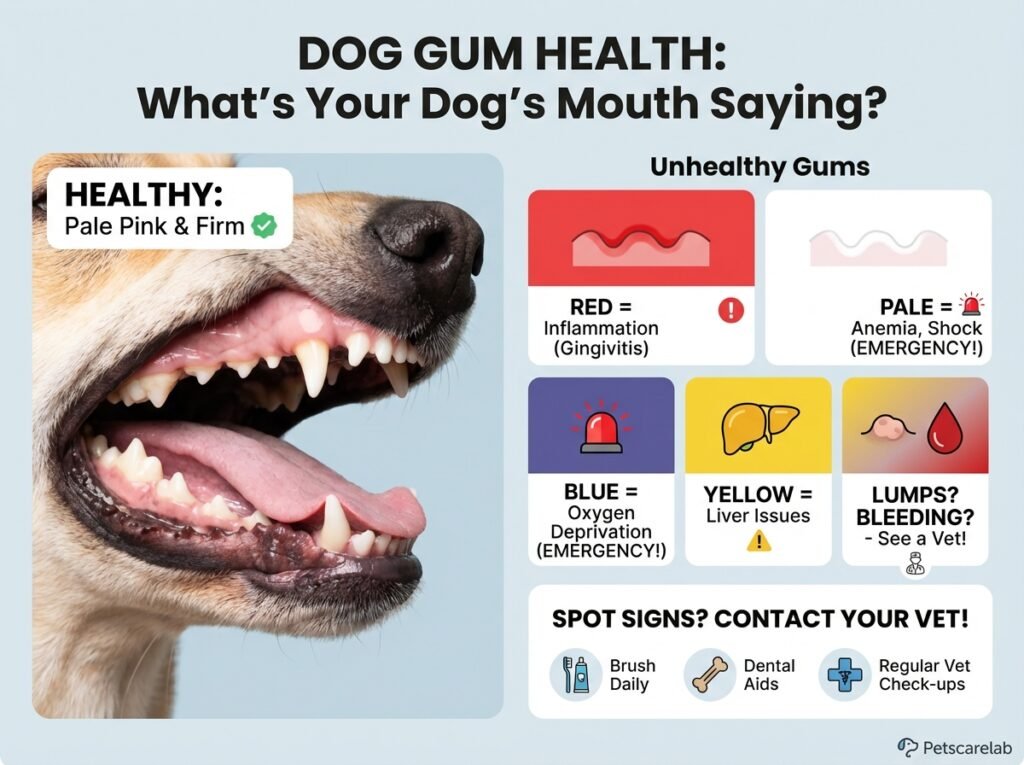
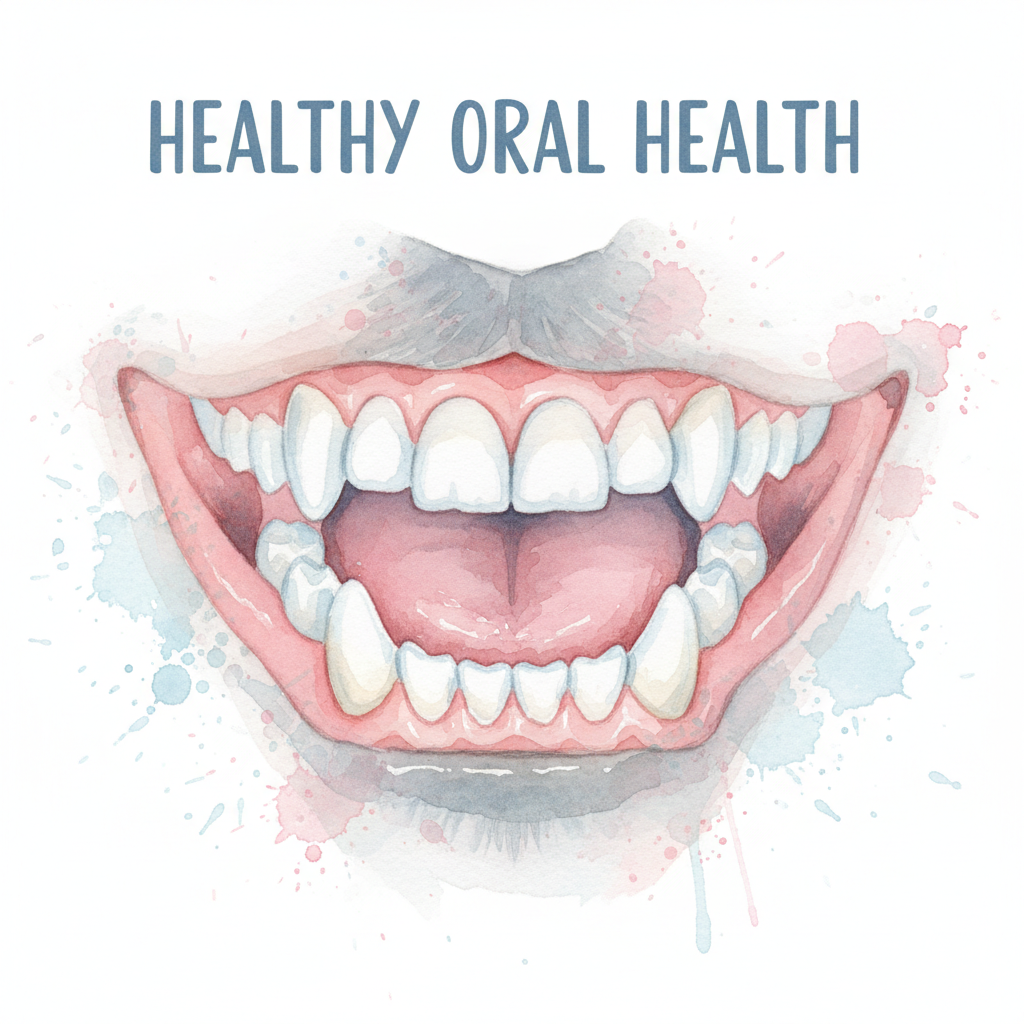
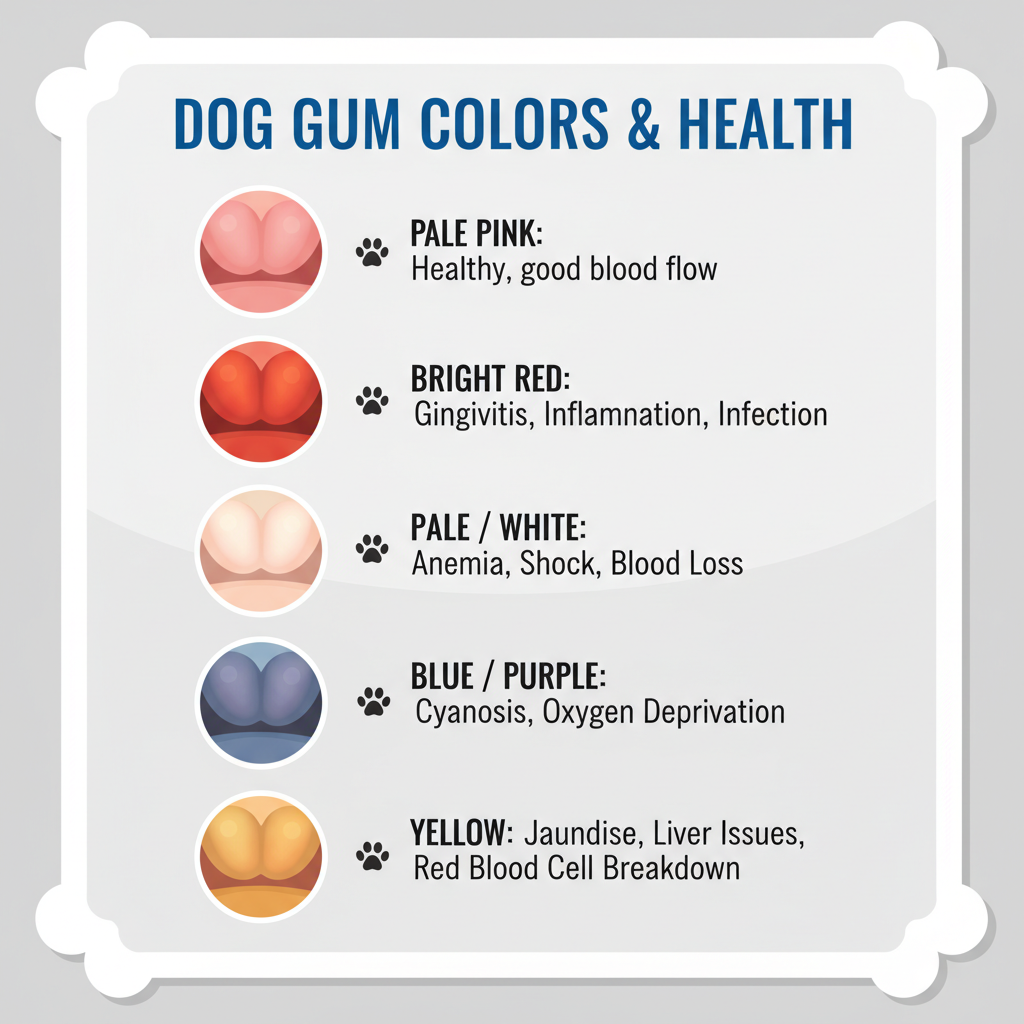
When you gently lift your dog’s lip, you should see gums that are a soft, pale pink. Think of the color of bubblegum or healthy human gums. They should feel smooth and firm when you lightly touch them.
Try a quick test: Press your finger gently but firmly on your dog’s gum, then release. The pink color should bounce back to normal almost instantly, usually within two seconds. This quick return of color shows your dog has great blood flow, a clear sign of good health.
Other Signs of Healthy Gums
Beyond color, here’s what our team at Petscarelab looks for in healthy dog gum health:
- Fresh, neutral breath
- No bleeding, even with a gentle touch
- No sign of pain or discomfort when you check
- No puffiness or inflammation
- No visible swelling or lumps
- No sores, cuts, or strange spots
- No excessive drooling or stringy saliva
- Not overly red or irritated
- Gums feel moist and slightly slick, not dry
- Firm and snug around the teeth
- No discharge or sticky residue
If you spot any red flags or just feel something’s off, don’t hesitate to call your veterinarian for advice.
When Are Discolored Gums Normal?
Just like people, dogs come in all sorts of beautiful variations, and that includes their gum color. Some pups naturally have darker patches or even completely black gums due to pigmentation. This is totally normal, especially in breeds like Chow Chows, which are famous for their dark tongues and mouths.
If your dog has naturally dark or patchy gums, spotting color changes can be tricky. Instead, focus on changes in texture, any new swelling, or an unusual odor. You can still do the “press and release” test to see if the area lightens slightly under pressure, which confirms healthy blood flow even in pigmented areas.
What Do Unhealthy Gums Look Like?
When your dog’s gums signal trouble, they can show up in many different ways, each hinting at a specific health issue. Catching these signs early makes a huge difference.
Here are some common signs of unhealthy dog gums and what they might mean:
Red Gums
Bright red gums often point to inflammation or infection. This is usually one of the first signs of gingivitis, caused by sticky plaque building up along the gumline. If you ignore it, gingivitis can quickly turn into periodontal disease—a much more serious gum infection that can lead to painful tooth loss and even affect your dog’s overall health.
Other reasons your dog’s gums might look red include:
- An injury inside the mouth
- Allergic reactions
- Autoimmune diseases
- Certain types of growths or cancer
White or Pale Gums
Gums that look white or very pale can be a serious warning sign of anemia or poor circulation. Anemia means your dog isn’t making enough red blood cells to deliver oxygen to their body’s tissues. This can happen because of:
- Blood loss (from an injury, internal bleeding, or parasites like fleas and ticks)
- Underlying diseases
- Nutritional deficiencies
Pale gums can also be a sign of shock, a life-threatening emergency that needs immediate veterinary attention.
Blue or Purple Gums (Cyanosis)
If your dog’s gums appear blue or purple, this is an urgent signal that they’re not getting enough oxygen in their blood. This condition, called cyanosis, is a medical emergency. Your dog needs immediate care from a veterinary specialist.
Possible causes include:
- Breathing problems (like pneumonia, asthma, or choking)
- Heart disease
- Exposure to toxins
Yellow Gums (Jaundice)
Yellow gums, or jaundice, mean there’s too much bilirubin in your dog’s blood. Bilirubin is a yellow pigment that gets produced when old red blood cells break down. Jaundice often points to problems with the liver, but it can also be a sign of:
- Gallbladder issues
- Certain blood disorders
Bumps or Lumps
Finding new bumps or lumps on your dog’s gums can definitely be concerning. They might be:
- Warts (papillomas)
- Cysts
- Abscesses (pus-filled infections)
- Benign (non-cancerous) growths
- Malignant (cancerous) tumors
Always have a vet check out any new bumps or lumps you discover.
Bleeding Gums
Bleeding gums are a common and worrying sign of gum disease. Even a gentle touch might make them bleed easily. This typically happens because of inflammation and weakening of the gum tissue.
Bleeding gums can also signal:
- An injury to the mouth
- Blood clotting disorders
- Dental abscesses
- Tumors
What to Do If Your Dog Has Unhealthy Gums
If you spot any of these signs of unhealthy gums, the first thing you need to do is contact your veterinarian. They are the best people to figure out what’s really going on and recommend the right treatment.
Never try to diagnose or treat your dog’s issues at home. Doing so could delay proper care and potentially make their condition worse.
Remember, if you see blue/purple gums, or pale gums along with weakness or collapse, don’t wait. Head straight to an emergency vet clinic right away.
How to Keep Your Dog’s Gums Healthy
Protecting your dog’s vibrant smile and ensuring good dog gum health involves a mix of great home care and professional veterinary cleanings. It’s a team effort!
Here are our top tips:
Regular Brushing
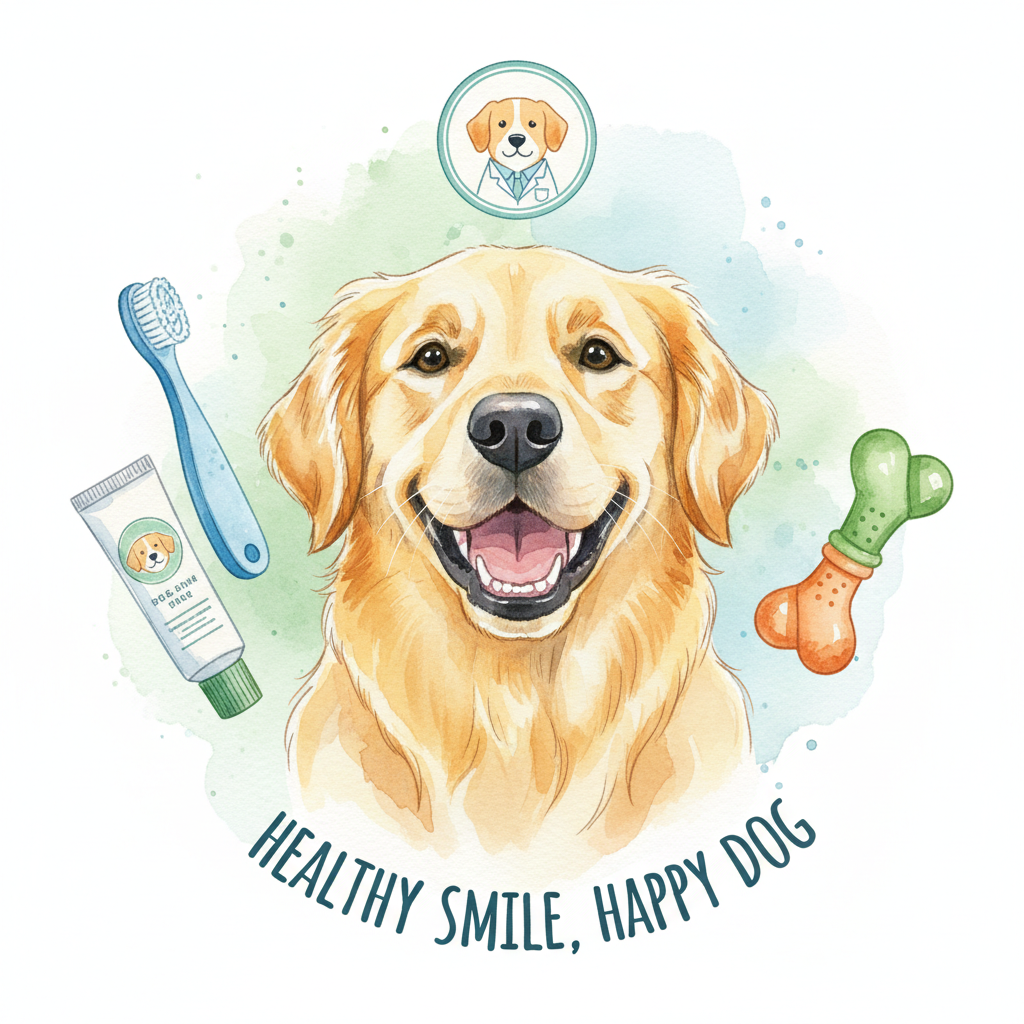
Aim to brush your dog’s teeth every day using a toothbrush designed for pets and a dog-specific toothpaste. Never, ever use human toothpaste; it has ingredients that are toxic to dogs.
If daily brushing isn’t realistic for your family, even brushing a few times a week can make a massive difference. Start slow, make it a positive experience with treats and praise, and build up to it.
Dental Chews & Toys
While they aren’t a replacement for brushing, certain dental chews and toys can definitely help reduce plaque and tartar buildup. Look for products recommended by veterinary specialists, and always supervise your dog while they chew to prevent any choking hazards.
Dental Diet
Some dog foods are specially made to clean your dog’s teeth as they munch. These diets often feature unique kibble shapes or textures that help scrape plaque from the tooth surface. Talk to your vet about whether a dental-specific diet might be a good fit for your dog.
Regular Vet Check-Ups
During your dog’s annual check-up, your veterinarian will thoroughly examine their mouth for any signs of gum disease or other dental problems.
Depending on what they find, your vet might suggest a professional dental cleaning. This involves scaling and polishing your dog’s teeth under anesthesia. This process allows them to remove stubborn plaque and tartar both above and below the gumline and deal with any problem teeth safely and effectively.