Dog Rhinitis Sinusitis: What You Need to Know
Ever noticed your furry friend snorting, sneezing, or constantly pawing at their nose? If so, they might be dealing with dog rhinitis sinusitis, a common but often uncomfortable issue for our pups. Rhinitis simply means the inside of your dog’s nose is inflamed, usually leading to a runny nose and lots of sneezes. When that inflammation spreads to the sinuses—the air-filled pockets in their skull that connect to the nasal passages—we call it sinusitis. While sinusitis isn’t as common as rhinitis on its own, these two problems often pop up together, making your dog feel pretty miserable.
Why Does My Dog Get a Stuffy Nose? Common Causes
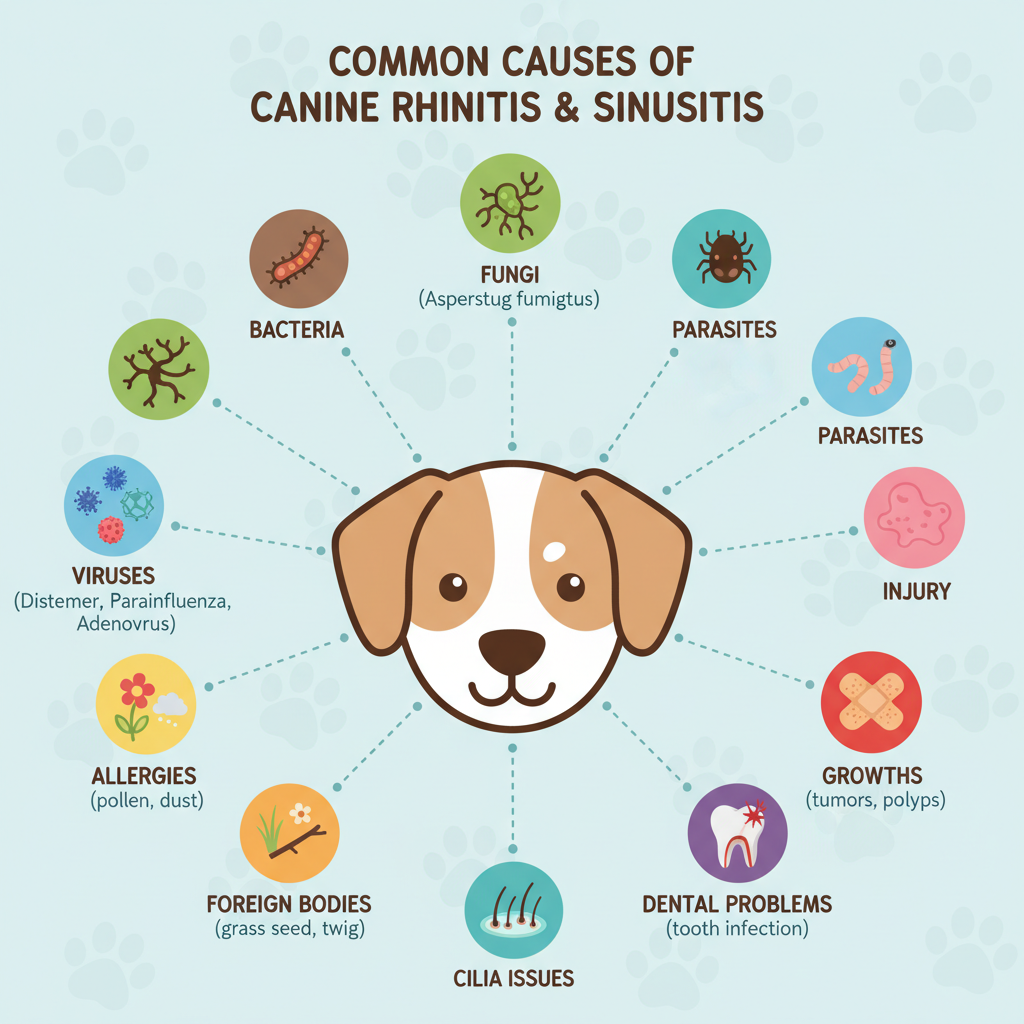
Many things can trigger inflammation and a stuffy nose in dogs. It’s not always easy to pinpoint the exact reason, but here are some of the usual suspects:
- Bacteria: Just like us, dogs can get bacterial infections that settle in their nasal passages.
- Fungus: Some stubborn fungal infections, like Aspergillus fumigatus, can cause big problems.
- Viruses: Sneaky viruses, including distemper, parainfluenza, adenovirus, or even dog flu, often lead to respiratory issues.
- Allergies: Yep, dogs get allergies too! Pollen, dust, or certain foods can set off a reaction.
- Pesky Foreign Bodies: Imagine a grass seed or tiny twig getting stuck right up your dog’s nose—ouch!
- Dental Drama: Sometimes, an infection in a tooth, especially the big canine teeth or premolars, can spread to the nasal passages because their roots are so close.
- Injury: A bump or bruise to the face can sometimes cause inflammation.
- Growths: Tumors or polyps (non-cancerous growths) in the nasal cavity can block airflow.
- Parasites: Though rare, certain parasites can take up residence in your dog’s nose.
- Cilia Issues: Some dogs are born with a condition called primary ciliary dyskinesia, where the tiny hair-like structures that normally sweep mucus out of the nose don’t work right.
Spotting the Signs: Symptoms of Dog Rhinitis and Sinus Problems
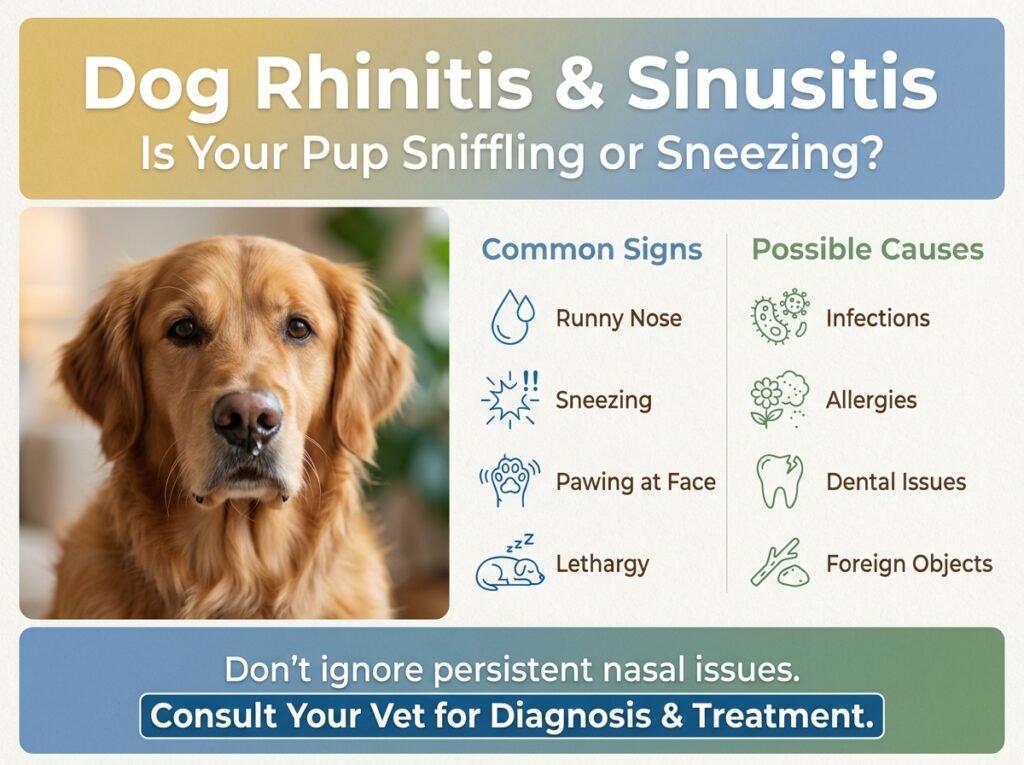
When your dog’s nose or sinuses are inflamed, their symptoms can vary a lot depending on the cause. But generally, keep an eye out for these tell-tale signs:
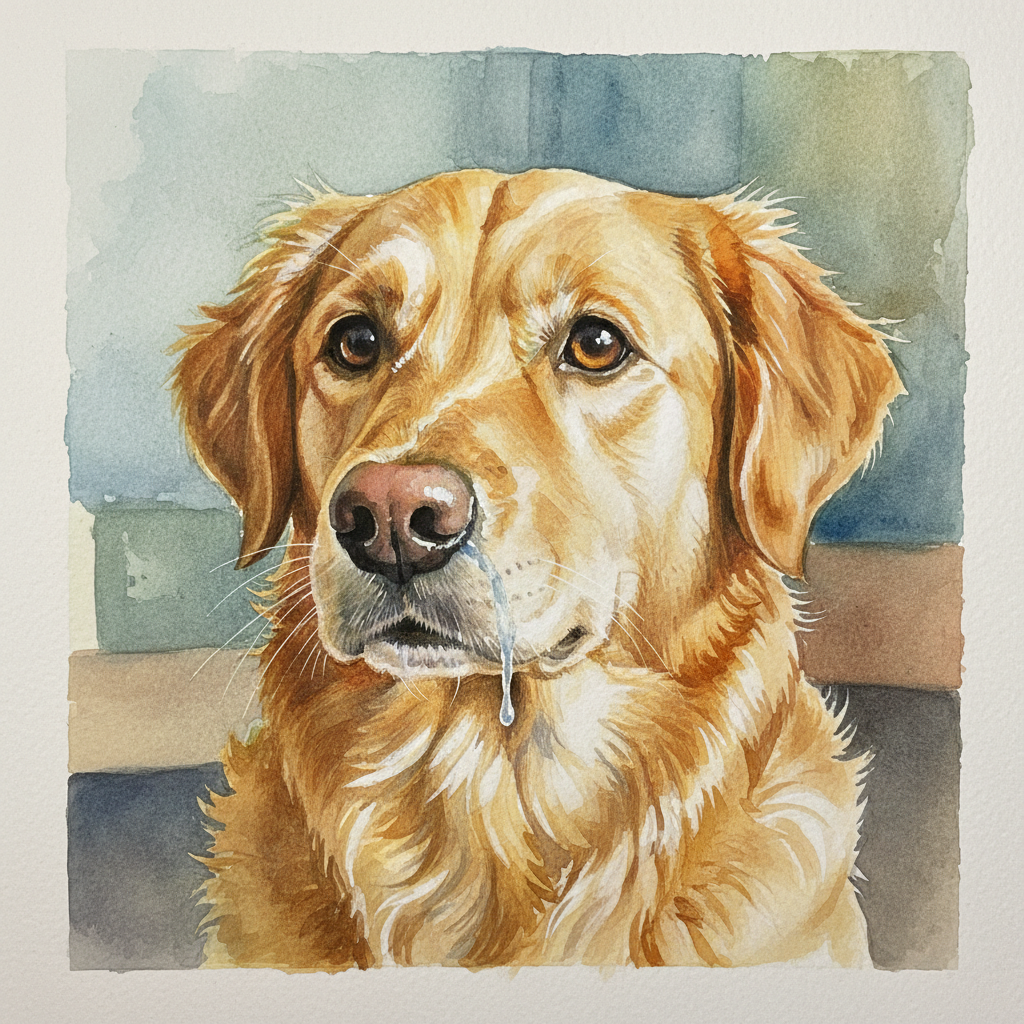
- Nasal discharge: This is often the most obvious sign. It could be clear and watery, thick and white or yellow, green, or even bloody. It might come from one nostril or both.
- Sneezing: Lots of snorts and sneezes are a clear signal something’s up.
- Reverse sneezing: This sounds like your dog is trying to inhale a sneeze backward—it can be alarming but is often harmless unless it happens constantly.
- Snorting or wheezing: Your dog might sound congested when they breathe.
- Paw at their face: They might try to rub or scratch their nose because it feels irritated.
- Off their food: A stuffy nose can make it hard to smell and taste food, so they might not want to eat.
- Low energy: Feeling under the weather can make any pup lethargic.
- Weight loss: If they don’t eat enough, they’ll start to lose weight.
- Facial changes: In severe cases, like aggressive fungal infections or tumors, you might even notice a change in the shape of their face.
- Excessive nose licking: They might be trying to clear the discharge or soothe irritation.
- Bad breath: Can be a sign of dental disease affecting the sinuses.
If you see discharge from only one nostril, it often points to a problem specific to that side, like a foreign object, a bad tooth, or a growth. If both nostrils are running, it’s usually a more widespread issue like an infection or allergies.
Getting to the Bottom of It: Diagnosing Dog Rhinitis Sinusitis
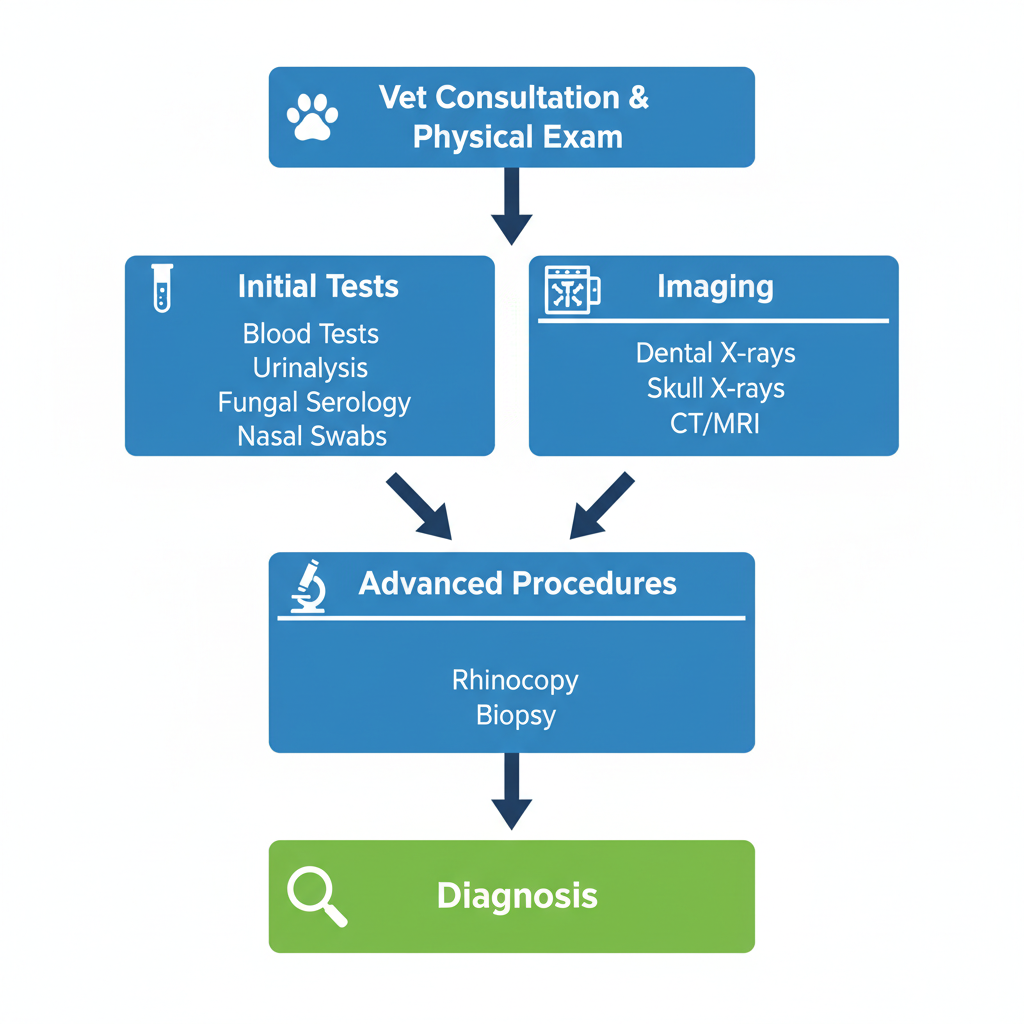
When your dog has persistent nose problems, the first step is always a trip to your vet. They’ll start with a thorough physical exam, carefully checking your dog’s face, mouth, and teeth. They’ll also ask you tons of questions about your dog’s symptoms: when they started, if they’ve gotten worse, and if your pup has any other health issues.
Based on what they find, your vet might suggest some additional tests. These could include:
- Blood tests: A complete blood count and chemistry profile give a snapshot of your dog’s overall health and can hint at infection or inflammation.
- Urinalysis: Another general health check.
- Fungal serology: A special blood test to look for signs of fungal organisms.
- Nasal swabs: Samples taken from the nose can be cultured to identify bacteria or fungi, or tested for viruses.
- Dental X-rays: To check for hidden dental problems that could be affecting the sinuses.
- Skull X-rays: To get a basic look at the nasal passages and sinuses.
- Advanced imaging: A CT scan or MRI of the head offers much more detailed pictures of the nasal passages, sinuses, and surrounding areas.
- Rhinoscopy: A specialized procedure where a tiny camera is gently guided into your dog’s nasal passages to get a direct look at the lining and spot any abnormalities.
- Biopsy: If your vet suspects a tumor or other abnormal growth, they might take a small tissue sample for analysis.
Relief for Your Pup: Treating Dog Rhinitis and Sinus Infections
Treatment for dog rhinitis sinusitis depends completely on what’s causing it.
- If it’s a bacterial infection, your vet will prescribe antibiotics.
- For those tough fungal infections, antifungal medications are key.
- Found a foreign object? Your vet will need to remove it, often with your dog sedated or under anesthesia.
- Dental issues require proper dental care, which might mean tooth extractions.
- Tumors or polyps may call for surgery, radiation therapy, or chemotherapy.
- If allergies are the culprit, your vet might suggest antihistamines, steroids, or other allergy-specific medications.
- In some chronic cases, a nasal flush can help clear out built-up mucus and debris. This usually requires general anesthesia.
Your vet will also likely recommend supportive care to help your dog feel better. This might include:
- Humidification: Using a humidifier near your dog’s resting spot or letting them hang out in a steamy bathroom can help moisten their nasal passages and loosen mucus.
- Nasal saline drops: Special saline drops can help keep their nose moist and clear.
- Good nutrition and hydration: Making sure your dog eats well and drinks plenty of water supports their overall immune system.
The Road Ahead: Recovery and Management
How well your dog recovers from rhinitis or sinusitis really depends on what caused it and how severe it was.
- Pups with simple acute viral or bacterial infections often bounce back completely with the right treatment.
- Dogs with allergies might need ongoing management to keep their symptoms under control for life.
- For more serious or chronic conditions like fungal infections or tumors, the path to recovery can be more challenging, sometimes requiring long-term or repeated treatments.
It’s super important to follow your vet’s instructions closely and give all medications exactly as prescribed. If your dog’s symptoms don’t improve or seem to get worse, reach out to your vet right away.
Keeping Them Healthy: Preventing Dog Rhinitis Sinusitis
While we can’t prevent every single cause of rhinitis and sinusitis, there are definitely steps you can take to lower your dog’s risk:
- Stay up-to-date on vaccinations: Make sure your dog gets all their shots, especially for common respiratory illnesses like distemper and parainfluenza.
- Prioritize dental health: Regular teeth cleaning and vet check-ups can prevent dental disease from leading to nasal problems.
- Avoid irritants: Keep your dog away from smoke, heavy dust, and harsh chemicals that can irritate their nasal passages.
- Manage allergies: If your dog has allergies, work with your vet to figure out what triggers them and how to manage their symptoms.
- Limit exposure: Try to keep your dog away from other sick dogs to reduce the chance of catching contagious infections.
Regular vet visits are truly your best tool for catching any underlying health issues early on, which can help prevent serious rhinitis or sinusitis from developing.
What can I give my dog for a stuffy nose?
Never give your dog human over-the-counter medications for a stuffy nose without talking to your vet first. Many human drugs can be toxic to dogs. For a stuffy nose, your vet might suggest supportive care like humidification or special nasal saline drops, or they’ll prescribe specific medications once they figure out what’s causing the problem.
How do you treat rhinitis in dogs naturally?
While supportive measures like humidification can help a dog with rhinitis feel more comfortable, there are no proven “natural” cures for the underlying conditions. Rhinitis often has serious causes that need a vet’s diagnosis and specific medical treatment, like antibiotics for bacteria or antifungals for fungi. Always consult your vet before trying any natural remedies to make sure your pup gets the right care.
Is rhinitis in dogs contagious?
Whether rhinitis is contagious depends entirely on its cause. If it’s from a contagious viral infection (like the dog flu) or a bacterial infection, then yes, it can spread to other dogs. But if it’s due to allergies, a foreign body, dental issues, or a tumor, it’s not contagious at all. If your dog has rhinitis, your vet can help you figure out the cause and if you need to take steps to protect other pets in your home or neighborhood.