
Leukemia in Dogs: What Every Pet Parent Needs to Know
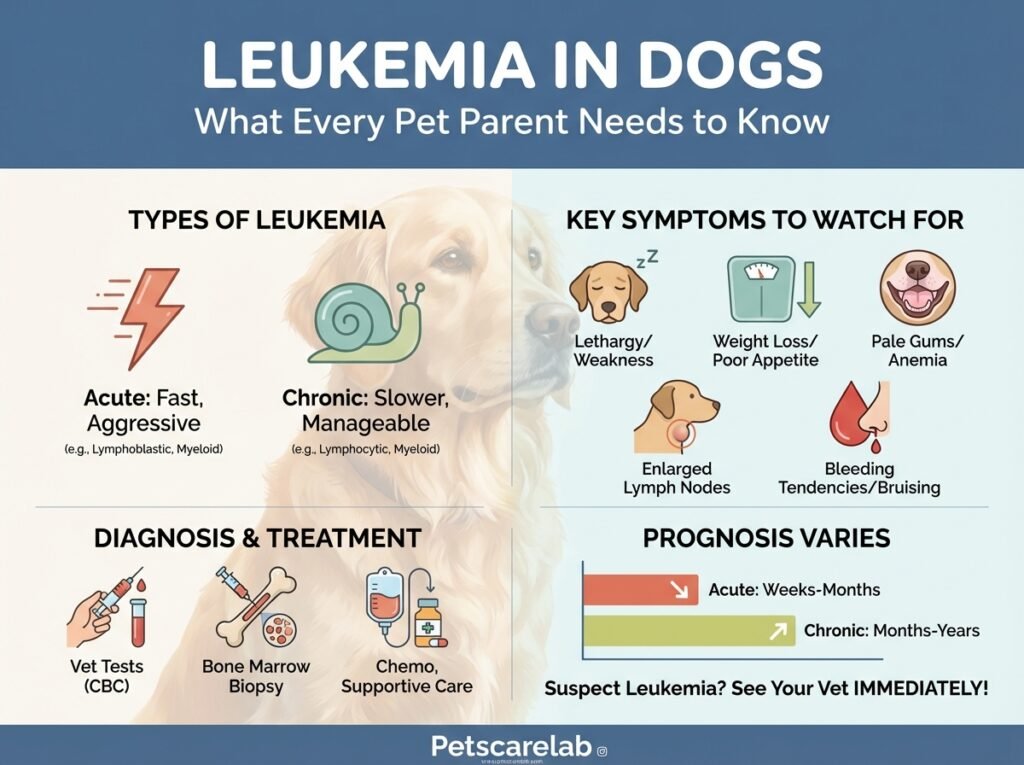
Hearing that your beloved pup might have cancer is devastating. While rare, leukemia in dogs is a serious type of cancer that starts in their bone marrow and messes with their blood cells. Knowing the different types, what signs to look for, and how vets typically treat it can help you act fast if you ever suspect something’s wrong. Our team at Petscarelab is here to break it all down for you, offering a compassionate guide through this tough topic.
What Happens When a Dog Gets Leukemia?
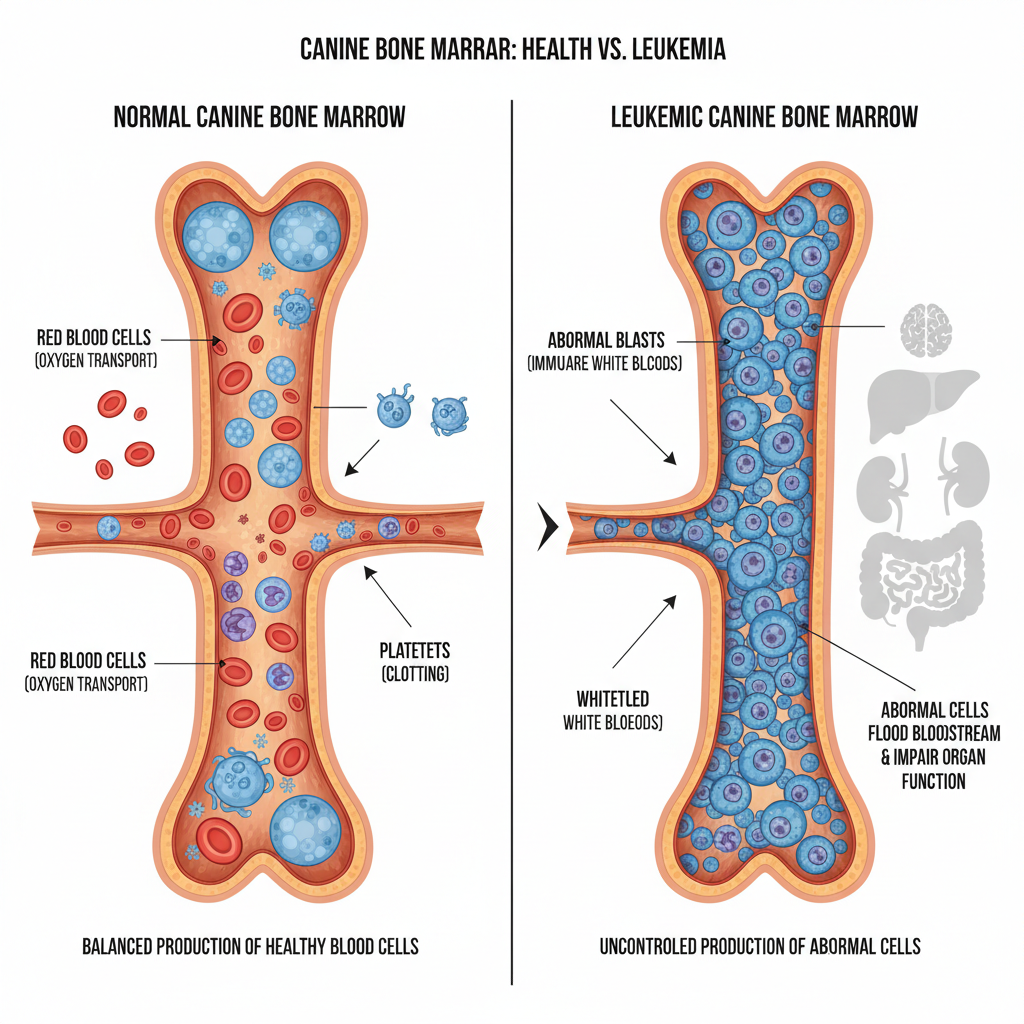
Leukemia is essentially a cancer of the white blood cells. It begins deep inside your dog’s bones, specifically in the bone marrow. Think of bone marrow as your pup’s blood cell factory; it churns out red blood cells, white blood cells, and platelets, all vital for life.
When leukemia takes hold, this factory goes haywire. It starts producing abnormal, immature white blood cells in huge, uncontrolled numbers. These bad cells then flood your dog’s bloodstream, circulating everywhere and getting in the way of healthy organ function. Even worse, they can stop the bone marrow from making enough healthy blood cells, leading to a whole host of problems.
Veterinary specialists categorize leukemia in dogs based on which type of white blood cell it affects and how quickly it progresses.
Types of Leukemia in Dogs
Leukemia in dogs generally falls into two main categories:
Acute Leukemia
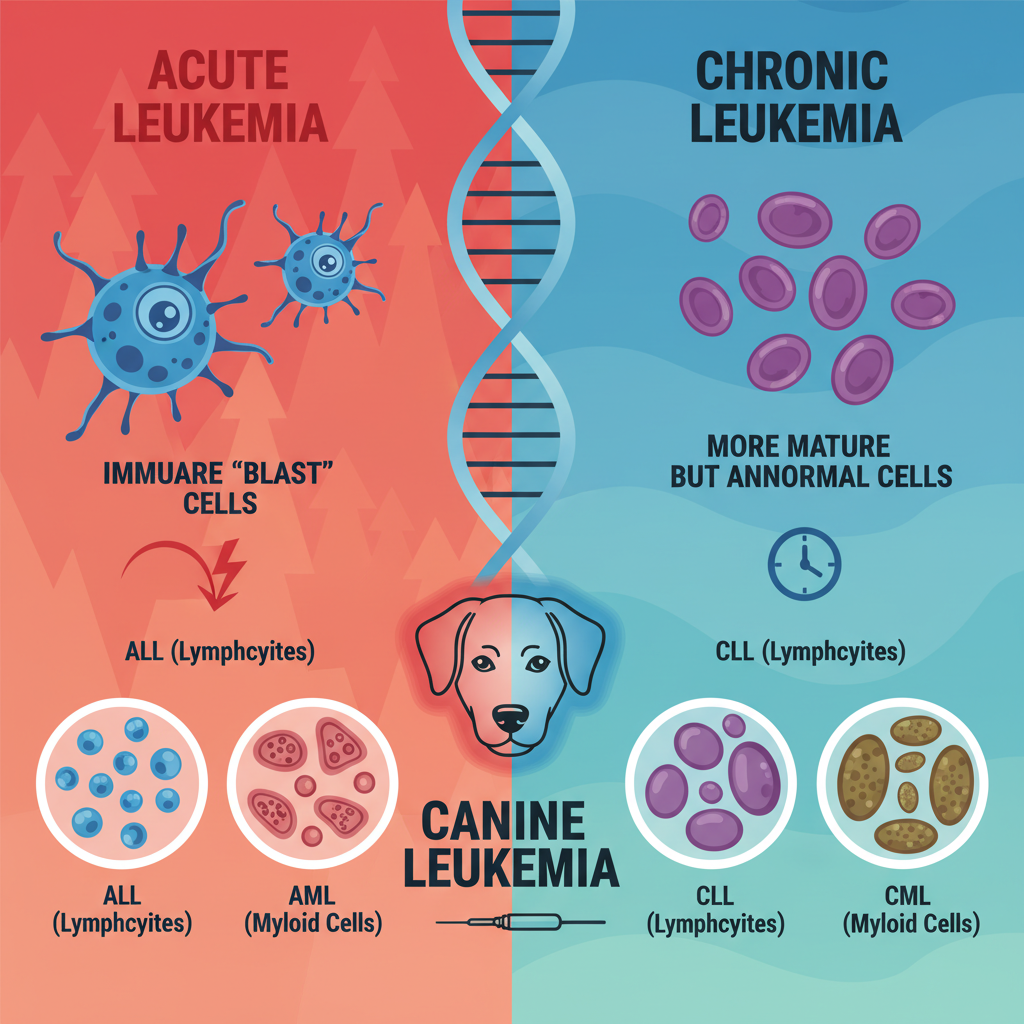
Acute leukemia comes on fast and hard. It’s marked by a rapid explosion of very immature white blood cells, often called “blasts.” This form moves incredibly quickly and is usually much more aggressive. Dogs with acute leukemia can become seriously ill in a very short time.
We can further break acute leukemia down by the specific type of white blood cell it targets:
- Acute Lymphoblastic Leukemia (ALL): This type affects lymphocytes, which are the white blood cells responsible for your dog’s immune system.
- Acute Myeloid Leukemia (AML): Here, the cancer impacts myeloid cells. These cells are the building blocks for many other white blood cells (like neutrophils and monocytes), as well as red blood cells and platelets.
Chronic Leukemia
Chronic leukemia takes a slower approach. It involves a gradual buildup of white blood cells that are more mature, but still abnormal. This form often progresses much less rapidly, and many dogs might show subtle or no symptoms for a long time. Chronic leukemia is typically less aggressive than its acute counterpart, and pups often have a better outlook.
- Chronic Lymphocytic Leukemia (CLL): This is the most common type of chronic leukemia our research sees in dogs. It means your dog’s body is making too many mature lymphocytes.
- Chronic Myeloid Leukemia (CML): A rarer form where there’s an overproduction of myeloid cells.
Symptoms of Leukemia in Dogs
The signs of leukemia can vary a lot, depending on whether it’s acute or chronic and how far along the disease is.
Watch out for these common symptoms, especially with acute leukemia or advanced chronic cases:
- Lethargy and Weakness: Your pup might seem unusually tired, lacking their usual pep. This often happens because they’re anemic (meaning they have a low red blood cell count) or just feeling generally unwell.
- Weight Loss and Poor Appetite: Cancer can cause dogs to waste away, and they might just not be interested in food.
- Pale Gums: Take a peek at your dog’s gums. If they look unusually pale, it’s another sign of anemia.
- Fever: Your dog might have a fever, often from secondary infections. Those abnormal white blood cells just aren’t doing their job to protect the immune system.
- Enlarged Lymph Nodes: Feel for swollen “glands” in spots like your dog’s neck, armpits, or groin. This is especially common with the lymphocytic forms of leukemia.
- Enlarged Spleen or Liver (Hepatosplenomegaly): These organs help produce and filter blood cells. When abnormal cells build up, these organs can get much larger than they should be.
- Lameness or Bone Pain: If the bone marrow is heavily affected, or if the cancer has spread to the bones, your dog might limp or show signs of pain when moving.
- Bleeding Tendencies: You might notice nosebleeds, unexplained bruising, or cuts that just won’t stop bleeding. This comes from low platelet counts (thrombocytopenia), which are crucial for clotting.
- Vomiting and Diarrhea: These are general signs of illness, but they can also show up if the cancer affects your dog’s digestive organs.
- Increased Thirst and Urination: Sometimes, kidney involvement or other metabolic shifts can make your dog drink and pee more than usual.
With chronic leukemia, dogs might not show any symptoms for a long time, or they might only have subtle signs like a slight dip in energy or a little weight loss, which are easy to miss.
What Causes Leukemia in Dogs?
It’s tough to pinpoint the exact cause of leukemia in dogs, just like with many other cancers. However, several things might play a role in its development:
- Genetics: Certain breeds seem to have a higher risk, suggesting their genes might make them more prone to the disease.
- Environmental Factors: While we don’t always have clear links, exposure to certain chemicals, toxins, or radiation could contribute.
- Viral Infections: We haven’t definitively proven this for most canine leukemias, but we know certain viruses cause leukemia in other animals, like the feline leukemia virus in cats.
- Chromosomal Abnormalities: Sometimes, DNA mutations or damage in bone marrow cells lead to uncontrolled cell growth.
- Immune System Dysfunction: A weakened immune system might not recognize and destroy abnormal cells as it should.
Any dog can get leukemia, regardless of their age, breed, or sex. However, our research suggests a higher incidence in certain breeds (like German Shepherds, Boxers, and Golden Retrievers) and in middle-aged to older dogs.
Diagnosing Leukemia in Dogs
If your vet suspects leukemia, they’ll usually run a series of tests to confirm it:
- Complete Blood Count (CBC): This blood test is super important. Dogs with leukemia often have an unusually high number of white blood cells (leukocytosis). Sometimes, you’ll even see very immature forms (blast cells) floating around in the blood. Anemia (low red blood cells) and thrombocytopenia (low platelets) are also common findings.
- Blood Smear Examination: A veterinary specialist will look at a drop of your dog’s blood under a microscope. This helps identify the type and maturity of the white blood cells, which is key for telling the difference between acute and chronic leukemia and figuring out which cell line is affected.
- Bone Marrow Aspiration or Biopsy: To get a definitive diagnosis, vets often need a sample of bone marrow. They’ll typically collect this from your dog’s leg bone (femur) or arm bone (humerus) and examine it under a microscope for abnormal cell growth.
- Flow Cytometry or Immunophenotyping: These advanced tests help identify specific markers on the surface of the cancerous cells. This information is critical for classifying the exact type of leukemia, like T-cell ALL or B-cell CLL.
- Diagnostic Imaging: X-rays or ultrasounds can help check for enlarged lymph nodes, spleen, or liver, or look for other signs that the disease has spread.
- Biochemical Profile: Blood chemistry tests check how your dog’s organs are functioning and look for other metabolic issues.
Treating Leukemia in Dogs
The treatment plan for leukemia in dogs depends a lot on the specific type (acute versus chronic), your dog’s overall health, and how far along the disease is.
Chemotherapy
Chemotherapy is usually the main treatment for most types of leukemia.
- Acute Leukemia: This often calls for aggressive, multi-drug chemotherapy protocols designed to destroy those rapidly dividing blast cells. The goal is to get the cancer into remission, but acute leukemia is often very challenging to treat effectively.
- Chronic Leukemia: Treatment might involve less aggressive chemotherapy, often with oral medications. The aim here is to manage the disease and improve your dog’s quality of life. While often not curable, it can be manageable for a period.
Supportive Care
Supportive care is vital, especially for pups undergoing chemotherapy or those severely affected by the disease. This could involve:
- Blood Transfusions: For severe anemia.
- Antibiotics: To fight off secondary infections, as your dog’s immune system will likely be compromised.
- Pain Management: To make your dog more comfortable, especially if they’re experiencing bone pain or general discomfort.
- Fluid Therapy: To keep them hydrated and support organ function.
- Nutritional Support: Making sure your dog gets enough calories and nutrients.
Radiation Therapy
Radiation isn’t typically the first line of treatment for leukemia that’s spread throughout the body. However, vets might consider it for specific localized lesions or to help manage pain in certain areas.
Splenectomy
If your dog’s spleen is severely enlarged and causing problems or destroying too many blood cells, surgical removal (splenectomy) might be an option, particularly for some types of chronic leukemia.
Prognosis for Dogs with Leukemia
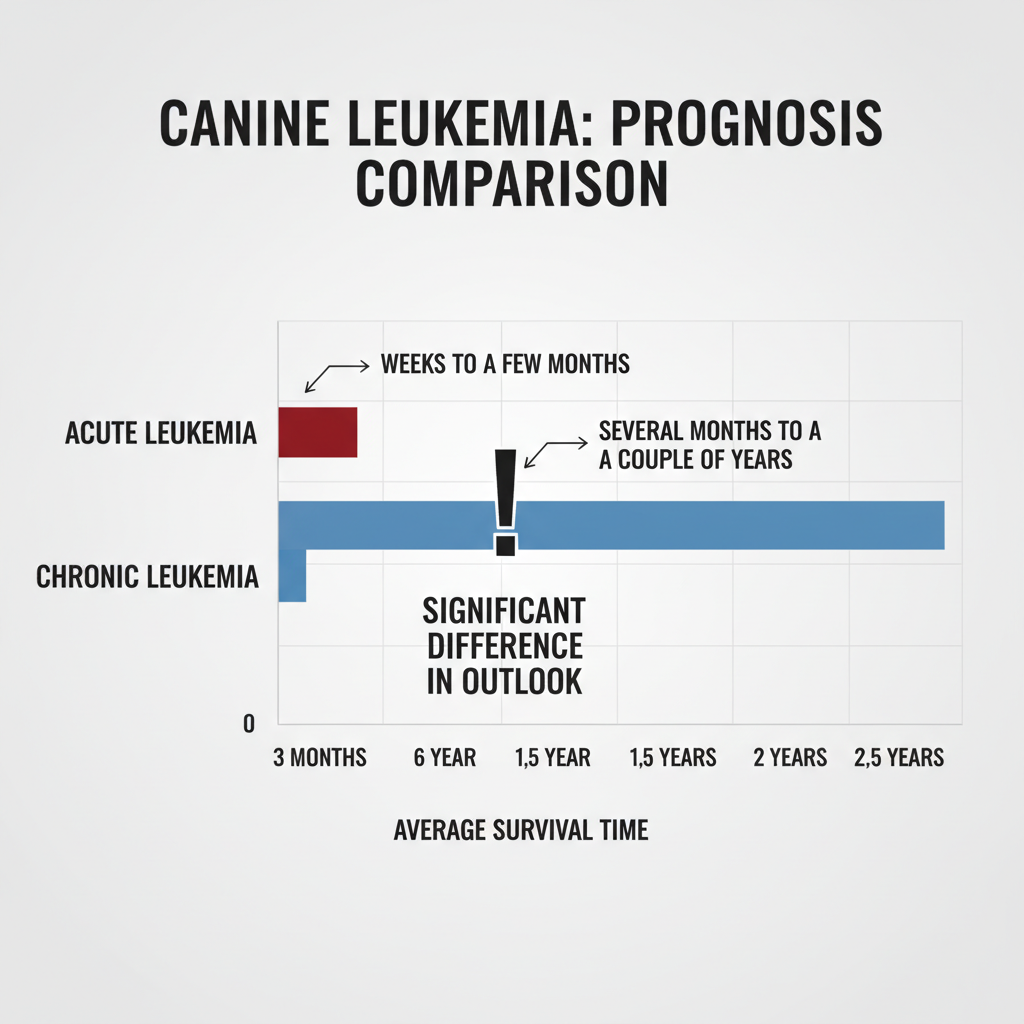
The outlook for dogs with leukemia varies significantly:
- Acute Leukemia: Sadly, this usually comes with a poor prognosis. Even with aggressive treatment, pups often only live for weeks to a few months.
- Chronic Leukemia: This offers a much more favorable prognosis. Many dogs with chronic lymphocytic leukemia (CLL), for example, can live for several months to a couple of years with proper management, often enjoying a good quality of life during that time.
Regular blood tests are crucial to see how your dog is responding to treatment and to catch any progression or recurrence of the disease.
Preventing Leukemia in Dogs
Since we don’t fully understand the exact causes of canine leukemia, there aren’t any specific ways to prevent it. However, you can always support your dog’s overall health by providing good nutrition, regular exercise, routine vet check-ups, and minimizing their exposure to known carcinogens (like secondhand smoke or certain pesticides). These steps help maintain their general well-being and strengthen their immune system.
When to See Your Vet
If you notice any of the signs of leukemia in dogs, particularly persistent tiredness, unexplained weight loss, pale gums, swollen lymph nodes, or easy bruising and bleeding, don’t wait. Call your veterinarian immediately. Getting an early diagnosis and starting intervention quickly can make a huge difference in how effective the treatment is and your dog’s quality of life.