Giving Your Dog Imodium: Is It Ever a Good Idea?
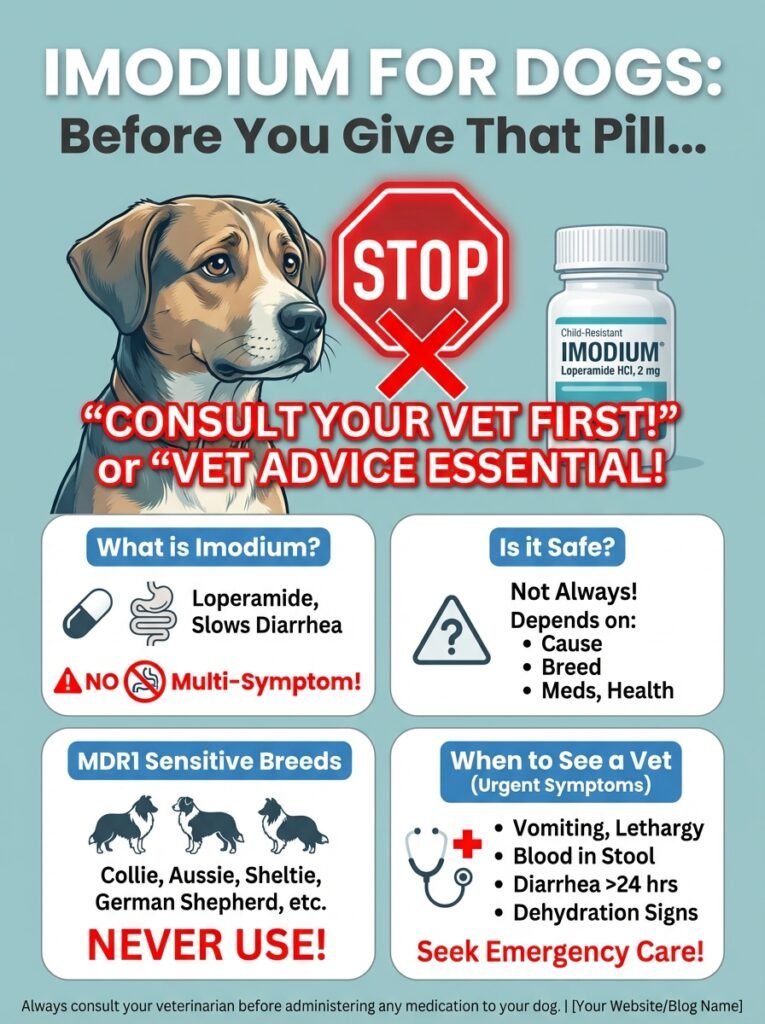
Seeing your beloved pup suffer from an upset stomach and diarrhea is tough. Naturally, you might reach for a familiar remedy: Imodium for dogs. This common over-the-counter anti-diarrhea medication is a staple in many human medicine cabinets, so it’s tempting to think it’s a quick fix for your furry friend. But is giving your dog Imodium truly safe? How much is too much? And what potential risks are you taking? Let’s get into the details.
What Is Imodium, Anyway?
Imodium, also known by its generic name loperamide, is a medication that works by gently slowing down your dog’s intestinal movements. When the intestines move slower, they get more time to absorb water and electrolytes. This helps firm up stools and means fewer trips outside for your pup.
Veterinary specialists sometimes use loperamide to help dogs with acute or chronic diarrhea. However, it’s rarely the first choice. Often, other medications like metronidazole are prescribed more frequently for doggy diarrhea.
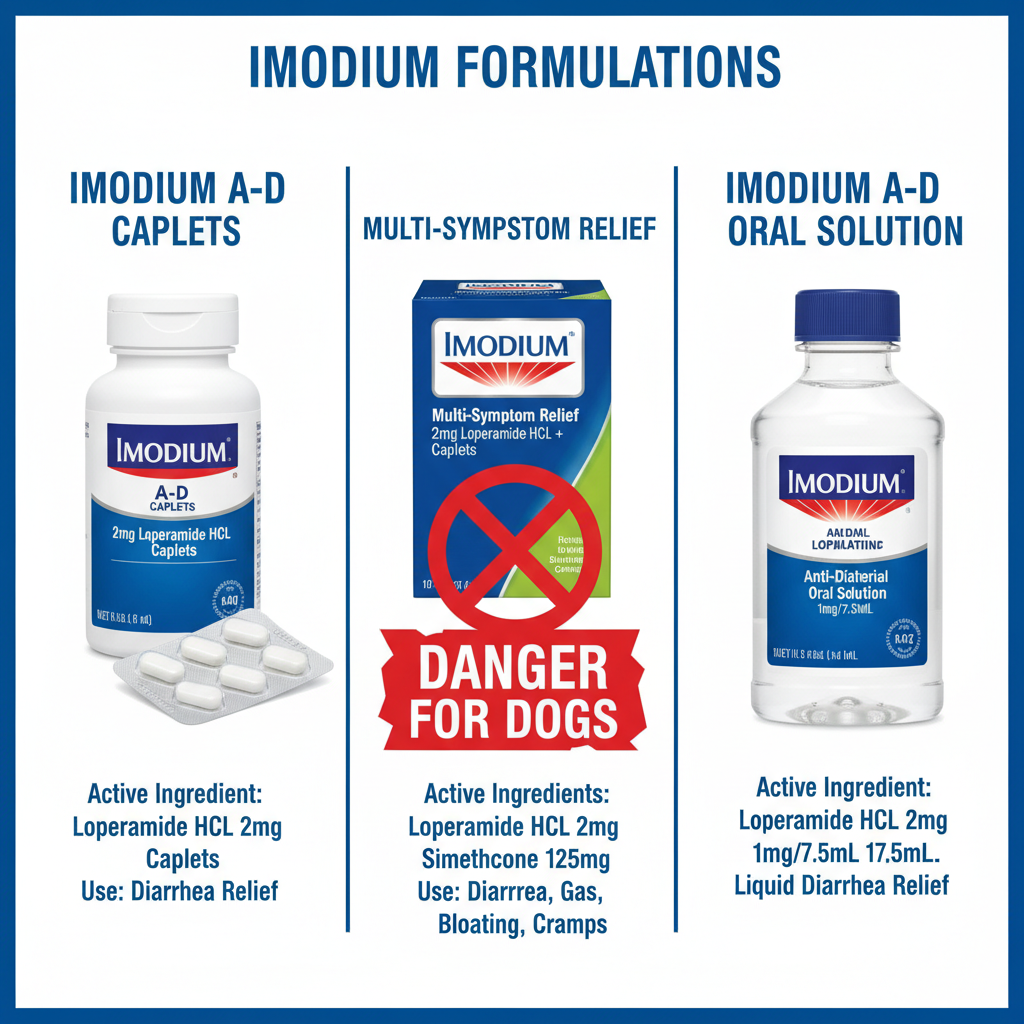
You’ll find Imodium in a few different forms:
- Imodium A-D Caplets (2 mg): These are the most common — small tablets that are usually easy to give.
- Imodium Multi-Symptom Relief Caplets (2 mg loperamide + simethicone): This version includes simethicone, which aims to help with gas and bloating. Big warning here: Don’t give this multi-symptom version to your dog! While simethicone is generally safe, it’s always best to stick to products that only contain loperamide to avoid any unnecessary extra ingredients.
- Imodium A-D Oral Solution (1 mg/7.5 mL): This liquid form can be much easier for some dogs, especially smaller ones, to swallow.
Always, always double-check the active ingredients on the label before you offer anything to your dog.
So, Is Imodium Safe for Dogs?
The short answer is: maybe, but with a big caveat. While Imodium can be safe for dogs in some specific situations, it’s definitely not a go-to solution you should reach for without talking to your vet first.
Whether Imodium is safe for your dog depends on several important things:
- What’s causing the diarrhea? Imodium only tackles the symptom – the diarrhea itself – not why your dog has it. If your pup has something serious like a bacterial infection, parasites, or even an intestinal blockage, giving them Imodium could actually make things much worse by delaying proper diagnosis and treatment.
- Your dog’s breed: Some dog breeds are incredibly sensitive to loperamide because of a specific gene mutation called MDR1. These dogs should never get Imodium.
- Other medications they’re on: Imodium can interact with other drugs your dog might be taking, leading to complications.
- Their overall health: Dogs with certain health issues, like liver disease, might not be able to process Imodium correctly.
It’s absolutely essential to chat with your veterinarian before you even think about giving your dog Imodium. They can help you figure out if it’s the right choice for your particular pup and, if so, recommend the correct dose.
Dog Breeds That Can’t Handle Imodium
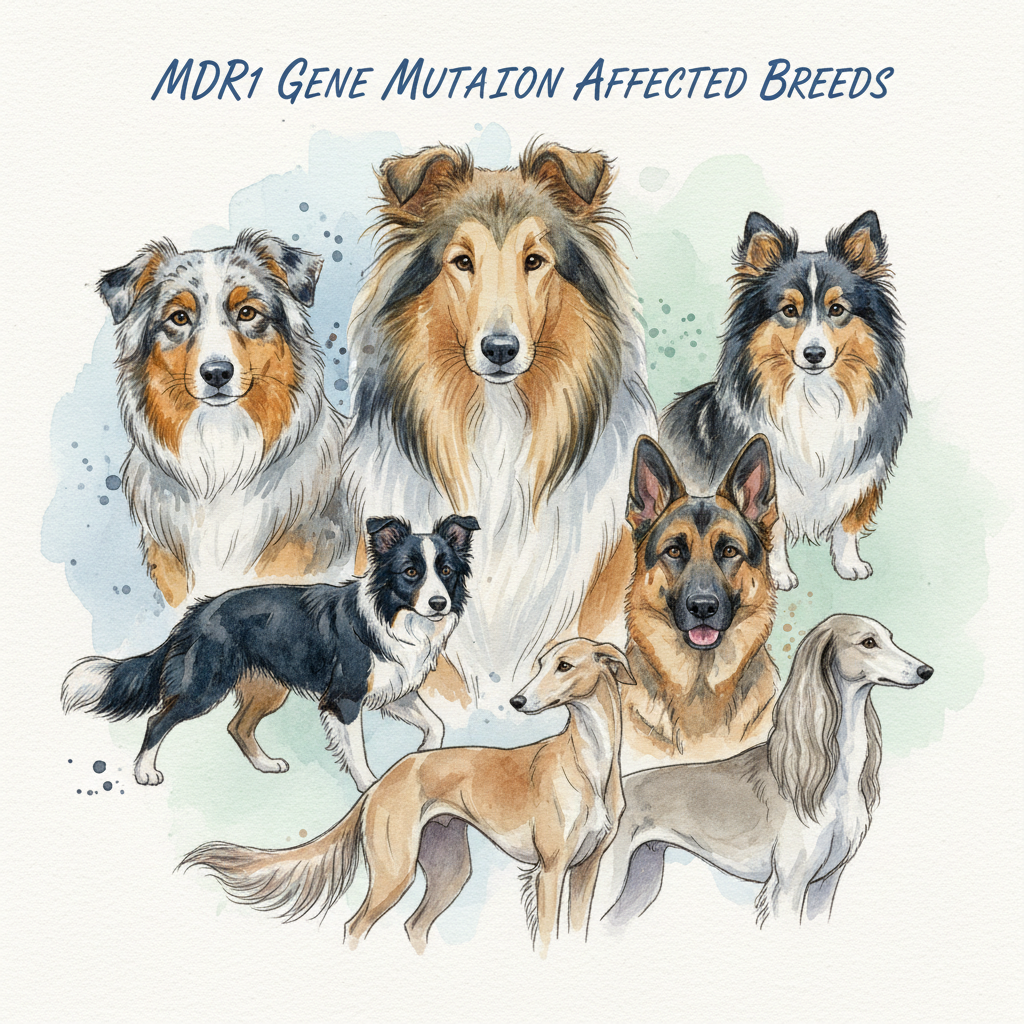
Some dog breeds carry a genetic quirk known as the Multi-Drug Resistance 1 (MDR1) gene mutation (you might also hear it called ABCB1). This mutation messes with a protein that’s supposed to pump certain drugs out of your dog’s brain. When that pump doesn’t work right, drugs like loperamide can build up in the brain, causing really serious neurological problems.
Breeds commonly affected by the MDR1 gene mutation include:
- Collies
- Australian Shepherds
- Shetland Sheepdogs (Shelties)
- Border Collies
- German Shepherds
- Long-haired Whippets
- Silken Windhounds
- Any mixed breed that includes these breeds in their lineage
If your dog belongs to one of these breeds, or if they’re a mix, tell your vet immediately before giving them Imodium. Your vet might suggest genetic testing to see if your dog has the MDR1 mutation. If they do, steer clear of Imodium entirely.
Why Do Dogs Get Diarrhea Anyway?
Dog diarrhea can pop up for all sorts of reasons, from simply eating something they shouldn’t to serious underlying health conditions. It’s a wide spectrum.
Common culprits include:
- Eating something yucky: Raiding the trash can, snatching spoiled food, or getting too many treats.
- Sudden food changes: Switching their kibble too quickly can upset their system.
- Stress or anxiety: Moving to a new place, car rides, or loud noises can sometimes trigger an upset tummy.
- Intestinal parasites: Nasty critters like roundworms, hookworms, whipworms, Giardia, or Coccidia.
- Bacterial infections: Things like Salmonella, Clostridium, or E. coli.
- Viral infections: Parvovirus, distemper, or coronavirus are serious threats.
- Food allergies or sensitivities: Certain ingredients just don’t agree with some pups.
- Inflammatory Bowel Disease (IBD): A chronic inflammation of their digestive tract.
- Pancreatitis: When the pancreas gets inflamed.
- Kidney or liver disease: These serious conditions can impact overall bodily functions, including digestion.
- Toxins or poisons: Swallowing harmful substances is always dangerous.
- Certain medications: Sometimes, antibiotics or other drugs can have diarrhea as a side effect.
- Foreign body obstruction: If your dog swallows an object that gets stuck in their intestines.
- Cancer: Tumors in their digestive system or other organs can also cause issues.
With so many possibilities, it’s always best to let a vet diagnose the real reason behind your dog’s diarrhea.
Imodium Dosage for Dogs
Let’s be crystal clear: Never give your dog Imodium without talking to your veterinarian first.
If your vet decides that Imodium is a safe and good choice for your pup, they’ll give you a precise dosage. This dose depends on your dog’s weight, their overall health, and the exact type of Imodium you have.
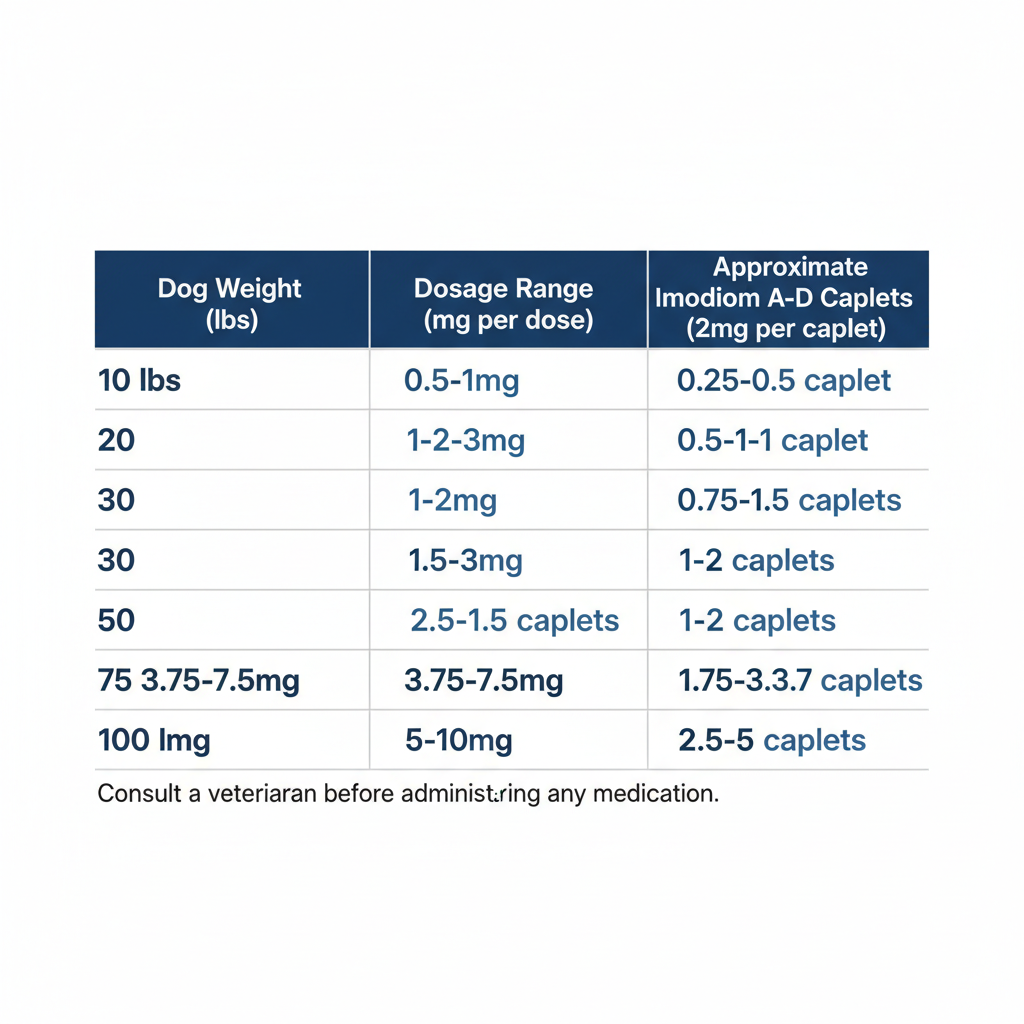
Generally, the recommended dosage for Imodium (loperamide) in dogs is roughly 0.05 to 0.1 mg for every pound of body weight, given two to three times each day.
For example:
- A 20-pound dog might get about 1 mg to 2 mg per dose.
- A 50-pound dog might receive 2.5 mg to 5 mg per dose.
Since standard Imodium A-D caplets usually contain 2 mg, a 20-pound dog might get half a caplet, while a 50-pound dog might need 1 to 2 caplets.
Always follow your vet’s instructions carefully when it comes to dosage and how often to give the medication. Don’t ever give more than they recommend, as this can lead to serious problems.
Side Effects of Imodium in Dogs
Even when given correctly, Imodium can cause side effects in dogs.
Common side effects of Imodium include:
- Constipation: This is the most frequent issue since the drug works by slowing down the intestines.
- Sedation or lethargy: Your dog might seem unusually tired or less active.
- Vomiting: Even though it’s for diarrhea, some dogs might throw up.
- Bloating and gas: Slowed digestion can sometimes lead to discomfort.
- Abdominal pain: Your pup might show signs of belly discomfort.
More serious side effects can happen, especially in dogs with the MDR1 gene mutation or those who get too much Imodium. These include:
- Neurological signs: Wobbly walking (ataxia), tremors, seizures, or even falling into a coma.
- Respiratory depression: Slow or shallow breathing.
- Bradycardia: A dangerously slow heart rate.
- Pancreatitis: Inflammation of the pancreas.
If you see any of these severe side effects, get your dog to an emergency vet clinic right away.
When Your Dog’s Diarrhea Needs a Vet Visit
While a mild, single episode of diarrhea might clear up on its own, it’s always smartest to play it safe and call your veterinarian.
You should definitely see a vet if your dog’s diarrhea comes with any of these other symptoms:
- Vomiting (especially if it’s happening repeatedly)
- Lethargy or weakness – if your dog is just not acting like themselves
- Losing their appetite or refusing to eat
- Fever
- Belly pain or discomfort
- Blood in the stool (look for bright red streaks or dark, tarry, almost black stools)
- Mucus in their poop
- Straining hard to go
- Diarrhea that lasts longer than 24-48 hours
- Signs of dehydration (like sunken eyes, dry, sticky gums, or skin that stays “tented” when you gently pinch it)
- If your dog is a young puppy, an older senior, or has any existing health conditions
These symptoms can point to a much more serious underlying problem that needs immediate veterinary care. Your vet can accurately figure out the cause of the diarrhea and recommend the safest, most effective treatment plan for your dog.