Pica in Dogs: Why Your Pup Eats Dirt, Rocks, and Everything Else
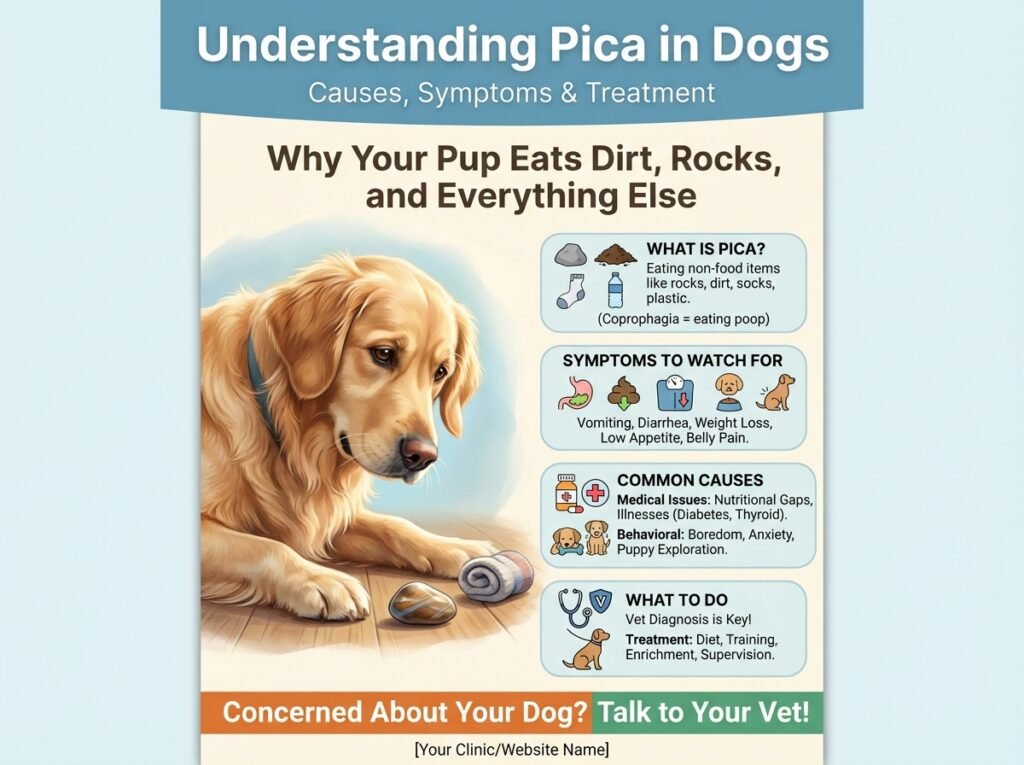
Have you ever caught your sweet dog munching on something that’s definitely not dog food – like a rock, a piece of dirt, or even your favorite sock? This unusual habit is called pica in dogs, and it means your furry friend has an appetite for non-food items. While it might seem harmless, pica can sometimes signal a deeper health problem. It can also lead to serious issues, from dangerous intestinal blockages to poisoning if they swallow something toxic.
So, What Exactly Is Pica in Dogs?
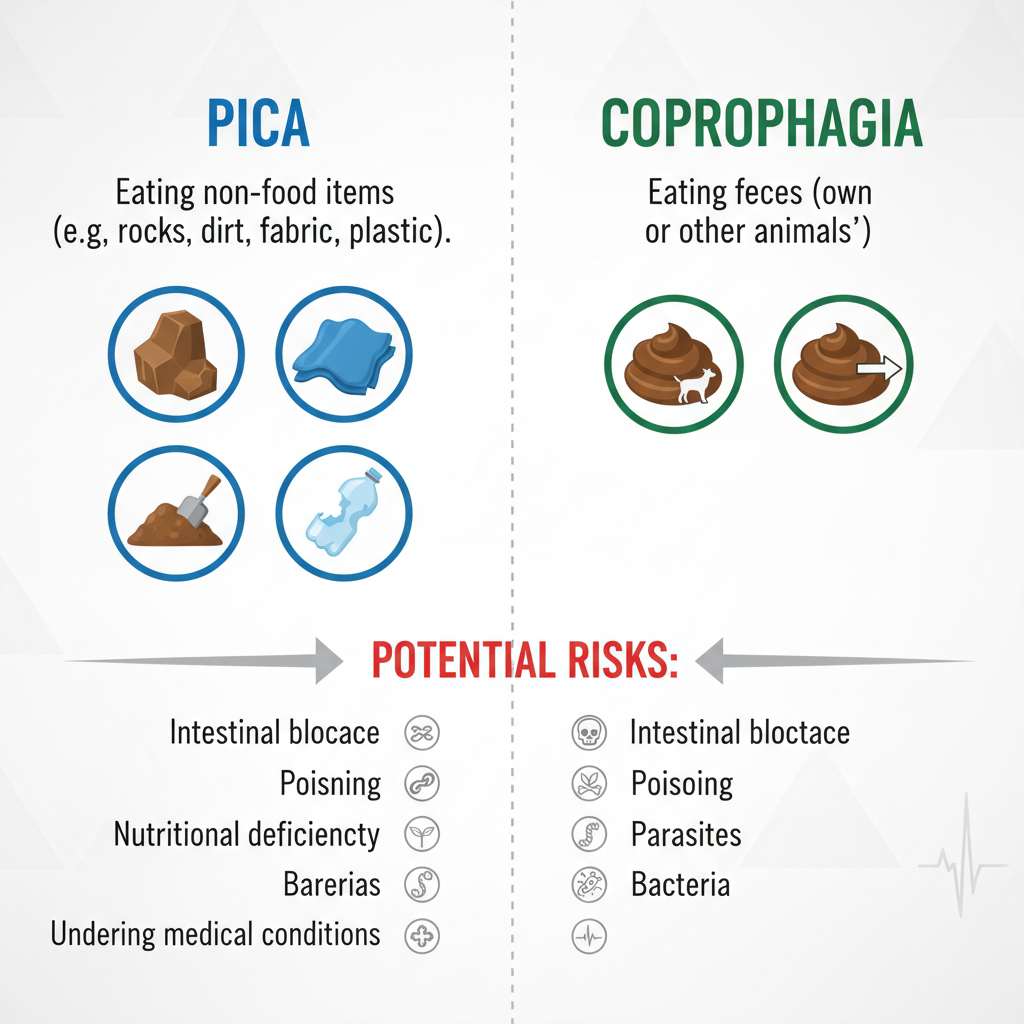
The word “pica” comes from Latin, meaning magpie, a bird famous for eating almost anything. Pups with pica often chow down on items like:
- Dirt
- Rocks
- Leaves
- Grass
- Sticks
- Paper
- Plastic
- Feces
- Clothing
- Fabric
When Your Dog Eats Poop: Understanding Coprophagia
When your dog eats poop – whether it’s their own or another animal’s – we call that coprophagia. It’s a specific kind of pica, and honestly, it’s pretty common for dogs. Most of the time, it doesn’t cause any problems. But watch out: this habit could sometimes point to an underlying health issue or a missing nutrient in their diet. Plus, there’s always a risk they could pick up parasites, nasty bacteria, or even toxins if the poop contains residue from medications or poisonous plants.
How to Spot Pica: Symptoms Your Dog Might Be Showing
The signs of pica in dogs can look a little different depending on what your pup ate and if it caused an internal upset. But generally, look for these common symptoms:
- Vomiting
- Diarrhea
- Weight loss
- Decreased appetite
- Drooling
- Straining to poop or constipation
- Belly pain
If you see any of these signs in your dog, don’t wait – call your veterinarian right away. These aren’t just minor annoyances; they could signal something serious, like a dangerous intestinal blockage or poisoning.
Why Do Dogs Eat Non-Food Items? Common Causes of Pica
So, why does your dog have this strange craving for non-food items? Most often, pica in dogs stems from one of two main areas: medical problems or behavioral challenges.
Hidden Health Issues: Medical Reasons for Pica
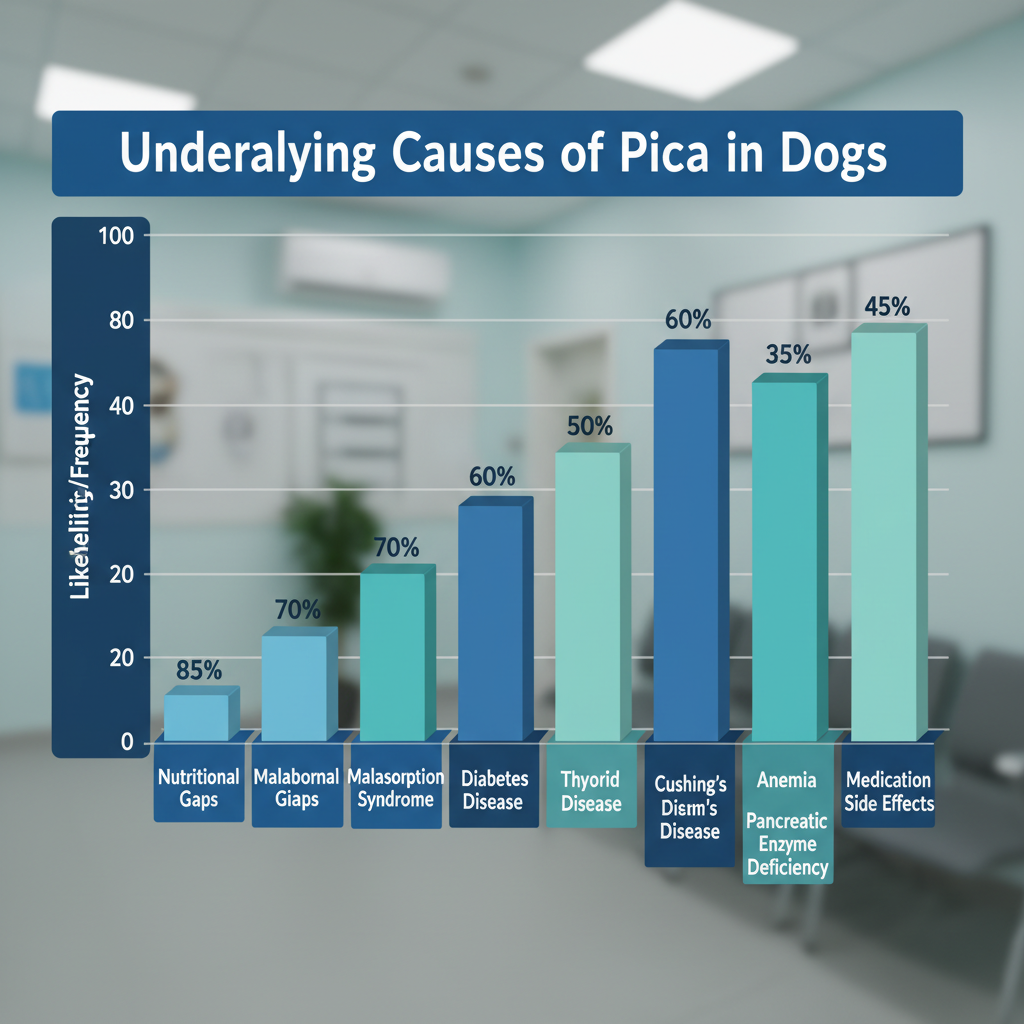
Sometimes, your dog’s urge to eat unusual things comes from a medical condition. Here are some health problems that can lead to pica:
- Nutritional gaps: If your dog’s diet is missing important nutrients, vitamins, or minerals (especially iron), they might try to find them elsewhere.
- Malabsorption syndrome: This means your dog’s gut isn’t absorbing nutrients properly from their food, leaving them malnourished.
- Gastrointestinal disease: Stomach or bowel issues like inflammatory bowel disease, parasites, or even tumors can mess with digestion and how well your pup absorbs nutrients.
- Diabetes: The increased hunger that comes with diabetes can make dogs seek out anything to eat.
- Thyroid disease: An overactive thyroid can rev up your dog’s appetite, potentially leading to pica.
- Cushing’s disease: This adrenal gland disorder can also make dogs feel constantly hungry, driving them to eat non-food items.
- Anemia: If your dog is low on iron, they might instinctively try to eat dirt or other iron-rich things.
- Liver disease: Problems with the liver can throw off nutritional balance and make your dog feel hungrier than usual.
- Pancreatic enzyme deficiency: When the pancreas doesn’t make enough digestive enzymes, your dog can’t absorb nutrients, leading to malabsorption.
- Certain medications: Some drugs, like prednisone, can seriously boost your dog’s appetite, which might spark pica.
- Brain tumors: Though rare, neurological problems can sometimes change a dog’s appetite and behavior.
More Than Just Hunger: Behavioral Reasons for Pica
Beyond medical issues, behavioral problems often explain why dogs eat strange things. Consider these common behavioral culprits:
- Boredom: Dogs often chew and eat things just to keep themselves busy, especially if they don’t get enough exercise or mental puzzles.
- Anxiety: Stress, separation anxiety, or fear can show up as compulsive habits, like eating non-food items.
- Attention-seeking: Some dogs quickly learn that grabbing an inappropriate item gets a big reaction from you, so they keep doing it for attention.
- Puppy exploration: Young pups naturally explore the world with their mouths. This mouthing and chewing can sometimes lead to them swallowing things they shouldn’t.
- Hunger: If your dog isn’t getting enough food or eating a well-balanced diet, they might try to fill up on other things.
- Learned behavior: Dogs are social learners! If your pup sees another dog eating non-food items, they might copy that behavior.
- Obsessive-compulsive disorder (OCD): In some cases, pica can be a symptom of a deeper, more complex behavioral disorder.
Getting to the Bottom of It: Diagnosing Pica in Your Dog
When you bring your dog in, our veterinary specialists will start with a thorough physical exam and chat with you about your dog’s eating habits, daily routine, and overall health.
Expect them to ask questions like:
- What specific items does your dog eat?
- How long has your dog been eating non-food items?
- Are there any other changes in your dog’s behavior or appetite?
- What is your dog’s current diet?
- Are there any recent changes to their environment or routine?
After that first check-up, your vet might suggest some additional tests to rule out any hidden medical causes for your dog’s pica. These could include:
- Blood tests—To check for nutritional gaps, organ function issues (liver, kidneys), diabetes, and thyroid problems.
- Poop examination—To detect parasites.
- Urinalysis—To check for kidney issues or other metabolic problems.
- X-rays or ultrasound—To look for foreign objects in the digestive tract, tumors, or other abnormalities.
It’s incredibly helpful if you can bring a sample of whatever your dog has eaten. This can give our team important clues about possible toxins or nutritional gaps.
How to Help: Treating Pica in Dogs
The good news is that we can treat pica in dogs, but how we do it completely depends on why your pup is eating non-food items.
Addressing the Root: Medical Treatments for Pica
If your vet uncovers a health issue as the cause for your dog’s pica, here’s how they might treat it:
- Dietary changes or supplements—If tests show your pup has a nutritional gap, your vet will likely suggest a new diet or specific supplements to get them back on track.
- Medication—For conditions like thyroid disease or diabetes, your vet will prescribe medicine to manage the illness.
- Deworming—If parasites are found, your dog will get the right deworming medication.
- Surgery—If your dog swallowed something that caused a dangerous intestinal blockage, surgery might be necessary to remove it.
Changing Habits: Behavioral Approaches to Pica
When pica stems from behavioral issues, we focus on changing habits and creating a healthier environment for your dog:
- Environmental enrichment—Stock up on plenty of toys, puzzle feeders, and safe chew items. These will keep your dog’s mind busy and engaged.
- Increased exercise—Make sure your dog gets daily walks, playtime, and other activities. This helps reduce boredom and anxiety.
- Training and supervision—Teach your dog important commands like “leave it” and “drop it.” Always keep a close eye on them, especially outdoors, to stop them from eating inappropriate items.
- Taste deterrents—Spray a bitter-tasting product (like Grannick’s Bitter Apple) on objects your dog often tries to eat. This makes those items much less appealing.
- Manage anxiety—If anxiety is the main driver, your vet might recommend behavior modification techniques, anti-anxiety medications, or even suggest you work with a certified professional dog trainer or a veterinary behaviorist.
- Proper diet—Ensure your dog eats a high-quality, balanced diet that gives them all the nutrients they need and helps them feel full.
Life After Pica: Recovery and Ongoing Management for Your Dog
Good news: most dogs with pica recover well, especially when we figure out the underlying cause and treat it quickly. But sometimes, pica can be a stubborn habit, meaning you’ll need to keep up with ongoing management. Stay vigilant and closely watch your dog’s behavior and what they’re trying to eat.
Here are our top tips for helping prevent pica in dogs:
- Supervision—Always keep a close eye on your dog, especially in new places or areas where you know they tend to munch on non-food items.
- Secure your home and yard—Go through your home and yard and remove any tempting objects your dog might try to swallow, like small toys, socks, plants, or trash.
- Enrichment—Give your dog a variety of safe chew toys and interactive puzzle feeders to keep them happy and engaged.
- Exercise—Make sure your dog gets enough physical activity and mental stimulation every single day.
- Training—Regularly practice and reinforce “leave it” and “drop it” commands. These are lifesavers for preventing them from eating inappropriate items.
- Regular vet check-ups—Routine visits to the vet can help us catch and address any hidden medical conditions early on.