
Does Breed Affect Behavior?
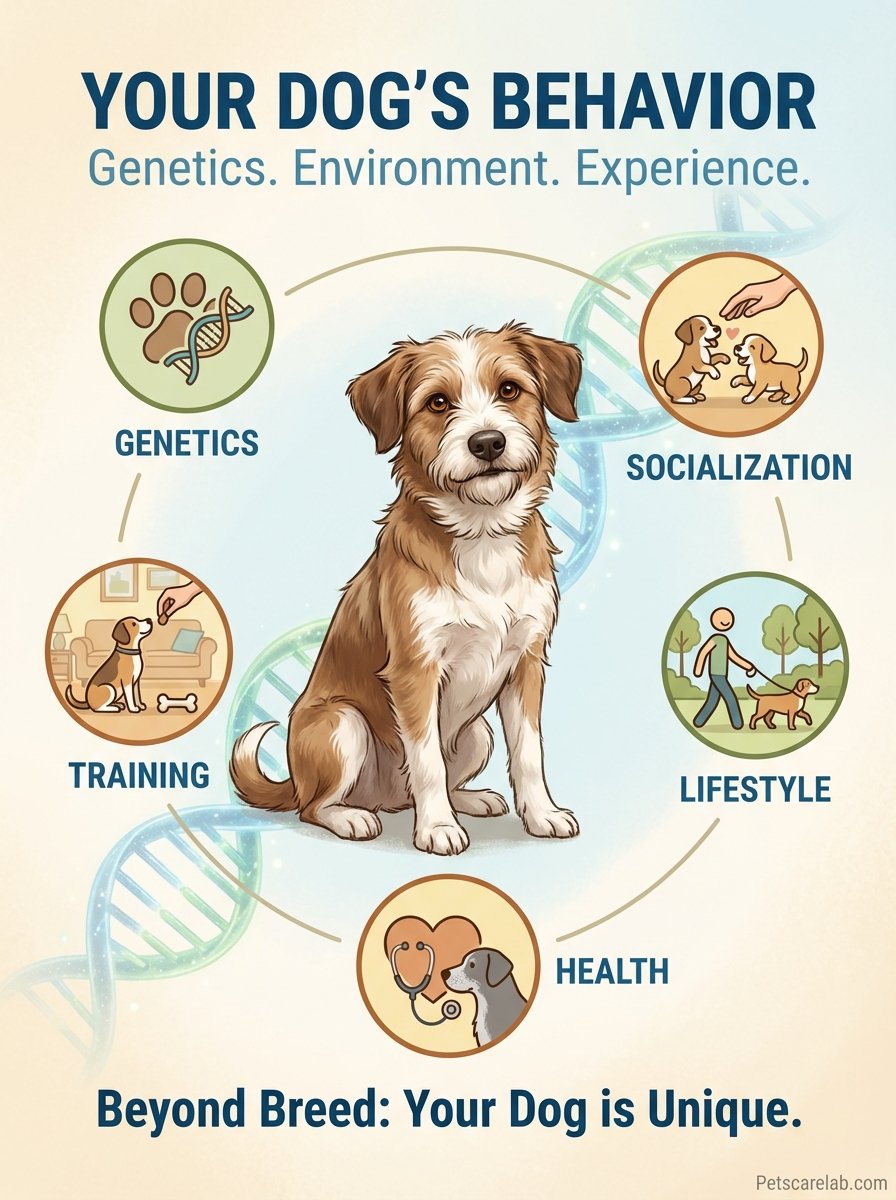
When you ask our team at Petscarelab if a dog’s breed truly affects its behavior, the answer is a resounding “Yes!” There’s no doubt that dog breed behavior is influenced by genetics. As veterinary specialists often point out, all species have strong genetic components shaping their actions, and dogs are no exception. Look at different breeds, and you’ll see a world of behavioral differences, all rooted in their DNA.
However, the link between a dog’s breed and its behavior is more complex than a simple “this breed acts this way.” It doesn’t always predict how an individual pup will think or react. Let’s dive into why breed plays a role and what other pieces contribute to that fascinating puzzle we call dog behavior.
How Breed Shapes Behavior
Humans developed dog breeds for specific jobs. Think about it: breeders carefully chose dogs with traits perfectly suited for those roles. Over many generations, this selective breeding intensified certain behaviors and physical features within each breed.
Our experts explain that when humans picked dogs for different tasks, they were essentially selecting for behaviors. That’s why each breed developed its own unique set of actions. For example, Border Collies excel at herding because they have a strong, innate instinct to gather and control movement. We know this is a genetic trait because it runs in their bloodlines and is far more common in some breeds than others.
Here’s a glimpse at how these breed-specific traits show up:
- Herding breeds (like Border Collies, Australian Shepherds): They show strong herding instincts, sometimes nipping at heels, circling, and having an intense desire to round things up.
- Hunting/Sporting breeds (like Beagles, Labrador Retrievers): Often boast a super-sensitive nose, a high drive to chase, and a love for bringing things back.
- Terriers (like Jack Russell Terriers, Yorkshire Terriers): Bred to hunt pests, they’re typically feisty, tenacious, and have a powerful urge to dig.
- Working breeds (like German Shepherds, Rottweilers): Known for their smarts, strength, and trainability, they often shine in roles like protection, search and rescue, or police work.
- Companion breeds (like Poodles, Cavalier King Charles Spaniels): Often bred for cuddles and friendship, they usually adapt well to indoor living and love to please their people.

While these traits are common within breeds, not every single dog will display them with the same intensity. Your individual pup might be an outlier!
What Else Influences Individual Behavior?
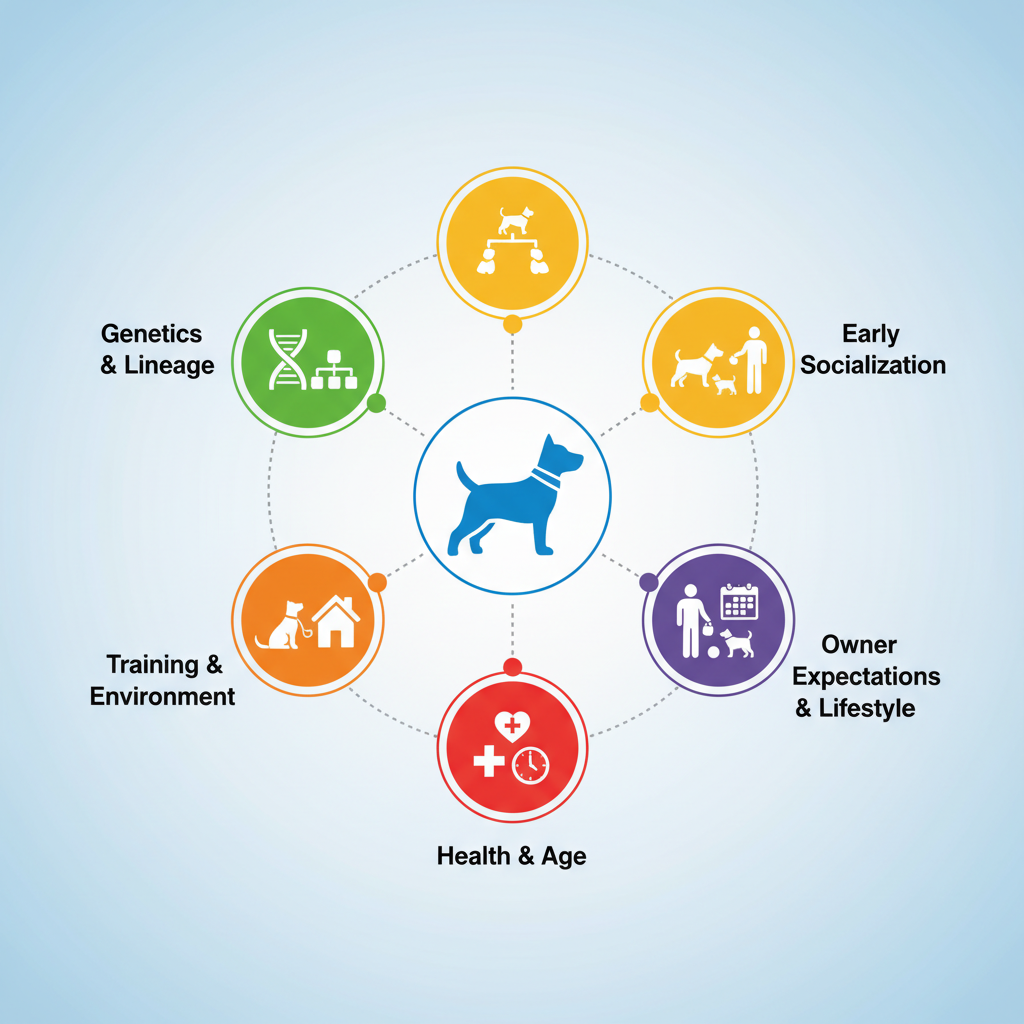
Even though breed gives us a genetic blueprint for certain behavioral tendencies, it’s not the only thing that makes your dog who they are. Lots of other factors shape an individual pup’s personality and actions.
Genetics and Lineage
Even within the same breed, you’ll see big behavioral differences because of genetic variations between individual dogs. A dog’s specific family tree within a breed also plays a part in its behavior.
For instance, a Labrador Retriever from a line of champion field trial dogs might have a higher drive and more energy than a Lab from a line bred mostly for dog shows.
Early Socialization
A puppy’s development from about 3 to 16 weeks old is incredibly important. During this time, it’s crucial for them to experience all sorts of sights, sounds, people, and other animals. This helps them grow into a well-adjusted dog.
- Positive experiences: These teach a puppy to feel confident and comfortable in different situations.
- Lack of socialization: This can lead to fear, anxiety, or even aggression later in life, no matter what breed they are.
Training and Environment
Consistent, positive reinforcement training is a huge part of shaping your dog’s behavior. A home that offers plenty of exercise, mental games, and clear boundaries also helps them behave well.
As our experts might say, “If you have a herding breed and don’t give them an outlet for their instincts, they might try to herd your kids or other pets!” Training can help channel those natural urges in healthy ways.
A dog’s living situation – how much space they have, what new things they encounter, and how consistent their daily routine is – all impact how they act.
Owner Expectations and Lifestyle
An owner’s understanding of a breed’s typical traits and their ability to provide the right lifestyle are key. For example, a high-energy dog like a Border Collie will struggle in a quiet home without enough mental and physical activity. This can lead to destructive habits or anxiety.
Health and Age
Your dog’s health can significantly change how they behave. Pain, discomfort, or brain conditions can cause sudden shifts in temperament, aggression, or a tendency to withdraw. Just like us, dogs change as they age. Senior dogs might experience cognitive decline, leading to confusion, altered sleep patterns, or increased grumpiness.
The Trouble with Breed Stereotypes
While a breed can suggest certain tendencies, relying only on stereotypes to guess an individual dog’s behavior can be misleading and truly unfair.
Our team emphasizes that “Breed stereotypes are problematic because they don’t account for individual differences. Just because a dog is a Pit Bull doesn’t mean it’s aggressive, and just because a dog is a Golden Retriever doesn’t mean it’s friendly.”
Here’s why breed stereotypes cause problems:
- They oversimplify: Stereotypes ignore the huge variety of personalities you find within any single breed.
- They misjudge: This leads to unfair assumptions about a dog’s temperament, which can result in discrimination (like breed-specific laws) or unfair biases in shelters.
- They ignore other factors: Stereotypes overlook the powerful influence of socialization, training, and the environment.
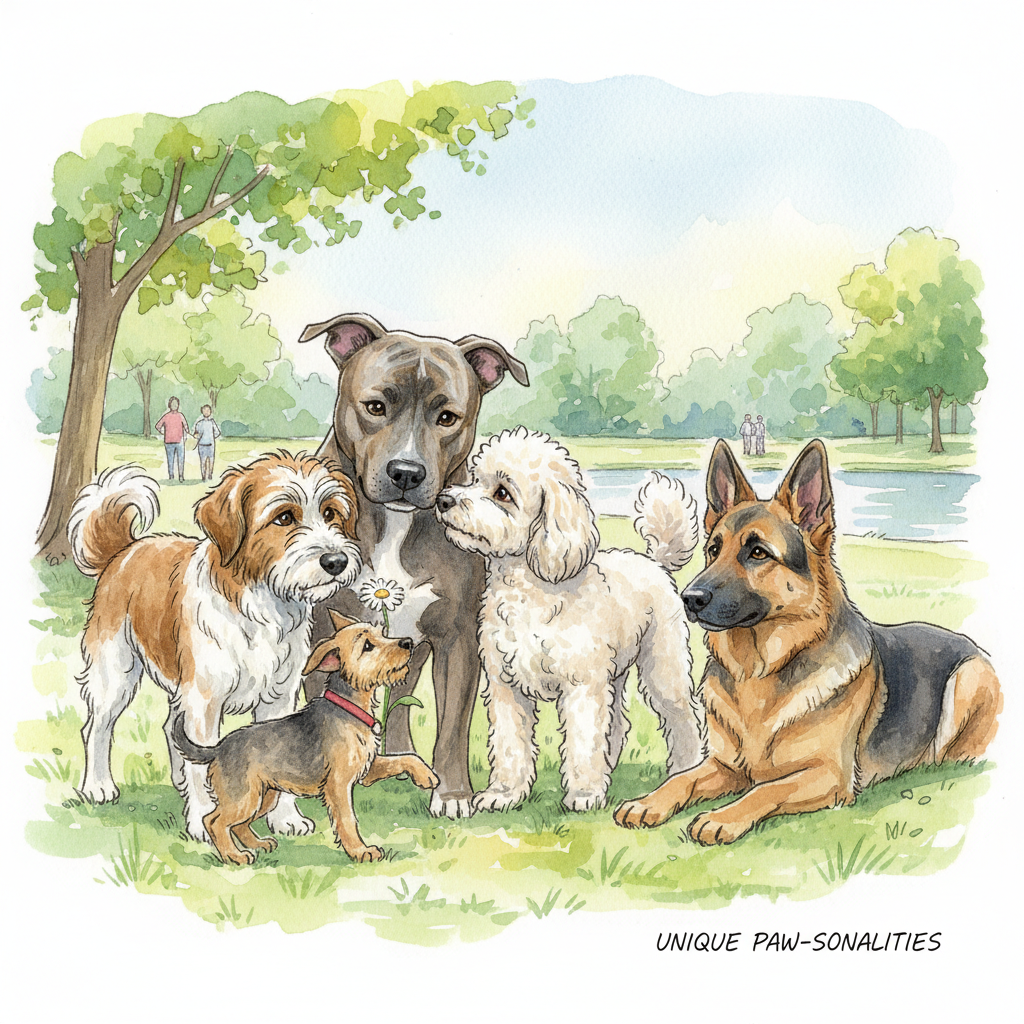
“Every dog is unique,” our experts remind us. “Their behavior comes from a complex mix of their genetics, environment, and all the experiences they’ve had. It’s so important to get to know each dog for who they really are, instead of making assumptions based on their breed.”
So, Does Dog Breed Behavior Really Matter?
Yes, dog breed behavior absolutely matters because selective breeding over many generations has enhanced specific genetic traits. But it’s not the only thing. A dog’s individual behavior is a complex dance between several factors:
- Genetics: The natural leanings they inherited from their breed and family line.
- Early socialization: What they learned and experienced during crucial developmental stages.
- Training and environment: Consistent guidance, mental stimulation, and appropriate living conditions.
- Owner expectations: Whether you can meet your dog’s specific needs.
- Health and age: Their physical well-being and stage of life.
Understanding how breed influences behavior helps you make smart choices when it comes to dog ownership. However, it’s vital to look past stereotypes and appreciate each dog as a one-of-a-kind individual. Focusing on being a responsible owner, providing proper training, and ensuring comprehensive socialization will create a well-adjusted and happy companion, no matter what breed they are.