
Understanding Common French Bulldog Health Issues
Your French Bulldog is more than just a pet; they’re a beloved member of your family. These charming, snorty companions bring so much joy, but their unique squishy faces and compact bodies also make them prone to certain French Bulldog health issues. Knowing what to watch for can help you give your pup the best possible care, ensuring they live a happy, full life.
Brachycephalic Obstructive Airway Syndrome (BOAS)
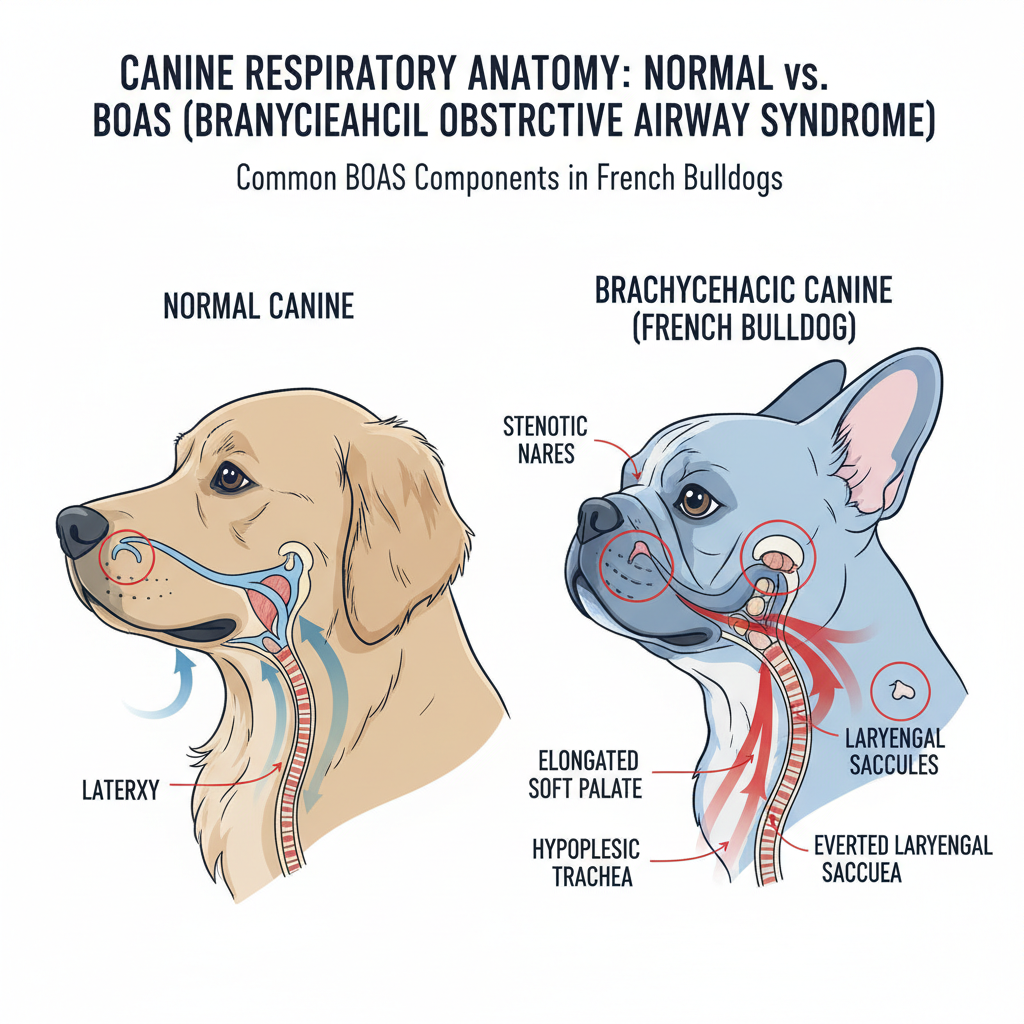
That adorable flat face your Frenchie sports? It’s a hallmark of a “brachycephalic” breed, meaning “short-headed.” While it gives them their signature look, it also means their airways are often crowded. Think of it like trying to breathe through a very narrow straw. This condition, called Brachycephalic Obstructive Airway Syndrome (BOAS), covers a range of anatomical quirks that make breathing tough for short-nosed pups. Their soft tissues inside their mouth and throat just didn’t shrink in proportion to their skull, leaving little room for air to pass.
Common BOAS issues include:
- Stenotic nares: Their nostrils are pinched tight, restricting airflow with every breath.
- Elongated soft palate: The soft tissue at the back of their mouth stretches too far into the throat, partly blocking their windpipe.
- Hypoplastic trachea: Their windpipe itself might be unusually narrow.
- Everted laryngeal saccules: Tiny tissues near their voice box get sucked inward by the effort of breathing, causing even more blockage.
Watch for These BOAS Symptoms
Symptoms can be subtle at first, then get worse:
- Loud, noisy breathing – lots of snorting and snoring, even when awake.
- Gagging or retching, especially after they’ve been active or excited.
- They get tired quickly during play or walks.
- Struggling in the heat because panting doesn’t cool them down well.
- In severe cases, their gums or tongue might look bluish. This means they’re not getting enough oxygen and needs immediate attention.
- Sudden collapse.
Treating BOAS
Treatment options depend on how severe your pup’s BOAS is:
- Weight management: Help your Frenchie stay at a healthy weight. Extra pounds put more strain on their breathing.
- Keep them cool and calm: Avoid hot weather and really strenuous exercise, which can make their breathing struggles much worse.
- Surgery: Our veterinary specialists often recommend surgery to fix these anatomical issues. This might mean widening their nostrils, shortening their soft palate, or removing those pesky everted laryngeal saccules. Early surgery usually gives the best results.
Intervertebral Disc Disease (IVDD)
If you have a French Bulldog, you should know about IVDD. This is a common spinal condition in the breed. Their genes make them prone to discs in their spine degenerating early. These discs normally cushion the vertebrae (the bones in their back). When a disc bulges or herniates, it can press on the spinal cord, causing excruciating pain, weakness, or even paralysis.
Watch for These IVDD Symptoms
Symptoms can pop up suddenly and vary depending on where the disc problem is:
- Back or neck pain – they might yelp when you touch them or hesitate to move.
- Weakness in their back legs, making them drag their paws or walk unsteadily.
- “Knuckling” – walking on the tops of their paws instead of the pads.
- Difficulty jumping on the couch or climbing stairs.
- Losing control of their bladder or bowels.
- In severe cases, complete paralysis.
Treating IVDD
Treatment options include:
- Conservative management: For mild cases, your vet might recommend strict crate rest, along with pain medications and anti-inflammatory drugs.
- Surgery: If the case is severe or conservative treatment doesn’t work, surgery can remove the herniated disc material and relieve pressure on the spinal cord.
- Rehabilitation: After surgery or conservative treatment, physical therapy, hydrotherapy (water therapy), and even acupuncture can help your pup recover strength and mobility.
Hemivertebrae
Hemivertebrae is a condition French Bulldogs can be born with. It means one or more of their vertebrae are malformed, shaped like a wedge instead of a cylinder. This can cause their spine to curve or become unstable, leading to neurological problems. Their famous “screw tails” are actually a mild form of hemivertebrae!
Watch for These Hemivertebrae Symptoms
Symptoms depend on how severe the malformation is and where it’s located:
- Mild to severe back pain.
- Weakness or clumsiness in their back legs.
- Struggling to jump or climb.
- Peeing or pooping accidentally.
- Paralysis in very serious cases.
Treating Hemivertebrae
- Conservative management: For mild cases, vets focus on pain relief and anti-inflammatory medications.
- Surgery: If the hemivertebrae are pressing significantly on the spinal cord, surgery might be needed to stabilize the spine or relieve that pressure.
Patellar Luxation
Often called a “slipping kneecap,” patellar luxation is an orthopedic issue common in small dogs like French Bulldogs. It happens when their kneecap dislocates from its normal groove in the thigh bone. This can be due to their genes, an injury, or abnormal bone development.
Watch for These Patellar Luxation Symptoms
- An intermittent limp or a “skipping” gait, where they suddenly pick up a leg for a few steps.
- They might hold the affected leg up for a moment before putting weight on it again.
- While many dogs don’t seem to show much discomfort, some will show pain.
- Difficulty jumping or climbing.
- In severe, long-term cases, their legs might look bowed.
Treating Patellar Luxation
- Conservative management: For mild cases, keeping your pup at a healthy weight, giving joint supplements, and controlled, gentle exercise can help.
- Surgery: For moderate to severe cases, surgery is often the best option. It aims to deepen the groove where the kneecap sits, realign the patellar tendon, or correct other bone issues.
Skin Fold Dermatitis
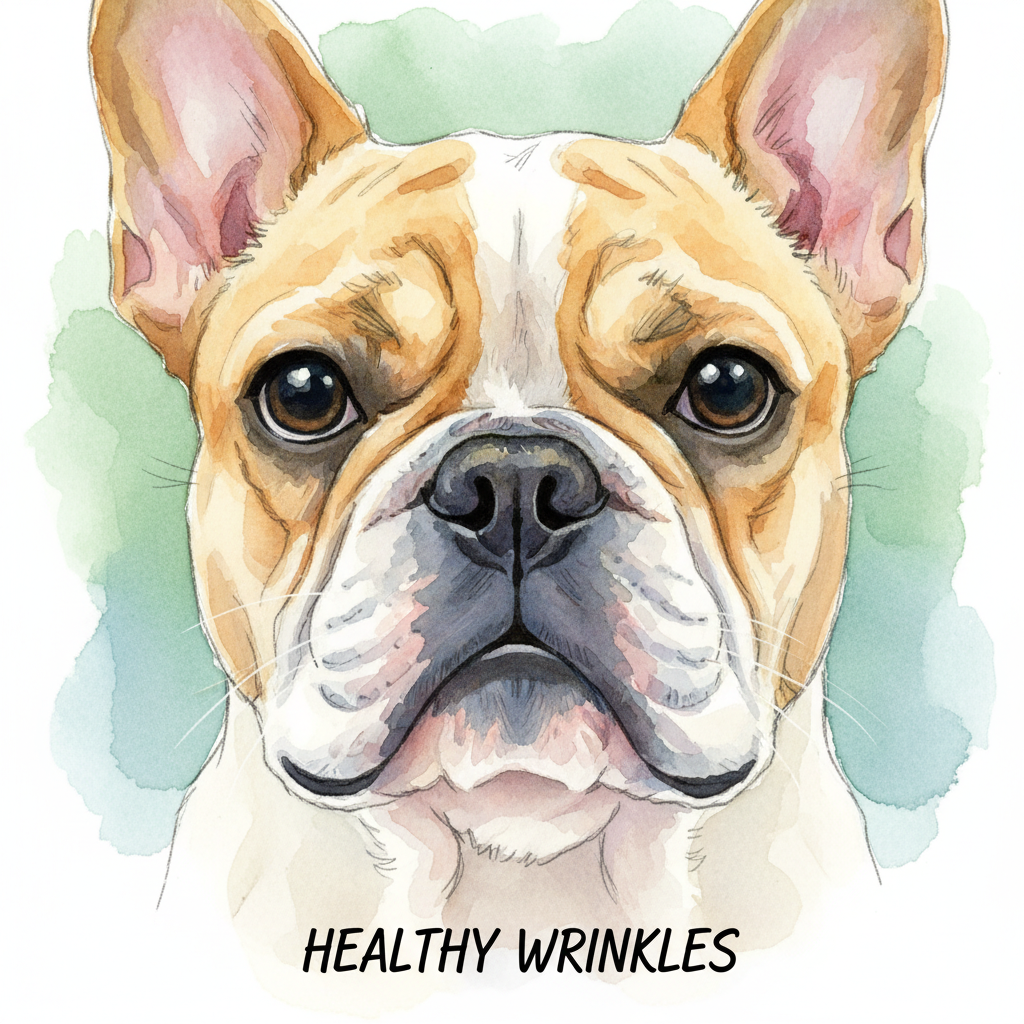
Those adorable wrinkles on your Frenchie’s face and body? They’re super cute, but they can also be a magnet for trouble. Moisture, dirt, and bacteria love to hide in those warm, damp crevices, leading to irritation and infection. This common problem is called skin fold dermatitis or pyoderma.
Watch for These Skin Fold Dermatitis Symptoms
- Redness and inflammation deep within their skin folds.
- A foul odor coming from their wrinkles.
- Itching or obvious discomfort.
- Dampness or discharge.
- Hair loss in the affected areas.
Treating Skin Fold Dermatitis
- Regular cleaning: You’ll need to clean and thoroughly dry their skin folds daily with a mild antiseptic solution or medicated wipes.
- Topical medications: Medicated shampoos, creams, or ointments containing antibiotics, antifungals, or anti-inflammatory agents can help.
- Oral medications: For more severe infections, your vet might prescribe oral antibiotics or antifungals.
- Surgery: In some extreme cases where infections keep coming back, surgically removing excessive skin folds (like a facial fold lift) might be an option.
Allergies
French Bulldogs often struggle with allergies, just like people do. These can be environmental allergies (to things like pollen or dust mites), food allergies, or flea allergy dermatitis.
Watch for These Allergy Symptoms
- Intense itching! You’ll see them scratching, licking, or chewing their paws, sides, or ears constantly.
- Red, inflamed skin patches.
- Ear infections that keep coming back.
- Skin infections that pop up because of all the scratching.
- If it’s a food allergy, they might also have tummy troubles like vomiting or diarrhea.
Treating Allergies
- Find and avoid the trigger: The first step is to figure out what’s causing the allergy and remove it. This might mean a special hypoallergenic diet for food allergies or strict flea control.
- Medications: Antihistamines, corticosteroids, or newer medications like Apoquel or Cytopoint can help control the itching and inflammation.
- Medicated shampoos and topical treatments: These can soothe irritated skin and help treat any secondary infections.
- Immunotherapy: For environmental allergies, your vet might suggest allergy shots or drops to help your pup build tolerance.
Ear Infections
While French Bulldogs have those iconic upright “bat ears,” their inner ear anatomy can still make them prone to ear infections (otitis externa). Allergies are a very common reason these infections keep coming back.
Watch for These Ear Infection Symptoms
- Lots of head shaking.
- Constantly scratching at their ears.
- Redness and inflammation inside the ear canal.
- A strong, foul odor coming from their ears.
- Discharge that can be waxy, pus-like, or dark brown.
- They might cry out in pain when you touch their ears.
Treating Ear Infections
- Veterinary exam: Your vet needs to figure out what kind of infection it is – bacterial, yeast, or mites.
- Ear cleaning: You’ll need to clean their ears regularly with a vet-approved cleanser.
- Topical medications: Ear drops often contain antibiotics, antifungals, or corticosteroids to fight the infection and reduce inflammation.
- Oral medications: For severe or chronic infections, oral antibiotics or antifungals might be necessary.
- Address the root cause: It’s crucial to treat any underlying issues, like allergies, to prevent future infections.
Eye Conditions
French Bulldogs can struggle with several different eye conditions that can cause discomfort or even affect their vision.
- Cherry Eye (Protrusion of the Nictitating Membrane Gland): This happens when the gland of their third eyelid pops out, looking like a little red cherry in the inner corner of their eye.
- Symptoms: A visible red mass in the eye, tearing, and irritation.
- Treatment: Surgical repositioning of the gland is needed.
- Entropion: Their eyelids roll inward, causing eyelashes to constantly rub against the delicate surface of their eye (the cornea).
- Symptoms: Tearing, squinting, pain, and potentially serious corneal ulcers.
- Treatment: Surgical correction is typically required.
- Distichiasis: Eyelashes grow from unusual spots on their eyelid margin, often irritating the cornea.
- Symptoms: Tearing, squinting, and irritation.
- Treatment: Surgical removal of these errant lashes.
- Corneal Ulcers: These are open sores on the eye’s surface, often caused by trauma, entropion, or dry eye.
- Symptoms: Squinting, pain, tearing, redness, and a cloudy appearance in the eye.
- Treatment: Requires topical antibiotics, pain medication, and sometimes surgery for deeper ulcers.
Heat Stroke
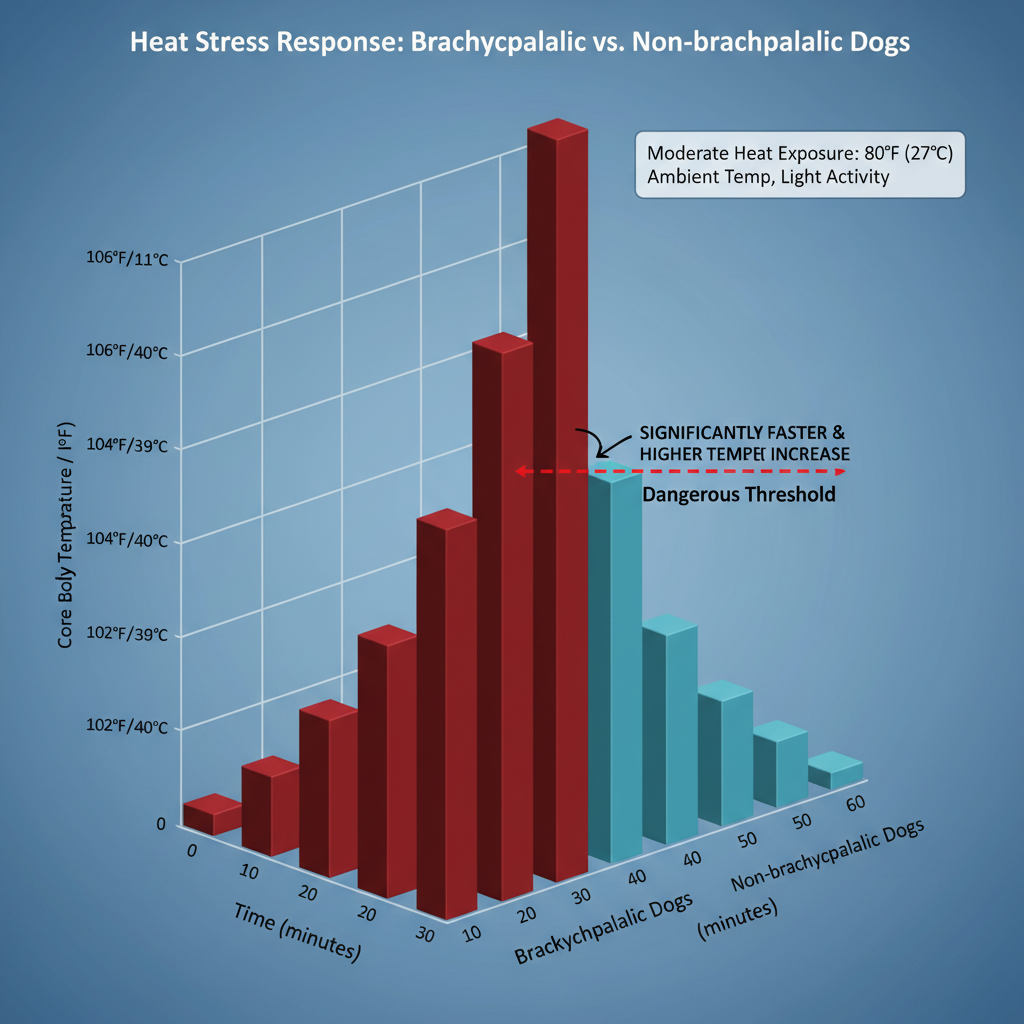
Your French Bulldog is especially vulnerable to heat stroke. Their brachycephalic airway makes it incredibly hard for them to cool down effectively by panting. Even a warm day can become dangerous quickly.
Watch for These Heat Stroke Symptoms
- Excessive panting and heavy drooling.
- Gums that are bright red or unusually pale.
- Vomiting and diarrhea.
- Weakness, staggering, or looking disoriented.
- Collapse.
- Seizures.
- An elevated body temperature (over 104°F).
Treating Heat Stroke
Heat stroke is a serious emergency! If you suspect your Frenchie has heat stroke, immediately move them to a cool, shaded area. Offer small sips of water. Start cooling them down by placing wet towels on their body, especially around their neck, armpits, and groin, and using a fan. Then, get them to a vet right away.
General Health and Wellness Tips for Your French Bulldog
While French Bulldogs face some specific French Bulldog health issues, you can do a lot to help manage or even prevent many of them. Being proactive makes a huge difference!
- Regular vet visits: These check-ups are essential for catching potential problems early, when they’re easiest to treat.
- Smart weight management: Keep your Frenchie at a healthy weight to reduce strain on their joints and, critically, their respiratory system.
- Good dental care: Regular teeth cleaning prevents dental disease, which can impact their overall health.
- Consistent grooming: Daily cleaning of their adorable skin folds, regular ear cleaning, and nail trims are a must.
- Temperature control is key: Always avoid overheating, especially when the weather warms up. Keep them in air conditioning on hot days.
- Gentle exercise: Moderate, regular playtime and walks are great, but never push them to overexert themselves.
- High-quality diet: Feed them a balanced diet that suits their age, activity level, and specific needs.
- Consider pet insurance: With so many potential health concerns, pet insurance can be a lifesaver, helping cover the costs of unexpected veterinary treatments.