

Invisible Fence for Dogs: Your Guide to Keeping Pups Safe and Sound
Many dog owners dream of giving their pups the freedom to roam a yard without the visual clutter of a big fence. That’s where an invisible fence for dogs comes in. But what exactly are these systems, and are they the right fit for your furry friend? Let’s dive in.
What’s an Invisible Fence for Dogs, Anyway?
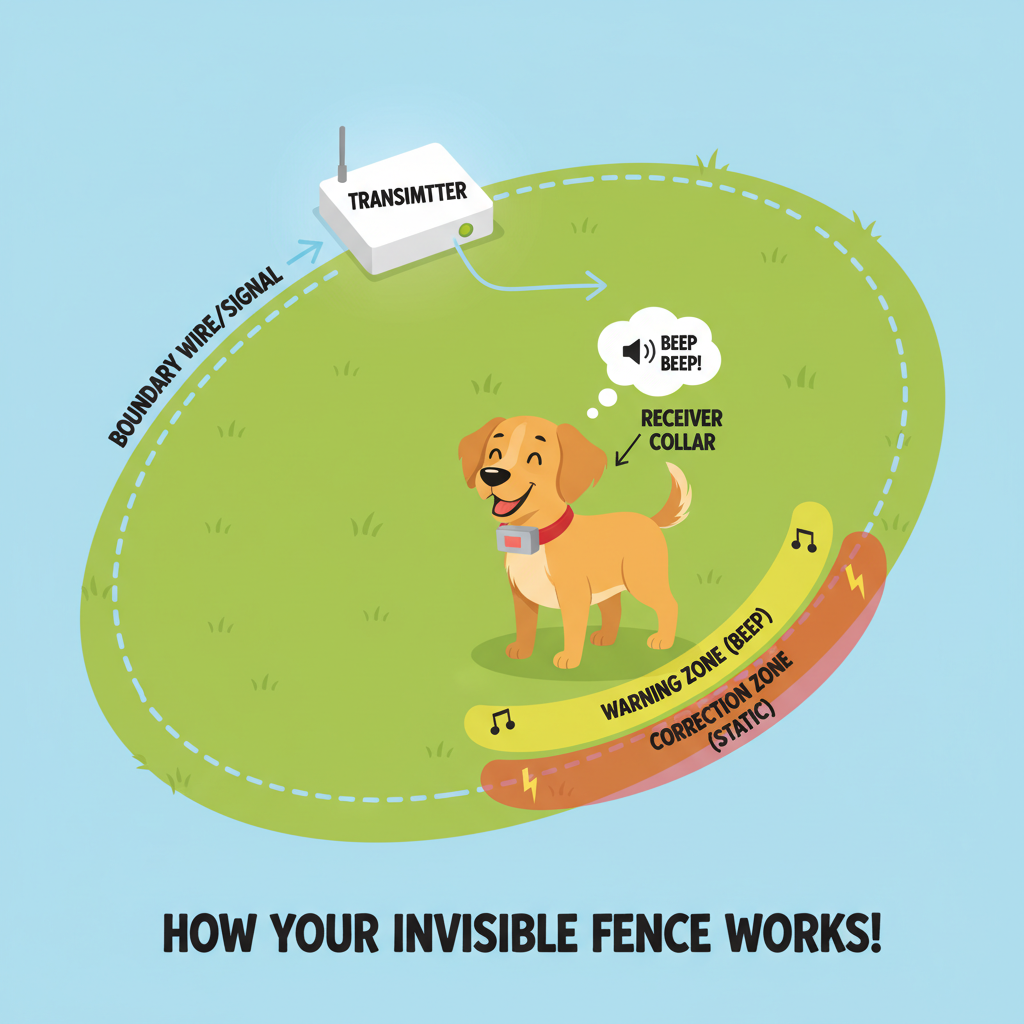
An invisible fence, also called an electronic or wireless fence, is a smart way to keep your dog safely within a designated area. Unlike solid fences you can see, these systems use buried wires or a wireless transmitter, a special collar your dog wears, and a clear training plan to create a “safe zone.”
Here’s how it generally works: As your dog gets close to the boundary line, their collar gives off a beeping sound as a warning. If they keep going or step across that line, the collar delivers a mild static correction. Think of it like a little zap of static electricity – it’s startling, not painful. This gentle reminder teaches your dog to respect the boundary and stay put.
Different Kinds of Invisible Fences
You’ll usually find two main types of invisible fences for dogs: wired and wireless.
Wired Invisible Fences
Wired systems need you to bury a wire around the exact perimeter you want your dog to stay within. This wire connects to a transmitter that sends out a radio signal. When your dog, wearing their receiver collar, approaches that buried wire, the collar picks up the signal and delivers either a warning beep or that mild static correction.
Why people like wired fences:
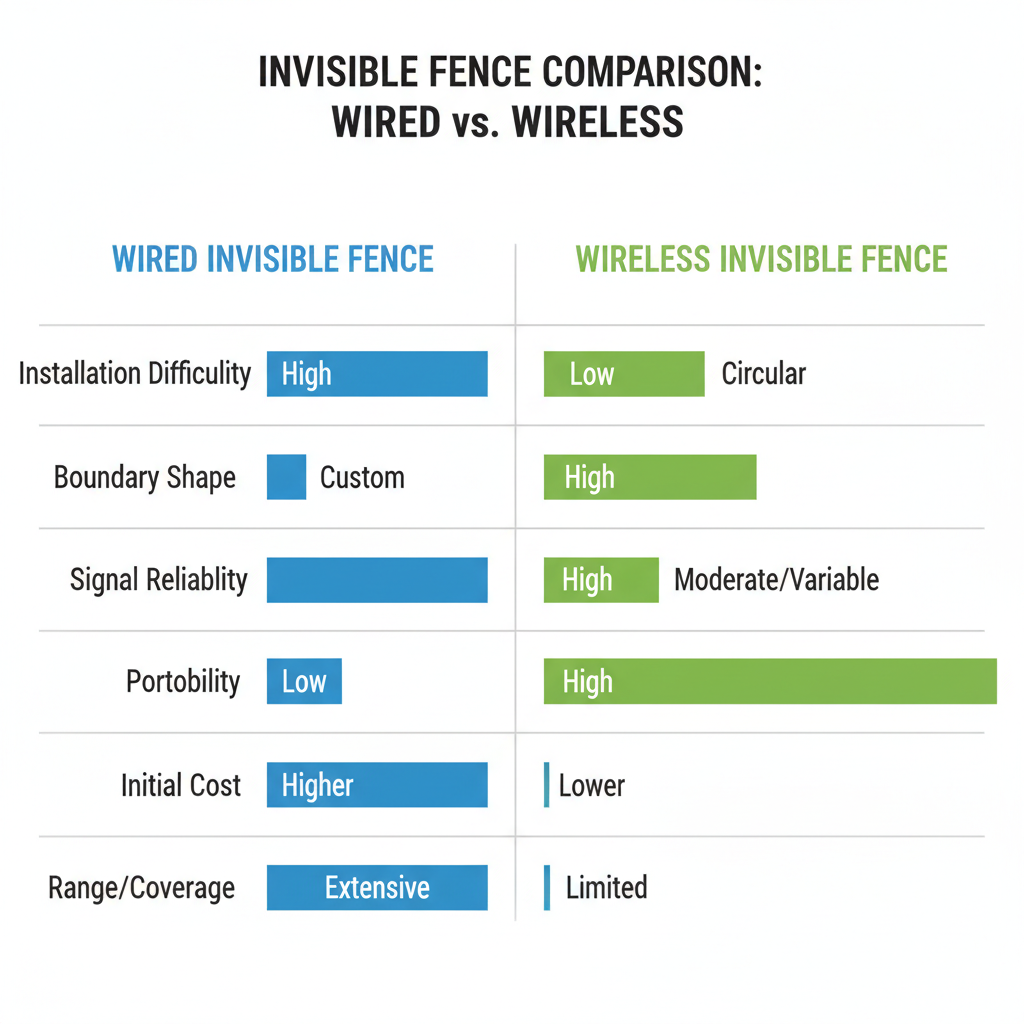
- Totally custom boundaries: You can shape your dog’s play area however you like, whether it’s a small patch or several acres.
- Super reliable signal: Because the wire’s buried, it usually gives a strong, consistent signal without much interference.
- Built to last: Once you install a wired fence, it’s generally a long-term solution.
Things to think about with wired fences:
- Installation is a project: Getting a wired fence set up means digging a trench to bury that wire, which can be a lot of work.
- Can be pricey: While DIY kits exist, professional installation can definitely add up.
- Might need repairs: Wires can get damaged by digging, landscaping, or even bad weather, meaning you might have to fix them later.
Wireless Invisible Fences
Wireless invisible fences create a round boundary that extends out from a central transmitter. This transmitter sends out a radio signal, and your dog’s collar senses when they’re nearing or leaving that specific zone.
Why people like wireless fences:
- Easy setup: No digging here! Just plug in the transmitter, set your boundary, and you’re good to go.
- You can move it: These systems are great for travel or if you need a temporary containment solution since they’re so portable.
- Budget-friendly: Wireless systems are often cheaper than wired ones, especially if you install it yourself.
Things to think about with wireless fences:
- Always a circle: The boundary is always circular, which might not be perfect for every yard shape or if you want to keep your dog out of a specific spot, like a garden.
- Signal can be tricky: Things like metal sheds, thick trees, or bumpy terrain can mess with wireless signals, leading to “dead spots” or an inconsistent boundary.
- Shorter range: Wireless systems usually don’t cover as much ground as their wired counterparts.
Training Your Dog for an Invisible Fence
For an invisible fence to truly work well and be fair to your dog, good training is absolutely essential. It’s usually a step-by-step process:
- Introduce the collar: Have your dog wear the special collar for a few days without turning it on. This lets them get used to how it feels.
- Teach the boundary: Use small flags to mark the boundary, then walk your dog on a leash around the edge. When they get close to a flag, let the collar give its warning beep (but no static yet). Immediately pull them away from the boundary and praise them generously for staying in the safe zone.
- Add the static correction: Once your dog clearly understands the warning beep, slowly introduce the static correction at a very low level. If they approach the boundary and get the correction, immediately call them back to you and give them lots of praise for returning. Never, ever force them across the boundary line.
- Practice off-leash: Little by little, give your dog more freedom within the fenced area, but always keep a close eye on them. Keep reinforcing good behavior with treats and praise.
- Be consistent: Everyone in your household needs to follow the same training steps. Consistency is key for your dog to learn quickly.
The Good and Bad of Invisible Fences
Just like any containment system, invisible fences have their upsides and downsides.
The Good:
- Looks nice: No big fence blocking your view, so your yard’s aesthetic stays intact.
- Freedom to explore: Gives your dog more space to roam safely compared to being tied up.
- Can save you money: Often cheaper than putting up a traditional fence, especially for big properties.
- Tailored boundaries (with wired systems): Wired fences let you create very specific shapes for your dog’s play area.
The Bad:
- No physical barrier: This means other animals can still wander into your yard, and people can still approach your dog.
- Needs active training: Success relies heavily on you putting in the time and effort for consistent, proper training.
- Potential for escape: A determined dog might “power through” the static correction, especially if they’re startled or chasing something exciting.
- Power outages: These systems need electricity, so if the power goes out, they stop working.
- Could create bad feelings: If not trained correctly, your dog might start associating the static correction with being in the yard itself, rather than just the boundary.
- Not for every dog: Some dogs, especially those with a strong hunting instinct or anxiety, might not do well with an invisible fence.
Are Invisible Fences Really Safe?
When you install and use them correctly, along with proper training, invisible fences are generally considered safe. The static correction is designed to be a surprise and a little uncomfortable, but not to cause actual harm. However, there are a few things to keep in mind:
- Emotional stress: Some sensitive or anxious dogs might get stressed, scared, or confused by the static correction.
- Injury if they escape: If a dog does run through the correction and gets out, they could be in danger from cars or other hazards.
- Uneven correction: If the equipment isn’t working right or there’s signal interference, your dog might get inconsistent corrections, which can be confusing and stressful.
Always supervise your dog closely during the initial training. Make sure the correction level is just right for your dog’s size and personality. If you notice signs of a lot of stress or fear, talk to a professional dog trainer or your vet.

Other Options Besides Invisible Fences
If an invisible fence doesn’t seem like the best choice for your dog or your situation, here are some other ideas:
- Traditional fences: These provide a solid, visible barrier that keeps your dog in and other animals out.
- Leash walks and long lines: A great way for your dog to get exercise and explore safely with you right there.
- Dog runs or kennels: Enclosed spaces perfect for temporary containment, especially for outdoor playtime.
- Professional dog training: If your dog tends to escape, a good trainer can help address those behavioral issues.
- Pet sitters or dog walkers: They can provide exercise and supervision when you can’t be there yourself.
How Much Does an Invisible Fence Usually Cost?
The price tag for an invisible fence can vary a lot, depending on the type, brand, features, and whether you go with a DIY kit or professional installation.
- DIY Kits (Wired or Wireless): You can often find these for $150 to $500. They typically include the transmitter, the collar, the wire (for wired systems), and boundary flags.
- Professional Installation (Wired Systems): This is where costs can really climb, from $1,000 to $2,500 or more. The price depends on your property size and how complicated the installation is. This usually covers the equipment, the labor to bury the wire, and some initial training help.
- Extra Collars: If you have more than one dog, extra receiver collars usually run $50 to $200 each.
- Batteries/Subscriptions: Some collars need replacement batteries (a few dollars to $20 per pack), while others are rechargeable. Some fancy systems might even have optional subscription services for GPS tracking or extended warranties.
Don’t forget to factor in potential repair costs for wired systems if that buried wire ever gets damaged.
Can cats use invisible fences?
While they’re mostly made for dogs, some companies do offer invisible fence systems adapted for cats. These often use smaller, lighter collars and a very gentle correction. However, many cat owners feel traditional cat enclosures (like “catios”) or leash training are kinder and more practical for keeping their kitties safe outdoors.
How long does it take for a dog to learn an invisible fence?
Training for an invisible fence usually takes about 2 to 4 weeks of consistent, daily practice. Some dogs might catch on faster, while others could need more time and patience, especially if they’re a bit stubborn or easily distracted. It’s super important to stick to the training plan and not try to rush things.
What happens if the power goes out?
If your power goes out, wired invisible fences hooked up to an electrical outlet will stop working because the transmitter won’t have power to send the signal. Some systems offer battery backup options for the transmitter to give temporary power during outages. Wireless systems also rely on electricity for their main transmitter. It’s smart to have a backup plan (like a leash or a temporary run) for your dog during any power loss.
Can an invisible fence hurt my dog?
When you install and use it correctly, following the manufacturer’s directions, and with good training, an invisible fence is designed to give a mild, surprising static correction – not to cause harm. However, if you use it improperly, set the correction level too high, or skip proper training, it can cause psychological stress, fear, or anxiety in sensitive dogs. Physically, the static correction itself is generally considered safe. If you’re worried about how your dog is reacting, definitely chat with your vet or a professional dog trainer.
The Bottom Line
An invisible fence for dogs can be a really effective and visually appealing way to contain your pup, especially if you have a larger yard. But remember, how well it works truly depends on proper installation, consistent training, and understanding your dog’s unique personality. If your dog has a high prey drive, tends to be anxious, or is likely to just “run through” the correction, a traditional physical fence or other alternatives might be a safer, better choice. Always put your dog’s safety and well-being first when picking out any containment system.