

Understanding and Managing Fear Aggression in Dogs
Seeing your beloved dog suddenly snap, lunge, or growl out of fear can be heartbreaking and confusing. Understanding fear aggression in dogs is the first step to helping your furry friend feel safe and secure. This isn’t about your dog being “mean”; it’s their way of saying, “I’m scared and need to protect myself,” often triggered by new people, other pups, or unfamiliar places.
What Is Fear Aggression in Dogs?
Imagine being so terrified that your only option feels like lashing out. That’s essentially what happens with fear aggression in dogs. It’s a powerful survival instinct, not a sign of a “bad” dog. Your pup feels cornered, threatened, or overwhelmed, and reacts defensively because they believe it’s their only way out. In fact, it’s one of the most common types of aggression veterinary specialists see.
What makes a dog feel so scared? It could be many things, like:
- New Faces: Unfamiliar people, uniformed individuals, even children.
- Other Pups: Dogs they don’t know, or even certain sizes or breeds.
- Strange Places: A new park, moving to a new house, or the vet’s office.
- Loud Sounds: Thunderstorms, fireworks, or even the dreaded vacuum cleaner.
- Unusual Objects: That mail carrier’s truck, a baby stroller, or a whizzing bicycle.
Signs of Fear Aggression in Dogs
Spotting the early signs of fear aggression in dogs is vital, because these subtle cues can quickly escalate if your dog’s fear isn’t understood and addressed. Think of these as your dog’s quiet pleas for help before they feel forced to make a louder statement.
Look out for these initial signs of fear:
- Body Language Cues: Ears pinned back, tail tucked tight, cowering low to the ground, trying to shrink themselves down. You might also see lip licking, yawning (when not tired), turning their head away, avoiding eye contact, trembling, dilated pupils, or panting even when they aren’t hot or exercising.
- Sounds They Make: Soft whines, low growls, sharp barks, or even mournful howls.
- Behavior Shifts: Hiding away, desperately trying to escape a situation, or refusing their favorite treat.
If these early warnings go unnoticed, your dog’s fear can build, leading to more obvious aggressive actions like:
- Snapping
- Lunging forward
- Actual biting
You might also notice their “hackles raised” – that’s when the hair along their back stands up, a clear sign they feel threatened.

Causes of Fear Aggression in Dogs
What makes a dog develop fear aggression? It’s rarely just one thing; usually, it’s a mix of experiences and inherited traits. Our team at Petscarelab knows that understanding these roots is key to helping your pup.
Here are some common reasons dogs become fearful and aggressive:
- Not Enough Socializing: Pups who don’t meet many different people, animals, and places during those crucial early weeks (around 3 to 16 weeks old) often grow up more prone to fear-based reactions.
- Bad Experiences: A history of abuse, neglect, or a really scary event can deeply traumatize a dog, leading to fear aggression.
- It’s in Their Genes: Just like people, some dogs are simply born more anxious or fearful due to their breed or family history.
- Hidden Pain or Sickness: A dog in constant pain or feeling unwell might become irritable and reactive, lashing out because they can’t express their discomfort in other ways.
- Getting Older: As dogs age, their brains can change, leading to more confusion, anxiety, and heightened fear.
- Specific Health Issues: Conditions like an underactive thyroid (hypothyroidism) or certain brain disorders can sometimes be behind a dog’s fearful behavior.
Diagnosing Fear Aggression in Dogs
If you suspect your dog has fear aggression, your first stop should be your vet’s office. Diagnosing this isn’t a quick fix; it requires a deep dive into both your pup’s physical health and their behavioral history.
Your vet will thoroughly examine your dog to rule out any hidden medical issues that could be causing or worsening their aggression. They might run blood tests, urine tests, and other checks to make sure your dog isn’t reacting out of pain or illness.
They’ll also ask you plenty of questions about your dog’s behavior, such as:
- When did you first notice this aggression?
- What situations or things seem to set your dog off?
- How often does it happen?
- What exactly does your dog *do* when they’re aggressive?
- What have you tried to do so far to help?
Our team at Petscarelab always suggests keeping a detailed journal of your dog’s behavior. Jot down when incidents happen, what happened right before, and how your dog reacted. This log can be a huge help for your vet in spotting patterns and triggers.
Sometimes, your vet might even recommend working with a veterinary behaviorist or a certified professional dog trainer for a more in-depth evaluation and specialized guidance.
Treatment for Fear Aggression in Dogs
Tackling fear aggression in dogs means looking at the whole picture. We need to help your pup feel less afraid *and* teach them new ways to react besides aggression. It’s a journey that often combines several strategies.
Behavioral Modification
Behavior modification is at the heart of helping your dog conquer their fears. These techniques gently guide your pup to feel safer in situations that once terrified them.
Here’s how we approach it:
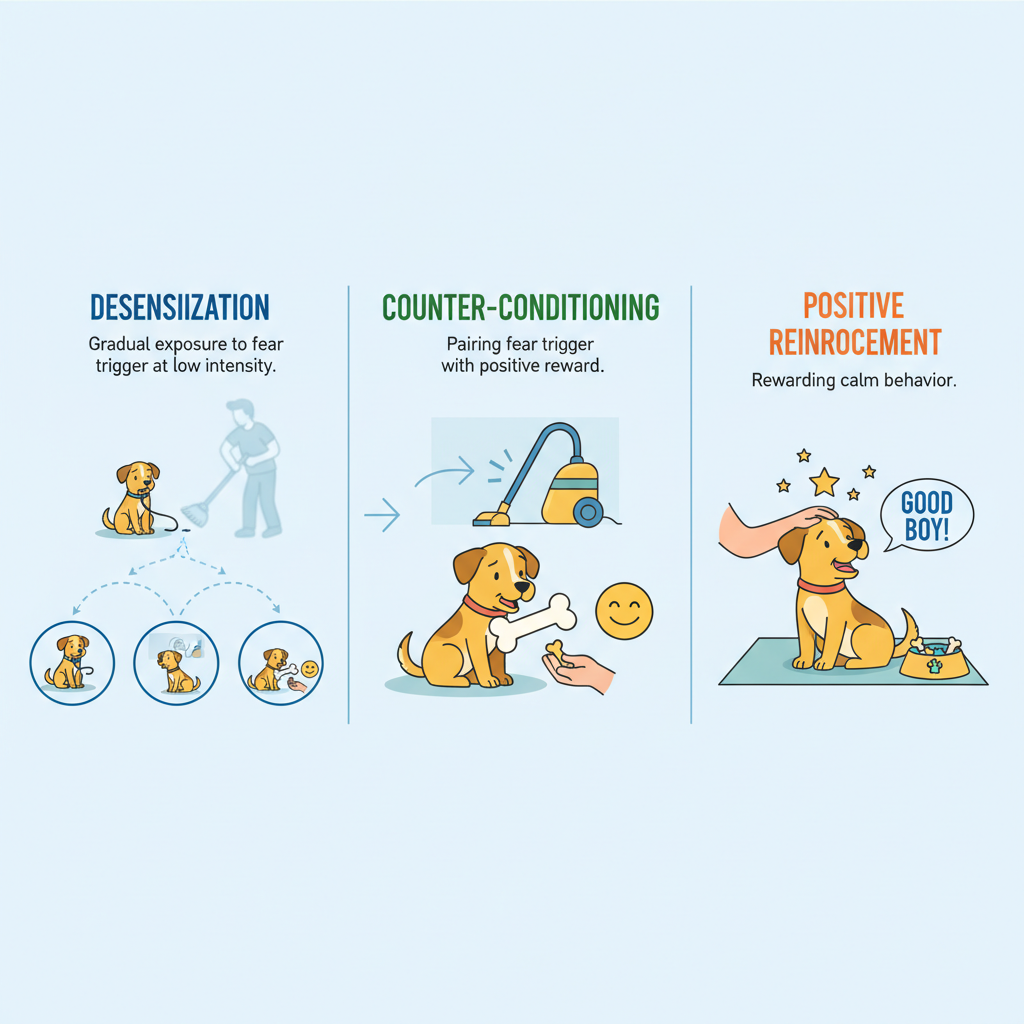
- Desensitization: This is like slowly turning down the volume on your dog’s fear. We gradually introduce them to what scares them, but at such a low level that they barely notice it, helping them learn to tolerate it without panic.
- Counter-conditioning: Here, we change your dog’s feelings about a scary thing by pairing it with something wonderful – think yummy treats or enthusiastic praise. Over time, the scary thing starts to predict good things instead of fear.
- Positive Reinforcement: We always reward your dog for staying calm and choosing non-aggressive reactions. This makes those good behaviors more likely to happen again!
It’s crucial to work with a qualified pro, like a certified professional dog trainer or a veterinary behaviorist, to build a safe and effective plan tailored just for your dog.
Medication
Sometimes, especially when fear is overwhelming your dog’s life or making them a danger, medication can be a lifeline. It helps dial down their anxiety and fear, allowing them to be more receptive to training.
Your vet might suggest medications like:
- Antidepressants: These, like fluoxetine or clomipramine, can help calm anxious feelings and improve overall mood over time.
- Anxiety Relievers: Drugs such as alprazolam or trazodone can offer quicker, short-term relief from acute anxiety.
- Gabapentin: Originally for seizures, this medication also has a wonderful calming effect.
Remember, medication is almost always used alongside behavioral modification and *only* prescribed and carefully monitored by your vet.
Environmental Management
Managing your dog’s surroundings is another huge piece of the puzzle for pups dealing with fear aggression.
Consider these steps:
- Set Up a Safe Zone: Give your dog their own quiet, cozy den – a place they can escape to when the world feels too big or scary.
- Steer Clear of Triggers: Once you know what sets your dog off, do your best to avoid or minimize their exposure to those specific fears.
- Try Calming Helpers: Things like pheromone diffusers, snug calming vests, or certain supplements can sometimes make a big difference in reducing overall anxiety.
Training
Basic obedience training does more than just teach manners; it builds your dog’s confidence and gives *you* practical tools to gently guide their behavior. Always stick to positive reinforcement methods – think treats and praise – and *never* use punishment. Harsh methods will only make a fearful dog more anxious and more aggressive.
Euthanasia Considerations
No pet parent ever wants to consider this, but in very rare, truly severe cases of fear aggression in dogs, when all other efforts have failed and a dog poses an unavoidable danger to others, euthanasia might tragically become the only option. This is an incredibly painful decision, one that should always be made in deep consultation with your veterinarian and a veterinary behaviorist, exploring every possible avenue first.
Recovery and Management of Fear Aggression in Dogs
Helping a dog with fear aggression isn’t a quick fix; it’s a marathon, not a sprint. It demands enormous patience, unwavering consistency, and a long-term commitment from you. But seeing your dog gain confidence and feel safer is worth every effort!
To help your dog thrive, focus on these ongoing strategies:
- Keep Up the Behavioral Work: Regularly practice those desensitization and counter-conditioning techniques. This isn’t a one-and-done deal.
- Manage Medication Wisely: If your dog is on medication, stick precisely to your vet’s instructions and attend all follow-up appointments. It’s a partnership with your veterinary team.
- Maintain a Safe Space: Keep your dog’s environment predictable and secure. Avoid unnecessary stressors.
- Never Stop Training: Continue to reinforce those positive behaviors and keep building your dog’s self-assurance through gentle training.
- Lean on the Pros: Stay connected with your vet and any behavior professionals you’re working with. Their ongoing guidance is invaluable.