Fourth of July Pet Safety Tips
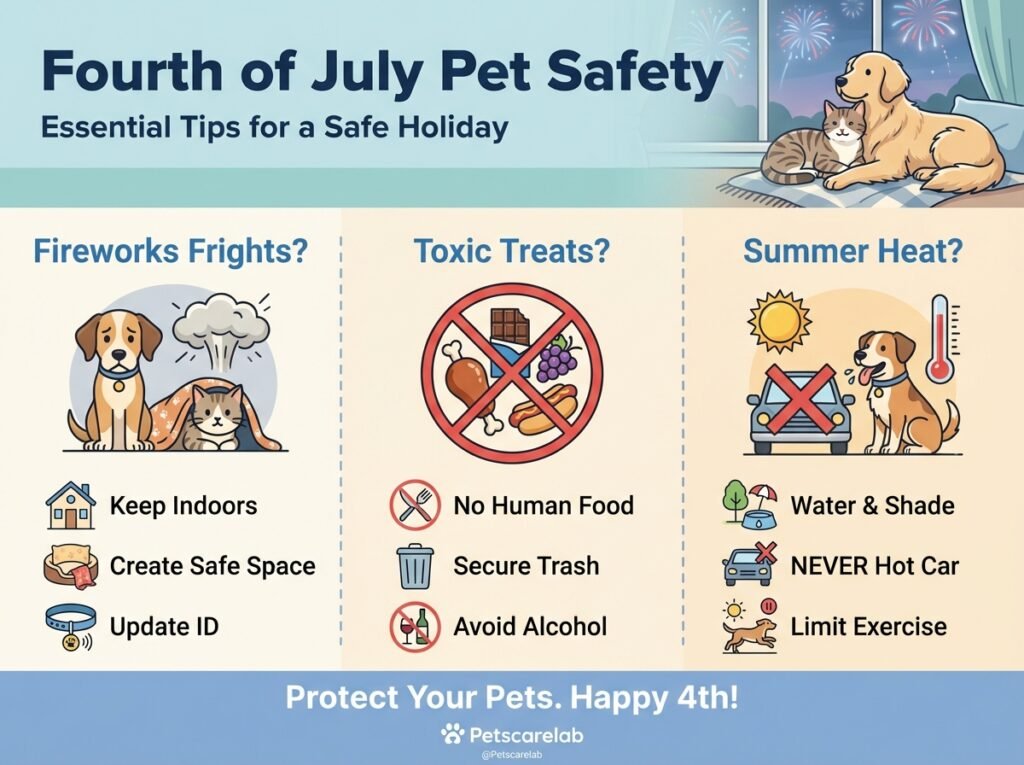
The Fourth of July is a time for backyard barbecues, parades, and dazzling fireworks, but for our furry family members, it can quickly become a terrifying and even dangerous day. Protecting your beloved dog or cat during these festivities requires some thoughtful Fourth of July pet safety planning. From startling noises to tempting forbidden foods, many common holiday elements pose serious risks to our pets.
Fireworks & Your Pet: Keeping Them Safe and Calm
Fireworks displays are by far the biggest source of stress for most pets on the Fourth of July. The sudden, booming explosions and bright flashes can send even the calmest pup or kitty into a panic. This often leads to pets running away in fear, putting them at risk of injury or getting lost. In fact, more pets go missing on the Fourth of July than any other day of the year.
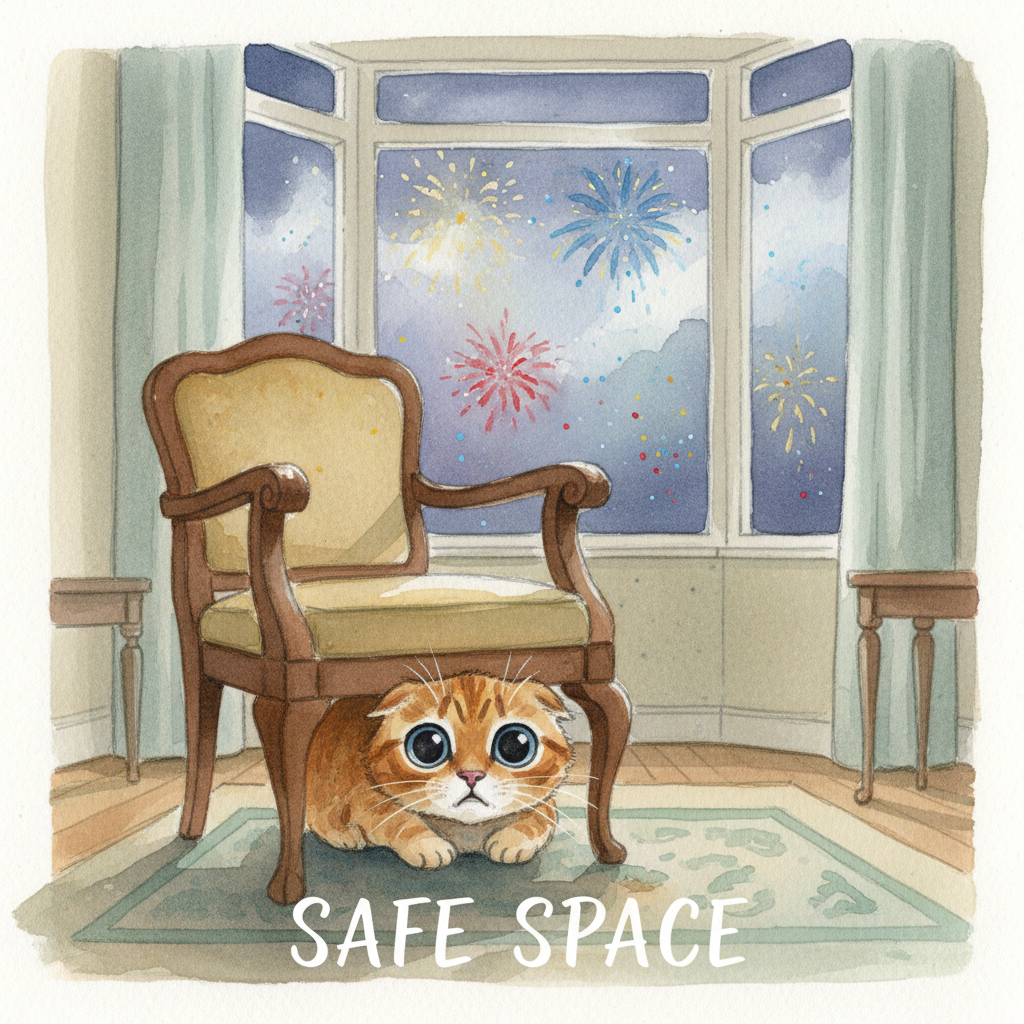
Here’s how to keep your pet secure during fireworks:
- Keep pets indoors. This is the most crucial step you can take. Even if your dog usually loves being outside, the unpredictable chaos of fireworks can easily overwhelm them. Don’t risk it; bring them inside well before dusk.
- Create a comfy, safe haven. Designate a quiet, interior room for your pet. Close the windows and draw the curtains to muffle sounds and block those bright, sudden flashes. Make it extra cozy with their favorite bed, a few familiar toys, and a bowl of fresh, sparkling water. Playing some calming music or white noise can also help mask the booms and crackles from outside.
- Talk to your vet about anxiety solutions. If your pet gets particularly distressed by loud noises, chat with your trusted veterinary specialist. They might suggest calming aids like thunder shirts, specific calming supplements, or even prescription medications for severe anxiety.
- Update ID and microchip info. Make absolutely sure your dog or cat wears a collar with up-to-date ID tags. If they have a microchip, double-check that your contact information is current. This is their ticket home if they somehow manage to escape.
- Get those walks and playtime in early. Take your dog for a good, long walk and let your cat play outdoors before fireworks displays even think about starting. This way, they can relieve themselves and burn off some energy before the noise begins, reducing the need for them to go outside while the celebration is in full swing.
- Never, ever take your pet to a fireworks display. Even if you think your pet is a champion of calm, the overwhelming noise and lights at a fireworks show are simply too much for them. Keep them home where they feel safe and loved.
- Stay close to your pet. If you can, make time to be with your pet during the fireworks. Your presence alone can provide a huge amount of comfort and reassurance. Just being there can make a world of difference.
- Don’t tie your pet up. If your pet is startled and tries to flee while they’re tied, they could seriously hurt themselves, sometimes with devastating consequences.
Fourth of July Food & Drink Pet Safety
Backyard barbecues and festive picnics are a big part of Fourth of July fun, but many common holiday foods and drinks are dangerous for pets.
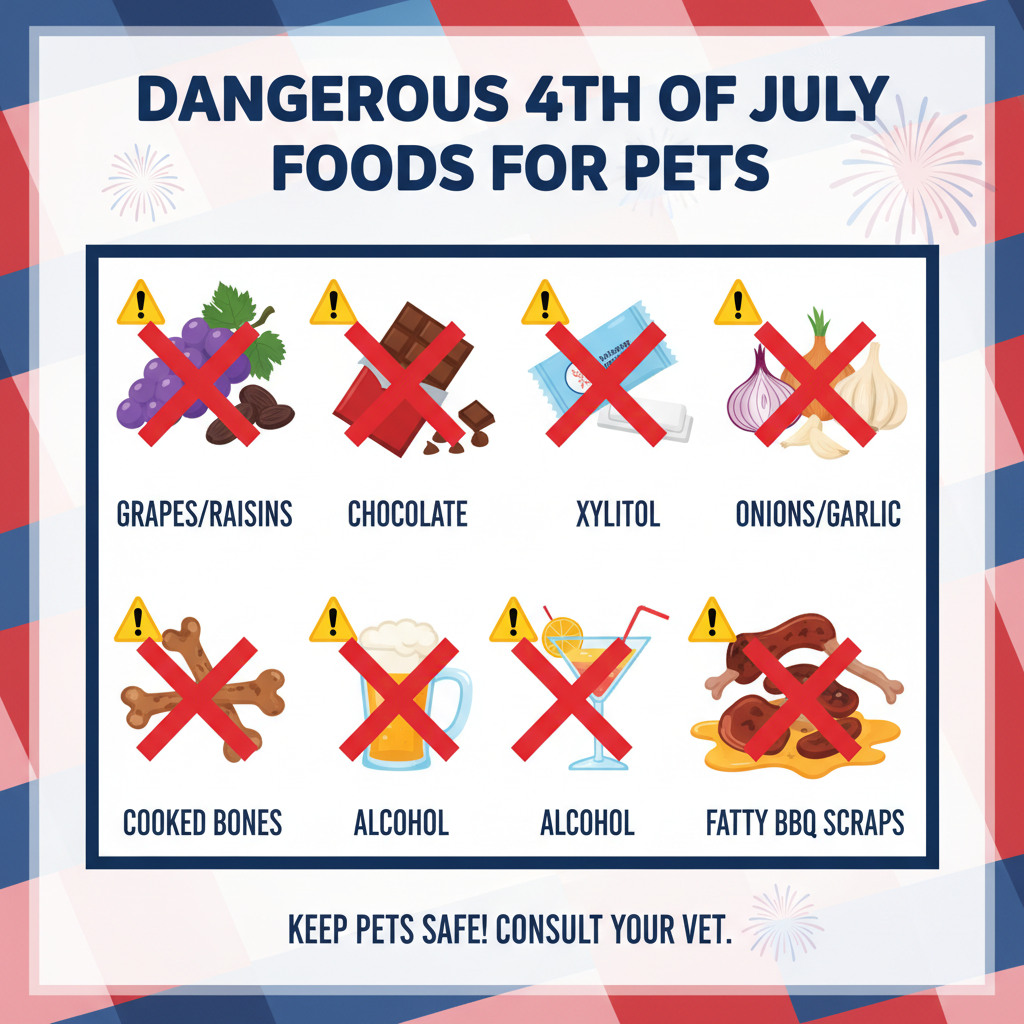
To keep your pet safe from harmful holiday treats:
- Keep pets away from alcohol. Even a tiny sip of alcohol can be toxic to pets. It can cause vomiting, diarrhea, tremors, trouble breathing, and even be fatal. Keep alcoholic beverages out of reach.
- Secure those trash cans. Pets are notorious for raiding trash cans, especially when they’re brimming with tempting leftovers. Make sure all trash cans, inside and out, are sealed tight and totally inaccessible to your curious companions.
- Watch out for BBQ scraps. Cooked bones can splinter and cause severe internal damage. Fatty foods like hot dogs and burgers can trigger pancreatitis, a painful and serious condition. Keep your pets away from the grill and picnic tables, and store all food properly.
- Be hyper-vigilant with certain snacks. Grapes, raisins, onions, garlic, and avocado are toxic to pets. Chocolate and xylitol (a common sugar substitute found in many sugar-free products) are also highly dangerous. Keep these items far out of paws’ reach.
- Never leave food unattended. A curious dog or cat can get into big trouble in mere seconds if food is left within their reach. Always keep an eye on food and drinks, especially when you have guests over.
- Store lighter fluid and matches safely. These items contain chemicals that are poisonous if ingested. Tuck them away in a secure, inaccessible spot.
Preventing Heatstroke: Hot Weather Pet Safety
The Fourth of July often brings sweltering summer weather, and pets are extremely vulnerable to heatstroke, particularly during outdoor activities.
Protect your pet from the dangers of heatstroke:
- Provide plenty of fresh water. Ensure your pet always has access to cool, clean water, especially if they’re spending any time outdoors. Consider putting out several water bowls around your yard.
- Offer ample shade. If your pet is outside, make sure they have a cool, shady spot where they can escape the sun’s scorching rays. A big tree, a patio umbrella, or a covered porch can provide much-needed relief.
- Never leave pets in a parked car. This is non-negotiable. Even on a mildly warm day, the temperature inside a car can skyrocket to deadly levels in minutes, causing heatstroke and death. It’s a death trap. Don’t do it.
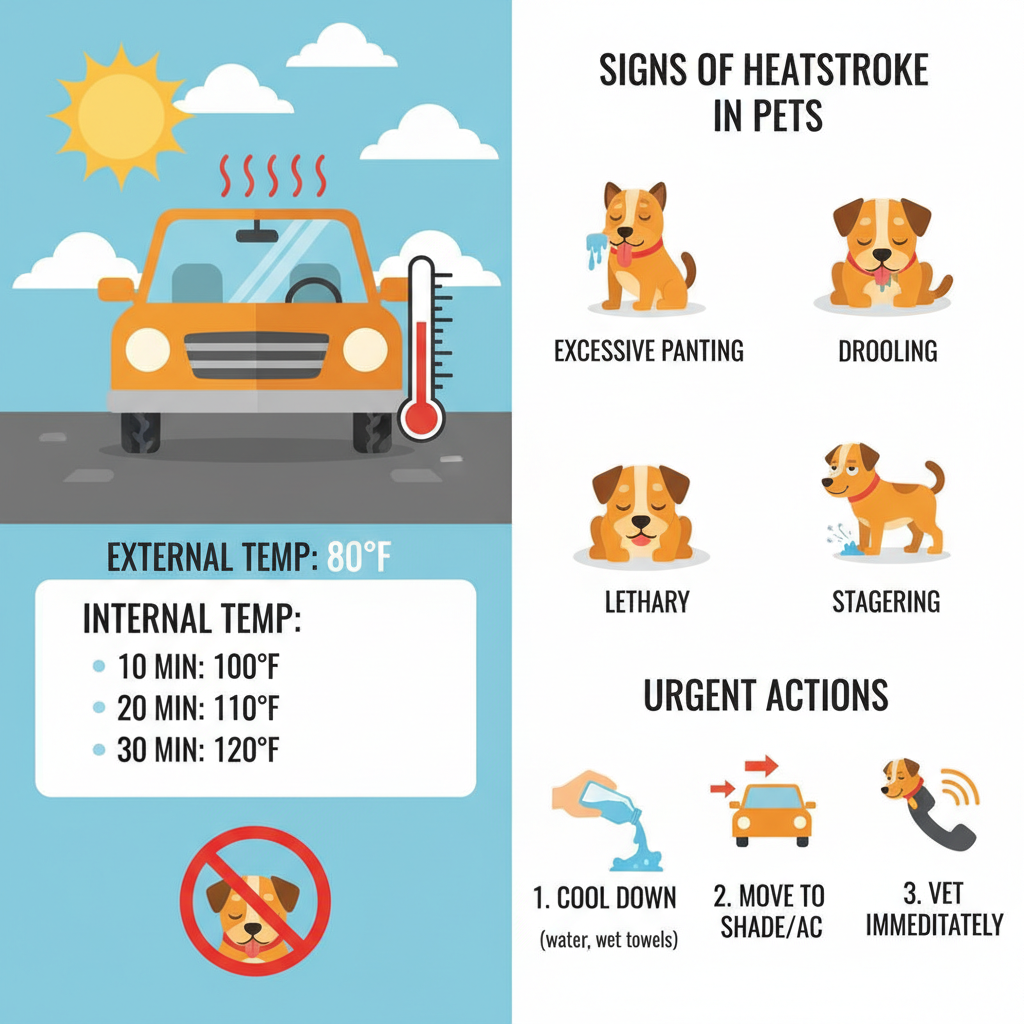
- Limit exercise during peak heat. Avoid strenuous exercise during the hottest parts of the day. Instead, take your dog for walks in the early morning or late evening when temperatures are much cooler.
- Know the signs of heatstroke. Look out for excessive panting, drooling, lethargy, weakness, vomiting, and staggering. If you suspect your pet has heatstroke, move them to a cool place immediately, offer water, and contact your emergency vet without delay.
General Pet Safety Tips for a Stress-Free Holiday
The Fourth of July typically means lots of guests, decorations, and a break from your pet’s normal routine – all of which can be stressful and potentially dangerous.
Here are a few general tips to keep your pet safe:
- Be careful with decorations. Some shiny, crinkly, or colorful decorations can be tempting for pets to chew on or swallow. Keep glow sticks, confetti, small flags, and other potentially harmful items out of reach.
- Brief your guests. If you’re hosting a party, politely remind guests not to give your pet human food or leave gates and doors open. Ask them to be mindful of your pet’s presence and comfort.
- Stick to their routine. Try your best to maintain your pet’s regular feeding, walking, and playtime schedule. This consistency can help reduce stress during a bustling holiday.
- Keep a pet first aid kit handy. Have a well-stocked pet first aid kit readily available, especially if you’re traveling or spending lots of time outdoors. You never know when you might need it.
By following these essential Fourth of July pet safety guidelines, you can help ensure your furry companions have a safe, calm, and happy holiday while you enjoy the festivities. Our team at Petscarelab wishes you and your pets a joyful and protected celebration!