9 Clear Signs Your Dog Needs More Exercise
Does your pup act like a little monster, constantly barking, digging up your prize-winning petunias, or chewing your favorite shoes to shreds? You might think they're just "bad," but our team at Petscarelab knows these aren't signs of naughtiness. Far from it, these are classic signs your dog needs more exercise. Every dog, no matter their age or breed, needs daily physical and mental activity to be happy and healthy. Without enough, they can get bored, stressed, and even develop real health and behavior problems.
How Much Exercise Does Your Dog Really Need?
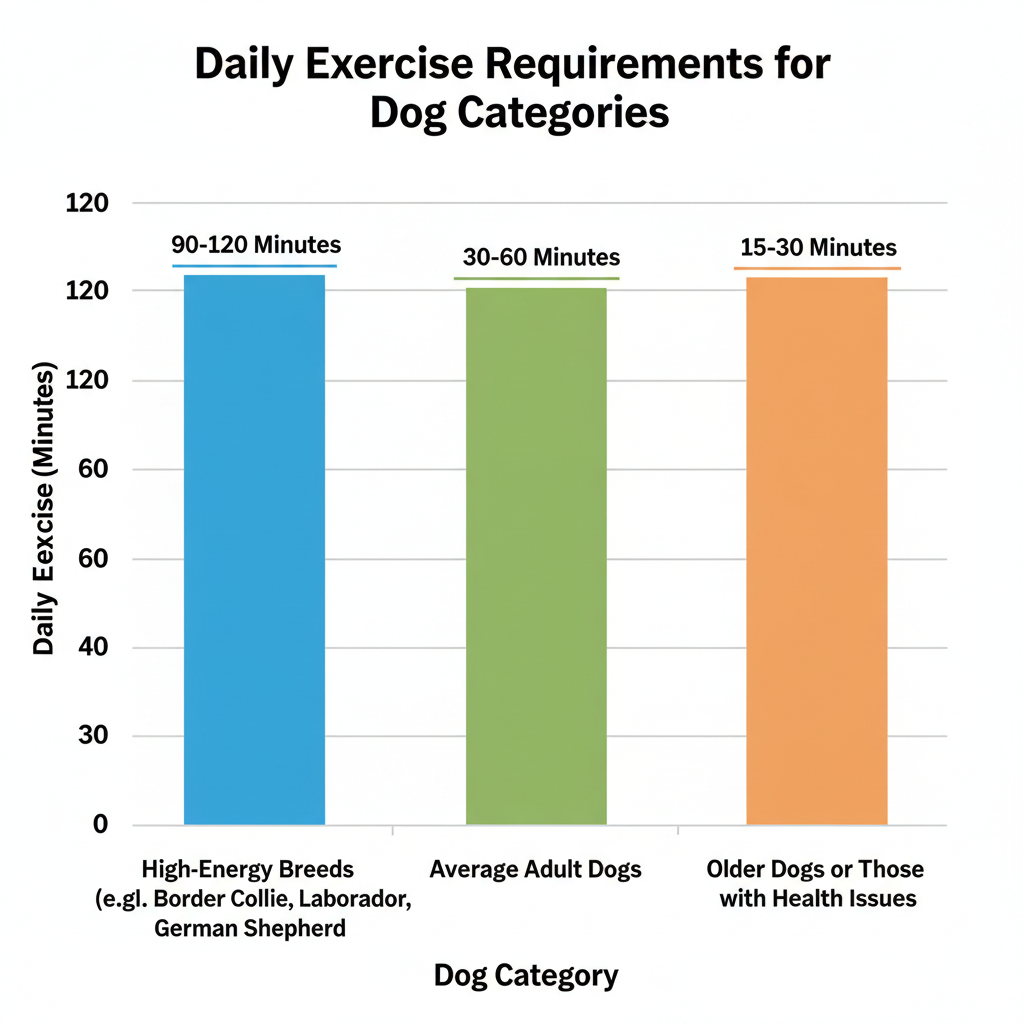
Just like us, every dog is an individual. How much exercise your pup needs changes a lot based on their breed, how old they are, their size, and their general health. For an adult dog, this usually means anywhere from 30 minutes to two hours of activity each day. If you have a super high-energy breed like a Border Collie, Labrador, or German Shepherd, they might need even more time to run and play. On the flip side, older dogs or those with health issues will do better with shorter, gentler activities. Whatever your dog's personal needs, daily movement is absolutely vital for them to thrive.
Top Signs Your Dog Needs More Exercise
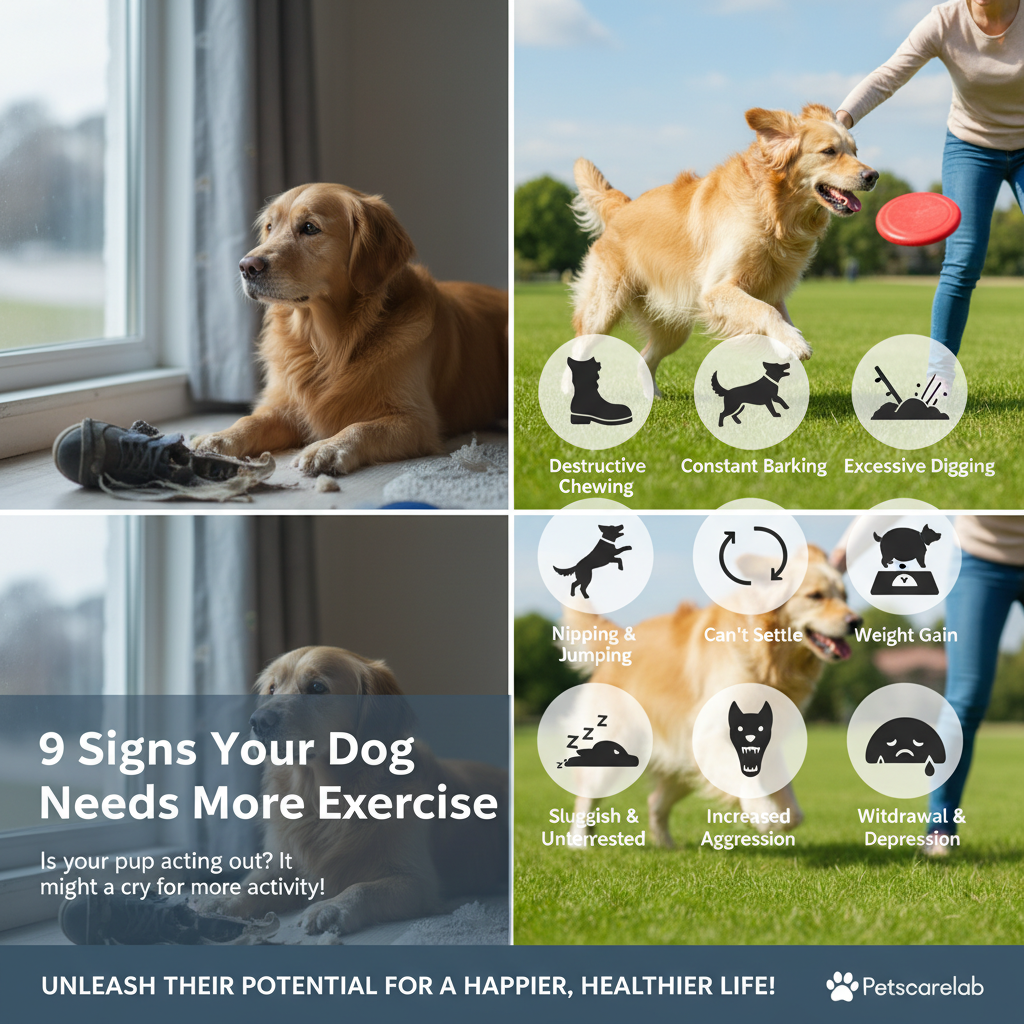
Here are 9 common signs that your dog might not be getting enough exercise.
1. They're Turning Your Home into a Chew Toy
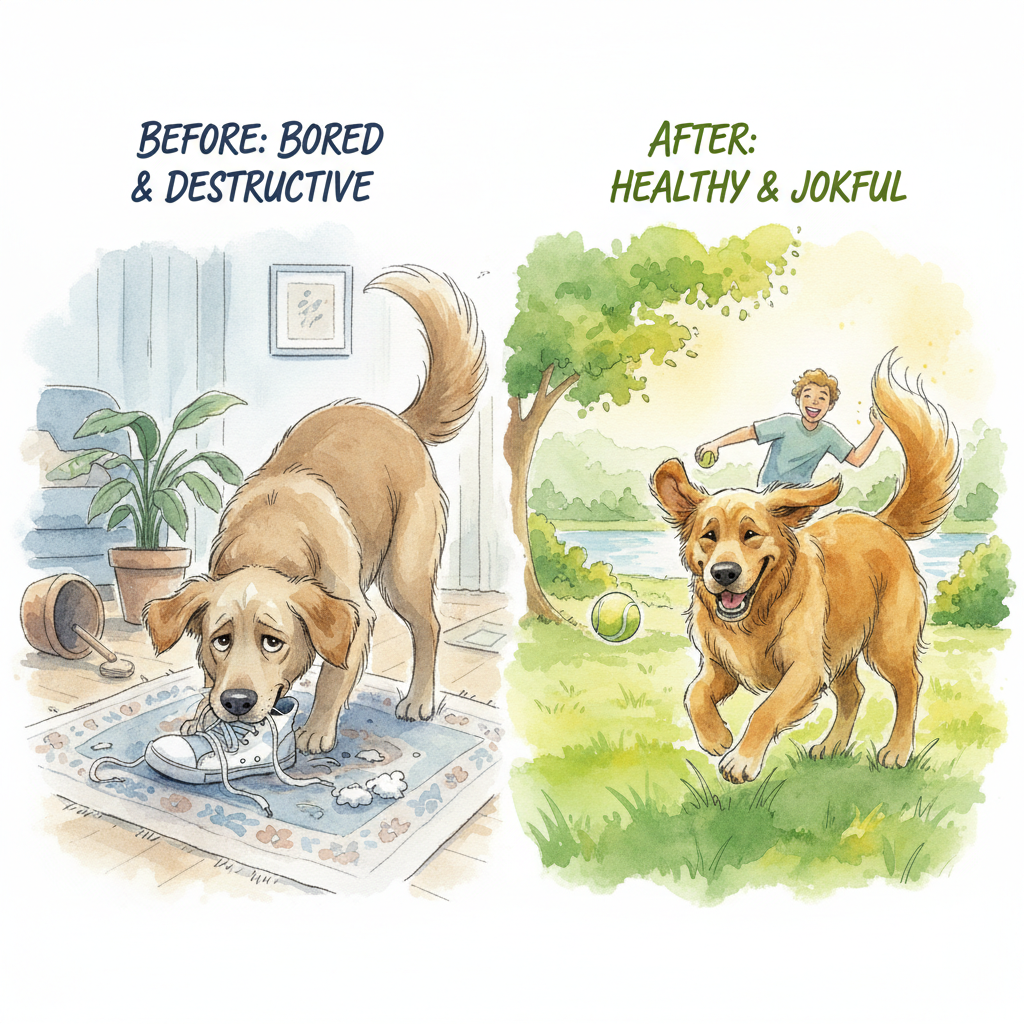
Got a bored pup on your hands? That excess energy has to go somewhere! If your dog isn't getting enough mental and physical stimulation, they might decide your couch cushions are fair game for shredding, your favorite slippers are chew toys, or your door frames are perfect for scratching. They might even try to "remodel" your yard with a few new holes. It's not out of spite; it's simply their way of trying to burn off that pent-up energy.
2. The Constant Barking Never Stops
Sure, dogs bark to communicate, but if yours is constantly letting loose, it might be a cry for help. Think of it: barking at every shadow, every person walking by, or even at literally *nothing*? That's often your dog trying to tell you they're bored or frustrated and desperately need to blow off some steam.
3. Your Backyard Becomes a Digging Zone
Okay, some dogs, especially certain terrier breeds, are born diggers. But if your pup's turning your beautiful lawn into a moonscape of holes, it's a huge sign they're not getting enough exercise. Digging is hard work; it's physically demanding and mentally engaging. If your dog doesn't get that outlet elsewhere, your backyard will pay the price.
4. They're Nipping and Jumping All Over You
Little puppies are known for their playful nips and excited jumps. But when an adult dog constantly nips at you or jumps up on everyone, it usually means they've got too much energy bubbling inside them. They're probably just trying to start a game or get your attention. A good, solid exercise session can help them redirect all that energy into calmer, more appropriate behaviors.
5. They Just Can't Settle Down
Does your dog pace endlessly through the house? Do they shift positions every few minutes, unable to truly relax even after what *should* have been a tiring day? This is classic restlessness. They need to burn off that pent-up energy so they can finally unwind and enjoy a peaceful, deep rest.
6. They're Packing on the Pounds
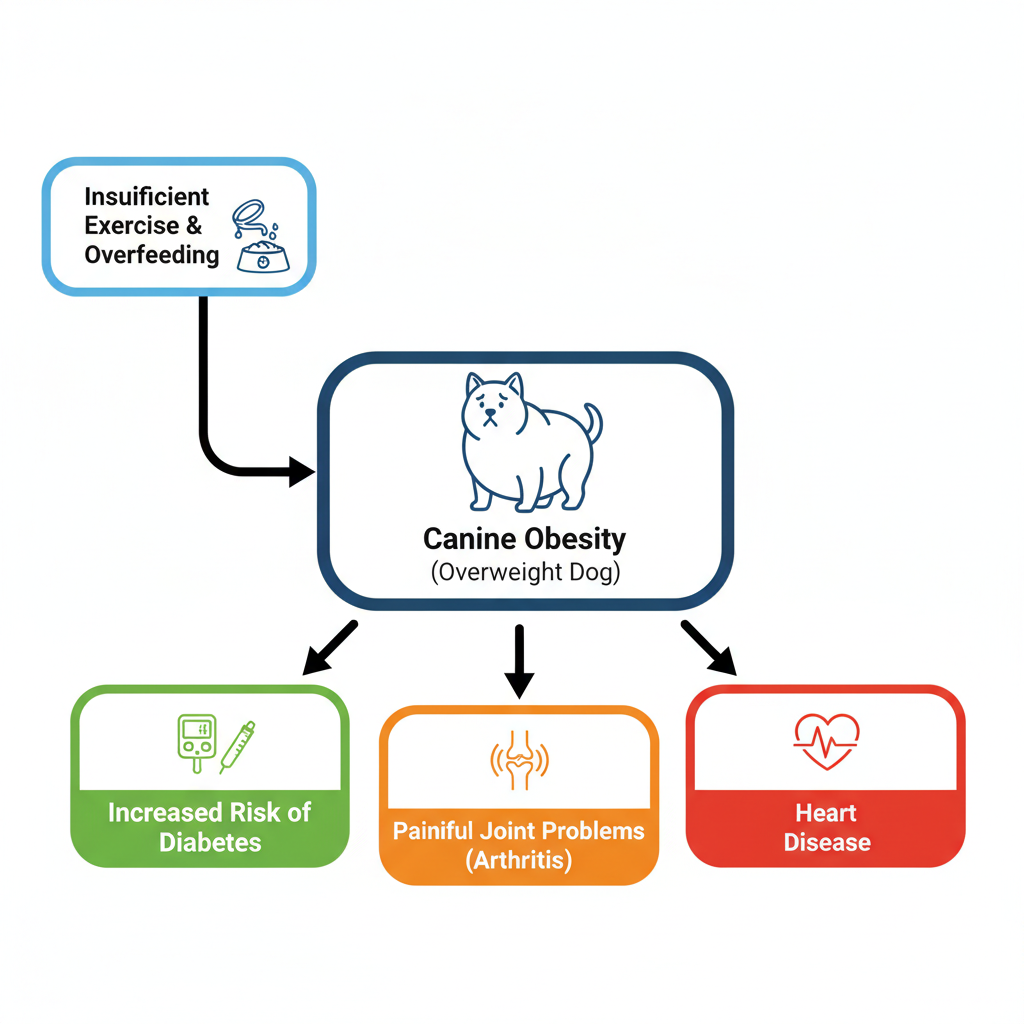
It's simple math: if your dog eats more calories than they burn, they'll gain weight. And guess what? Not enough exercise is a huge reason dogs get overweight. This isn't just a cosmetic problem; it opens the door to serious health issues like diabetes, painful joint problems, and heart disease. Regular activity helps your pup stay at a healthy weight and keeps their whole body fit.
7. They Seem Sluggish or Uninterested
This one might surprise you: too little exercise can actually make your dog *sluggish*. An under-exercised pup often acts uninterested in playing, sleeps way more than they should, and generally seems "blah." This isn't because they're lazy! It's often a sign of boredom, even depression, and just plain poor physical condition. They need that activity to feel alive and engaged.
8. They're Acting More Aggressive
Sometimes, not enough exercise can unfortunately lead to aggression. When dogs are frustrated and bursting with pent-up energy, they can get irritable, which might show up as snapping, growling, or even biting. Getting out and moving can really help calm their nerves, reduce anxiety, and lead to a much happier, more balanced dog.
9. They Seem Withdrawn or Depressed
Dogs are social butterflies! They absolutely thrive on interaction and being active. If your pup is always left alone with nothing to do, they might retreat into themselves, become totally uninterested in the world around them, and even show signs of depression. Exercise gives them a crucial outlet for their natural instincts, keeping them engaged, curious, and just plain happy.
What to Do When Your Dog Needs More Exercise
If any of these signs your dog needs more exercise sound familiar, it's definitely time to shake up their routine. Here are some simple ways to get your pup moving:
- Pump up the walks: Don't just stick to the same old block. Walk longer, walk more often, and explore new sights and smells to keep things exciting for your pup.
- Inject playtime: Make active games a daily thing. Think fetch, a good game of tug-of-war, or even hiding treats for them to sniff out.
- Hit the dog park: If your dog loves other dogs, a dog park is fantastic for off-leash fun and making new friends.
- Go adventuring: Got a high-energy dog? Try hiking new trails, going for runs together, or even checking out agility training.
- Challenge their brain: Exercise isn't just about moving. Puzzle toys, learning new tricks, or even scent work can really tire out their minds.
- Ask for backup: If you're swamped and can't meet your dog's needs alone, consider a trusted dog walker, doggy daycare, or chatting with a professional trainer.
Remember this: a dog who gets enough exercise is a happy, healthy dog. When you give your pup plenty of physical activity and brain-teasing challenges, you'll head off many behavior problems, boost their overall health, and build an even stronger bond with them. If you're ever worried about your dog's behavior or health, always talk to your trusted veterinary specialist.