```html
PetsCareLab
In humans, teething refers to the eruption of baby teeth through the gums. In dogs, however, teething is linked to the growth of their adult teeth pushing in to replace baby teeth.
This natural process can be uncomfortable for puppies. Just as human babies become fussy, eager to chew, and sometimes develop mild fevers, puppies also experience similar discomfort during teething. It’s vital for pet parents to keep their furry companions comfortable as their adult teeth make their way through the gums. Here’s what you need to know about caring for a teething puppy.
When Do Puppies Start Teething?
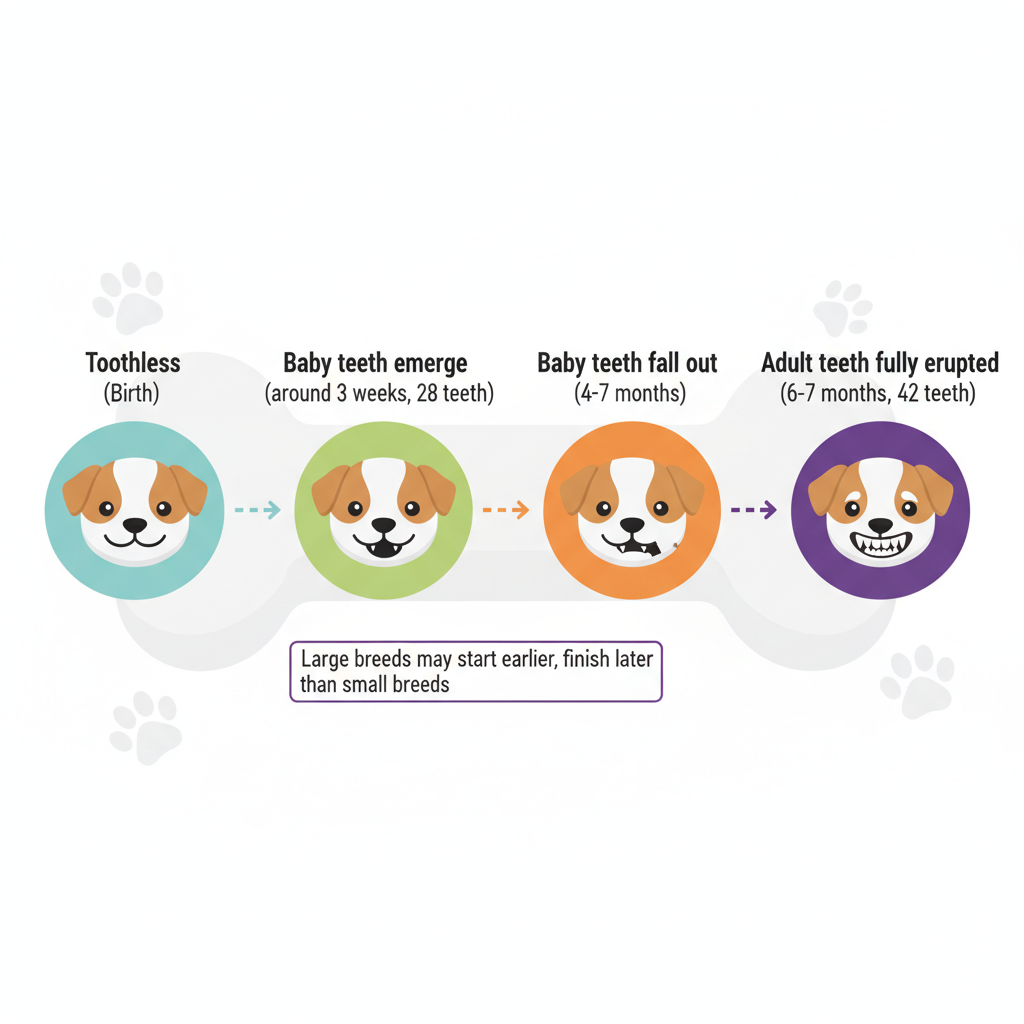
Puppies enter the world toothless, but their first baby teeth begin to emerge around 3 weeks of age. By the time they reach 8 weeks old, they typically have a complete set of 28 sharp, baby teeth. These baby teeth eventually fall out between 4 to 7 months, making way for 42 permanent adult teeth.
The teething phase kicks off as the adult teeth move up inside the jaw, exerting pressure on the baby teeth roots, causing them to loosen and fall out. Puppies generally finish teething by 6 to 7 months old when all adult teeth have fully erupted. Interestingly, large-breed dogs often start teething earlier than smaller breeds, but their full adult tooth eruption can take longer to complete.
1. Puppy-Proof Your Home
Preparing your living space for a teething puppy means protecting your belongings and offering plenty of safe chew alternatives.
Keep hazardous items—such as medications, trash, batteries, gum, cleaning products, and food—well out of your puppy’s reach. If you have houseplants or garden plants, double-check that none are toxic to dogs. Be sure to tuck electrical cords away to prevent curious puppies from chewing on them. Utilize dog gates to restrict access to stairs or areas where your puppy shouldn’t wander.

Create a cozy, secure area for your puppy by setting up a crate stocked with fresh water, soft bedding, and enough room to comfortably sit, lie down, stand, and turn around.
2. Buy Puppy Teething Toys
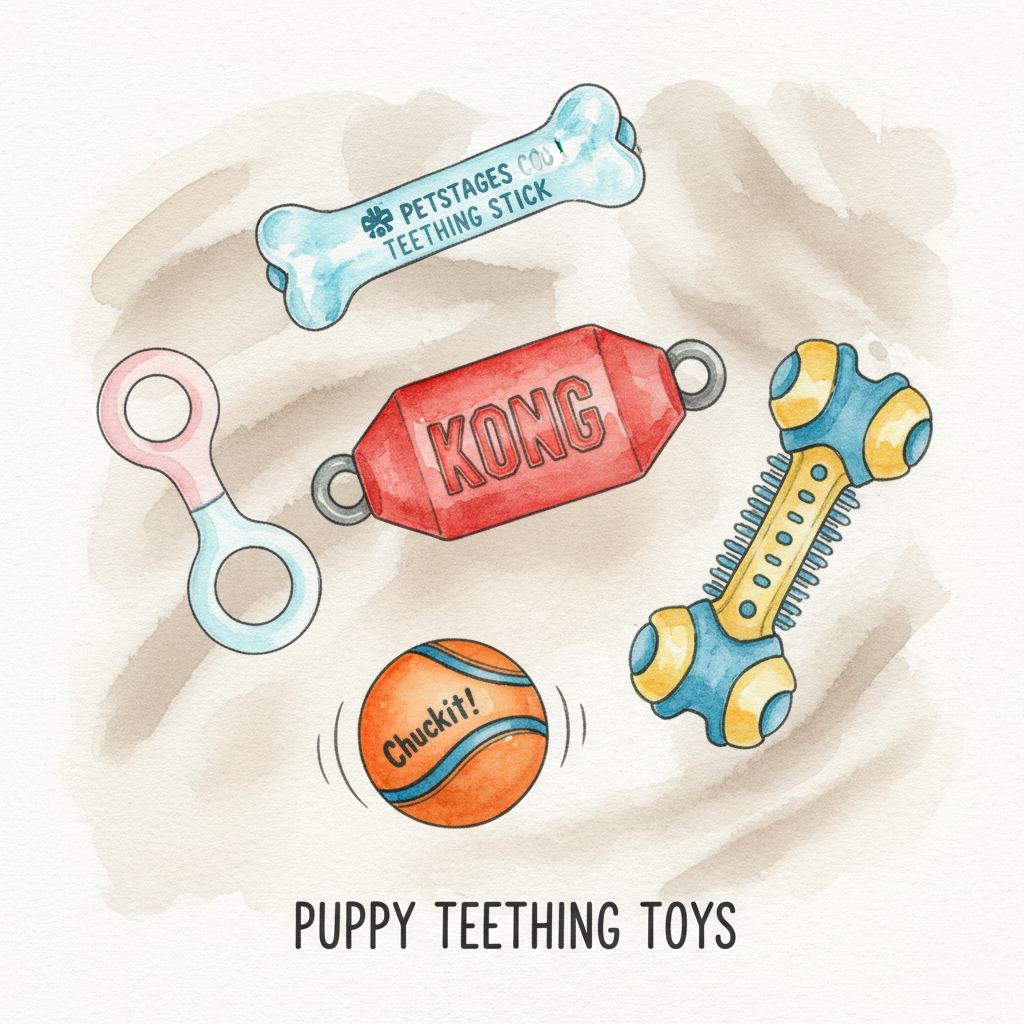
Teething toys are an essential tool for keeping your pup engaged and easing discomfort. Stock up on a variety of puppy-safe toys and rotate them regularly to maintain your puppy’s interest.
For teething puppies, offer a blend of soft toys and flexible rubber chew toys. Avoid extremely hard toys or bones that you can’t press with your fingernail, as these may fracture your puppy’s developing teeth. Some top recommended teething toys include:
- Classic KONG toy
- KONG Puppy Binkie
- Petstages Cool Teething Stick
- ChuckIt! Rubber Ball
- PetSafe Busy Buddy Bristle Bone Treat Dispenser
3. Try Frozen Goodies
Chilled toys and treats work wonders to soothe your puppy’s irritated gums, adding a fun twist to their teething relief.
Try stuffing a KONG toy with a mixture of puppy food and water, then freeze it for a cool, tasty distraction—especially helpful during crate training or when you need to leave your puppy alone. Fresh, dog-friendly frozen snacks like green beans, blueberries, seedless watermelon, and carrots offer gentle relief for sore gums. Avoid giving puppies ice cubes, as their hardness can damage teeth.
4. Practice Soft-Mouth Training
Teething often makes puppies extra mouthy, so it’s crucial for pet parents to gently teach appropriate chewing behaviors.
When your puppy nips or mouths during play, promptly redirect their attention by offering a chew toy. If they persist, calmly withdraw your hands, step away without engaging eye contact, and pause the interaction. This teaches that biting doesn’t earn attention or playtime. Once your puppy calms down, resume play with a toy.
Reinforce good behavior by rewarding your pup with praise, affection, or treats when they chew gently or respond correctly. Positive reinforcement builds a trusting bond free from fear or stress and is the most effective training method. If your puppy shows signs of aggression around toys or persistent biting, consult your veterinarian for guidance.
```